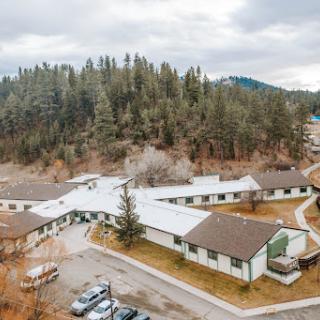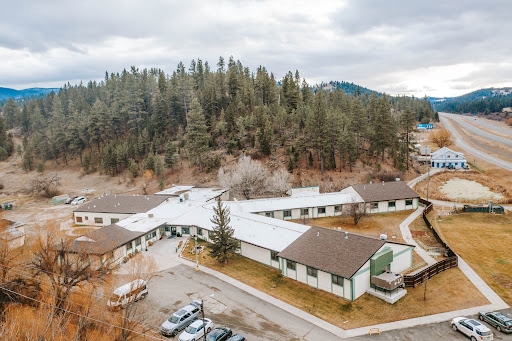
474 Highway 282, Clancy, MT 59634
For more information about senior living options: (866) 208-4318
Overall Review of Elkhorn Healthcare & Rehabilitation
Pros
 The staff is tremendous and cares about the residents.
- The caregivers are attentive, kind, professional, helpful, and patient.
- The residents are wonderfully appreciative and enjoy music programs.
- The facility in Helena outdoes other homes.
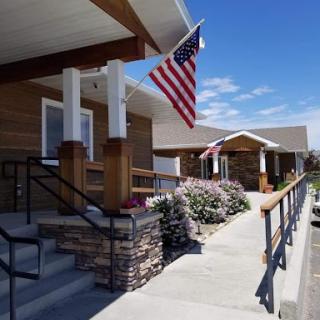
- The rooms and public spaces are comfortable and clean with a caring staff.
- The staff are very nice, and traveling CNAs seem happy and devoted to their work.
- Attentive care is outstanding and residents show noticeable improvements.
- Nurses and doctors are excellent, and physical therapy and occupational therapy are very good.
Cons
 There was no hot water for at least five minutes.
- The meals were poorly prepared and the food quality was poor.
- Personal items such as clothing and money seem to disappear.
- The beds are terrible.
- The facility needs an overhaul.
- The food was deplorable and most meals were cold.
- There were delays in medication administration and a lack of urgency in addressing issues.
Review
Elkhorn Healthcare & Rehabilitation in Clancy is best suited for families seeking a small, hands-on environment where care feels personal and staff know residents by name. It excels for short- to mid-term rehab and for long-term living when a resident benefits from a consistent, attentive caregiving team more than from a gleaming new building. The facility’s rooms and public spaces read as comfortable and clean, and the atmosphere is warm, with staff energy described as youthful and genuine. Therapists contribute solid PT/OT programs, and the nursing team earns frequent praise for professionalism and dependability. The social side matters too, with regular activities and community moments, music therapy on Thursdays is a simple, effective way to lift morale and keep residents engaged. In short, it’s a practical, people-forward option for those who prioritize relationship-driven care.
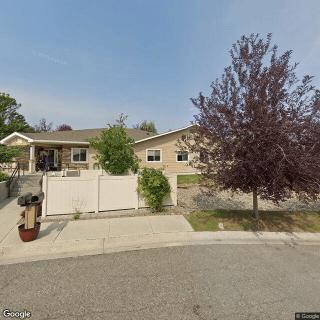
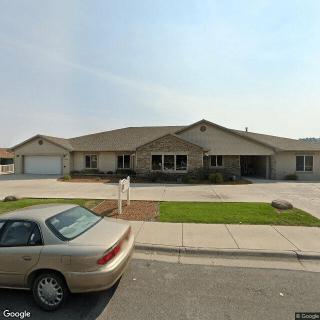
Alternatives are worth considering for families who require flawless clinical reliability, a modern facility, or a dining program that delivers consistent, chef-driven meals. Several reviews flag ongoing operational gaps: delayed or mismanaged medications, a few instances of personal items going missing, and a sense that safety and oversight could be tighter. The building is older, and for some residents the lack of in-room phone service and occasional plumbing/amenities frustrations (hot water delays noted) will be a deal-breaker. If these factors matter most, exploring other options with newer infrastructure, stronger food service, and stricter asset controls will be prudent.
On the upside, the staff consistently demonstrates care, patience, and professionalism. Families report that caregivers go above and beyond to keep residents happy and safe, with several accounts praising the attentiveness of aides, LPNs, and RNs. The rehab program is a tangible strength: therapists are competent, and residents often improve under their guidance. The environment supports dignity and comfort, with well-kept rooms and public areas that feel homey rather than clinical. Activity programming, including music and social events, helps sustain morale. Even in a facility described as aging, the human element, kind, reliable interactions from staff, often compensates for structural shortcomings. For many residents, that personal connection translates into meaningful daily life.
However, the drawbacks are real and not easy to overlook. The building’s age is palpable, and not just in aesthetic terms, affecting infrastructure and comfort. Food quality emerges as the perennial complaint: meals are often cold or poorly prepared, with many residents relying on outside meals for acceptable nutrition. Bed comfort is questioned, and that matters for recovery or long-term comfort. Medication management is a recurring risk area, with reports of delays, miscommunications, and, in at least one case, a hospital readmission tied to treatment gaps. Personal items allegedly go missing, introducing a legitimacy issue about safekeeping. Staffing levels can feel stretched, which exacerbates both food quality problems and slower response times. Finally, some residents miss cell service or in-room phones, limiting connection with families.
The core strength, staff dedication, does meaningful work that can offset many soft edges for residents who value daily reassurance and hands-on care. For rehab patients in particular, attentive therapy, reliable nurses, and a small-community feel can drive steady progress and a sense of safety that outpaces the discomfort of an older building. Yet the same operational gaps that irritate family members and residents, medication delays, meal quality issues, and intermittent safety concerns, can erode confidence over time, especially for those who rely on precise dosing and predictable routines. In short, the positives deliver tangible, day-to-day value; the negatives are not cosmetic and require active oversight and clear expectations. As a result, this community works best when families are prepared to monitor care quality and advocate for improvements.
Families evaluating Elkhorn should approach visits with a clear checklist. Ask for specifics on medication management workflows, including guaranteed in-house pharmacy operations and 24/7 nursing coverage. Inspect a patient room for comfort, and test accessibility of hot water, heat, and basic amenities. Discuss dining service, meal variety, and any planned improvements to food quality, including opportunities to taste-test meals. Inquire about measures to protect belongings and reduce loss, such as secure storage and incident reporting. Talk with therapy staff about individual goals, cadence, and discharge expectations. Finally, weigh the facility against alternatives that offer newer infrastructure or stronger food programs; for the right family, the genuine care of staff can justify choosing Elkhorn despite its imperfections.
 70 resident community capacity
 Skilled Nursing Facility
 Air-conditioning
 Beauty salon
 Cable or satellite TV
 Computer center
 Dining room
 Fitness room
 Fully furnished
 Gaming room
 Garden
 Housekeeping services
 Kitchenette
 Move-in coordination
 Outdoor space
 Private bathrooms
 Restaurant-style dining
 Small library
 Telephone
 Wellness center
 Wi-Fi/high-speed internet available
 Helena Regional (11 miles away)
 Community operated transportation
 12-16 hour nursing
 24-hour call system
 Activities of daily living assistance
 Assistance with bathing
 Assistance with dressing
 Assistance with transfers
 Diabetes diet
 Medication management
 Mental wellness program
 Special dietary restrictions
 Concierge services
 Planned day trips
 Is a Geriatric Care Manager the Right Choice for Your Family?
 Compassionate Conversations: How to Comfort Someone Who Is Grieving
 Home Health Care Aides: Understanding Their Role and Supporting Your Family