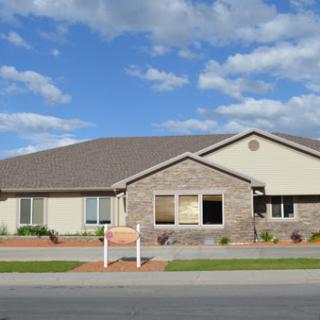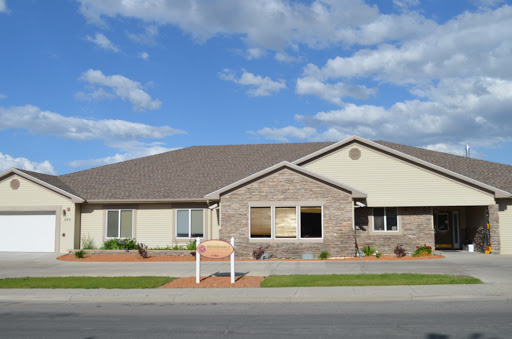
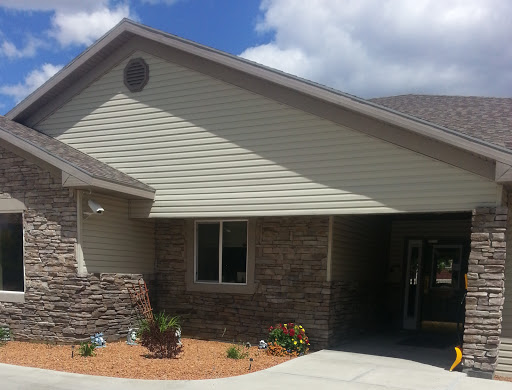
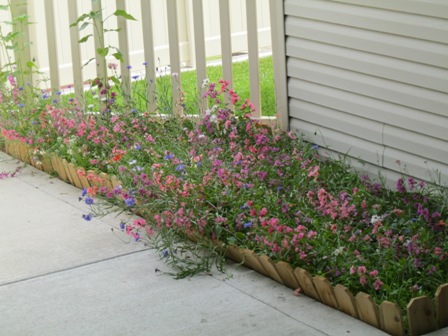
525 Saddle Drive, Helena, MT 59601
For more information about senior living options: (866) 208-4318

Overall Review of Renaissance Senior Care-Helena Saddle Drive
Pros
 The staff and crew at Renaissance Senior Care are amazing and truly care for the seniors.
- Renaissance Senior Care has amazing staff and residents, with welcoming, smiling staff and residents in great care.
- Renaissance Senior Care goes far beyond to make its residents happy and comfortable.
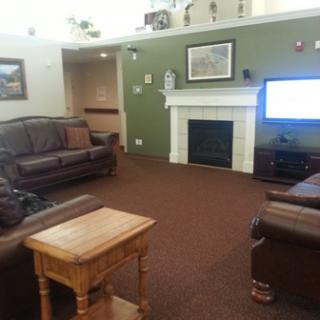
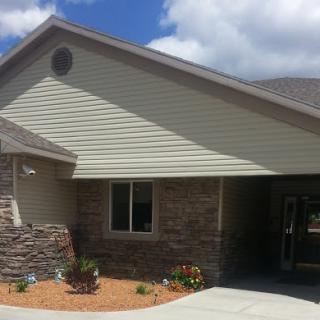
- The community feels small and home-like, not like an institution.
- The staff are personable and professional, understanding residents’ challenges.
- The facility offers engaging activities throughout the week, so residents are not bored.
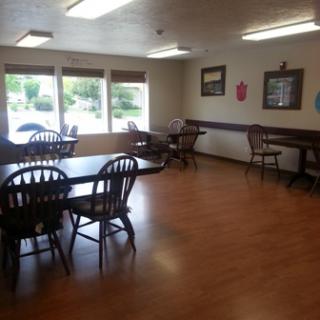
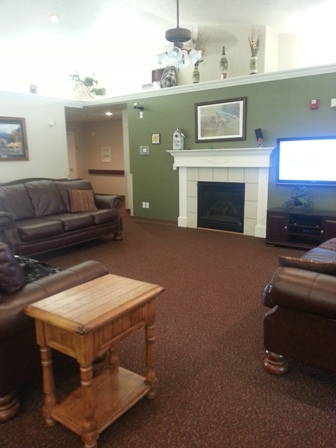
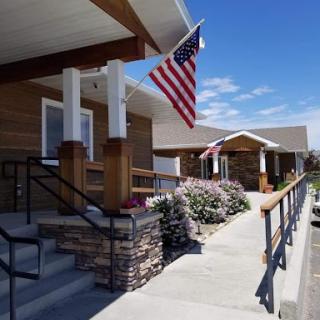
- It is a comfortable, residential-feeling facility that is equipped with necessary features for assisted living.
- It is an affordable option, and staff are amenable to Medicaid when eligible, which is comforting for families.
- The staff truly cares about residents, and meals are home-cooked, making it feel like a home.
- Renaissance Assisted Living is a lovely, small, homelike community with natural light, on-site meals, and well-trained, caring staff.
- Residents make friends and enjoy activities; staff and the administrator are respectful and kind.
- Services like nursing care, laundry, showers, and haircuts are appreciated as mobility changes.
- Families feel confident entrusting their loved ones to Renaissance Senior Care, and the service receives strong recommendations.
- Renaissance Assisted Living is amazing and is considered a part of the family.
- The Helena – Saddle Drive location is small, clean, very caring, with good food and a favorable value.
Cons
 They ended up at the wrong location when trying to visit over the holidays because of using the Map app.
Review
This community is best suited for families seeking a small, homelike assisted living option that prioritizes intimate, personal attention, private living spaces, and everyday warmth over a sprawling campus feel. It serves seniors who value a residential atmosphere, where meals feel homemade and staff know residents by name, and who want predictable, dependable care without navigating a large, impersonal operation. It is particularly well matched for those who are not yet ready for, or do not require, full-blown memory care, and who anticipate needing mostly assistance with daily activities, light healthcare support, and compassionate companionship. For families contemplating long-term memory care needs, or residents requiring highly specialized medical services on a continuous basis, alternatives with dedicated memory-care programs and larger clinical staffing should be considered. The bottom line: the setting shines when comfort, privacy, and steady, personable care are the priorities.
The strongest, most consistently echoed advantage is the staff and the culture they cultivate. Descriptions repeatedly highlight caregivers who are genuinely caring, responsive, and present with residents in a warm, respectful way. The atmosphere feels less like a facility and more like a home where staff know residents’ preferences, meals are crafted on site, and daily routines are guided by a humane, attentive touch. Residents are described as thriving in an environment that emphasizes relationship-building, not just tasks; families observe that staff build trust, celebrate small moments, and treat residents with dignity as needs evolve. This alignment between staff and residents translates into a sense of safety and belonging that family members can rely on when they cannot be physically present every day.
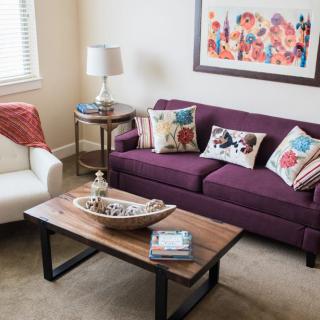
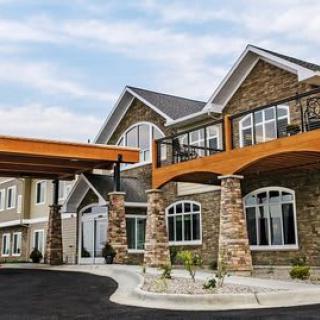
Another clear strength is the small, residential nature of the community. The layout and design, private rooms, a home-like feel, natural light, and a kitchen that permeates the living space with inviting aromas, contribute to comfort and stability. For seniors who worry about roommate conflicts or institutional rigidity, the option of a private room is especially meaningful. The facility also demonstrates practicality in meeting common Assisted Living expectations: on-site services such as nursing care, laundry, showers, and beauty services, all integrated into a cohesive daily rhythm. The combination of privacy, comfort, and accessible, resident-centered programming helps keep residents engaged, with activities that extend beyond passive entertainment and foster meaningful interaction, exercise, crafts, and social connection.
From the family perspective, several personal anecdotes underscore how care quality translates into real-life reassurance. One account reflects a long-term resident who has formed friendships, participates in regular activities, and experiences increasing levels of person-centered care as needs change. The caregivers’ respect for residents’ wishes and the staff’s evident pride in their roles emerge as pivotal themes. Families also note continuity of care as a stabilizing factor, not only in daily routines but in coordinating needed services like nursing support, laundry, and personal grooming. The reassurance extends to practical matters as well: the facility’s willingness to explore funding options that may include Medicaid as eligibility evolves provides a clearer path for families planning long-term finances.
Yet, no option is without trade-offs, and several practical caveats temper the otherwise strong positives. The community is clearly not a full-service, high-structure memory-care campus, so families planning for advanced dementia needs or highly specialized, 24/7 medical oversight may encounter gaps. While resident programs exist and staff actively promote activities, the breadth and scale of offerings will naturally be lighter than in larger campuses. Cost is also a consideration; while described as more affordable than many rivals, the price point remains a factor for budgeting, and prospective residents should confirm what is included and what may require additional fees. Availability of private room options can vary, and those seeking extremely low-cost solutions or highly intensive medical packages should compare carefully against alternatives.
All things considered, the pros significantly offset the cons for families prioritizing a nurturing, home-like environment with dependable, engaged staff. The intimate scale of the community reduces the impersonality that can accompany larger facilities, while the quality of interaction with caregivers helps residents maintain dignity, autonomy, and a sense of purpose. The on-site kitchen, light-filled spaces, and the steady rhythm of daily life contribute to emotional and physical comfort that often expands a senior’s sense of well-being. The practical services, nursing care, laundry, showers, and routine personal care, are integrated in a way that makes daily life manageable, predictable, and safe, which matters deeply for families balancing work, travel, and caregiving responsibilities. The few drawbacks are manageable for most residents, especially when the expectation is clear and funding plans are explored early.
For families weighing options, Renaissance Senior Care, Helena Saddle Drive represents a compelling choice for those who want a genuine sense of home, where staff become allies in care and where privacy and personalized attention are prioritized. It is not the right fit for those who anticipate needing robust memory-care infrastructure, highly specialized clinical programming, or the lowest possible price point. Prospective movers should plan a thorough on-site visit, confirm room availability, and discuss how Medicaid or other funding mechanisms could support long-term care. In short, this community stands out as a practical, compassionate haven for seniors who value intimate care, consistent staff relationships, and the comfort of a small, residential setting, the kind of place families can rely on when peace of mind matters most.
 17 resident community capacity
 Assisted Living
 Board and Care Home
 Memory Care
 Beauty salon
 Cable or satellite TV
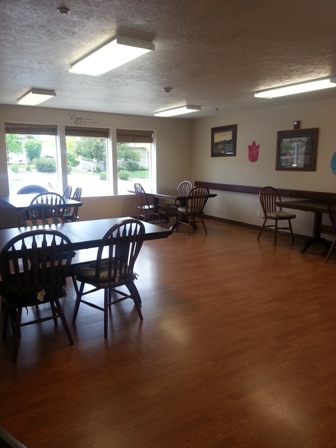
 Dining room
 Fully furnished
 Garden
 Housekeeping services
 Kitchenette
 Move-in coordination
 Outdoor space
 Restaurant-style dining
 Small library
 Telephone
 Wi-Fi/high-speed internet available
 Helena Regional (2 miles away)
 24-hour supervision
 Activities of daily living assistance
 Assistance with bathing
 Assistance with dressing
 Assistance with transfers
 Diabetes diet
 Diabetic care
 High acuity care
 Medication management
 Mental wellness program
 Special dietary restrictions
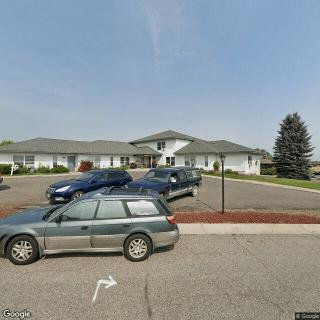
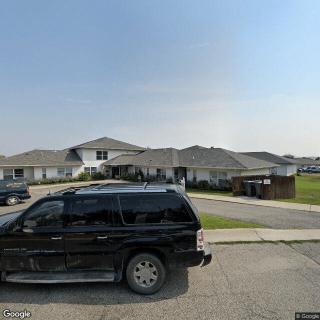
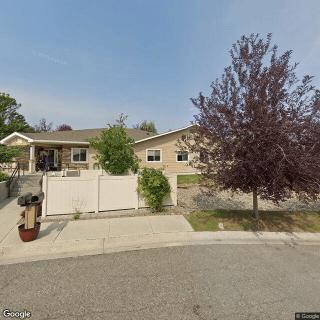
 How and When Medicaid May Cover Assisted Living Costs
 A Detailed Exploration of Assisted Living Medicaid Waivers Across the United States
 Exploring the Contrasts Between Assisted Living and Skilled Nursing