


615 Main Street, Anaconda, MT 59711
For more information about senior living options: (866) 208-4318
Overall Review of Community Nursing Home Of Anaconda
Pros
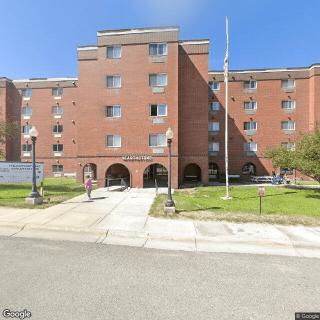
 The reception room was clean, comfortable, and well lit, and the staff were pleasant.
- The facility is the best place to have care for loved ones.
- The workers at the Anaconda community nursing home are wonderful and take great care of residents.
- Mary was easy to talk to and explained everything, helping make moving him here the right decision.
- The people of the Anaconda community nursing home have been wonderful all the way around.
- The facility keeps growing in all areas.
Cons
 The reviewer notes that the facility is awful.
- The reviewer claims the staff do not care about residents' loved ones and are there for a paycheck.
- The reviewer describes the treatment of residents and non-floor staff as disgusting.
- The reviewer says the management treats the floor staff just as badly.
- The reviewer advises that loved ones should be sent elsewhere.
Review
This community is best suited for families that want a approachable, neighborly nursing-home environment in Anaconda, with staff who can form real connections and provide hands-on daily assistance. It works well for residents who don’t require constant medical intervention yet benefit from regular personal interactions, social activities, and a facility that is described as clean, comfortable, and steadily growing. The setting favors families who are willing to stay engaged, establish clear expectations, and monitor day-to-day care through direct communication with staff and the administrative team. In short, this is a practical choice for those who value warmth, accessibility, and a sense of community, even as care needs evolve.
There are clear reasons to consider alternatives for those prioritizing consistency and uncompromising management. Several reviews flag a pattern of mixed experiences with staffing and leadership, suggesting that reliability can vary by shift and by the administrator or nurse manager on duty. Families seeking a uniformly seamless operation, spotless accountability for every resident interaction, or a facility with a proven track record of stable governance may want to widen their search. In environments where decisive, well-established protocols and a consistently proactive administrative culture are nonnegotiable, other options may better meet expectations.
On the positive side, the strongest repeated strengths center on human warmth and responsive communication. Visitors describe a reception area that is clean, comfortable, and well lit, with a staff presence that feels approachable. Several families highlight caregivers who take actual pride in their work, and a few note standout staffers who become trusted points of contact, such as Mary, who is praised for clear, approachable explanations and dependable involvement. The sentiment that the facility is capable of adapting and improving, “growing in all areas”, promises that tangible gains, when supported by engaged staff, can translate into meaningful daily caregiving. These are not abstract advantages; they translate into visible routines and relationships that many residents count on.
Yet the flip side presents a cautionary counterpoint that cannot be dismissed. A substantial thread of reviews conveys unease about staff morale and management tone, with accusations that some workers feel undervalued and that accountability is uneven. Reports of residents being treated poorly by leadership, or of a broader culture where floor staff face pressure and friction, raise legitimate red flags for families prioritizing steady, respectful workplace dynamics. The remarks about management’s handling of incidents and the decision to relocate a loved one from another facility due to alleged “horrible management” further complicate the impression of reliability. These are not one-offs; they represent a real pattern for some families.
The central question becomes whether the visible pros can meaningfully offset the stated cons. For families that plan to stay actively involved, visiting frequently, clarifying care plans, and requesting direct communication with front-line caregivers, the positives can translate into consistently warm, attentive care when the right team is in place. In such scenarios, the staff’s genuine commitment and the home-like atmosphere may compensate for periodic gaps in coverage or occasional mismatches in management approach. However, for families seeking near-perfect consistency, or those who cannot tolerate even modest signs of administrative instability, the risks associated with the reported concerns may overshadow the benefits.
Practical steps help tilt the decision toward a well-informed choice. Schedule multiple visits at different times and days to observe how staff interact with residents and how quickly administrative questions are answered. Ask to meet the administrator or director with an explicit plan for how care issues are escalated and resolved, and request recent survey results or quality improvement initiatives to gauge current governance posture. Inquire about staffing ratios, turnover, and who your primary caregiver will be, then request a trial period or periodic family conferences to reassess. Finally, compare cost structures, proximity to home, and the availability of specialized services, so the choice rests on a balanced reading of warmth, reliability, and governance.
 62 resident community capacity
 Skilled Nursing Facility
 Air-conditioning
 Beauty salon
 Cable or satellite TV
 Computer center
 Dining room
 Fitness room
 Fully furnished
 Gaming room
 Garden
 Housekeeping services
 Kitchenette
 Move-in coordination
 Outdoor space
 Private bathrooms
 Restaurant-style dining
 Small library
 Telephone
 Wellness center
 Wi-Fi/high-speed internet available
 Bert Mooney (25 miles away)
 Community operated transportation
 12-16 hour nursing
 24-hour call system
 Activities of daily living assistance
 Assistance with bathing
 Assistance with dressing
 Assistance with transfers
 Diabetes diet
 Medication management
 Mental wellness program
 Special dietary restrictions
 Concierge services
 Planned day trips

 Comprehensive Guide to Medicare Coverage for Hospice Care
 Caring for Those Who Care: Recognizing, Understanding, and Overcoming Caregiver Burnout
 Caregiver Exhaustion: Recognizing the Signs and Restoring Your Well-Being