DPHHS/SLTC - Home & Community Based Services (HCBS) Helena RPO

118 East 7th Street, Anaconda, MT 59711

For more information about senior living options: (844) 490-3973

2.2 from 78 reviews
5 stars
16
4 stars
5
3 stars
5
2 stars
4
1 stars
48

Assisted Living

What level of care are you interested in?

Assisted Living

Memory Care

Independent Living

Skilled Nursing Facility

Continuing Care Retirement Community (CCRC)CCRC

Other


Request a tour at DPHHS/SLTC - Home & Community Based Services (HCBS) Helena RPO

    Overall Review of DPHHS/SLTC - Home & Community Based Services (HCBS) Helena RPO

    Pros

    • pro They acknowledge that the workers do their best and express gratitude for the service.
    • pro They describe the staff as helpful and kind, appreciating their efforts.
    • pro Villette is praised for going out of her way to make the child comfortable.
    • pro The introduction of a new kiosk is seen as making the process more efficient.
    • pro The service is described as good by at least one reviewer.

    Cons

    • pro The system is inaccessible by phone and forces people to visit offices, where they face long waits and indifferent receptionists.
    • pro The offices are chronically understaffed, leading to incompetence, stonewalling, and severe delays.
    • pro Paperwork is frequently lost or not processed, causing gaps in coverage and backdating issues.
    • pro The offices close randomly, making access to services unreliable and chaotic.
    • pro The automated phone system is terrible, offering little help and long hold times with no effective callbacks.
    • pro Call-back slots are unavailable, leaving people waiting all day without contact or resolution.
    • pro Some reviewers report incorrect eligibility calculations and unfair treatment that worsens crises.
    • pro The overall experience is described as traumatic and exhausting for those seeking assistance.

    Review

    Across a broad swath of experiences, the state's public assistance system comes across as hard to reach, slow to respond, and ultimately frustrating for people who are already dealing with crises. From the outset, the most common refrain is that phone and online channels are unreliable or unavailable, making the only viable option often to show up in person. When people do manage to reach a receptionist, they report being shuffled through a revolving door of transfers, long waits, and promises that something will be done - promises that rarely translate into timely action. The sense of urgency that accompanies seeking help is repeatedly met with a logistical maze: you may be told there's nothing else you need to do, only to discover later that your renewal or coverage has slipped through the cracks and that you're back to square one.

    The phone system, in particular, seems to be a major choke point. Review after review highlights hours of hold time, frequent disconnections, and the constant cycle of "callback slots full" or no one ever answering. People report waiting 3 hours, 4 hours, even up to 6 hours or more on hold, often with the line dropping just when a human finally comes on the line. Automated menus are described as unhelpful or misleading, sending callers in circles rather than toward real help. When there is a chance to get through, it often feels like a game of chance: you might finally speak to someone who can help, or you might not, with the sense that the next step depends on luck rather than a clear process. Some describe a troubling pattern of dealing with a phone system that makes it nearly impossible to complete interviews or schedule in-person appointments, leaving people stuck in limbo while their needs go unmet.

    In-person offices are supposed to be where the system finally moves forward, but even there experiences differ wildly. The offices sometimes close at unpredictable times, and the lobby line's management appears to be ad hoc, with the overflow directed toward calls that lead to dead ends rather than to actual staff who can help. Paperwork that is dropped in a box can be "lost" or delayed, only to resurface later in a way that complicates eligibility determinations or renewals. For self-employed applicants, the process feels especially treacherous, with unclear standards and a sense that the math used to determine eligibility is opaque or unfair. The frustration is compounded for pregnant individuals and families already navigating medical crises; there are stories of children losing coverage, delayed backdating, and the anxiety of facing birth without insurance because the system didn't process a renewal or reapplication in time. In one particularly poignant case, a family drove long distances to a regional office after hours of hold music and inaction and found that even when a worker was able to help, the underlying system still lagged far behind real-time needs.

    Amid the frustration, there are glimmers of compassion and competence that stand out against the broader backdrop of dysfunction. A few workers are recognized by name for going above and beyond: for instance, one staff member named Villette "went out of her way" to comfort a stressed child, offering water and an extra seat to help ease a tense moment. Other individuals are described as kind and patient, even when overwhelmed by caseloads, reminding readers that not everyone in the system is indifferent or incompetent. Yet even these positive encounters are often framed within the context of a system that is chronically understaffed and overwhelmed, where the best anyone can hope for is a temporary kindness rather than a reliable, timely solution.

    Systemic issues run deep and touch nearly every part of the service. A recurring thread is that the state's efforts to implement sweeping changes - like an "immediate renewal for all" approach - were not matched with the necessary investments in technology, staffing, or infrastructure. The result is a backlog that spirals into longer wait times, delayed renewals, and renewed confusion about what documentation is required and when it must be submitted. There are reports of insurance statuses being misrepresented in the system - such as coverage being shown as Medicare when it isn't true for the individual - creating additional barriers and requiring hours of hold time to fix. In several accounts, people describe being told essentially to wait for someone to "check back" or to rely on a process that never materializes, with some waiting weeks or months for an answer that never comes. The ADA is invoked in at least one account, with a pointed critique that the state's procedures may be failing the most vulnerable users - those who depend on timely, accessible services to meet basic needs.

    The mix of experiences also underscores a broader sense of regional dissatisfaction. Some reviewers compare Montana unfavorably to other states, describing Missouri as more capable of handling similar needs, and contrasting that with the perceived failures of Montana's system. The emotional weight of these comparisons is significant: families already dealing with medical bills, pregnancy, or a child's health needs express not only frustration with delays but a sense that the system's design leaves them stranded just when they need it most. The recurring sentiment is that this is not merely an administrative hiccup but a fundamental breakdown in access to essential public services.

    In the end, the stories convey a complex portrait of a system that is desperately needed yet chronically imperfect. There are moments of genuine care and competence that shine through the noise of long waits and administrative bottlenecks, but they are overshadowed by a persistent pattern of inaccessibility, miscommunication, and paperwork that vanishes or never arrives in time. For many, the experience is traumatizing rather than reassuring - especially for those in crisis or facing financial and health emergencies. The overall takeaway is a call for substantial reforms: better staffing, reliable phone and online systems, consistent in-person access, guaranteed backdating and transparent eligibility calculations, and a renewed commitment to treating every applicant with the urgency and respect they deserve.

    Features

    Housing

    • 21 resident community capacity 21 resident community capacity

    Types of Care

    • Assisted Living Assisted LivingAssisted living facilities provide crucial support and care for seniors who may need help with daily tasks such as medication management, bathing, and meal preparation. These communities offer a safe and comfortable environment where seniors can maintain their independence while receiving the assistance they need to thrive in their golden years.

    Amenities

    • Beauty salon Beauty salonBeauty salons are important for seniors because they provide a space for them to feel pampered, socialize, and maintain their personal grooming and hygiene. Regular visits to a beauty salon can help boost seniors' self-esteem and overall well-being.
    • Cable or satellite TV Cable or satellite TVCable or satellite TV is important for seniors because it provides entertainment, news, and companionship, helping to combat loneliness and boredom. It also offers a wide range of programming options tailored to different interests and preferences.
    • Dining room Dining roomDining rooms are important for seniors as they provide a space for socialization, connection, and nutritious meals. They offer opportunities for residents to bond over shared meals, foster a sense of community, and promote healthy eating habits. Dining rooms also ensure that seniors have access to well-balanced meals tailored to their dietary needs and preferences.
    • Fully furnished Fully furnishedFully furnished senior living communities are important for seniors because they provide convenience, comfort, and a hassle-free moving experience. Seniors can easily settle into their new living space without the stress of having to buy and move furniture. This allows them to focus on enjoying their new home and community.
    • Garden GardenGardens are important for seniors as they provide a peaceful and therapeutic environment for relaxation, physical activity, and socialization. Being in nature has been shown to reduce stress, improve mood, and promote overall well-being. Gardens also offer opportunities for seniors to engage in gardening activities, which can improve mobility, flexibility, and cognitive function. Additionally, gardens create a sense of community and connection with others who share a passion for plants and outdoor spaces.
    • Housekeeping services Housekeeping servicesHousekeeping services are important for seniors because they help maintain a clean and safe living environment, promote independence, and reduce the risk of accidents or illnesses. Additionally, having assistance with household chores can alleviate physical strain and allow seniors to focus on other aspects of their well-being.
    • Kitchenette KitchenetteKitchenettes are important for seniors living in senior living communities because they provide the convenience and independence of being able to prepare simple meals and snacks in the comfort of their own living space. This can help promote a sense of autonomy and well-being for seniors, allowing them to maintain some level of control over their dietary choices and daily routines.
    • Move-in coordination Move-in coordinationMove-in coordination is important for seniors because it helps ease the transition into their new living environment. It ensures that all logistics, such as packing, organizing movers, and setting up utilities are taken care of, allowing seniors to focus on settling in and adjusting to their new home. Having a smooth move-in process can alleviate stress and anxiety, making the transition smoother and more enjoyable for seniors.
    • Outdoor space Outdoor spaceOutdoor spaces are important for seniors as they provide opportunities for physical activity, social interaction, exposure to natural light and fresh air, and a sense of connection to nature. Having access to outdoor spaces can improve overall well-being and quality of life for older adults living in senior communities.
    • Restaurant-style dining Restaurant-style diningRestaurant-style dining is important for seniors because it allows them to enjoy delicious, nutritious meals in a social and upscale setting. This enhances their dining experience, promotes healthy eating habits, and fosters socialization with fellow residents, ultimately contributing to their overall well-being and quality of life.
    • Small library Small librarySmall libraries are important for seniors as they provide access to a variety of reading materials, including books, newspapers, and magazines. This can help stimulate their minds, keep them engaged, and provide a sense of community through book clubs and other social activities. Additionally, reading has been shown to improve cognitive function and overall mental well-being in older adults.
    • Telephone TelephoneTelephones are important for seniors as they provide a lifeline for communication with loved ones, emergency services, and healthcare providers. They offer a sense of security and independence, enabling seniors to stay connected and access assistance when needed.
    • Wi-Fi/high-speed internet available Wi-Fi/high-speed internet availableWi-Fi/high-speed internet is important for seniors to stay connected with loved ones, access online resources, and participate in virtual activities to combat feelings of loneliness and isolation. It also allows them to easily manage healthcare needs, access entertainment, and engage in lifelong learning opportunities.

    Transportation

    • Bert Mooney (25 miles away) Bert Mooney (25 miles away)

    Care Services

    • 24-hour call system 24-hour call system24-hour call systems are important for seniors because they provide peace of mind and immediate assistance in case of emergencies. This technology ensures that help is always available, promoting safety and security for elderly individuals living alone or in assisted living facilities.
    • 24-hour supervision 24-hour supervision24-hour supervision is important for seniors to ensure their safety, well-being, and access to immediate assistance in case of emergencies or health issues. This constant support provides peace of mind for both seniors and their loved ones, allowing them to age in place with dignity and security.
    • Activities of daily living assistance Activities of daily living assistanceActivities of daily living assistance are important for seniors because they provide essential support with tasks such as eating, bathing, dressing, and mobility. This assistance helps seniors maintain their independence, dignity, and overall quality of life as they age.
    • Assistance with bathing Assistance with bathingAssistance with bathing is crucial for seniors as it helps maintain personal hygiene, prevents infections, and ensures their overall well-being and comfort. It also provides a sense of dignity and independence for seniors who may struggle with this task on their own.
    • Assistance with dressing Assistance with dressingAssistance with dressing is important for seniors because it helps maintain their independence, promotes personal hygiene, prevents accidents and injuries, and improves overall quality of life. This service ensures that seniors can continue to dress comfortably and confidently, despite any physical limitations they may have.
    • Assistance with transfers Assistance with transfersAssistance with transfers is crucial for seniors as it helps prevent falls and injuries, maintains their independence, and ensures they can safely navigate their living environment. It also provides peace of mind for both seniors and their loved ones.
    • Diabetes diet Diabetes dietA diabetes diet is crucial for seniors as it helps manage blood sugar levels, reduce risks of complications, and improve overall health and well-being. By following a balanced and nutritious diet tailored to their specific needs, seniors can better control their diabetes and enhance their quality of life.
    • Meal preparation and service Meal preparation and serviceMeal preparation and service are crucial for seniors as they may have limited mobility or energy to cook nutritious meals. Having access to healthy and convenient food options can ensure they are getting the proper nutrition needed to maintain their overall health and well-being.
    • Medication management Medication managementMedication management is crucial for seniors to ensure they are taking the right medications at the correct dosages and times. This helps prevent adverse drug interactions, reduces the risk of medication errors, and promotes overall health and well-being. Proactive management also allows for adjustments as needed based on changing health conditions or new prescriptions.
    • Mental wellness program Mental wellness programMental wellness programs are essential for seniors as they promote cognitive stimulation, emotional support, and social engagement. These programs help prevent isolation, depression, and cognitive decline, ultimately enhancing the overall quality of life for older adults.
    • Special dietary restrictions Special dietary restrictionsSpecial dietary restrictions are important for seniors because age-related changes in metabolism and health conditions can make it difficult for their bodies to process certain foods. By following a diet tailored to their specific needs, seniors can maintain their overall health and well-being, manage chronic conditions, and reduce the risk of complications such as malnutrition or food interactions with medications.

    Dining

    • Diabetes diet Diabetes dietA diabetes diet is crucial for seniors as it helps manage blood sugar levels, reduce risks of complications, and improve overall health and well-being. By following a balanced and nutritious diet tailored to their specific needs, seniors can better control their diabetes and enhance their quality of life.
    • Special dietary restrictions Special dietary restrictionsSpecial dietary restrictions are important for seniors because age-related changes in metabolism and health conditions can make it difficult for their bodies to process certain foods. By following a diet tailored to their specific needs, seniors can maintain their overall health and well-being, manage chronic conditions, and reduce the risk of complications such as malnutrition or food interactions with medications.

    Activities

    • Community-sponsored activities Community-sponsored activitiesCommunity-sponsored activities are important for seniors as they provide opportunities for social interaction, mental stimulation, and physical activity. These activities can help improve overall well-being, combat loneliness and isolation, and promote a sense of belonging and purpose among older adults.
    • Resident-run activities Resident-run activitiesResident-run activities are important for seniors as they encourage social interaction, creativity, and a sense of autonomy. These activities empower seniors to stay engaged and active in their community while fostering meaningful connections with their peers.
    • Scheduled daily activities Scheduled daily activitiesScheduled daily activities are important for seniors because they provide structure, socialization, mental stimulation, and physical activity. Engaging in regular activities can improve overall well-being and quality of life for seniors living in a community setting.

    Description

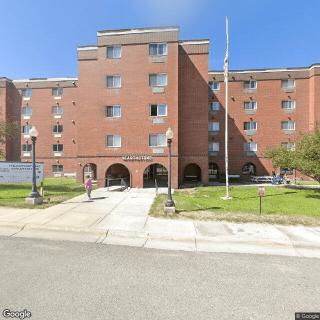
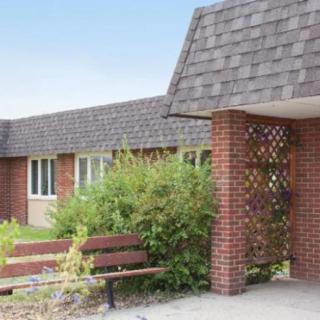
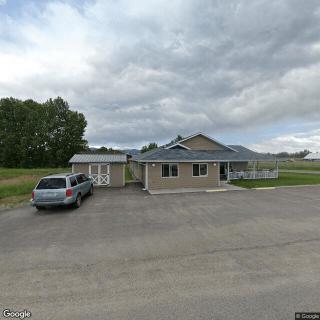
    The DPHHS/SLTC - Home & Community Based Services (HCBS) Helena RPO in Anaconda, MT is a comfortable and fully furnished assisted living community that provides a range of amenities and care services to ensure the well-being and happiness of its residents.

    Residents can enjoy watching their favorite shows or movies on cable or satellite TV in the privacy of their own rooms. The community also includes a dining room where delicious meals are served restaurant-style, accommodating special dietary restrictions if necessary.

    For those who enjoy spending time outdoors, there is a beautiful garden and outdoor space where residents can relax and take in the fresh air. Additionally, the community features a small library for those who love reading.

    The DPHHS/SLTC - Home & Community Based Services (HCBS) Helena RPO offers various care services to meet individual needs. There is 24-hour supervision to ensure the safety of all residents, as well as assistance with activities of daily living such as bathing, dressing, and transfers. The staff also provides medication management and follows a mental wellness program.

    Residents can participate in resident-run activities or join in scheduled daily activities planned by the community to keep them engaged and entertained. There are also plenty of amenities and services nearby for convenience, including cafes, parks, pharmacies, physicians' offices, restaurants, transportation options, places of worship, theaters, and hospitals.

    Overall, this assisted living community strives to provide a comfortable and enriching lifestyle for its residents while ensuring their care needs are met with compassion and professionalism.

    Nearby Places of Interest

    Hospitals

    • Community Nursing Home of Anaconda (0 miles)
    • Montana State Hospital (8.7 miles)
    • Colonial Manor of Deer Lodge (21.5 miles)
    • Powell County Memorial Hospital (21.5 miles)
    • Butte-Silver Bow Primary Health Care Clinic (21.6 miles)
    • Family Planning (21.8 miles)

    Places of Worship

    • The Roots Church (0.1 miles)
    • Grace Baptist Church (0.2 miles)
    • Gateway Christian Fellowship (0.2 miles)
    • First Baptist Church (0.3 miles)
    • Living Waters Youth Group (0.3 miles)
    • Living Waters Revival Center (0.3 miles)
    • First United Methodist Church of Anaconda (0.3 miles)

    Theaters

    • Washoe Theatre (0.2 miles)
    • Rialto Community Theater (21.6 miles)

    Pharmacies

    • Thrifty Drug Store (0.3 miles)
    • CVS Pharmacy (0.9 miles)
    • Stokes Market (1.1 miles)
    • Collective Elevation Butte (21.6 miles)
    • Keystone Drug (21.6 miles)
    • Keystone Family Pharmacy (21.6 miles)
    • Hi-School Pharmacy (21.7 miles)

    Restaurants

    • Donivan's (0.3 miles)
    • Amy's Cakery and Bakery (0.3 miles)
    • Pizza Hut (0.4 miles)
    • Wing Street (0.4 miles)
    • Sladich Bar (0.4 miles)
    • La Casa Toscana (0.4 miles)
    • Harp & Thistle (0.4 miles)

    Transportation

    • Capp's Taxidermy Studio (0.3 miles)
    • Butte Anaconda & Pacific Rlwy (0.5 miles)
    • TC Aviation (20.8 miles)
    • U-Haul (20.8 miles)
    • Skull Taxidermy (20.9 miles)

    Physicians

    • Community Hospital Of Anaconda (0.3 miles)
    • Reiter Foundation (0.5 miles)
    • Pintler Surgical Specialists (0.6 miles)
    • Providence International Heart Institute - Anaconda Outreach Clinic (0.8 miles)
    • Advanced Dermatology Of Butte (21.5 miles)
    • Stephen P Walters DMD (22.4 miles)

    Cafes

    • Coffee Corral (0.3 miles)
    • Copper Kiss Coffee (0.4 miles)
    • Firefly Cafe (0.4 miles)
    • Classic Cafe (0.5 miles)
    • Pony expresso (21.3 miles)
    • 406 Bistro Coffee & Catering (21.3 miles)
    • Java Junction (21.7 miles)

    Parks

    • Friendship Park (0.5 miles)
    • Goodman Park (0.9 miles)
    • Anaconda Smoke Stack State Park (1.1 miles)
    • Cottonwood City Park (21.2 miles)
    • National Park Service (22.1 miles)
    • Grant-Kohrs Ranch National Historic Site (22.2 miles)

    Frequently Asked Questions

    Where is DPHHS/SLTC - Home & Community Based Services (HCBS) Helena RPO?

    Nearby Communities

    Related Resources

    • assisted living vs skilled nursingExploring the Contrasts Between Assisted Living and Skilled Nursing

      The article compares assisted living and skilled nursing facilities, detailing their differing levels of assistance, medical support, cost structures, and day-to-day experiences. It emphasizes that assisted living is for those needing help with daily activities while maintaining independence, whereas skilled nursing facilities provide intensive medical care with 24-hour staff supervision.

    • when to move from assisted living to nursing home8 Key Indicators That Suggest It May Be Time to Transition from Assisted Living to Skilled Nursing Care

      The transition from assisted living to skilled nursing care is often prompted by complex medical needs that assisted living cannot meet, with key indicators including frequent health declines, increased falls, severe memory issues, and caregiver burnout. Families should recognize these signs early to discuss options with healthcare providers and prepare for the emotional and logistical aspects of moving to a facility that offers comprehensive medical support.

    • active senior livingVibrant Senior Living: A Comprehensive Guide for Active Older Adults

      Vibrant Senior Living emphasizes active senior living communities that promote independence and engagement through diverse amenities and activities, fostering wellness and social interaction among older adults. These communities range from independent to assisted living, with a focus on personal growth, family involvement, financial planning, and leveraging technology to enhance residents' experiences.


    Get Pricing Ask A Question Schedule A Tour Contact Senior Advisor