



122 East Market Street, Warrensburg, MO 64093
For more information about senior living options: (866) 208-4318
Overall Review of Johnson County Care Center
Pros
 The former employee loved working there for three years and appreciated the people.
 - The residence was described as amazing.
- The staff were friendly toward visitors.
- Residents appeared happier since visitors started coming.
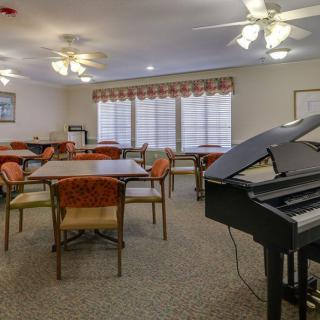
- The piano player demonstrated versatile, skillful performances that resonated with residents.
Cons
 The overall rating is less than two, which speaks for itself.
- The line goes silent when someone calls, with no formal greeting or information.
- They were told to speak with the office manager, but the reply was simply "the office manager."
- Even after a second attempt, a name was given, but it was unclear who answered the phone.
- The place is horrible.
- Some rooms are not livable; the place deserves zero stars.
- The facility is trash and dirty, residents are controlled, and the food is nasty.
- The facility needs new upper management; someone who cares is needed.
Review
This community is best suited for families in Warrensburg and surrounding areas who have few alternative options and are prepared to act as vigilant advocates. The cost-conscious reality here appears to trump consistent attention to care, so a loved one placed at Johnson County Care Center will likely need ongoing family involvement to monitor daily routines, cleanliness, and meals. In practice, the facility demands proactive oversight to avoid the most troubling patterns described by multiple reviewers, many of whom warn that without regular family engagement, risks of neglect or subpar treatment rise noticeably.
Those considering alternatives should take a hard look at facilities with demonstrably stronger leadership, transparent communication, and consistently clean environments. Reviewers flag a worrying gap in front-desk responsiveness and information-sharing, plus a pattern of staff attitudes described as rude or under-supported. Leadership concerns emerge repeatedly, with accounts of a DON perceived as disengaged. For families that prioritize reliable, respectful communication, timely responses, and a consistently clean, comfortable living space, other options may deliver far more dependable peace of mind.
On balance, the limited positives do little to offset the weight of the major drawbacks. A piano player drawing residents together and moments when staff members were welcoming to visitors hint at pockets of warmth and social interaction that can matter. For families willing to supplement care with regular visits and social engagement, these bright spots may offer meaningful moments of connection. However, such advantages are fragile and highly dependent on individual staff members and occasional events, not the facility’s everyday operating standard.
The core cons are repeatedly described in stark terms: rooms that feel unlivable, meals that fail to meet basic expectations, and a facility culture that appears slow to respond to urgent resident needs. Observations of rust, cleanliness issues, and inadequate shower upkeep point to ongoing maintenance problems that compromise comfort and dignity. Communication breakdowns, silent phone lines, lack of greetings, and scant information when questions arise, create dangerous uncertainty for families trying to manage care. Taken together, these factors erode trust in daily operations and raise legitimate questions about safety and quality of life for residents.
For families weighing a placement here, a disciplined due-diligence process is essential. Demand a candid tour of living spaces, common areas, and bathrooms; review housekeeping schedules and quality of meals; and insist on transparent staffing data, including day and night ratios and turnover. Speak directly with current residents and their families about responsiveness, safety, and overall satisfaction. Compare these findings with nearby options to determine whether another community can offer more consistent care, better meals, and a more hopeful social environment without requiring constant, intensive advocacy.
In the end, Johnson County Care Center reads as a high-risk choice that demands substantial family leadership to prevent deterioration in care and quality of life. The sparse positives do not meaningfully counter the widespread concerns unless a family is prepared to dedicate time, advocacy, and regular oversight. For anyone with flexibility, exploring alternatives that provide stronger governance, cleaner facilities, reliable nourishment, and a resident-centered culture will yield markedly more predictable, dignified outcomes. If staying two steps ahead of issues is not feasible, set clear improvement milestones and secure contingency plans to protect a loved one’s safety and well-being.
 87 resident community capacity
 Skilled Nursing Facility
 Air-conditioning
 Beauty salon
 Cable or satellite TV
 Computer center
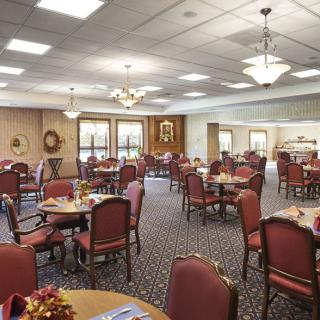
 Dining room
 Fitness room
 Fully furnished
 Gaming room
 Garden
 Housekeeping services
 Kitchenette
 Move-in coordination
 Outdoor space
 Private bathrooms
 Restaurant-style dining
 Small library
 Telephone
 Wellness center
 Wi-Fi/high-speed internet available
 Community operated transportation
 24-hour call system
 Activities of daily living assistance
 Assistance with bathing
 Assistance with dressing
 Assistance with transfers
 Diabetes diet
 Medication management
 Special dietary restrictions
 Concierge services
 Planned day trips




 Nurturing Our Loved Ones: A Daughter's Journey in Caring for Her Mother
 Nurturing Our Elders: Linda's Journey of Supporting Her Mother
 A Comprehensive Exploration of Common Misunderstandings about Powers of Attorney