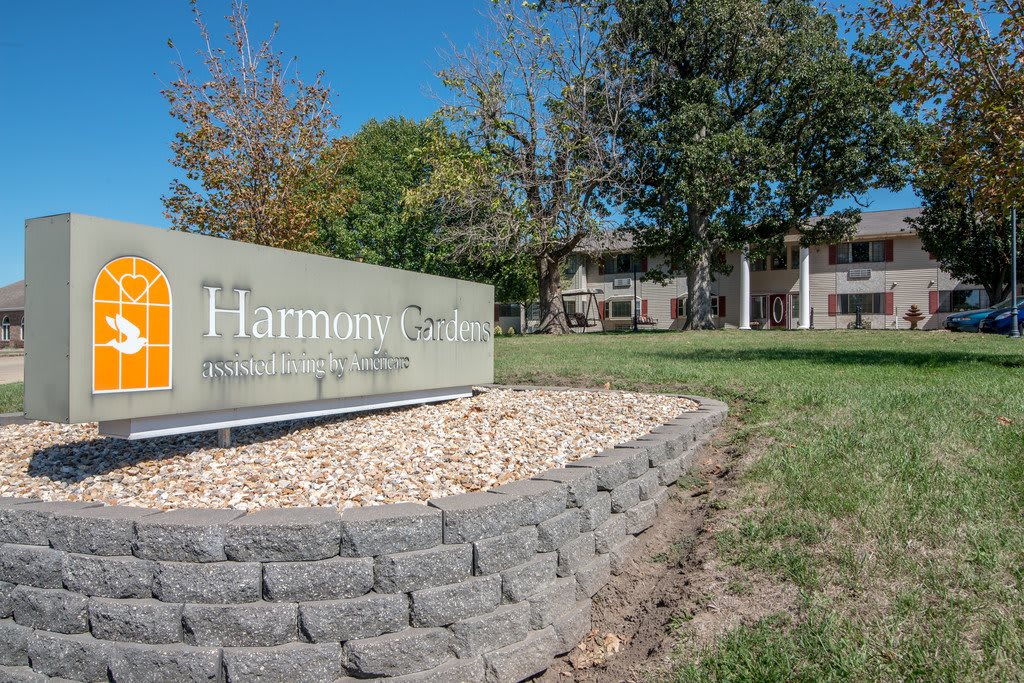




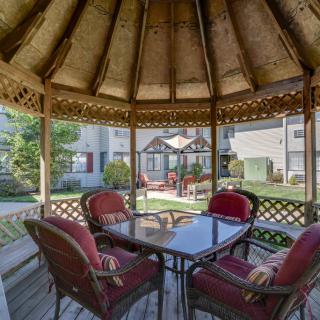
503 Burkarth Road, Warrensburg, MO 64093
For more information about senior living options: (866) 208-4318

Harmony Gardens Costs & Pricing
At Harmony Gardens, the monthly costs for various room types reflect a competitive pricing structure compared to both Johnson County and the broader state of Missouri. For studios, residents can expect to pay between $2,900 and $3,968, which is slightly higher than both Johnson County's average of $2,578 and Missouri's average of $3,418. Semi-private rooms are priced similarly at Harmony Gardens, ranging from $2,900 to $3,038 - this is actually more affordable than Johnson County's rate of $3,046 but still trails behind Missouri's average of $3,772. One-bedroom accommodations are offered at a fixed cost of $4,247; this price falls below Johnson County's rate of $4,761 while significantly undercuts Missouri's average of $3,349. Finally, for those seeking more space with two bedrooms, Harmony Gardens sets its prices between $5,400 and $6,820 - these figures are considerably lower than Johnson County's average of $7,753 but above Missouri's average of $3,675. Overall, Harmony Gardens provides a range of options that cater to varying budgets while remaining competitive within the local market landscape.
| Floor plans | Harmony Gardens | Johnson County | Missouri |
|---|---|---|---|
| Studio | $2,900 to $3,968 | $2,578 | $3,418 |
| Semi-Private | $2,900 to $3,038 | $3,046 | $3,772 |
| 1 Bedroom | $4,247 | $4,761 | $3,349 |
| 2 Bedrooms | $5,400 to $6,820 | $7,753 | $3,675 |
Overall Review of Harmony Gardens
Pros
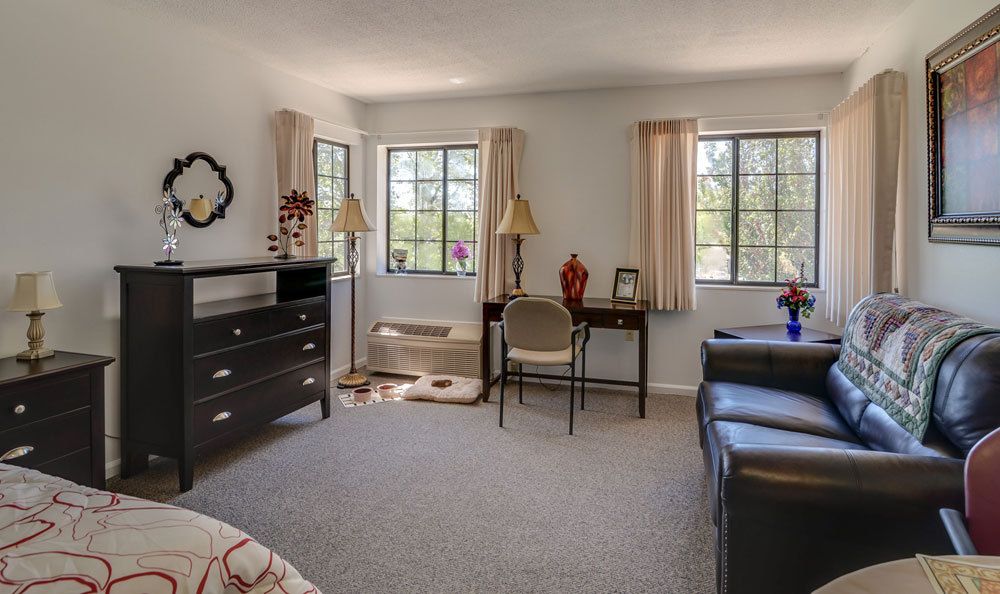
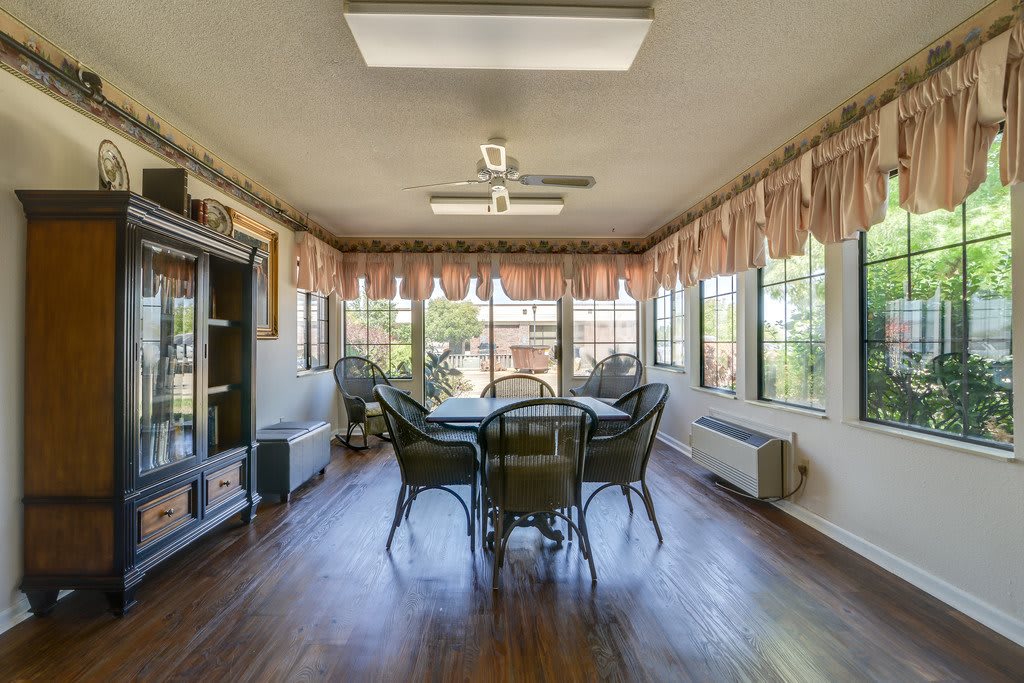
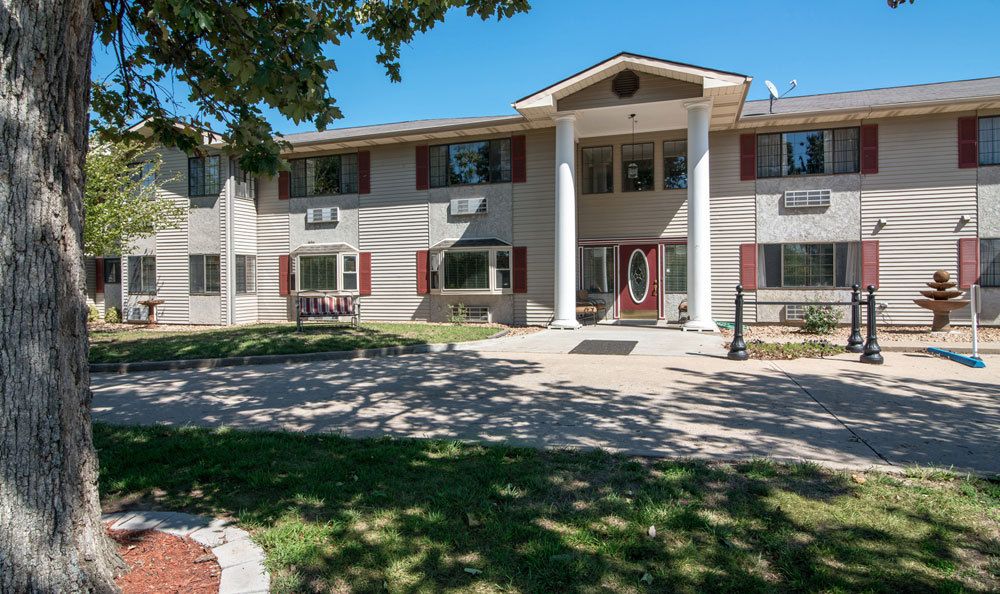
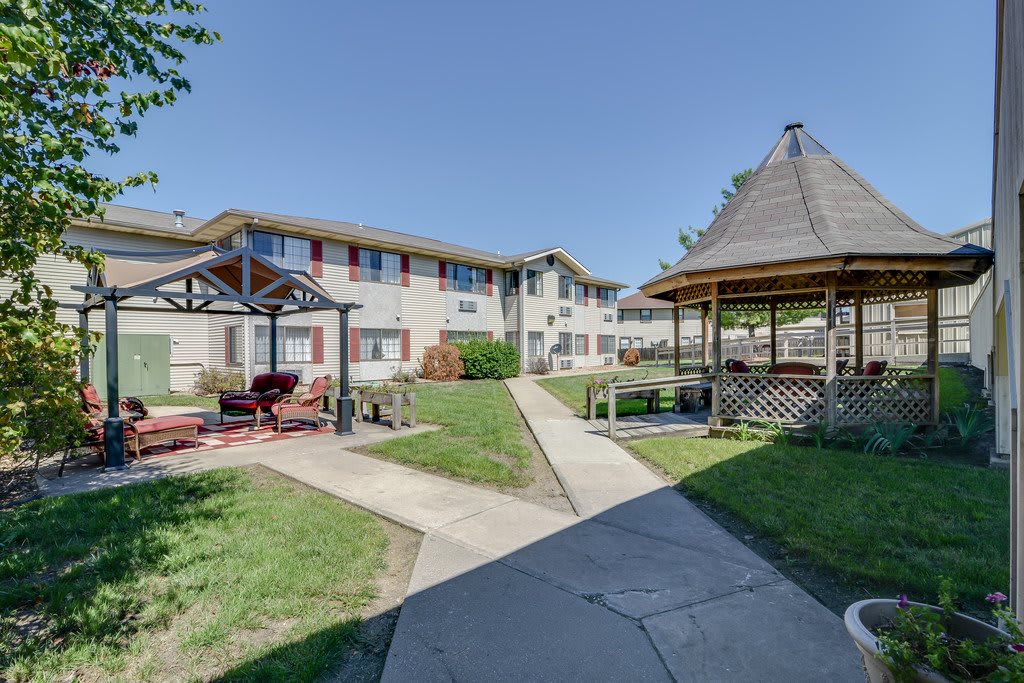
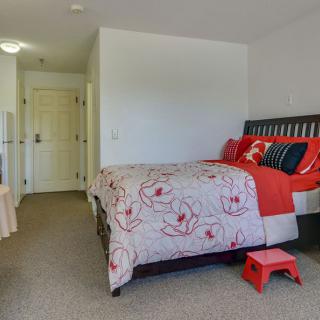
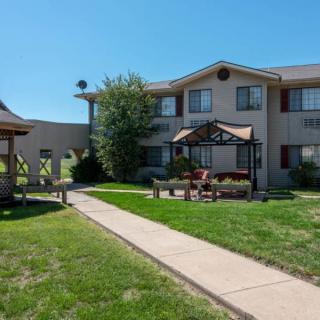
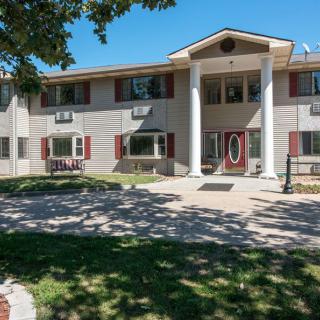
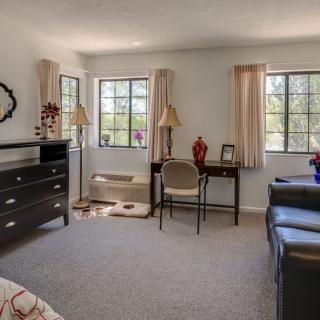
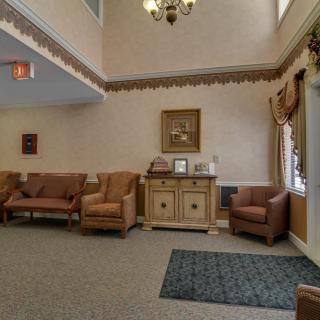
 The facility is beautiful.
- The activities are age-appropriate and engaging.
- The food is nutritious and varied.
- Many employees are kind and work diligently to make a difference.
- The staff are professional, knowledgeable, and informative.
- The facility is very clean and well maintained.
- The staff work together for the best interests of the residents.
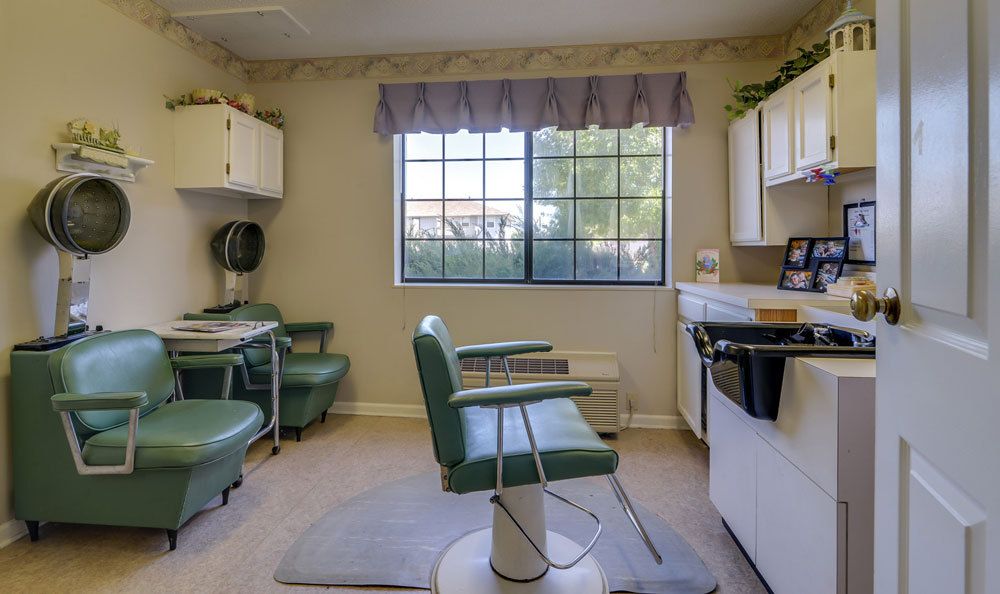
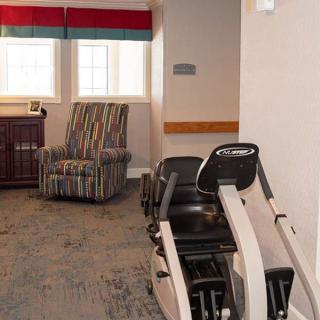
- The community offers amenities such as an exercise room, beauty shop, laundromat, meeting space, and a spa.
- Care is excellent, and the community is beautiful.
- Some local doctors even make house calls.
- The environment is bright, cheery, and friendly.
- The community is highly recommended.
Cons
 The reviewer asserts that mom is viewed as a free-loading guest in someone else's house and must mind her manners, watch herself closely, and keep questions to herself.
- The reviewer believes that more staff need to be hired to facilitate prompt attention to residents' needs and concerns.
- The reviewer thinks there should be more training in behavioral intervention techniques for the elderly provided to staff, including the nursing director and the administrator.
Review
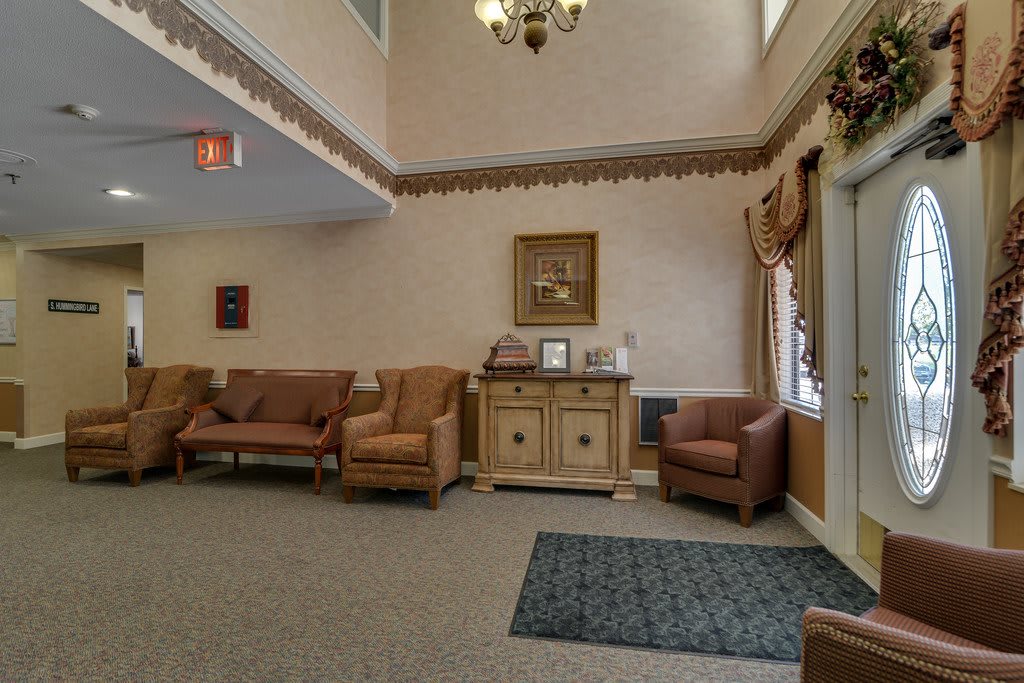
Harmony Gardens in Warrensburg, MO is best suited for families seeking a lively, well-rounded assisted living experience where social programming, nutritious meals, and integrated care come together in a clean, secure setting. The community excels for residents who value daily structure, ongoing activities, and a cohesive care team that coordinates meals, transportation, and medical appointments. It is especially apt for someone who wants a polished campus with on-site amenities and a genuine emphasis on keeping residents engaged, sociable, and supported throughout the day.
Those who may want to consider alternatives are residents with higher-acuity needs or memory-care requirements that go beyond enhanced-level 2 assisted living. The reviews flag that staffing levels can lag at times, and behavioral intervention training could be stronger, which can matter for residents who require more intensive, specialized support. Budget-conscious families may also pause here, as the monthly cost tends to be around $4,300 and sharp deviations from that mark could push families toward other options. Finally, leadership turnover, though not uncommon in the industry, can create uncertainty about consistency in policy and day-to-day responsiveness.
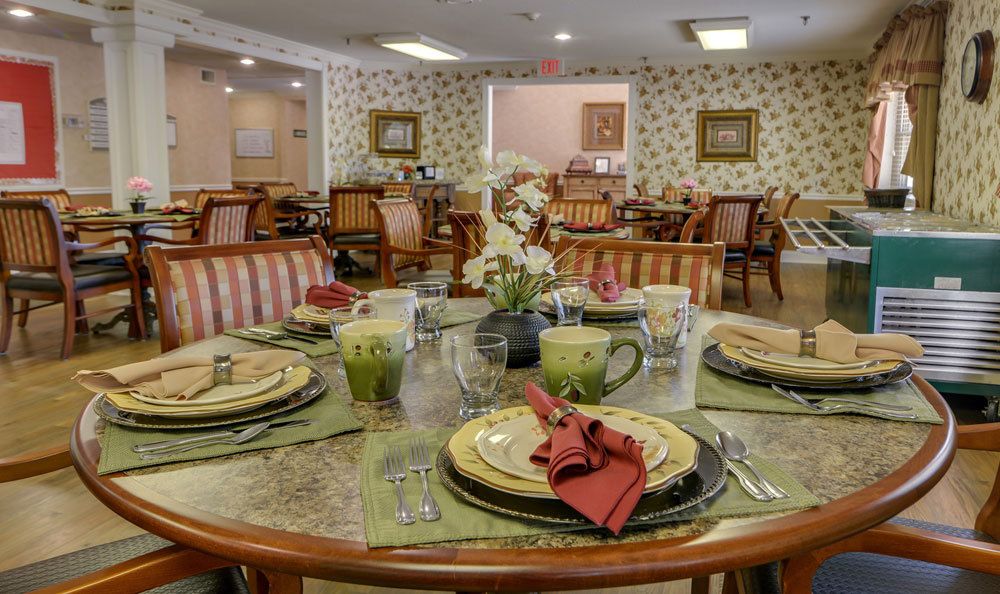
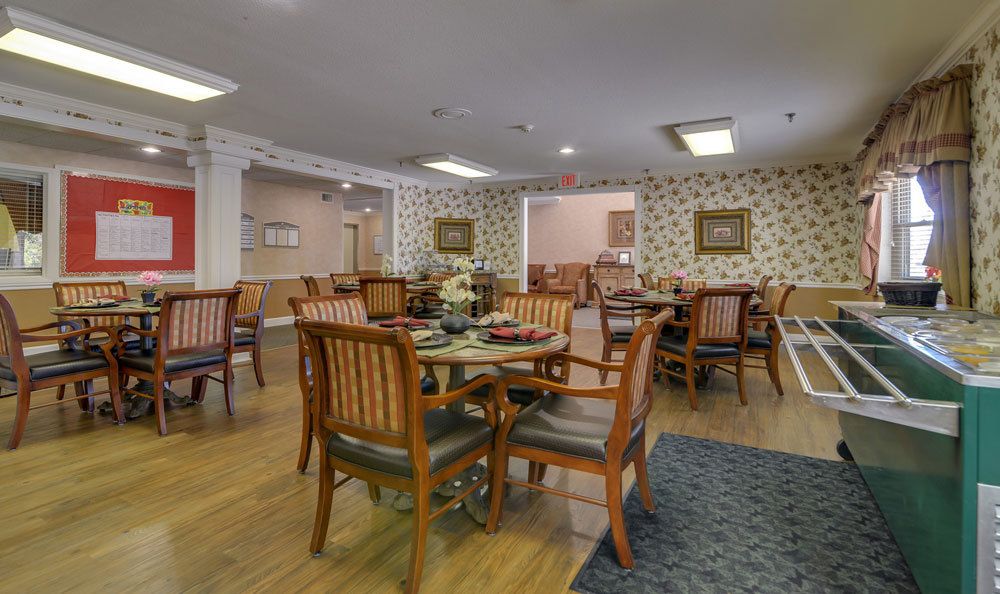
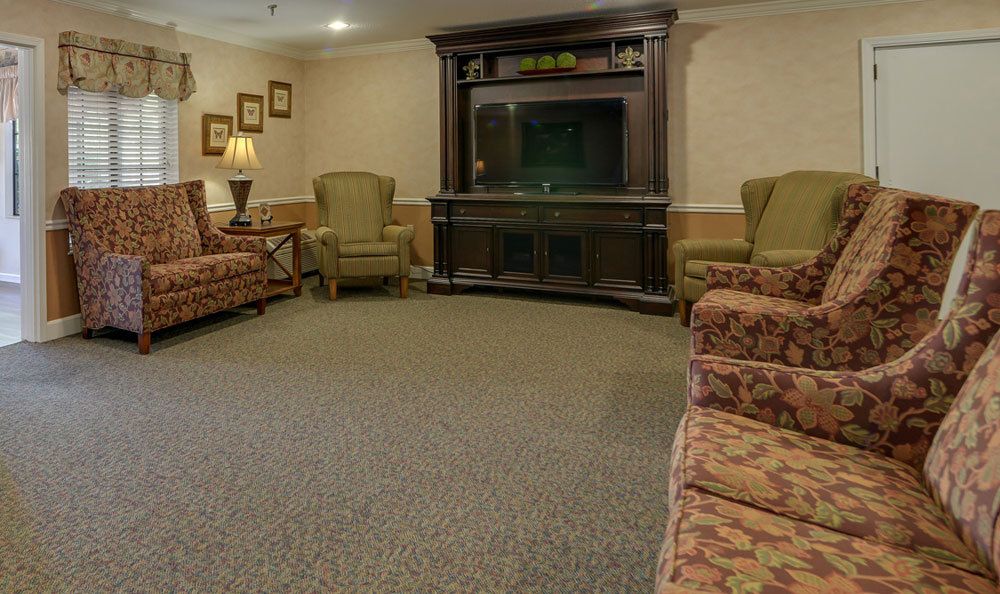
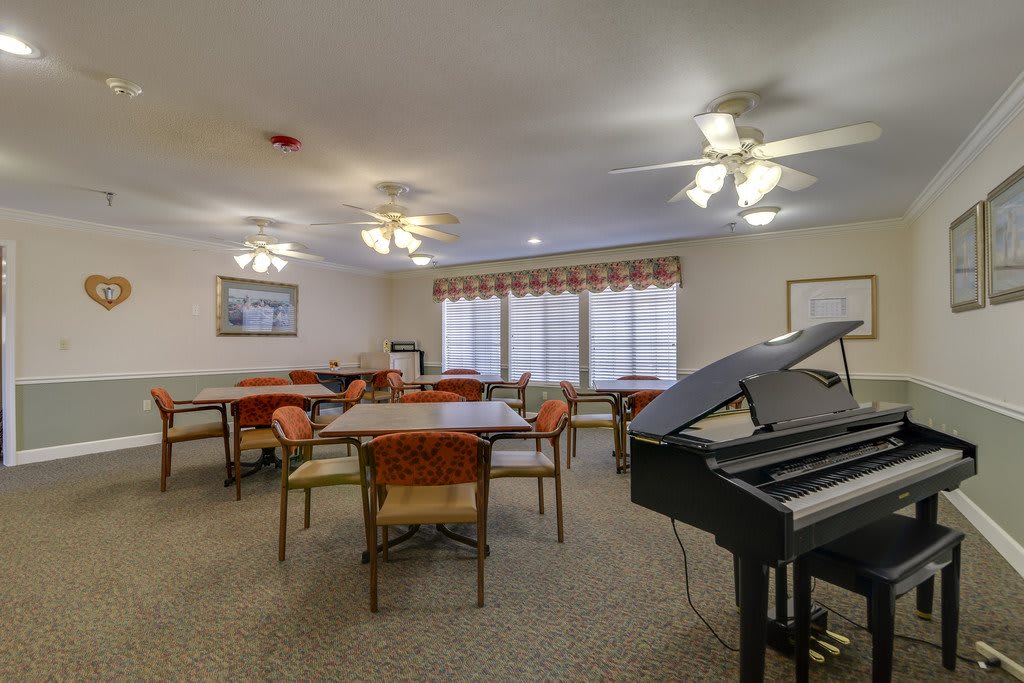
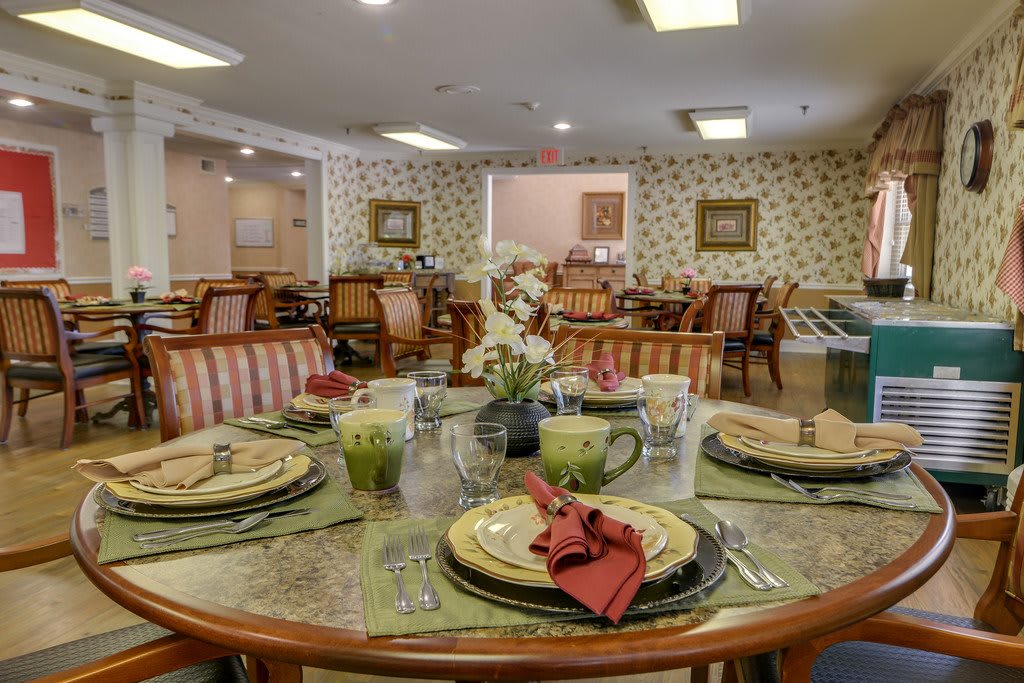
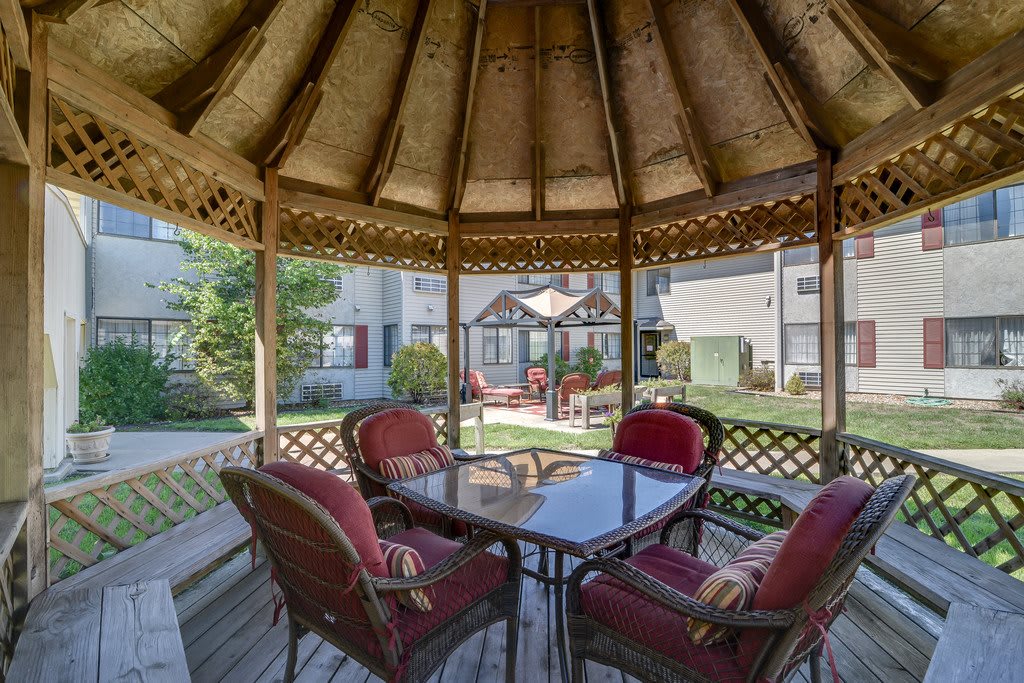
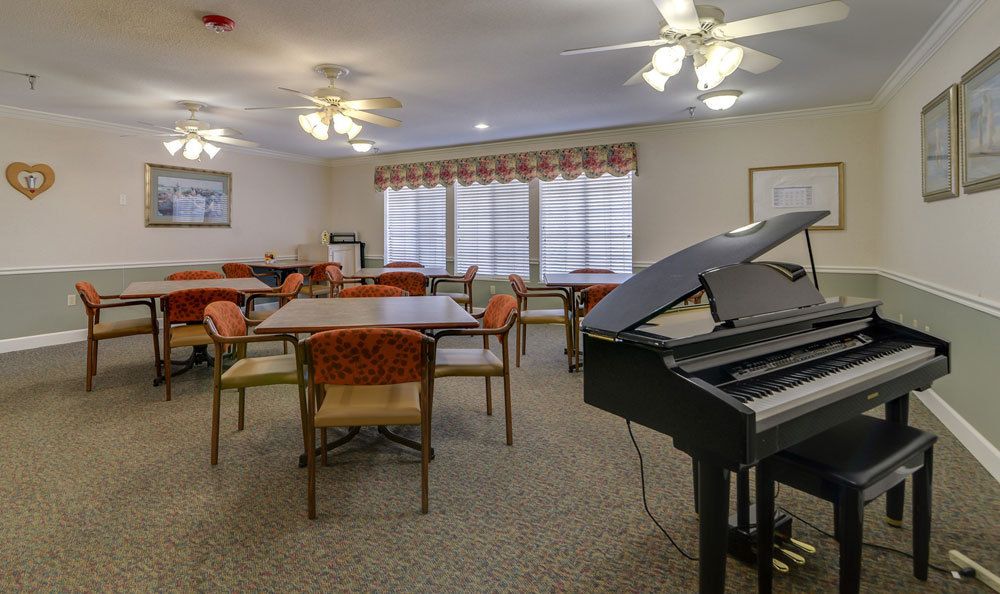
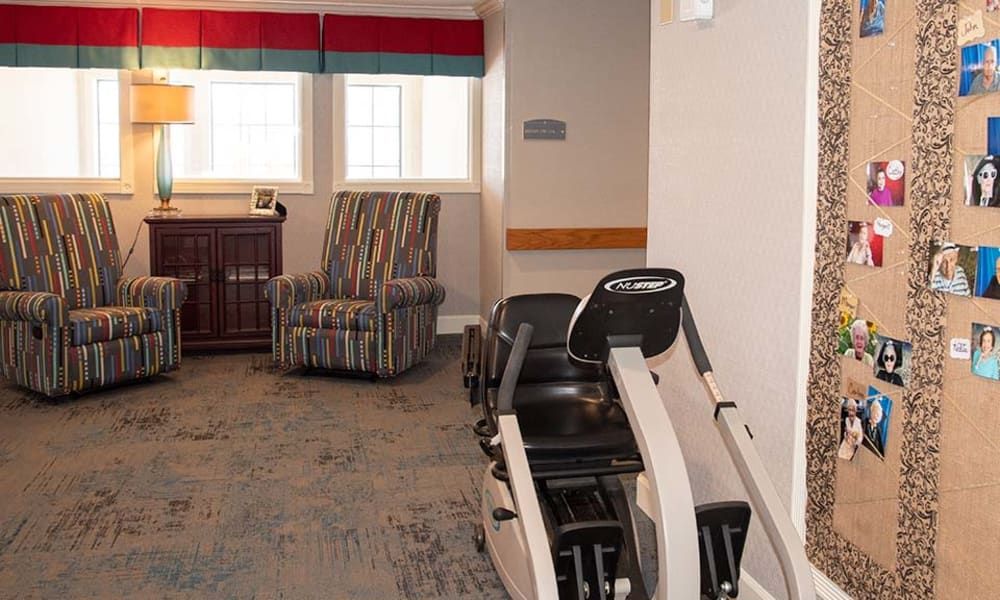
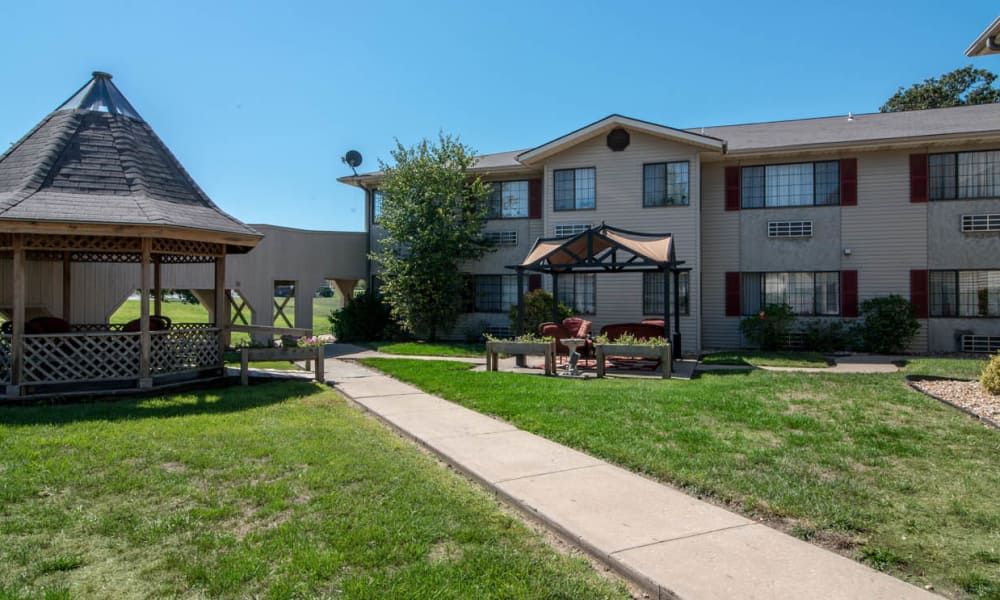
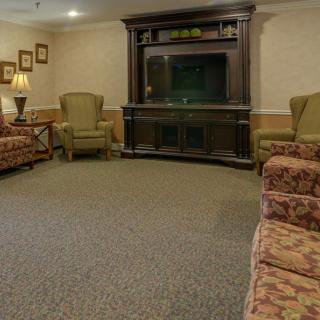
The strongest positives at Harmony Gardens are its attractive, recently refreshed environment, the quality and variety of meals, and a robust calendar of activities that keeps residents socially and physically engaged. The campus offers an exercise room, beauty shop, laundromat, spa, and a comfortable gathering space that can feel like a homey club lounge. The care crew is repeatedly described as kind, capable, and collaborative, with staff who actively ensure residents attend meals, receive trays when ill, accompany them to doctor visits, and participate in outings. In many accounts, staff excellence translates into reliable day-to-day support, which can make a meaningful difference in quality of life.
Yet the key drawbacks cannot be ignored when weighing Harmony Gardens. Staffing, while capable, is sometimes stretched, which can affect response times and attention to individual concerns. The need for more targeted training in behavioral interventions suggests that some residents may experience slower de-escalation or less proactive management of challenging behaviors. The perception voiced by one family that a resident is treated as a “guest in someone else’s house” underscores a potential gap in feeling fully respected and empowered within the community. The facility’s age profile and the leadership changes, administration and nursing director have moved on in the recent period, introduce a real consideration about continuity of vision and consistent execution of policies.
From a value perspective, the price point is meaningful: Harmony Gardens combines on-site care, regular social programming, and medical coordination that can justify the expense for families seeking comprehensive support without moving to skilled nursing. The presence of doctors who make house calls and the proactive involvement of the care team in meals and appointments are meaningful differentiators. Still, the price must be weighed against the reliability of staffing levels and the stability of leadership, because those factors directly influence consistency in care and responsiveness. In short, the pros deliver a high-quality, enriched living experience, but they hinge on staffing continuity and sustained leadership that can translate into dependable, personalized attention.
For families evaluating Harmony Gardens, a practical approach is essential. Verify the current leadership team and ask about recent changes, then probe staffing ratios during peak hours and the specific training programs in behavioral management. Request concrete examples of how care plans are coordinated across meals, activities, and medical visits, and seek recent resident feedback on response times and staff consistency. Assess whether the secure, campus-style environment aligns with the resident’s preferences for independence and social engagement, and contrast the price with nearby options that match a similar level of programming and care. If memory care or higher-acuity support is anticipated, or if a smaller, more intimate setting is preferred, alternatives may offer greater peace of mind.
Harmony Gardens stands as a solid, experienced choice for families prioritizing a well-rounded assisted living experience with strong social adoption, good nutrition, and integrated care. The combination of a bright, remodeled environment, an active activity slate, and a care team that genuinely engages with residents creates substantial value for those who can navigate occasional staffing gaps and leadership transitions. When those realities are acknowledged and addressed through clear, current information and a candid visit, Harmony Gardens can be a compelling match for a resident who wants reliable companionship, accessible medical coordination, and a respectful, engaged daily routine.
 62 resident community capacity
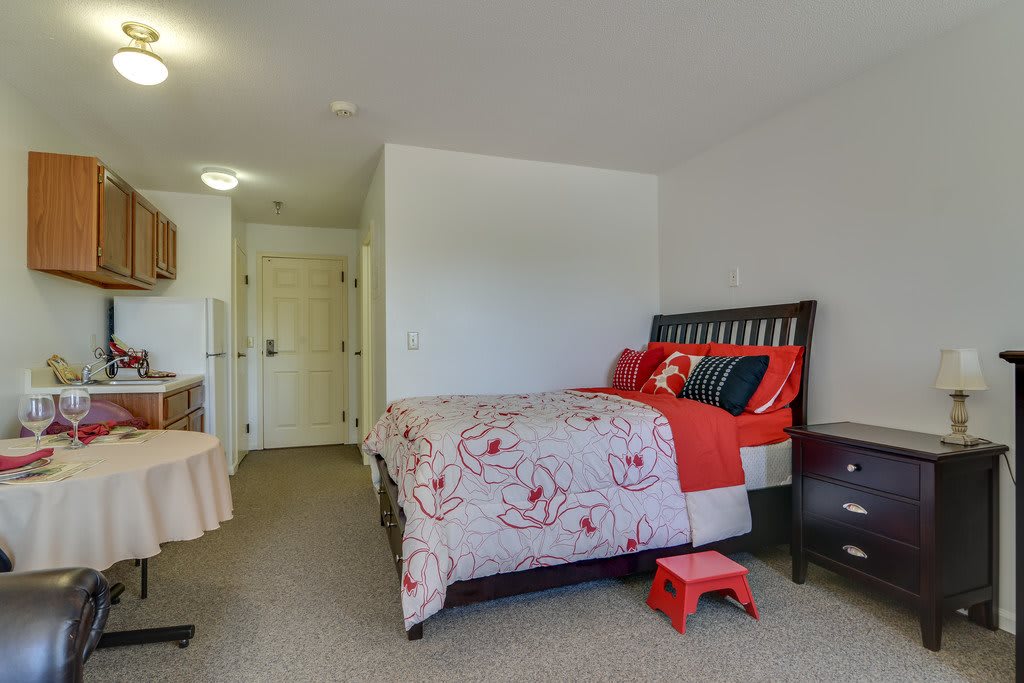
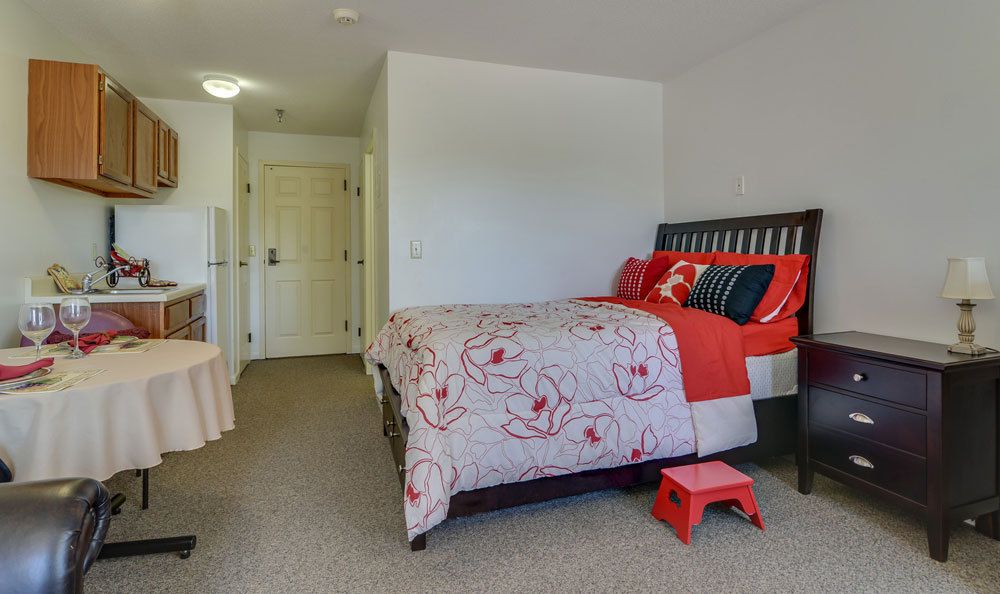
 Studio apartments
 Assisted Living
 Day Program
 Respite Care
 Skilled Nursing Facility
 Cats allowed
 Dogs allowed
 Air-conditioning
 Beautician on-site
 Cable or satellite TV
 Computer center
 Devotional services on-site
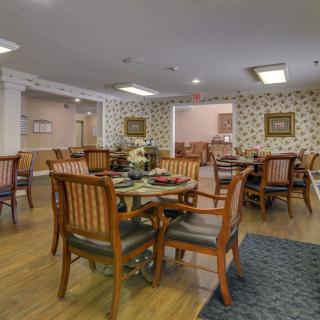
 Dining room
 Fitness room
 Fully furnished
 Gaming room
 Garden
 Ground floor units
 Handicap accessible
 Housekeeping services
 Indoor common areas
 Kitchenette
 Move-in coordination
 Outdoor common areas
 Overnight guests
 Party space
 Private bathrooms
 Resident parking
 Restaurant-style dining
 Small library
 Telephone
 VA Benefits Consultation
 Wellness center
 Wheelchair accessible showers
 Wi-Fi/high-speed internet available
 Community operated transportation
 12-16 hour nursing
 24-hour call system
 Ambulatory care
 Assistance with bathing
 Assistance with dressing
 Assistance with transfers
 Diabetes diet
 Diabetic care
 Medication management
 Mental wellness program
 Physical therapy
 Special dietary restrictions
 Transportation arrangement (medical)
 Art classes
 Bible study group
 Concierge services
 Cooking classes
 Day trips and outings
 Educational speakers / life long learning
 Wine tasting
 English





 8 Key Indicators That Suggest It May Be Time to Transition from Assisted Living to Skilled Nursing Care
 Vibrant Senior Living: A Comprehensive Guide for Active Older Adults
 When to Transition from Assisted Living to Memory Care: Key Indicators, Steps, and Finding the Right Community