For more information about senior living options: (866) 208-4318
3.6 from 45 reviews
5 stars
28
4 stars
0
3 stars
1
2 stars
1
1 stars
15
Overall Review of Westwood Hills Health & Rehabilitation Center
common10 reviews mention this
Caregivers are described as kind
Many residents describe caregivers as respectful and attentive.
A number of reviewers say the staff treats residents with respect and compassion. Several also mention that caregivers respond quickly to needs, keep families informed, and handle questions without brushing them off. A few reviews specifically highlight knowledgeable nursing staff and the way aides engage residents.
common5 reviews mention this
Rooms are kept clean
Several families praise spotless rooms and housekeeping.
Multiple reviewers mention that rooms are very clean or kept spotless, and they point to housekeeping taking good care of day-to-day appearance. One review also calls out the facility being cleanest and another describes it as well decorated. At the same time, at least one reviewer reports the rooms feel run down and worn out, including issues with showers.
common3 reviews mention this
Activities help residents stay engaged
Residents and families mention regular activities and shared spaces.
Some reviewers say the community offers activities that encourage social time and thinking skills. Others specifically call out that there are a lot of activities and a large day room where families can gather. One review also frames the environment as feeling more like a family during lockdown, which ties to engagement and companionship.
common5 reviews mention this
Rehabilitation therapy is a plus
Therapy is repeatedly described as helping residents recover.
Several reviews mention physical therapy as a standout part of rehab, including descriptions of therapy being amazing or tremendous. A couple of families say their loved ones were stronger after therapy and were working toward going home. However, at least one reviewer reports medication or care issues during a therapy-related stay, which affected their experience despite the rehab intent.
caveat12 reviews mention this
Staffing and supervision concerns recur
Multiple reviews describe inadequate care, neglect, or poor supervision.
Many negative reviews point to short staffing, missed care, and lack of help when residents needed assistance. Several describe medication problems, delayed or incorrect treatment, or residents left in unsafe situations such as being left on equipment or unattended. A few reviews also mention weak communication with families and concerns around discharge planning, including referrals.
How we summarize
Counts show how many written reviews mention each theme; a review can touch several themes, and only frequently mentioned themes are displayed.
Features
Housing
132 resident community capacity
Types of Care
Skilled Nursing Facility
Amenities
Air-conditioning
Beauty salon
Cable or satellite TV
Computer center
Dining room
Fitness room
Fully furnished
Gaming room
Garden
Housekeeping services
Kitchenette
Move-in coordination
Outdoor space
Private bathrooms
Restaurant-style dining
Small library
Telephone
Wellness center
Wi-Fi/high-speed internet available
Transportation
Community operated transportation
Transportation arrangement
Care Services
24-hour call system
24-hour supervision
Activities of daily living assistance
Assistance with bathing
Assistance with dressing
Assistance with transfers
Diabetes diet
Meal preparation and service
Medication management
Special dietary restrictions
Dining
Diabetes diet
Special dietary restrictions
Activities
Community-sponsored activities
Concierge services
Fitness programs
Planned day trips
Resident-run activities
Scheduled daily activities
Nearby Places of Interest
Theaters
AMC Classic Poplar Bluff 8 (0.4 miles)
Places of Worship
Southern Baptist Convention (1.8 miles)
Twin Springs Baptist Church (2.2 miles)
Mt Zion Baptist Church (2.2 miles)
Church of God of Prophecy (2.2 miles)
Memorial Baptist Church (2.6 miles)
General Conference Of Seventh-Day Adventists (2.6 miles)
Walk With God Ministries (2.6 miles)
Physicians
Industrial Medicine Clinic (1.8 miles)
Poplar Bluff Wellness Clinic (3 miles)
Hunter David L MD Blackriver Medical Center (3.1 miles)
Seniors benefit from ride-hailing services like Uber and Lyft, which provide convenient and accessible transportation options that promote independence and social engagement, while addressing mobility challenges. These platforms have adapted to meet senior needs with user-friendly features and safety measures, although costs can be a concern; community programs may help subsidize rides for older adults.
The guide outlines the eligibility criteria for home health care services, emphasizing clinical requirements, insurance options, and application processes. It distinguishes between Medicare's strict and Medicaid's flexible qualifications while addressing challenges families may face in securing necessary care at home.
Elder abuse affects many older adults worldwide and includes physical, emotional, neglectful, and financial harm, with about one in six individuals over 60 experiencing abuse annually. Prevention and intervention strategies focus on awareness, support for caregivers, and mandatory reporting, while recovery necessitates comprehensive support for both physical and emotional needs.
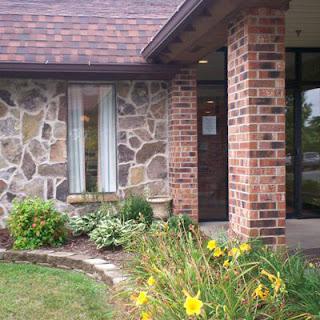
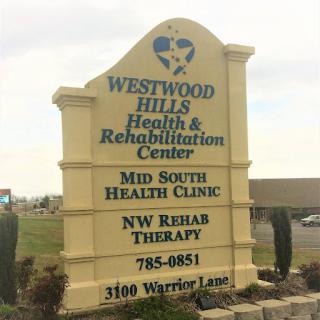
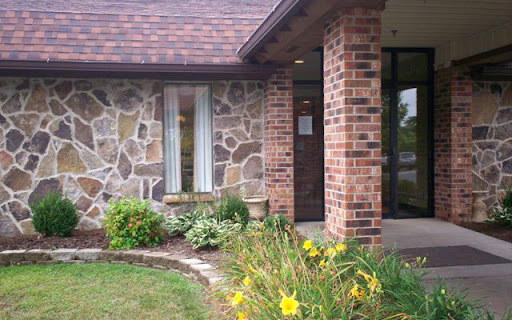
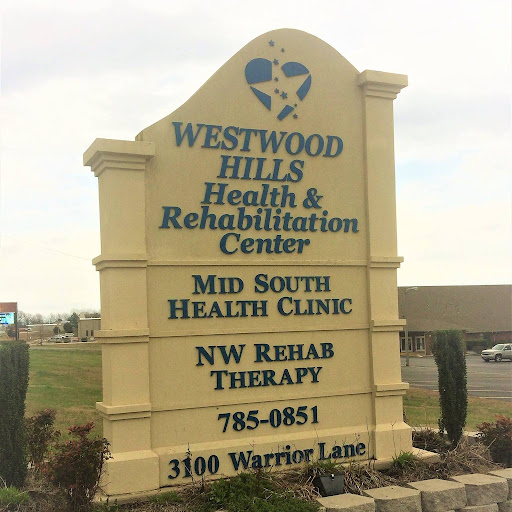
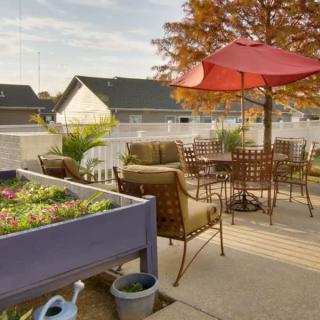
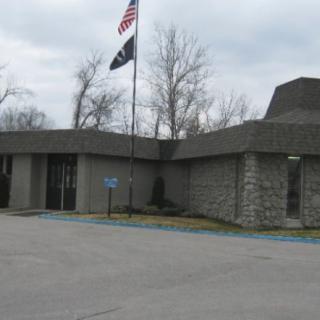
Westwood Hills Health & Rehabilitation Center photos
×
Building
Rehabilitation
Landscaping, Building, Exterior, and Stone Wall
Rehabilitation
Get PricingAsk A QuestionSchedule A TourContact Senior Advisor
By clicking submit, you agree to our Partner's Terms of Use. You
also consent to receive calls and texts, which may be autodialed, from our Partner. Your consent is not a condition to
using our Partner's service. Please visit our Partner's Privacy Policy for information about their privacy practices.

 132 resident community capacity
 Skilled Nursing Facility
 Air-conditioning
 Beauty salon
 Cable or satellite TV
 Computer center
 Dining room
 Fitness room
 Fully furnished
 Gaming room
 Garden
 Housekeeping services
 Kitchenette
 Move-in coordination
 Outdoor space
 Private bathrooms
 Restaurant-style dining
 Small library
 Telephone
 Wellness center
 Wi-Fi/high-speed internet available
 Community operated transportation
 24-hour call system
 Activities of daily living assistance
 Assistance with bathing
 Assistance with dressing
 Assistance with transfers
 Diabetes diet
 Medication management
 Special dietary restrictions
 Concierge services
 Planned day trips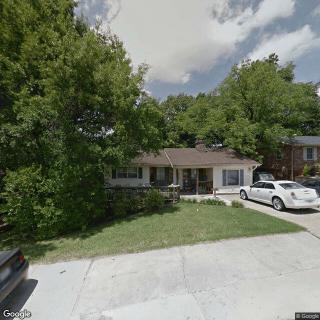
 Warm, resident-focused community offering multiple care options (assisted living, board-and-care, independent living) with comprehensive amenities.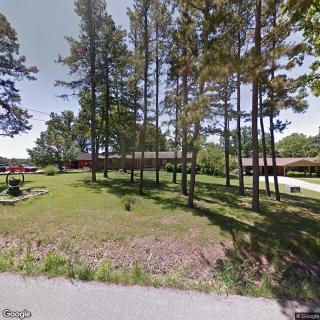


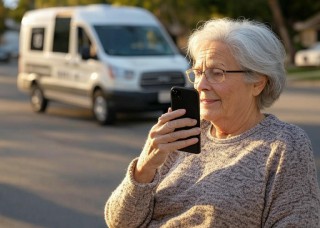 Seniors and Modern Transportation: Exploring Uber, Lyft, and Other Ride-Hailing Options
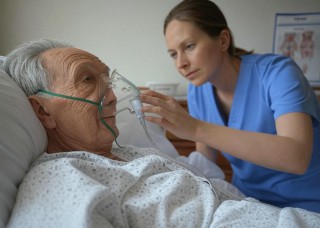 Comprehensive Guide to Qualifying for Home Health Care Services
 Powerful Realities of Elder Abuse and the Most Effective Ways to Report It