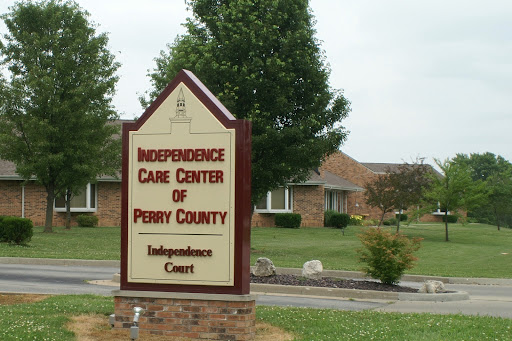










800 South Kings Highway, Perryville, MO 63775
For more information about senior living options: (866) 208-4318
Overall Review of Independence Care Center Of Perry County
Pros
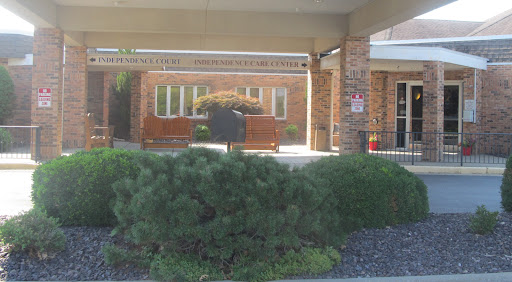
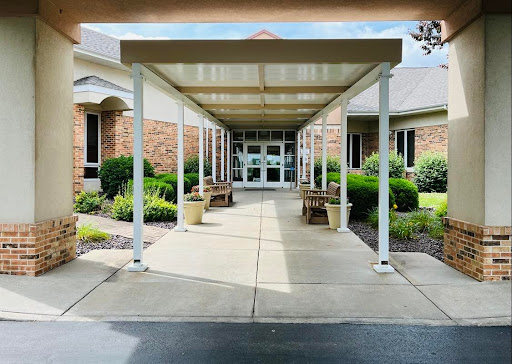
 The facility is very clean and well maintained.
- The staff are mostly nice and helpful.
- It is described as the best nursing home in town.
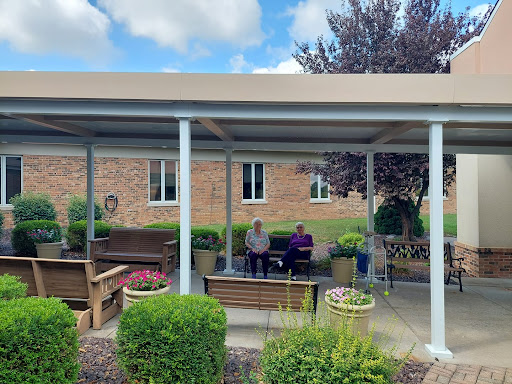
- The residents appear happy and well cared for.
- The advocates and the residents they serve are highly regarded for their dedication.
- Staff members show warmth and form close bonds with residents, such as Roger.
- The atmosphere is comforting and orderly.
Cons
 The facility is extremely abusive to residents.
- Nurses and aides abuse residents and do not take proper care of them, even when they are dying on hospice.
- Residents are forced to participate in activities and meals against their will.
- Aides have slung and tossed residents around like they aren’t human.
- The place is awful and should not be trusted to care for a family member.
- Some nurses gossip instead of doing their jobs.
- Residents on hospice are ignored if they are bedridden.
Review
Independence Care Center Of Perry County in Perryville, MO is best suited for families who can maintain vigilant oversight and who prize a clean, orderly living environment with visible opportunities for social engagement. The campus presents itself as well-kept and organized, and at least some staff members are described as genuinely caring and affectionate toward residents. An advocacy network associated with the residents adds a protective layer, which can be reassuring for families who intend to stay closely involved and able to monitor daily interactions. In short, this community can work for families that want a tidy setting and are prepared to actively advocate and intervene when needed.
That said, serious caveats should direct any decision toward alternatives for residents who require consistently humane, abuse-free care and a transparent, well-enforced safeguarding culture. Several reviews accuse aides and other staff of abusive behavior, with claims that residents are mistreated or forced to participate in activities and meals against their will. Families with loved ones who are hospice-bound, medically fragile, or prone to agitation may find these patterns especially concerning, given reports that some residents on hospice are ignored or mishandled. For anyone unable or unwilling to pursue rapid, frequent oversight, exploring other options is prudent.
On the upside, the facility earns positive marks for cleanliness, order, and the overall appearance of care. A number of reviewers describe residents as well groomed, well-shaven, and neatly dressed, and some staff interactions are described as warm and supportive, enough to create moments of comfort and connection. The presence of long-standing staff who take time with certain residents and the sense that some caregivers build genuine bonds can translate into meaningful daily moments for individuals with minimal-to-moderate care needs. These strengths matter when choosing a place that will become a daily home.
Yet the negatives are persistent and weigh heavily in the balance. The most powerful red flags revolve around alleged abuse and disrespectful treatment: accounts of residents being tossed or handled without dignity, staff aggression directed at people who are frail or actively receiving hospice services, and management responses that appear either slow or insufficient. Gossiping among nurses, inconsistent levels of attention, and a perception that some residents’ requests are met with impatience or anger contribute to an uneven care climate. Taken together, these reports suggest a facility where care quality can be highly variable, hinging on which staff are on shift and how closely families monitor daily routines.
For families weighing a purchase decision, a practical path is essential. If this community is under serious consideration, plan to conduct multiple in-person visits at different times to observe interactions with residents across activities, meals, and personal care. Request to speak with the administrator and the director of nursing about safeguarding procedures, incident reporting, and staff training on dignity and palliative care. Review state inspection records, staffing ratios, and any recent corrective action plans. Prepare a candid checklist of non-negotiables, consistent compassionate care, timely response to requests, and transparent grievance handling, and verify how the facility would implement them in real life. Compare with other local options that demonstrate stronger, verifiable abuse-prevention cultures.
The bottom line is clear. Cleanliness and a handful of compassionate staff can make Independence Care Center Of Perry County feel welcoming on a first impression, but the breadth and seriousness of abuse allegations presented in multiple reviews cannot be dismissed. If safety, consistent humane treatment, and reliable accountability are non-negotiables, this community warrants very careful scrutiny or should be set aside in favor of facilities with stronger safeguards and more uniform staff performance. For families willing to invest in rigorous oversight and rapid escalation when concerns arise, it may be worth a targeted visit; for most, however, exploring alternatives with demonstrable commitment to resident dignity and consistent care is the wiser course.
 133 resident community capacity
 Skilled Nursing Facility
 Air-conditioning
 Beauty salon
 Cable or satellite TV
 Computer center
 Dining room
 Fitness room
 Fully furnished
 Gaming room
 Garden
 Housekeeping services
 Kitchenette
 Move-in coordination
 Outdoor space
 Private bathrooms
 Restaurant-style dining
 Small library
 Telephone
 Wellness center
 Wi-Fi/high-speed internet available
 Community operated transportation
 24-hour call system
 Activities of daily living assistance
 Assistance with bathing
 Assistance with dressing
 Assistance with transfers
 Diabetes diet
 Medication management
 Special dietary restrictions
 Concierge services
 Planned day trips






 Powerful Realities of Elder Abuse and the Most Effective Ways to Report It
 Ten Vital Duties of a Senior Caregiver: A Comprehensive Guide
 9 Stimulating Memory Activities for Seniors: Puzzles, Cards, and Much More