Independence Court in Perryville, MO

Save
Independence Court

Independence Court in Perryville, MO

Information last verified:

121 Independence Drive, Perryville, MO 63775

For more information about senior living options: (844) 490-3973

2.3 from 3 reviews
5 stars
1
4 stars
0
3 stars
0
2 stars
0
1 stars
2

Overall Review of Independence Court

Pros

  • pro The reviewer is very satisfied with moving here in July 2005.
  • pro The reviewer plans to stay here as long as they can.

Cons

  • pro They faced a power outage for days and had to endure 100-degree heat for relatives with no power.
  • pro Casey did not return calls promptly, leaving them on hold for hours with voicemail during an emergency.
  • pro They couldn’t get timely assistance and planned to call elsewhere the next day.
  • pro There was a lack of enough staff to care for the patients.
  • pro The mom fell seven times in 11 days, and the last fall caused a fatal head injury less than three weeks later, highlighting the need for more staff.

Review

Independence Court in Perryville, MO appears best suited for seniors who want to maintain independence in a familiar, low-maintenance environment and can function without heavy daily caregiving needs. One resident's long-tenured positive experience suggests the community can be a stable home for someone who can live largely without constant supervision. For families seeking a venue where residents are not continually monitored or assisted, and where routine routines provide continuity, this facility may feel comfortable. The central message is: if independence is the core aim and medical or daily care needs are light, Independence Court can deliver, but only for a subset of seniors.

Those evaluating options should explicitly consider alternatives if ongoing care needs are high or if safety and rapid response are non-negotiables. The most troubling themes from the available feedback center on staffing adequacy and safety oversight. With reported staffing shortages, families should anticipate slower assistance, less proactive monitoring, and a heightened risk of unattended incidents. When a loved one is at risk of falls or requires timely intervention, a facility with stronger caregiving coverage and a more robust clinical presence becomes a practical prerequisite. In short, any family facing chronic care needs or who cannot tolerate delayed responses should look beyond Independence Court.

The positives at Independence Court, where they exist, do not fully offset the critical drawbacks. A resident’s sustained satisfaction hints at a stable environment that can support independent living and a sense of continuity. However, the dominant concerns, insufficient staff to supervise and respond to residents, and serious safety episodes, undercut the appeal for anyone who cannot safely manage without prompt, attentive care. The contrast between a resident who seems content living independently and reports of multiple falls and a fatal outcome for a relative highlights a fundamental mismatch: the ambiance and routine may appeal, but the care capacity and safety net appear unreliable for those in need of reliable supervision.

Safety and quality of care emerge as the decisive fault lines. Reports of seven falls in 11 days, with the final fall resulting in a broken collarbone and a fatal decline, point to a fragile safety environment when staffing is stretched. The criticism that there is “not enough people to care for the patients” echoes a systemic weakness rather than isolated incidents. A crisis moment, an emergency housing request during a power outage that went unanswered for hours, illustrates a process deficiency that matters deeply to families evaluating risk and contingency planning. Taken together, these threads suggest that risk management at Independence Court may not meet the standards required by families who prioritize dependable safety and rapid assistance.

For families actively evaluating communities, a practical diligence checklist is essential. Inquire about actual staff-to-resident ratios across day and night shifts, turnover rates, and the facility’s protocol for responding to emergencies or urgent care needs. Request concrete data on fall prevention measures, recent incident reports, and any changes implemented after safety concerns. Assess how the community handles power outages, sheltering during disruptions, and temporary stays for residents when family crises arise. Ask to observe a shift handoff to gauge responsiveness and communication clarity, and seek references from current families about day-to-day reliability and long-term safety. A transparent, data-driven answer on these points often distinguishes best-fit options from decisions that carry unanticipated risk.

The bottom line is pragmatic and blunt: Independence Court can be a fit for highly independent seniors who do not require aggressive ongoing caregiving and who can tolerate some variability in staffing. For families whose loved ones need reliable assistance, fall prevention, and a guaranteed safety net, this community warrants serious caution or, more likely, consideration of stronger alternatives. Tour with a prepared checklist, press for specific staffing metrics, and compare with peers that demonstrate steadier caregiver coverage and clearer crisis-response processes. If safety, prompt help, and consistent staffing are non-negotiables, moving on to other options is the prudent course.

Features

Housing

  • 75 resident community capacity 75 resident community capacity

Types of Care

  • Assisted Living Assisted LivingAssisted living facilities provide crucial support and care for seniors who may need help with daily tasks such as medication management, bathing, and meal preparation. These communities offer a safe and comfortable environment where seniors can maintain their independence while receiving the assistance they need to thrive in their golden years.
  • Independent Living Independent LivingIndependent living communities are important for seniors because they offer a safe and supportive environment where older adults can live independently while still having access to amenities and services that enhance their quality of life. These communities provide social opportunities, recreational activities, and assistance with daily tasks, promoting overall well-being and allowing seniors to maintain their independence for as long as possible.

Amenities

  • Activities on-site Activities on-siteActivities on-site are important for seniors because they provide opportunities for socialization, mental stimulation, physical activity, and overall well-being. Engaging in activities can help seniors stay active, maintain their independence, and improve their quality of life.
  • Air-conditioning Air-conditioningAir conditioning is important for seniors as they are more vulnerable to heat-related illnesses and may have underlying health conditions that make it difficult for them to regulate their body temperature. It helps to keep them comfortable, safe, and healthy in hot weather.
  • Beauty salon Beauty salonBeauty salons are important for seniors because they provide a space for them to feel pampered, socialize, and maintain their personal grooming and hygiene. Regular visits to a beauty salon can help boost seniors' self-esteem and overall well-being.
  • Cable or satellite TV Cable or satellite TVCable or satellite TV is important for seniors because it provides entertainment, news, and companionship, helping to combat loneliness and boredom. It also offers a wide range of programming options tailored to different interests and preferences.
  • Computer center Computer centerA computer center is essential for seniors as it provides access to technology, communication tools, and resources that can enhance their daily lives. It allows them to stay connected with loved ones, engage in online activities, and learn new skills, ultimately promoting socialization and mental stimulation.
  • Devotional services off-site Devotional services off-siteDevotional services off-site are important for seniors as they provide spiritual nourishment, social engagement, and a sense of community outside of the senior living facility. This can enhance overall well-being and help combat feelings of isolation and loneliness often experienced by older adults.
  • Dining room Dining roomDining rooms are important for seniors as they provide a space for socialization, connection, and nutritious meals. They offer opportunities for residents to bond over shared meals, foster a sense of community, and promote healthy eating habits. Dining rooms also ensure that seniors have access to well-balanced meals tailored to their dietary needs and preferences.
  • Fitness room Fitness roomHaving a fitness room in a senior living community is essential for seniors to stay active, maintain their physical health, and improve their overall well-being. Regular exercise can help prevent falls, reduce the risk of chronic diseases, and promote mental sharpness. It also provides social opportunities for residents to connect with others and enjoy a sense of community.
  • Fully furnished Fully furnishedFully furnished senior living communities are important for seniors because they provide convenience, comfort, and a hassle-free moving experience. Seniors can easily settle into their new living space without the stress of having to buy and move furniture. This allows them to focus on enjoying their new home and community.
  • Gaming room Gaming roomGaming rooms are important for seniors as they provide a fun and engaging environment for socializing, cognitive stimulation, and physical activity. Games can improve memory, problem-solving skills, and overall mental well-being while fostering friendships and reducing feelings of isolation.
  • Garden GardenGardens are important for seniors as they provide a peaceful and therapeutic environment for relaxation, physical activity, and socialization. Being in nature has been shown to reduce stress, improve mood, and promote overall well-being. Gardens also offer opportunities for seniors to engage in gardening activities, which can improve mobility, flexibility, and cognitive function. Additionally, gardens create a sense of community and connection with others who share a passion for plants and outdoor spaces.
  • Housekeeping services Housekeeping servicesHousekeeping services are important for seniors because they help maintain a clean and safe living environment, promote independence, and reduce the risk of accidents or illnesses. Additionally, having assistance with household chores can alleviate physical strain and allow seniors to focus on other aspects of their well-being.
  • Indoor common areas Indoor common areasIndoor common areas are crucial for seniors as they provide a space for socialization, recreation, and community engagement, promoting overall well-being and reducing feelings of isolation and loneliness.
  • Kitchenette KitchenetteKitchenettes are important for seniors living in senior living communities because they provide the convenience and independence of being able to prepare simple meals and snacks in the comfort of their own living space. This can help promote a sense of autonomy and well-being for seniors, allowing them to maintain some level of control over their dietary choices and daily routines.
  • Move-in coordination Move-in coordinationMove-in coordination is important for seniors because it helps ease the transition into their new living environment. It ensures that all logistics, such as packing, organizing movers, and setting up utilities are taken care of, allowing seniors to focus on settling in and adjusting to their new home. Having a smooth move-in process can alleviate stress and anxiety, making the transition smoother and more enjoyable for seniors.
  • Outdoor space Outdoor spaceOutdoor spaces are important for seniors as they provide opportunities for physical activity, social interaction, exposure to natural light and fresh air, and a sense of connection to nature. Having access to outdoor spaces can improve overall well-being and quality of life for older adults living in senior communities.
  • Private bathrooms Private bathroomsPrivate bathrooms are important for seniors in senior living communities because they provide independence, dignity, and comfort. Having a private bathroom allows seniors to maintain their personal hygiene routines without the need for assistance, promoting a sense of autonomy and privacy. Additionally, private bathrooms help prevent the spread of infections and provide a safe and clean environment for seniors to navigate safely.
  • Restaurant-style dining Restaurant-style diningRestaurant-style dining is important for seniors because it allows them to enjoy delicious, nutritious meals in a social and upscale setting. This enhances their dining experience, promotes healthy eating habits, and fosters socialization with fellow residents, ultimately contributing to their overall well-being and quality of life.
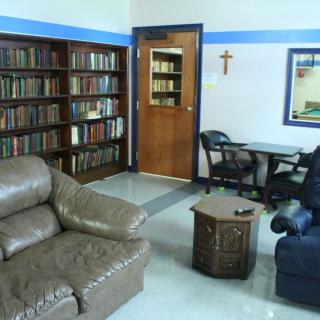
  • Small library Small librarySmall libraries are important for seniors as they provide access to a variety of reading materials, including books, newspapers, and magazines. This can help stimulate their minds, keep them engaged, and provide a sense of community through book clubs and other social activities. Additionally, reading has been shown to improve cognitive function and overall mental well-being in older adults.
  • Telephone TelephoneTelephones are important for seniors as they provide a lifeline for communication with loved ones, emergency services, and healthcare providers. They offer a sense of security and independence, enabling seniors to stay connected and access assistance when needed.
  • Wellness center Wellness centerWellness centers are important for seniors because they offer a variety of programs and services that promote physical, mental, and emotional well-being. These centers provide opportunities for exercise, socialization, education, and relaxation, helping seniors maintain their overall health and quality of life.
  • Wi-Fi/high-speed internet available Wi-Fi/high-speed internet availableWi-Fi/high-speed internet is important for seniors to stay connected with loved ones, access online resources, and participate in virtual activities to combat feelings of loneliness and isolation. It also allows them to easily manage healthcare needs, access entertainment, and engage in lifelong learning opportunities.

Transportation

  • Community operated transportation Community operated transportationCommunity operated transportation is crucial for seniors as it provides them with the means to access essential services, social activities, and medical appointments. It allows seniors to maintain their independence and quality of life by ensuring they can participate in activities outside of their homes. Additionally, community-operated transportation services offer a safe and reliable way for seniors to travel without having to rely on family or friends for assistance.
  • Transportation arrangement Transportation arrangementTransportation arrangements are crucial for seniors as they may face challenges with driving, mobility, or access to public transportation. Having reliable transportation services ensures that seniors can easily attend appointments, social activities, and maintain their independence and quality of life.
  • Transportation arrangement (non-medical) Transportation arrangement (non-medical)Transportation arrangements are essential for seniors as they provide access to essential services, activities, and social interactions outside the home. This service helps maintain independence, mobility, and overall well-being for seniors who may have limited transportation options.
  • Transportation to doctors appointments Transportation to doctors appointmentsTransportation to doctors appointments is crucial for seniors as it ensures they have access to necessary medical care and support, promoting their health and well-being. It allows them to receive timely treatment, monitor existing conditions, and address any new health concerns efficiently. Additionally, transportation services can help seniors maintain their independence and quality of life by enabling them to stay connected with their healthcare providers.

Care Services

  • 12-16 hour nursing 12-16 hour nursing12-16 hour nursing care is crucial for seniors in order to ensure around-the-clock monitoring, timely medication administration, and prompt response to any health concerns or emergencies. This level of care helps to promote the overall well-being and safety of seniors living in senior living communities.
  • 24-hour call system 24-hour call system24-hour call systems are important for seniors because they provide peace of mind and immediate assistance in case of emergencies. This technology ensures that help is always available, promoting safety and security for elderly individuals living alone or in assisted living facilities.
  • 24-hour supervision 24-hour supervision24-hour supervision is important for seniors to ensure their safety, well-being, and access to immediate assistance in case of emergencies or health issues. This constant support provides peace of mind for both seniors and their loved ones, allowing them to age in place with dignity and security.
  • Activities of daily living assistance Activities of daily living assistanceActivities of daily living assistance are important for seniors because they provide essential support with tasks such as eating, bathing, dressing, and mobility. This assistance helps seniors maintain their independence, dignity, and overall quality of life as they age.
  • Ambulatory care Ambulatory care"Ambulatory care services provide essential medical support and treatment to seniors without requiring hospitalization, allowing them to maintain their independence and quality of life while managing chronic conditions or receiving routine medical care."
  • Assistance with bathing Assistance with bathingAssistance with bathing is crucial for seniors as it helps maintain personal hygiene, prevents infections, and ensures their overall well-being and comfort. It also provides a sense of dignity and independence for seniors who may struggle with this task on their own.
  • Assistance with dressing Assistance with dressingAssistance with dressing is important for seniors because it helps maintain their independence, promotes personal hygiene, prevents accidents and injuries, and improves overall quality of life. This service ensures that seniors can continue to dress comfortably and confidently, despite any physical limitations they may have.
  • Assistance with transfers Assistance with transfersAssistance with transfers is crucial for seniors as it helps prevent falls and injuries, maintains their independence, and ensures they can safely navigate their living environment. It also provides peace of mind for both seniors and their loved ones.
  • Diabetes diet Diabetes dietA diabetes diet is crucial for seniors as it helps manage blood sugar levels, reduce risks of complications, and improve overall health and well-being. By following a balanced and nutritious diet tailored to their specific needs, seniors can better control their diabetes and enhance their quality of life.
  • Diabetic care Diabetic careDiabetic care is crucial for seniors as they are more susceptible to developing diabetes due to aging and other health conditions. Proper management of diabetes can help prevent complications such as heart disease, vision loss, and nerve damage, improving the overall quality of life for seniors in senior living communities.
  • Meal preparation and service Meal preparation and serviceMeal preparation and service are crucial for seniors as they may have limited mobility or energy to cook nutritious meals. Having access to healthy and convenient food options can ensure they are getting the proper nutrition needed to maintain their overall health and well-being.
  • Medication management Medication managementMedication management is crucial for seniors to ensure they are taking the right medications at the correct dosages and times. This helps prevent adverse drug interactions, reduces the risk of medication errors, and promotes overall health and well-being. Proactive management also allows for adjustments as needed based on changing health conditions or new prescriptions.
  • Mental wellness program Mental wellness programMental wellness programs are essential for seniors as they promote cognitive stimulation, emotional support, and social engagement. These programs help prevent isolation, depression, and cognitive decline, ultimately enhancing the overall quality of life for older adults.
  • Special dietary restrictions Special dietary restrictionsSpecial dietary restrictions are important for seniors because age-related changes in metabolism and health conditions can make it difficult for their bodies to process certain foods. By following a diet tailored to their specific needs, seniors can maintain their overall health and well-being, manage chronic conditions, and reduce the risk of complications such as malnutrition or food interactions with medications.

Dining

  • Diabetes diet Diabetes dietA diabetes diet is crucial for seniors as it helps manage blood sugar levels, reduce risks of complications, and improve overall health and well-being. By following a balanced and nutritious diet tailored to their specific needs, seniors can better control their diabetes and enhance their quality of life.
  • Meals provided Meals provided"Meals provided" are crucial for seniors in assisted living communities as it ensures they have access to nutritious, balanced meals without the stress of meal planning and preparation. This can help promote overall health and well-being for seniors who may have limited mobility or cognitive abilities.
  • Special dietary restrictions Special dietary restrictionsSpecial dietary restrictions are important for seniors because age-related changes in metabolism and health conditions can make it difficult for their bodies to process certain foods. By following a diet tailored to their specific needs, seniors can maintain their overall health and well-being, manage chronic conditions, and reduce the risk of complications such as malnutrition or food interactions with medications.

Activities

  • Activities on-site Activities on-siteActivities on-site are important for seniors because they provide opportunities for socialization, mental stimulation, physical activity, and overall well-being. Engaging in activities can help seniors stay active, maintain their independence, and improve their quality of life.
  • Community-sponsored activities Community-sponsored activitiesCommunity-sponsored activities are important for seniors as they provide opportunities for social interaction, mental stimulation, and physical activity. These activities can help improve overall well-being, combat loneliness and isolation, and promote a sense of belonging and purpose among older adults.
  • Concierge services Concierge servicesConcierge services are essential for seniors as they provide assistance with daily tasks and errands, enhance their quality of life by offering convenience and personalized care, and promote a sense of safety and security.
  • Devotional activities offsite Devotional activities offsiteDevotional activities offsite are important for seniors because they provide social engagement, spiritual growth, and a sense of community outside of their living environment. This can improve overall well-being, mental health, and combat feelings of isolation or loneliness.
  • Fitness programs Fitness programsFitness programs are crucial for seniors as they help improve strength, flexibility, balance, and overall well-being. Staying active can reduce the risk of chronic diseases, improve mental health, and enhance quality of life in older adults.
  • Planned day trips Planned day tripsPlanned day trips are important for seniors because they offer opportunities for socialization, mental stimulation, and physical activity. They provide a change of scenery and help seniors stay engaged and connected to their community, promoting overall well-being and quality of life.
  • Resident-run activities Resident-run activitiesResident-run activities are important for seniors as they encourage social interaction, creativity, and a sense of autonomy. These activities empower seniors to stay engaged and active in their community while fostering meaningful connections with their peers.
  • Scheduled daily activities Scheduled daily activitiesScheduled daily activities are important for seniors because they provide structure, socialization, mental stimulation, and physical activity. Engaging in regular activities can improve overall well-being and quality of life for seniors living in a community setting.

Description

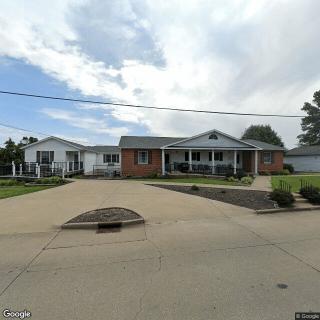
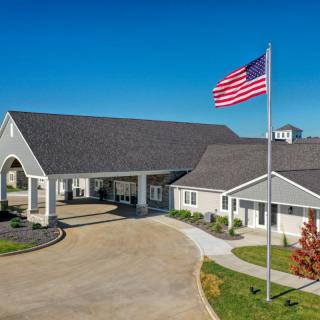
Independence Court in Perryville, MO is an assisted living community that offers a range of care services and amenities to ensure a comfortable and fulfilling lifestyle for its residents.

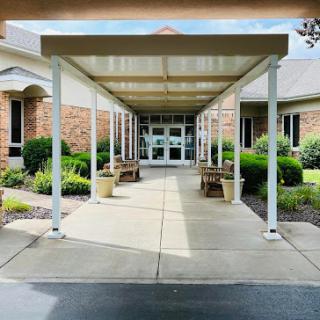
The community provides independent living options, allowing seniors to maintain their freedom while receiving necessary assistance when needed. Residents can enjoy the convenience of air-conditioning in their fully furnished apartments, along with amenities such as cable or satellite TV and Wi-Fi/high-speed internet.

Independence Court also prioritizes the well-being of its residents by offering various wellness facilities, including a fitness room and a wellness center. Additional recreational activities can be found in the indoor common areas, gaming room, small library, and beautiful garden.

The community's dining experience is highlighted by restaurant-style dining in a spacious dining room where meals are provided. Special dietary restrictions are catered to, ensuring that every resident's nutritional needs are met.

Residents at Independence Court have access to numerous services that make daily life more convenient. Housekeeping services are available to keep apartments clean and tidy, while move-in coordination helps new residents settle in seamlessly. Transportation arrangements are provided for non-medical purposes as well as transportation to doctor appointments.

The dedicated staff at Independence Court is available around the clock through a 24-hour call system and offers supervision for any emergencies or assistance required with activities of daily living. Residents receive support with bathing, dressing, transfers, meal preparation, medication management, diabetic care, and adhering to special dietary restrictions.

To foster an active social life within the community, Independence Court organizes community-sponsored activities such as fitness programs and planned day trips. Residents also have the opportunity to participate in resident-run activities or engage in devotional activities offsite for spiritual fulfillment.

The location of Independence Court offers easy access to nearby amenities including cafes, parks, pharmacies, physicians' offices, restaurants, places of worship, transportation options, and hospitals.

Overall, Independence Court provides a comfortable and supportive environment for seniors in Perryville, MO, with a wide range of services and amenities to cater to their physical, social, and emotional well-being.

Nearby Places of Interest

This area of Perryville, Missouri offers a variety of amenities that cater to seniors looking for a comfortable and convenient living environment. With a selection of restaurants, cafes, and pharmacies within close proximity, residents can easily access essential services and enjoy dining options. In addition, there are several places of worship nearby for those seeking spiritual fulfillment. The presence of reputable physicians and hospitals ensures easy access to healthcare services when needed. Seniors can also enjoy the peaceful surroundings of parks such as Carondelet Park for leisurely walks or picnics. For transportation needs, U-Haul services are available for convenience. Overall, this part of Perryville provides a well-rounded and supportive community for seniors looking to settle down in a welcoming neighborhood.

Restaurants

  • Park-Et Fine Foods (0.6 miles)
  • Ewald's Bar-B-Q (0.6 miles)
  • 15 West Bar & Grill (0.6 miles)
  • Southern Roots (0.6 miles)
  • Mary Jane Burgers & Brew (0.7 miles)
  • City Tavern (0.7 miles)
  • The Cheesecake Ninja (0.7 miles)

Places of Worship

  • First Presbyterian Church (0.6 miles)
  • First Baptist Church (0.7 miles)
  • Southern Baptist Convention (0.7 miles)
  • Immanuel Lutheran Church (0.9 miles)
  • Overcomers Church International (1.2 miles)
  • Saint Rose of Lima Catholic Church (1.4 miles)
  • St Vincent De Paul Church (1.4 miles)

Cafes

  • Villainous Grounds (0.7 miles)
  • Ol' Farmhouse Cafe-Bakery (12.4 miles)

Physicians

  • Clarkson Eyecare (0.7 miles)
  • Perryville Family Care Clinic PC (0.9 miles)
  • Perry Kids Pediatrics (0.9 miles)
  • Perry County Women's Care (0.9 miles)
  • Convenient Healthcare (1.1 miles)
  • Immediate Healthcare (1.9 miles)
  • Marion Eye Center (13.3 miles)

Pharmacies

  • Prescriptions Plus Pharmacy (0.9 miles)
  • Walgreens (1.8 miles)
  • Walmart Pharmacy (2.8 miles)
  • ""Walmart Stores"" (2.8 miles)
  • Walmart Pharmacy (14 miles)
  • Victor Drugs (14.4 miles)
  • Victors Medicenter Pharmacy (14.4 miles)

Hospitals

  • Perryville Surgical Clinic (0.9 miles)
  • Perry County Memorial Hospital (0.9 miles)
  • Memorial Hospital (13.4 miles)
  • Chester Mental Health Center (14.2 miles)

Transportation

  • U-Haul Neighborhood Dealer (1.2 miles)
  • U-Haul Neighborhood Dealer (1.9 miles)
  • Alamo (2.7 miles)
  • Take This Job & Stuff It (7.4 miles)

Parks

  • Carondelet Park (2.6 miles)
  • Randolph County State Recreation Area (13.1 miles)
  • St Mary's Covered Bridge (16.1 miles)
  • Fort Kaskaskia State Park (17.3 miles)

Frequently Asked Questions

Where is Independence Court?

Nearby Communities

  • Independence Care Center Of Perry County

    Independence Care Center Of Perry County

    Perryville, MO

    4 from 13 reviews
     

    pro Clean, well-organized facility with generally friendly staff.

  • The Estates Of Perryville

    The Estates Of Perryville

    Perryville, MO

    2.6 from 30 reviews
    $4,000 to $4,500 / month

    pro Competitive pricing for semi-private and private rooms compared with local averages.

  • Independence Square Residential Care Center

    Independence Square Residential Care Center

    Perryville, MO

     
    $3,881 to $6,455 / month

    pro 24/7 supervision with comprehensive daily living support in a furnished, amenity-rich setting.

  • Holiday Residence Care

    Holiday Residence Care

    Perryville, MO

    5 from 1 review
     

    pro Convenient location with easy access to amenities.

  • Holiday Residential Care

    Holiday Residential Care

    Perryville, MO

    5 from 1 review
     

    pro 24/7 supervision with ADL support, furnished rooms, meals (including special diets), housekeeping, and transportation.

  • Marian Cliff Manor

    Marian Cliff Manor

    Saint Mary, MO

    4.2 from 13 reviews
     

    pro Beautiful, well-maintained facility with a dedicated, caring staff.

  • Capetown Senior Living

    Capetown Senior Living

    Cape Girardeau, MO

    4.3 from 27 reviews
     

    pro Warm, homey atmosphere with attentive staff and responsive dining accommodations.

  • Cedarhurst of Farmington

    Cedarhurst of Farmington

    Farmington, MO

    4.9 from 90 reviews
    $5,300 to $6,750 / month

    pro Friendly staff and a welcoming, well-maintained environment with engaging activities.

  • Auburn Creek & Arbors at Auburn Creek

    Auburn Creek & Arbors at Auburn Creek

    Cape Girardeau, MO

    4.7 from 14 reviews
    $3,131 to $4,836 / month

    pro Caring staff, clean and welcoming environment with engaging activities.

Related Resources

  • assisted living waiver programA Detailed Exploration of Assisted Living Medicaid Waivers Across the United States

    Medicaid waivers for assisted living services provide vital support for seniors and individuals with disabilities in need of long-term care, with varying state-specific eligibility criteria and benefits. These waivers cover personal care and case management but often do not fully cover room and board, leading to waiting lists for many applicants.

  • assisted living for disabled adultsComprehensive Residential Support and Assisted Living Solutions for Individuals with Disabilities

    The article examines the complexities of assisted living for individuals with disabilities, emphasizing the need for tailored care solutions that enhance quality of life and social inclusion, while addressing financial challenges and advocating for community integration. It discusses various housing options, the importance of financial assistance through public benefits, and highlights trends towards integrated and technology-driven solutions in disability-focused housing.

  • assisted living for disabled adultsComprehensive Supportive Living Arrangements for Adults with Disabilities

    Assisted living for adults with disabilities has transformed to provide personalized care and support services aimed at improving residents' quality of life while balancing independence and assistance. However, low-income individuals often face challenges in affording these services, requiring navigation of various financial resources and advocacy for better policies and solutions.