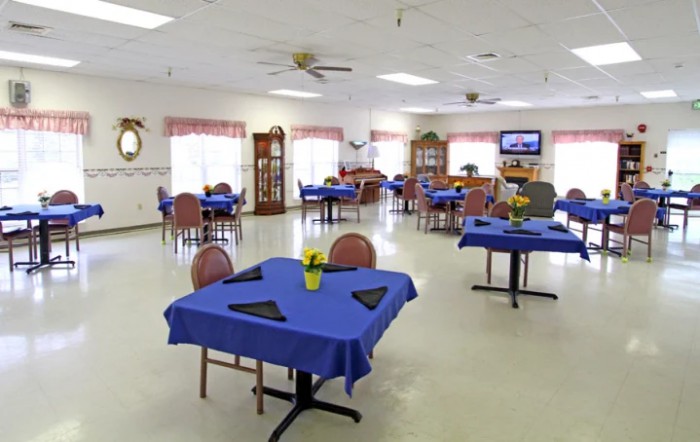
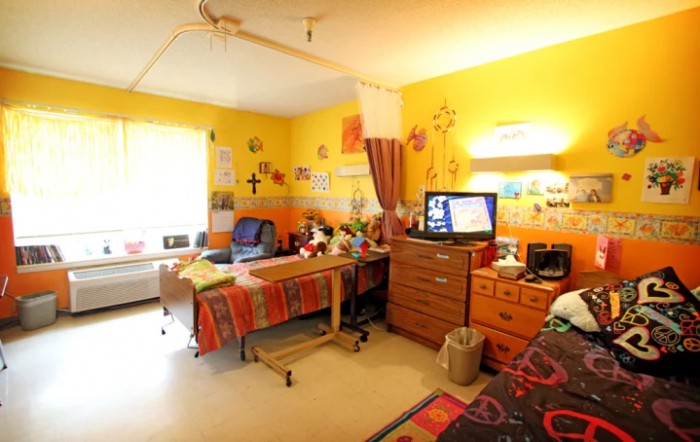
52435 Infirmary Road, Milan, MO 63556
For more information about senior living options: (866) 208-4318
Overall Review of Milan Health Care Center
Pros
 Hannah Davis is described as the best provider they got, and she takes pride in her work.
- The staff are individualized and caring for their residents.
Cons
 They terminated Hannah Davis, despite her pride in her work.
- The facility is terrible.
- The facility does not look after the emotional or physical welfare of its residents.
- The quality of life is subpar.
- Residents are chastised for making complaints and retaliated against.
- It’s a miserable existence.
- It is the worst place to put loved ones.
- A med tech dropped a medication and was nasty about it.
- The music blares so loudly that it can be felt through the body.
- The halls smell of urine throughout the building.
- The administrator lied and caused battles between family.
- Not safe; don’t go there.
- The mother-in-law fell three times and was heliported to Kansas City.
Review
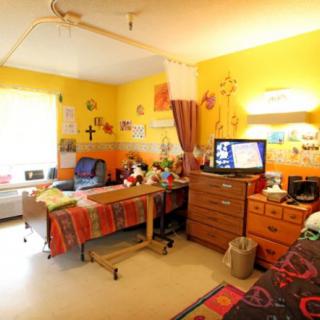
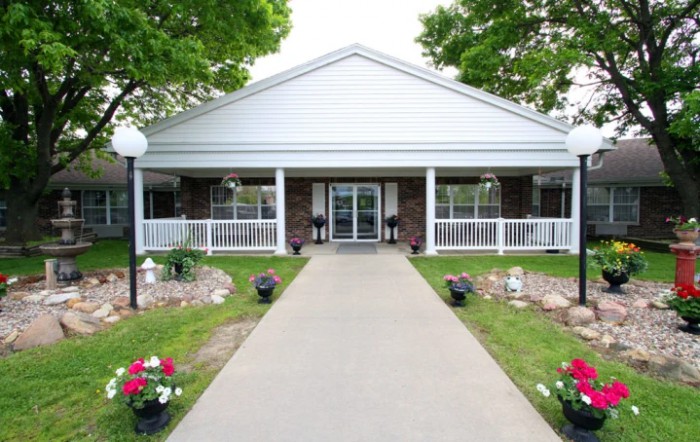
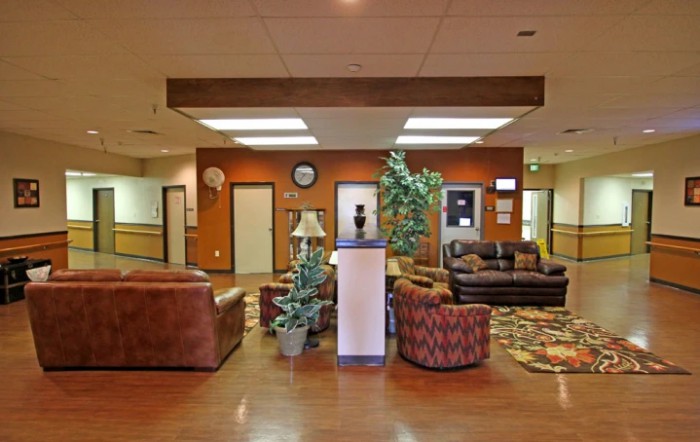
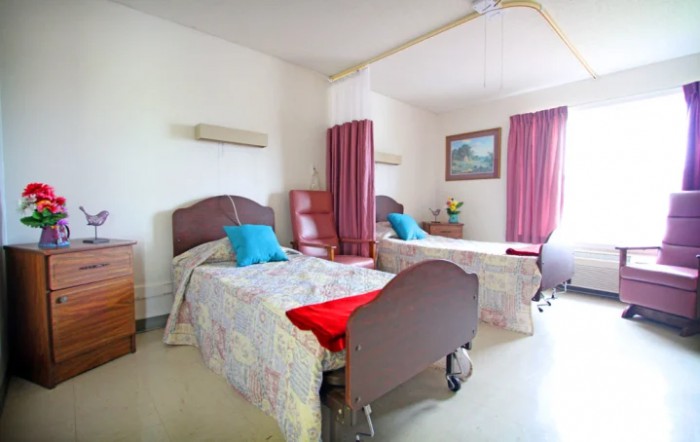
Milan Health Care Center in Milan, MO is a facility that will appeal mainly to families operating on a tight budget who can commit to active hands-on oversight. This community seems best understood as a minimal-typical option where a few staff members show real dedication, but where overall consistency in care, safety, and resident welfare is highly variable. Prospective residents who can tolerate gaps in supervision, uneven staff engagement, and the need for vigilant family involvement may find a workable fit here, provided clear expectations are set and regular, in-person monitoring is sustained. In short, this is not a turnkey solution for most aging adults who require steady, high-quality care; it is a potential last-resort or stopgap location for families prepared to supervise closely and confront problems as they arise.
Those evaluating alternatives should be especially cautious if a senior requires reliable, compassionate care or has safety concerns that demand a consistently calm and professional environment. The consensus from several reviews is that this center may fall short on emotional support and physical welfare, with ongoing complaints about quality of life and a culture that appears to discourage complaints. Families needing rigorous incident reporting, transparent accountability, and a consistently respectful atmosphere will likely find better options elsewhere. For residents with histories of falls, medication management needs, or heightened sensitivity to environmental stressors, the absence of dependable protection and proactive problem resolution makes alternatives a prudent path.
On the upside, the strongest and most credible positive thread centers on individual staff members who show pride in their work. One caregiver, in particular, is described as exceptionally dedicated, and a mention is made of staff who are “individualized and caring” toward residents. These authentic examples of committed caregiving indicate that a subset of employees can and do deliver attentive, person-centered care when allowed to operate with their strengths and enough guidance. That said, the departure of that standout provider signals potential instability. When a single, high-quality caregiver is terminated or leaves, the risk rises that other residents will experience a decline in the continuity and quality of attention they receive. In a setting already shadowed by inconsistent care, staff turnover compounds uncertainty for families.
The principal drawbacks are hard, visible, and impactful. Multiple reviewers describe emotional neglect, subpar quality of life, and a culture where residents are chastised for speaking up or voicing concerns, with retaliation implied or explicit. Safety and care irregularities surface in concrete incidents: medication mishaps, a pill misplaced under a bed, and a pattern of weekend staff who blur professional boundaries and blur resident identity. The environment is criticized for sensory overload from loud music, a pervasive odor of urine, and frequent confusion around family concerns, all of which undermine dignity and comfort. A critical red flag is the account of bruising on a resident’s thigh with no clear explanation, underscoring gaps in supervision and incident follow-through. The most troubling theme across reviews is not isolated incidents but a culture that seems to hinder communication, escalate tensions with family members, and discount concerns that should trigger immediate corrective action.
Families weighing steps to mitigate risk should pursue concrete, practical checks during any visit. Insist on observing medication administration routines and demand clarity on who is accountable for medication safety, including how errors are investigated and addressed. Request a tour of the medication room and the nurse’s station, and ask for recent incident reports and the exact process for reporting concerns. Inquire about staffing patterns, caregiver-to-resident ratios, and the presence of licensed nursing staff on each shift. Seek to meet multiple members of the caregiving team, not just a single standout, to gauge consistency in approach and demeanor. Finally, probe whether there is a structured program for resident engagement, a transparent grievances process, and a clear, public path for elevating complaints to administration without fear of retaliation.
The bottom line is clear: Milan Health Care Center is a facility that demands careful, skeptical scrutiny and aggressive family involvement. Its appeal rests solely on the occasional display of heartfelt caregiving by individual staff members in a landscape of inconsistent care, safety concerns, and residents’ emotional distress. For families prioritizing a predictable, respectful, and safely managed environment, this option warrants serious consideration of alternatives. If exploration confirms potential for improvement through decisive oversight and strict staffing and safety protocols, it may warrant a trial, but only with explicit, written commitments from leadership about accountability, turn-key safety measures, and a transparent care plan. Without those assurances, directing a loved one here risks compromising well-being and peace of mind.
 100 resident community capacity
 Skilled Nursing Facility
 Air-conditioning
 Beauty salon
 Cable or satellite TV
 Computer center
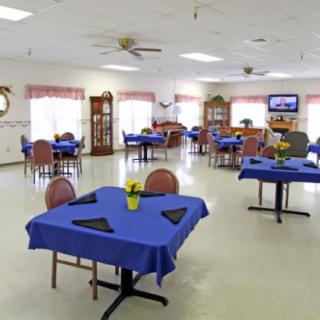
 Dining room
 Fitness room
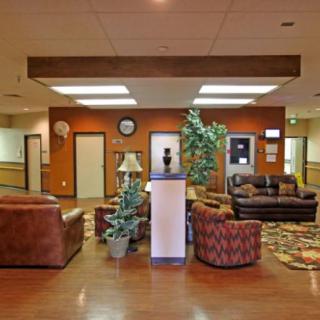
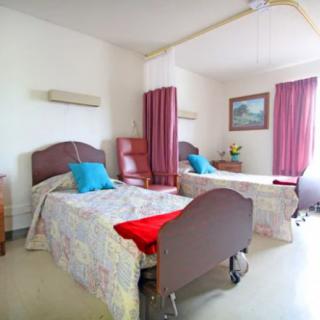
 Fully furnished
 Gaming room
 Garden
 Housekeeping services
 Kitchenette
 Move-in coordination
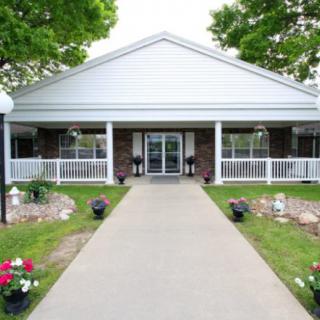
 Outdoor space
 Private bathrooms
 Restaurant-style dining
 Small library
 Telephone
 Wellness center
 Wi-Fi/high-speed internet available
 Community operated transportation
 24-hour call system
 Activities of daily living assistance
 Assistance with bathing
 Assistance with dressing
 Assistance with transfers
 Diabetes diet
 Medication management
 Special dietary restrictions
 Concierge services
 Planned day trips




 Comprehensive Insights and Practical Strategies to Help Older Adults Avoid Falls
 6 Crucial Ways an Elder Law Attorney Assists Families
 Navigating the Tax Landscape of Caregiving: Credits, Deductions, and Beyond