
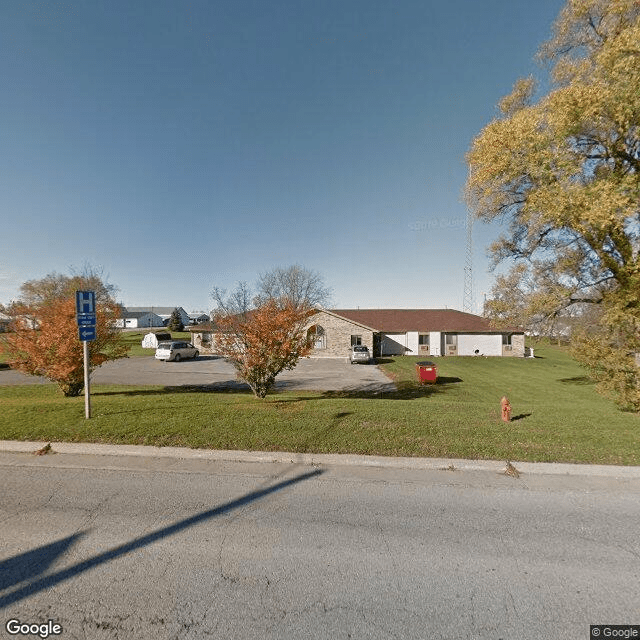
715 N 22nd Street/ Highway 5 North, Unionville, MO 63565
To contact a resident: (660) 947-2151
For more information about senior living options: (866) 208-4318
Bristol Manor of Unionville Costs & Pricing
Bristol Manor of Unionville offers competitive pricing for its accommodations, making it an appealing choice for residents seeking quality care in a comfortable environment. For a studio unit, the monthly cost is $2,030, which is notably lower than the county average of $2,228 and significantly less than the state average of $3,418. Similarly, the one-bedroom option is priced at $3,030 - aligning perfectly with Sullivan County's rates but still offering a more affordable alternative compared to the broader Missouri average of $3,349. This strategic pricing positions Bristol Manor as an attractive option for those looking for value without compromising on the standards of care and community living.
| Floor plans | Bristol Manor of Unionville | Sullivan County | Missouri |
|---|---|---|---|
| Studio | $2,030 | $2,228 | $3,418 |
| 1 Bedroom | $3,030 | $3,030 | $3,349 |
Assisted Living communities with a similar price nearby
-
from +$396 / mo

Rolling Hills Care Facility
$2,426 / month21.9 miles away
Overall Review of Bristol Manor of Unionville
Pros
 Bristol Manor is a hidden gem offering unparalleled comfort and care to its residents.
- Visitors are enveloped in a warm and welcoming atmosphere from the moment they enter.
- Staff greet residents with genuine smiles and a heartfelt eagerness to assist, creating belonging and reassurance.
- Bristol Manor’s commitment to individualized care carefully considers each resident’s needs and preferences, ensuring personalized attention.
- The facility is described as a friendly, family-like environment where residents are cherished members of the community.
- The nurses and other staff are friendly and helpful, always with a smile.
- Visiting hours are generous, allowing relatives to visit anytime.
Review
Bristol Manor of Unionville is best suited for seniors who prize a small, home-like atmosphere where personalized attention and ongoing family connection are not afterthoughts but daily realities. The setting reads as a warm, intimate residence rather than a clinical campus: a genuine sense of welcome from staff, and a community where residents are treated like cherished members of a family. The homey feel is reinforced by lived-in comfort, staffing that smiles through every interaction, residents who seem fully integrated into daily life, and a rhythm that mirrors everyday life rather than a clinical schedule. This is the kind of environment that lowers friction for aging in place and makes transitions feel natural rather than jarring.
Those who may want to consider alternatives are clear. Bristol Manor operates as an assisted living facility, which means medical oversight and advanced nursing capabilities are not its core selling point. Families facing heavy skilled nursing needs, complex wound care, continuous rehab, or specialized memory care may find the campus size and scope insufficient. For residents whose care plans require round-the-clock clinical supervision or access to extensive on-site therapies, larger campuses or dedicated nursing homes with comprehensive medical teams could be a better fit. In short, when medical acuity is high, Bristol Manor should be weighed against options with more robust skilled services.
The strongest pros, personalized attention, a genuine sense of community, and a home-first design, largely offset the natural limits of a smaller, intimate operation. Care is described as individualized, with staff taking the time to learn each resident’s preferences and routines, which reduces anxiety and helps maintain dignity. The staff’s approachable, cheerful demeanor contributes to a reassuring atmosphere that many families value as a stabilizing anchor during transitions. A faith-friendly cadence, Sunday church services, and opportunities for meaningful engagement further bolster social and emotional well-being, while flexible visiting policies keep families deeply involved in daily life. These advantages soften the realities of any gaps in medical services.
The day-to-day experience reinforces the decision for many families: the environment is genuinely homelike, and residents often appear comfortable and content. The setting supports autonomy while still providing necessary support, a balance that matters for seniors who fear the loss of independence. Add to this the practical perk of never-ending visiting hours for relatives and the sense that families can stay connected without rigid boundaries. The presence of meals prepared by staff members who care about residents’ preferences adds another layer of personalization, underscoring a culture where nourishment and companionship go hand in hand. Yet it is fair to note that the smaller scale can limit the breadth of structured programming and on-site medical services when a resident’s needs evolve rapidly.
From a decision-making standpoint, visits are essential. Prospective families should test how well Bristol Manor aligns with the resident’s daily routines, appetite for social activities, and tolerance for a less medicalized environment. Inquire about nurse availability, the extent of on-site medical oversight, and how quickly a change in care needs can be accommodated. Observe interactions between residents and staff, and ask about how meals, worship, and activities are tailored to individual histories and preferences. Proximity and emergency planning in a rural setting are practical considerations as well, since access to off-site resources can influence response times in urgent situations. A purposeful tour will reveal whether the community’s warmth translates into sustained peace of mind.
In sum, Bristol Manor of Unionville stands out for families seeking a warm, intimate, faith-aligned living option that emphasizes individualized care and family integration. It is a strong match for residents who value a home atmosphere, daily personal attention, and social continuity over the breadth of medical services offered by larger campuses. For those whose loved ones require substantial skilled nursing, intensive rehab, or highly specialized memory care, alternatives with greater clinical depth merit serious consideration. The decision rests on balancing the comfort and belonging of a small, supportive environment against the realities of evolving care needs. A thoughtful visit will illuminate whether this community is the right home or if a different path better protects future independence and health.
 Assisted Living
 Day Program
 Independent Living
 Cats allowed
 Dogs allowed
 Air-conditioning
 Devotional services off-site
 Ground floor units
 Indoor common areas
 Outdoor common areas
 Respite or short term stays offered
 Ambulatory care
 Diabetic care
 Incontinence care
 Medication management
 Guest meals
 BBQs or picnics
 Birthday parties
 Stretching classes



 Securing Financial Support for Assisted Living: A Comprehensive Overview
 Social Security Benefits and Assisted Living: Navigating Options Across the U.S.
 An Extensive Exploration of the VA Aid and Attendance Benefit