
The Living Center in Marshall, MO

Save

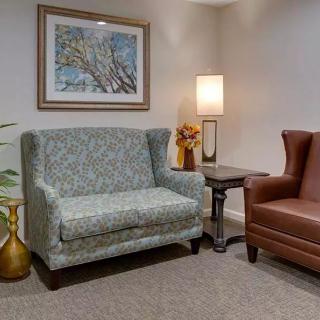
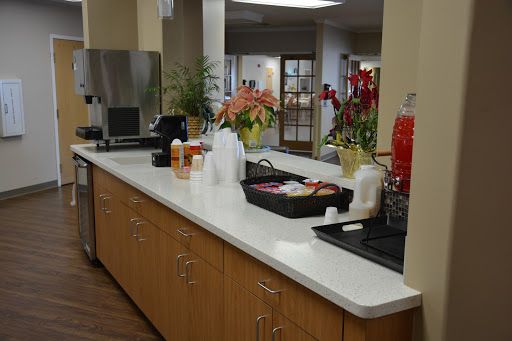
  • Interior

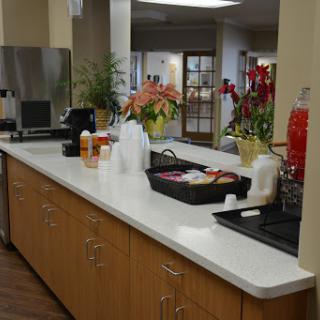
    A well-organized kitchen counter featuring beverages and decorative flowers.
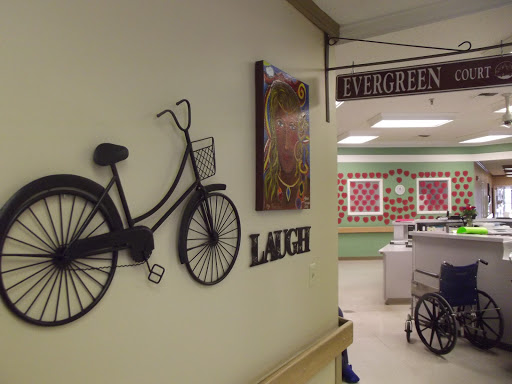
  • Decor

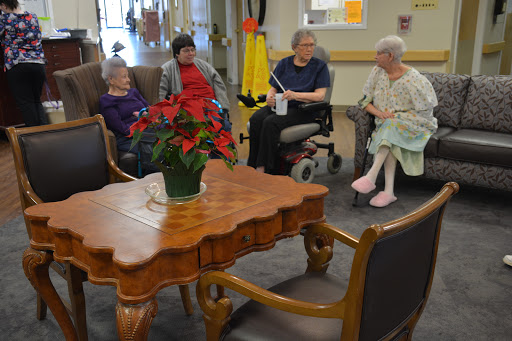
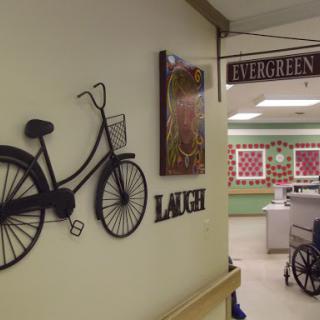
    A cozy lounge area decorated with bicycle wall art and signs guiding visitors.
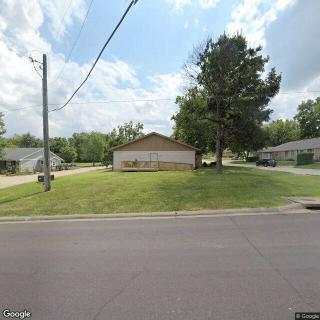
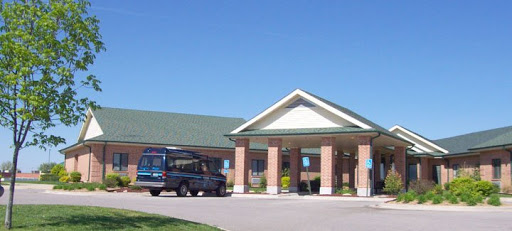
  • Building

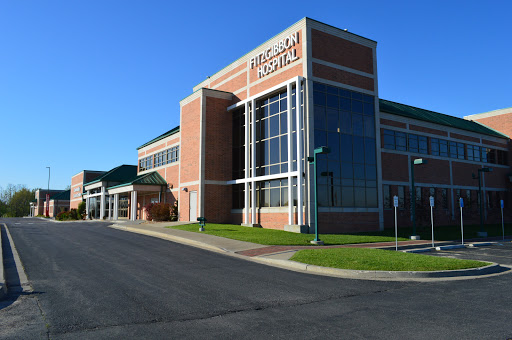
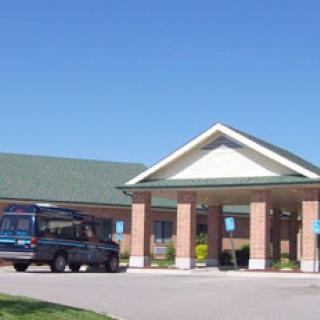
    A healthcare facility with a welcoming exterior and a vehicle parked in front.
  • Architecture

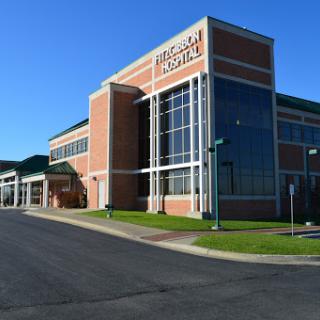
    A modern commercial building with large glass windows and brick exterior.
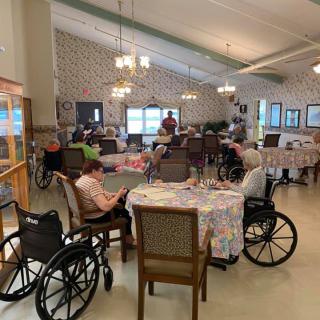
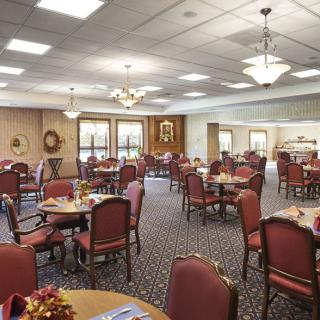
  • Dining

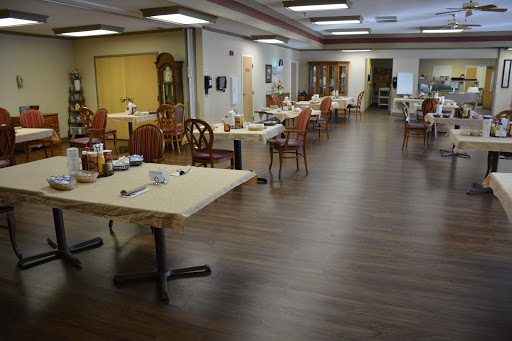
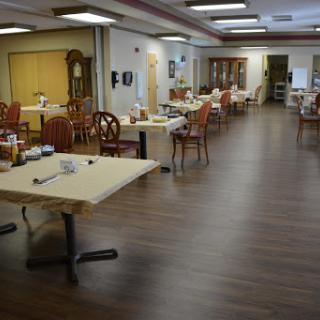
    A spacious dining area featuring neatly arranged tables and chairs, with a warm and inviting ambiance.
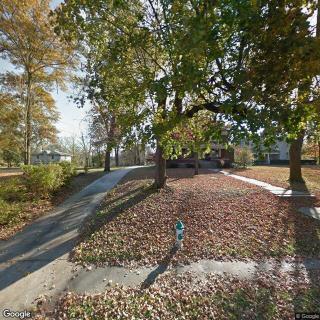
  • Parking

    A lineup of classic and vintage cars parked at a local car show.

The Living Center in Marshall, MO

2506 Linden Tree Parkway, Po Box 370, Marshall, MO 65340

For more information about senior living options: (844) 490-3973

4.3 from 16 reviews
5 stars
12
4 stars
0
3 stars
2
2 stars
0
1 stars
2

Skilled Nursing Facility

Overall Review of The Living Center

Pros

  • pro The pulmonary testing tech was perfect.
  • pro She deserves 10 stars.
  • pro The sign-in was great.
  • pro The nurses are absolutely wonderful.
  • pro The CNAs are the most loving and caring people.
  • pro They did an excellent job and were very friendly.
  • pro Dr. Kurt Schroer is extraordinarily compassionate.
  • pro This place has improved drastically since the new administrator.

Cons

  • pro The MRI tech was unfriendly and did not communicate well.
  • pro There were aide duties lacking, such as regular showering.
  • pro The facility was short-staffed, leading to slow response times for toileting.
  • pro Visitation was restricted due to COVID, preventing families from seeing how care was being provided.
  • pro Some parts of the facility were lacking in care quality.
  • pro The reviewer wouldn't put their dog in here.

Review

The Living Center in Marshall, MO is best suited for families and seniors who want a warm, neighborly atmosphere where staff form real, recognizable relationships with residents. The community earns praise for front-line warmth - from nurses and CNAs who feel like part of the family to welcoming front desk staff and a sign-in process that feels efficient and familiar. This is not a cold, corporate setting; it is the kind of place where caregivers know residents by name, celebrate small wins, and deliver daily care with a personal touch. Those prioritizing personal connection, attentiveness, and a small-town feel will find substantial value here.

However, certain realities may lead families to consider alternatives. Residents who require highly regimented routines and consistently proactive communication may find the variability in daily care challenging. Several reviews point to occasional gaps in consistency - particularly around bathing, toileting assistance, and timely updates - which can be burdensome if a loved one needs steady, predictable care. Staffing gaps on some shifts are mentioned, suggesting that the level of attention can hinge on who is on duty. For families needing aggressive proactive management, or access to a broader array of rehabilitation services on site, exploring other facilities with fuller staffing models and more uniform daily protocols could be prudent.

On the positive side, the core strength lies in the care culture created by the nursing and CNA teams. Multiple residents and families highlight extraordinarily caring, compassionate staff - people who take the time to listen, explain, and genuinely attend to daily needs. The sense that care feels neighborly extends beyond individual acts of kindness to the overall environment, where staff repeatedly come across as dedicated and approachable. When care is good, it is very good here: residents receive hands-on attention, and the expressions of gratitude from families attest to meaningful, ongoing connections that support emotional well-being alongside physical care.

Yet the most meaningful drawbacks center on consistency and communication. While many staff members deliver exceptional service, others are described as less engaged, and a few issues surface around the pace of assistance or follow-through on care plans. Instances of delayed showers, sporadic toileting help, and the need for family members to escalate concerns to administration to obtain updates underscore a fragile balance between compassion and reliability. The experience can vary by shift and unit, which means the best care outcomes depend on how well the team is staffed at any given time and how effectively administration coordinates with families.

The upside of these dynamics is tempered by evidence of organizational improvement. Observers note that the facility has improved substantially under new leadership, with staff culture and resident experience trending more positively. That trajectory matters: it signals a willingness to address the gaps that have frustrated some families and to elevate standard practices across the board. If a family values accountability paired with the same intimate, person-centered care that defines the everyday experience, this ongoing improvement can translate into more consistent performance over time. The combination of seasoned, caring staff and leadership-driven change creates a credible pathway to steadier quality.

In decision terms, The Living Center is a strong candidate for those who prize warmth, familiarity, and visible staff commitment, particularly when the person in care thrives on day-to-day relational support and a home-like atmosphere. It is less compelling for families who cannot tolerate variability in daily routines or who require unwavering consistency across all shifts and formal updates. Prospective residents should engage directly with administration, request meaningful conversations about staffing patterns, daily schedules, and care planning, and observe how current residents and families describe the cadence of care during a tour. If the goal is to secure a caring residence with real people who will go the extra mile when possible, The Living Center delivers; if the priority is rigid consistency and uniform service across all days, exploring alternatives is wise.

Features

Housing

  • 99 resident community capacity 99 resident community capacity

Types of Care

  • Skilled Nursing Facility Skilled Nursing FacilitySkilled Nursing Facilities are crucial for seniors as they provide round-the-clock medical care, rehabilitation services, and assistance with daily activities. These facilities ensure that seniors receive the specialized care they need to maintain their health and well-being as they age.

Amenities

  • Air-conditioning Air-conditioningAir conditioning is important for seniors as they are more vulnerable to heat-related illnesses and may have underlying health conditions that make it difficult for them to regulate their body temperature. It helps to keep them comfortable, safe, and healthy in hot weather.
  • Beauty salon Beauty salonBeauty salons are important for seniors because they provide a space for them to feel pampered, socialize, and maintain their personal grooming and hygiene. Regular visits to a beauty salon can help boost seniors' self-esteem and overall well-being.
  • Cable or satellite TV Cable or satellite TVCable or satellite TV is important for seniors because it provides entertainment, news, and companionship, helping to combat loneliness and boredom. It also offers a wide range of programming options tailored to different interests and preferences.
  • Computer center Computer centerA computer center is essential for seniors as it provides access to technology, communication tools, and resources that can enhance their daily lives. It allows them to stay connected with loved ones, engage in online activities, and learn new skills, ultimately promoting socialization and mental stimulation.
  • Dining room Dining roomDining rooms are important for seniors as they provide a space for socialization, connection, and nutritious meals. They offer opportunities for residents to bond over shared meals, foster a sense of community, and promote healthy eating habits. Dining rooms also ensure that seniors have access to well-balanced meals tailored to their dietary needs and preferences.
  • Fitness room Fitness roomHaving a fitness room in a senior living community is essential for seniors to stay active, maintain their physical health, and improve their overall well-being. Regular exercise can help prevent falls, reduce the risk of chronic diseases, and promote mental sharpness. It also provides social opportunities for residents to connect with others and enjoy a sense of community.
  • Fully furnished Fully furnishedFully furnished senior living communities are important for seniors because they provide convenience, comfort, and a hassle-free moving experience. Seniors can easily settle into their new living space without the stress of having to buy and move furniture. This allows them to focus on enjoying their new home and community.
  • Gaming room Gaming roomGaming rooms are important for seniors as they provide a fun and engaging environment for socializing, cognitive stimulation, and physical activity. Games can improve memory, problem-solving skills, and overall mental well-being while fostering friendships and reducing feelings of isolation.
  • Garden GardenGardens are important for seniors as they provide a peaceful and therapeutic environment for relaxation, physical activity, and socialization. Being in nature has been shown to reduce stress, improve mood, and promote overall well-being. Gardens also offer opportunities for seniors to engage in gardening activities, which can improve mobility, flexibility, and cognitive function. Additionally, gardens create a sense of community and connection with others who share a passion for plants and outdoor spaces.
  • Housekeeping services Housekeeping servicesHousekeeping services are important for seniors because they help maintain a clean and safe living environment, promote independence, and reduce the risk of accidents or illnesses. Additionally, having assistance with household chores can alleviate physical strain and allow seniors to focus on other aspects of their well-being.
  • Kitchenette KitchenetteKitchenettes are important for seniors living in senior living communities because they provide the convenience and independence of being able to prepare simple meals and snacks in the comfort of their own living space. This can help promote a sense of autonomy and well-being for seniors, allowing them to maintain some level of control over their dietary choices and daily routines.
  • Move-in coordination Move-in coordinationMove-in coordination is important for seniors because it helps ease the transition into their new living environment. It ensures that all logistics, such as packing, organizing movers, and setting up utilities are taken care of, allowing seniors to focus on settling in and adjusting to their new home. Having a smooth move-in process can alleviate stress and anxiety, making the transition smoother and more enjoyable for seniors.
  • Outdoor space Outdoor spaceOutdoor spaces are important for seniors as they provide opportunities for physical activity, social interaction, exposure to natural light and fresh air, and a sense of connection to nature. Having access to outdoor spaces can improve overall well-being and quality of life for older adults living in senior communities.
  • Private bathrooms Private bathroomsPrivate bathrooms are important for seniors in senior living communities because they provide independence, dignity, and comfort. Having a private bathroom allows seniors to maintain their personal hygiene routines without the need for assistance, promoting a sense of autonomy and privacy. Additionally, private bathrooms help prevent the spread of infections and provide a safe and clean environment for seniors to navigate safely.
  • Restaurant-style dining Restaurant-style diningRestaurant-style dining is important for seniors because it allows them to enjoy delicious, nutritious meals in a social and upscale setting. This enhances their dining experience, promotes healthy eating habits, and fosters socialization with fellow residents, ultimately contributing to their overall well-being and quality of life.
  • Small library Small librarySmall libraries are important for seniors as they provide access to a variety of reading materials, including books, newspapers, and magazines. This can help stimulate their minds, keep them engaged, and provide a sense of community through book clubs and other social activities. Additionally, reading has been shown to improve cognitive function and overall mental well-being in older adults.
  • Telephone TelephoneTelephones are important for seniors as they provide a lifeline for communication with loved ones, emergency services, and healthcare providers. They offer a sense of security and independence, enabling seniors to stay connected and access assistance when needed.
  • Wellness center Wellness centerWellness centers are important for seniors because they offer a variety of programs and services that promote physical, mental, and emotional well-being. These centers provide opportunities for exercise, socialization, education, and relaxation, helping seniors maintain their overall health and quality of life.
  • Wi-Fi/high-speed internet available Wi-Fi/high-speed internet availableWi-Fi/high-speed internet is important for seniors to stay connected with loved ones, access online resources, and participate in virtual activities to combat feelings of loneliness and isolation. It also allows them to easily manage healthcare needs, access entertainment, and engage in lifelong learning opportunities.

Transportation

  • Community operated transportation Community operated transportationCommunity operated transportation is crucial for seniors as it provides them with the means to access essential services, social activities, and medical appointments. It allows seniors to maintain their independence and quality of life by ensuring they can participate in activities outside of their homes. Additionally, community-operated transportation services offer a safe and reliable way for seniors to travel without having to rely on family or friends for assistance.
  • Transportation arrangement Transportation arrangementTransportation arrangements are crucial for seniors as they may face challenges with driving, mobility, or access to public transportation. Having reliable transportation services ensures that seniors can easily attend appointments, social activities, and maintain their independence and quality of life.

Care Services

  • 24-hour call system 24-hour call system24-hour call systems are important for seniors because they provide peace of mind and immediate assistance in case of emergencies. This technology ensures that help is always available, promoting safety and security for elderly individuals living alone or in assisted living facilities.
  • 24-hour supervision 24-hour supervision24-hour supervision is important for seniors to ensure their safety, well-being, and access to immediate assistance in case of emergencies or health issues. This constant support provides peace of mind for both seniors and their loved ones, allowing them to age in place with dignity and security.
  • Activities of daily living assistance Activities of daily living assistanceActivities of daily living assistance are important for seniors because they provide essential support with tasks such as eating, bathing, dressing, and mobility. This assistance helps seniors maintain their independence, dignity, and overall quality of life as they age.
  • Assistance with bathing Assistance with bathingAssistance with bathing is crucial for seniors as it helps maintain personal hygiene, prevents infections, and ensures their overall well-being and comfort. It also provides a sense of dignity and independence for seniors who may struggle with this task on their own.
  • Assistance with dressing Assistance with dressingAssistance with dressing is important for seniors because it helps maintain their independence, promotes personal hygiene, prevents accidents and injuries, and improves overall quality of life. This service ensures that seniors can continue to dress comfortably and confidently, despite any physical limitations they may have.
  • Assistance with transfers Assistance with transfersAssistance with transfers is crucial for seniors as it helps prevent falls and injuries, maintains their independence, and ensures they can safely navigate their living environment. It also provides peace of mind for both seniors and their loved ones.
  • Diabetes diet Diabetes dietA diabetes diet is crucial for seniors as it helps manage blood sugar levels, reduce risks of complications, and improve overall health and well-being. By following a balanced and nutritious diet tailored to their specific needs, seniors can better control their diabetes and enhance their quality of life.
  • Meal preparation and service Meal preparation and serviceMeal preparation and service are crucial for seniors as they may have limited mobility or energy to cook nutritious meals. Having access to healthy and convenient food options can ensure they are getting the proper nutrition needed to maintain their overall health and well-being.
  • Medication management Medication managementMedication management is crucial for seniors to ensure they are taking the right medications at the correct dosages and times. This helps prevent adverse drug interactions, reduces the risk of medication errors, and promotes overall health and well-being. Proactive management also allows for adjustments as needed based on changing health conditions or new prescriptions.
  • Special dietary restrictions Special dietary restrictionsSpecial dietary restrictions are important for seniors because age-related changes in metabolism and health conditions can make it difficult for their bodies to process certain foods. By following a diet tailored to their specific needs, seniors can maintain their overall health and well-being, manage chronic conditions, and reduce the risk of complications such as malnutrition or food interactions with medications.

Dining

  • Diabetes diet Diabetes dietA diabetes diet is crucial for seniors as it helps manage blood sugar levels, reduce risks of complications, and improve overall health and well-being. By following a balanced and nutritious diet tailored to their specific needs, seniors can better control their diabetes and enhance their quality of life.
  • Special dietary restrictions Special dietary restrictionsSpecial dietary restrictions are important for seniors because age-related changes in metabolism and health conditions can make it difficult for their bodies to process certain foods. By following a diet tailored to their specific needs, seniors can maintain their overall health and well-being, manage chronic conditions, and reduce the risk of complications such as malnutrition or food interactions with medications.

Activities

  • Community-sponsored activities Community-sponsored activitiesCommunity-sponsored activities are important for seniors as they provide opportunities for social interaction, mental stimulation, and physical activity. These activities can help improve overall well-being, combat loneliness and isolation, and promote a sense of belonging and purpose among older adults.
  • Concierge services Concierge servicesConcierge services are essential for seniors as they provide assistance with daily tasks and errands, enhance their quality of life by offering convenience and personalized care, and promote a sense of safety and security.
  • Fitness programs Fitness programsFitness programs are crucial for seniors as they help improve strength, flexibility, balance, and overall well-being. Staying active can reduce the risk of chronic diseases, improve mental health, and enhance quality of life in older adults.
  • Planned day trips Planned day tripsPlanned day trips are important for seniors because they offer opportunities for socialization, mental stimulation, and physical activity. They provide a change of scenery and help seniors stay engaged and connected to their community, promoting overall well-being and quality of life.
  • Resident-run activities Resident-run activitiesResident-run activities are important for seniors as they encourage social interaction, creativity, and a sense of autonomy. These activities empower seniors to stay engaged and active in their community while fostering meaningful connections with their peers.
  • Scheduled daily activities Scheduled daily activitiesScheduled daily activities are important for seniors because they provide structure, socialization, mental stimulation, and physical activity. Engaging in regular activities can improve overall well-being and quality of life for seniors living in a community setting.

Description

The Living Center in Marshall, MO is a vibrant and welcoming assisted living community that offers a wide range of amenities and care services to provide comfort and support for its residents.

Residents enjoy the convenience of having a beauty salon on-site to cater to their grooming needs, while cable or satellite TV ensures they can stay entertained in the comfort of their fully furnished apartments. The community also provides community operated transportation for convenient access to medical appointments, shopping trips, and other outings.

For those looking to stay connected in the digital age, a computer center and Wi-Fi/high-speed internet are available. The dining room offers restaurant-style dining where residents can socialize and enjoy delicious meals prepared by the staff. Special dietary restrictions are accommodated to ensure everyone's nutritional needs are met.

There are various facilities within The Living Center that promote overall well-being. A fitness room allows residents to engage in physical activities tailored to their abilities, while a gaming room provides opportunities for fun and friendly competition. Outdoor spaces and gardens offer tranquil spots for relaxation or gardening enthusiasts.

A small library appeals to book lovers who can enjoy quiet reading time or participate in book clubs organized by the community. Telephones are provided for easy communication with loved ones.

Care services at The Living Center include round-the-clock supervision, assistance with activities of daily living such as bathing, dressing, and transfers. Medication management is offered along with specialized diets like diabetes diet for those with specific health needs. Meal preparation and service are provided.

Residents can engage in a variety of activities organized by the community such as fitness programs, planned day trips, resident-run activities, and scheduled daily activities designed to foster social engagement and maintain an active lifestyle. Concierge services ensure that residents' preferences are taken into account when planning outings or events.

The Living Center benefits from its location with nearby amenities including cafes, parks, pharmacies, physicians' offices, restaurants, theaters, places of worship, hospitals as well as transportation options. This makes it easy for residents to access services and enjoy recreational activities in the surrounding area.

Overall, The Living Center in Marshall, MO provides a supportive and enriching environment where residents can enjoy a variety of amenities and care services while maintaining their independence and quality of life.

Nearby Places of Interest

Physicians

  • Ulbrich Family Medicine (0 miles)
  • Marshall Surgical Associates (0.2 miles)
  • Marshall Family Practice (0.2 miles)
  • Cosmetic Laser Enhancements (1 miles)
  • Central Missouri Women's Healthcare (2.1 miles)
  • Akeman Mc Burney Medical Clinic (11.8 miles)

Hospitals

  • Fitzgibbon Hospital (0.1 miles)
  • John Fitzgibbon Memorial Hospital (1.7 miles)
  • Dsi Marshall (2.1 miles)
  • I-70 Community Hospital (13.4 miles)
  • I 70 Medical Center (14 miles)

Places of Worship

  • Marshall Family Worship Center (0.2 miles)
  • Southside Assembly of God (0.9 miles)
  • Family Worship Center (1 miles)
  • Kingdom Hall of Jehovah's Witnesses (1.1 miles)
  • Kingdom Hall of Jehova's Wit Nesses Line 2 (1.1 miles)
  • Open Door Baptist Church (1.7 miles)
  • United Pentecostal Church (1.7 miles)

Restaurants

  • Applebee's (1 miles)
  • Arby's (1 miles)
  • Pizza Hut (1.1 miles)
  • Wing Street (1.1 miles)
  • Taco Bell (1.1 miles)
  • Subway (1.2 miles)
  • Little Caesars Pizza (1.5 miles)

Transportation

  • Marshall Municipal Airport (1 miles)
  • U-Haul Neighborhood Dealer (12 miles)
  • U-Haul Neighborhood Dealer (14.1 miles)

Pharmacies

  • Red Cross Pharmacy (1.3 miles)
  • Red Cross Pharmacy (2.2 miles)
  • City Pharmacy (12.1 miles)
  • The Market (13.9 miles)

Cafes

  • Chemistry Coffee (2.2 miles)
  • Old School Frozen Yogurt Co. (13.9 miles)

Theaters

  • Marshall Cinema (2.3 miles)

Parks

  • Indian Foothills Park (3.3 miles)
  • Van Meter State Park (6 miles)

Frequently Asked Questions

Where is The Living Center?
What photos are available for The Living Center in Marshall, Missouri?

Nearby Communities

  • Westport Estates

    Westport Estates

    Marshall, MO

    4.1 from 7 reviews
     

    pro Comprehensive memory care with 24-hour supervision and support, medication management, and restaurant-style dining plus transportation and engaging activities.

  • Westport Estates & Arbors at Westport Estates

    Westport Estates & Arbors at Westport Estates

    Marshall, MO

    4.1 from 8 reviews
    $2,820 to $3,810 / month

    pro Memory-care oriented community with personalized care, engaging activities, and accessible ground-floor units.

  • Highland Home

    Highland Home

    Marshall, MO

    5 from 2 reviews
     

    pro Comprehensive care with meals, housekeeping, ADL support, and medical coordination.

  • Legendary Nursing & Rehabilitation

    Legendary Nursing & Rehabilitation

    Marshall, MO


    pro Extensive on-site care and amenities (24/7 supervision, meals and medication management, transportation, beauty salon, fitness, dining, Wi?Fi, garden).

  • Blosser Georgia Brown Home

    Blosser Georgia Brown Home

    Marshall, MO


    pro Vibrant assisted living with easy access to dining, healthcare, transportation, and cultural amenities.

  • Hartland Residential Care Ctr

    Hartland Residential Care Ctr

    Marshall, MO


    pro Nearby healthcare, dining, worship, and entertainment.

  • Big Bend Retreat

    Big Bend Retreat

    Slater, MO

    5 from 3 reviews
    $2,760 to $3,360 / month

    pro Broad amenities and robust care services with active programs.

  • Bristol Manor of Sedalia

    Bristol Manor of Sedalia

    Sedalia, MO

    3.3 from 15 reviews
    $2,030 to $3,030 / month

    pro Homey, cozy atmosphere with friendly staff and clean, well-maintained spaces.

  • John Knox Village East

    John Knox Village East

    Higginsville, MO

    4.4 from 91 reviews
    $1,482 to $3,500 / month

    pro Great value with spacious apartments and a range of activities.

Skilled Nursing Facility in Nearby Cities

Related Resources

  • caregiver benefitsSupportive Employee Benefits That Help Caregivers Attain Better Work-Life Harmony

    The article emphasizes the critical role of supportive employee benefits for caregivers, advocating for flexible scheduling, paid leave, and mental health services to ease their challenges while enhancing employee well-being and organizational loyalty. It also highlights the importance of strong leadership in promoting these initiatives to foster a sustainable workplace culture that values caregivers.

  • best car for seniorsTop Cars for Senior Drivers and Essential Safety Innovations

    Senior drivers prioritize comfort, safety, and ease of use in vehicles due to age-related challenges, seeking features like easy entry, clear visibility, and modern driver-assistance technologies. Recommended models include the Subaru Forester, Honda CR-V, and Toyota Camry, with emphasis on test-driving for personal comfort and evaluating crash-test ratings alongside insurance considerations.

  • private pay home careA Closer Look at Private Pay Home Care

    Private pay home care offers a flexible caregiving option for older adults and families who don't qualify for government programs, allowing them to directly fund in-home care services that range from daily assistance to specialized support. This model's customization potential enables aging in place while addressing financial considerations through strategic planning options, though clients must navigate marketplace challenges and ensure quality compliance.