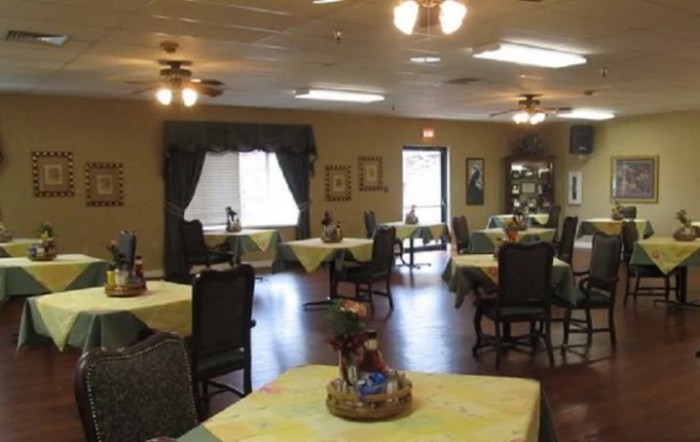
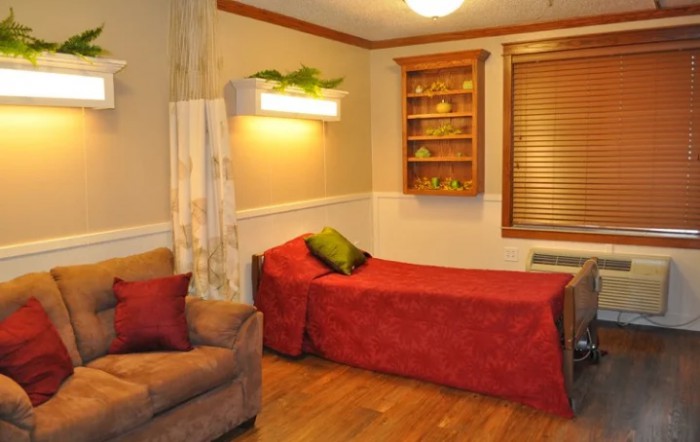
Macon Health Care Center in Macon, MO

Save
Macon Health Care Center Macon Health Care Center Macon Health Care Center Macon Health Care Center

Macon Health Care Center in Macon, MO

29612 Kellogg Avenue, Po Box 465, Macon, MO 63552

For more information about senior living options: (844) 490-3973

4 from 6 reviews
5 stars
3
4 stars
2
3 stars
0
2 stars
0
1 stars
1

Assisted Living Memory Care Skilled Nursing Facility

Overall Review of Macon Health Care Center

Pros

  • pro The facility is described as the best place in northeast Missouri to have a loved one, with staff treating loved ones like family.
  • pro The phone calls are answered quickly and returned in a timely fashion, with staff showing excellent phone skills and courtesy.
  • pro The facility is clean, well organized, and efficient.
  • pro The staff are friendly and cooperative with patient needs as well as visitors.
  • pro The meals are well-balanced, filling, and designed to accommodate all types of diets, including diabetic and low-calorie options.
  • pro The facility feels friendly and homey, a place patients would enjoy staying long-term or short-term.
  • pro The halls are clear of clutter, and laundry and housekeeping areas are kept behind locked doors for safety.

Cons

  • pro The reviewer described the facility as a dump and noted that no one checked on his brother during several visits.

Review

Macon Health Care Center is best suited for families seeking a warm, homey environment where staff treat residents like family, with dependable cleanliness, straightforward communication, and well-balanced meals. This community works well for residents who want a stable, low-drama setting, where daily routines are clear and staff are reachable and courteous. It's a practical choice for long-term care needs that revolve around reliable basic care, comfortable meals, and an organized, easy-to-navigate facility layout.

Alternatives should be considered for families prioritizing constant, highly visible daily supervision or for residents with more intensive needs - such as significant memory care challenges, behavioral concerns, or a desire for a richer, more varied activity calendar. If a family requires rigorous, on-the-spot monitoring and everyday, proactive engagement from caregivers in every shift, this community may fall short of expectations. Likewise, if the preference is for a facility with extensive therapeutic programming or more expansive social opportunities, other options deserve exploration.

The strongest positives here center on human messaging from staff and the environment in which care unfolds. Reviews consistently highlight quick phone access, courteous, responsive front-line staff, and a nurse-facing team that appears engaged during visits and tours. Cleanliness stands out - no odors or clutter noted - and the layout is described as orderly, with safety reinforced by locked doors for housekeeping and laundry. The star-shaped configuration around the nurses' station implicitly supports visibility, oversight, and timely response, which can translate to smoother med passes, prompt assistance, and fewer interruptions in daily routines.

Nutritional care is another clear strength. Meals are described as well-balanced and filling, with accommodations for diabetics and other dietary needs, suggesting attention to individual meal plans and dietary restrictions. The overall impression is of a facility that strives to be friendlier and more home-like than a sterile hospital environment, making both short-term and long-term stays feel more manageable. That combination of cleanliness, accessibility, and practical daily structure can offset many routine care concerns by delivering reliability, predictable schedules, and a supportive social tone.

Yet the most vocal caveat - a reviewer labeling the place a "dump" and recounting a lack of attention for a loved one - cannot be ignored. That sentiment signals the potential for uneven staffing, disparities in daily engagement, or gaps in day-to-day supervision. It's the kind of feedback that, in a decision-making process, prompts careful verification rather than dismissal. Prospective families should treat it as a trigger to probe deeper: ask for concrete data on caregiver ratios, shift coverage, incident logs, and what hands-on check-ins look like across mornings, afternoons, and evenings. A direct, candid conversation with the administrator can illuminate whether this outlier reflects an isolated moment or a pattern.

For families actively evaluating options, the recommended course is thorough due diligence combined with a live test. Schedule visits during mealtimes and shift changes to observe caregiver responsiveness and resident engagement firsthand. Request a tour of the med-pass process and care rounds, and ask to meet the charge nurse or administrator to discuss staffing schedules, activity programming, and family communication protocols. Check recent state inspection reports and solicit references from families with residents in similar care levels, noting how experiences align with the most favorable reviews. If memory care, social programs, or high-touch supervision are priorities, be prepared to compare this center against alternatives with more pronounced offerings in those areas.

Overall, Macon Health Care Center delivers a solid, dependable baseline: clean surroundings, a manageable, patient-friendly layout, and meals that accommodate dietary needs, all underscored by responsive communication. It is a practical fit for families prioritizing consistency, predictability, and a nurturing, home-like atmosphere. For those whose priorities include relentless daily oversight or richer, more varied activity schedules, alternatives warrant serious consideration. A disciplined, first-hand evaluation - rooted in multiple visits, conversations with staff, and review of objective care metrics - will reveal whether this community's strengths align with the resident's specific care goals.

Features

Housing

  • 120 resident community capacity 120 resident community capacity

Types of Care

  • Assisted Living Assisted LivingAssisted living facilities provide crucial support and care for seniors who may need help with daily tasks such as medication management, bathing, and meal preparation. These communities offer a safe and comfortable environment where seniors can maintain their independence while receiving the assistance they need to thrive in their golden years.
  • Memory Care Memory CareMemory care is crucial for seniors as it provides specialized support and services for individuals with dementia or Alzheimer's disease. These programs offer a safe and secure environment where residents receive personalized care, cognitive stimulation, and help with daily activities. Memory care helps seniors maintain their independence, quality of life, and dignity while also providing peace of mind for their families.
  • Skilled Nursing Facility Skilled Nursing FacilitySkilled Nursing Facilities are crucial for seniors as they provide round-the-clock medical care, rehabilitation services, and assistance with daily activities. These facilities ensure that seniors receive the specialized care they need to maintain their health and well-being as they age.

Amenities

  • Activities on-site Activities on-siteActivities on-site are important for seniors because they provide opportunities for socialization, mental stimulation, physical activity, and overall well-being. Engaging in activities can help seniors stay active, maintain their independence, and improve their quality of life.
  • Air-conditioning Air-conditioningAir conditioning is important for seniors as they are more vulnerable to heat-related illnesses and may have underlying health conditions that make it difficult for them to regulate their body temperature. It helps to keep them comfortable, safe, and healthy in hot weather.
  • Beauty salon Beauty salonBeauty salons are important for seniors because they provide a space for them to feel pampered, socialize, and maintain their personal grooming and hygiene. Regular visits to a beauty salon can help boost seniors' self-esteem and overall well-being.
  • Cable or satellite TV Cable or satellite TVCable or satellite TV is important for seniors because it provides entertainment, news, and companionship, helping to combat loneliness and boredom. It also offers a wide range of programming options tailored to different interests and preferences.
  • Computer center Computer centerA computer center is essential for seniors as it provides access to technology, communication tools, and resources that can enhance their daily lives. It allows them to stay connected with loved ones, engage in online activities, and learn new skills, ultimately promoting socialization and mental stimulation.
  • Devotional services off-site Devotional services off-siteDevotional services off-site are important for seniors as they provide spiritual nourishment, social engagement, and a sense of community outside of the senior living facility. This can enhance overall well-being and help combat feelings of isolation and loneliness often experienced by older adults.
  • Dining room Dining roomDining rooms are important for seniors as they provide a space for socialization, connection, and nutritious meals. They offer opportunities for residents to bond over shared meals, foster a sense of community, and promote healthy eating habits. Dining rooms also ensure that seniors have access to well-balanced meals tailored to their dietary needs and preferences.
  • Fitness room Fitness roomHaving a fitness room in a senior living community is essential for seniors to stay active, maintain their physical health, and improve their overall well-being. Regular exercise can help prevent falls, reduce the risk of chronic diseases, and promote mental sharpness. It also provides social opportunities for residents to connect with others and enjoy a sense of community.
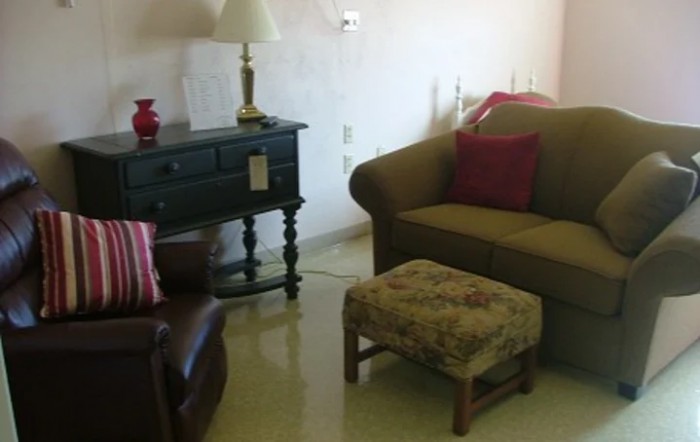
  • Fully furnished Fully furnishedFully furnished senior living communities are important for seniors because they provide convenience, comfort, and a hassle-free moving experience. Seniors can easily settle into their new living space without the stress of having to buy and move furniture. This allows them to focus on enjoying their new home and community.
  • Gaming room Gaming roomGaming rooms are important for seniors as they provide a fun and engaging environment for socializing, cognitive stimulation, and physical activity. Games can improve memory, problem-solving skills, and overall mental well-being while fostering friendships and reducing feelings of isolation.
  • Garden GardenGardens are important for seniors as they provide a peaceful and therapeutic environment for relaxation, physical activity, and socialization. Being in nature has been shown to reduce stress, improve mood, and promote overall well-being. Gardens also offer opportunities for seniors to engage in gardening activities, which can improve mobility, flexibility, and cognitive function. Additionally, gardens create a sense of community and connection with others who share a passion for plants and outdoor spaces.
  • Housekeeping services Housekeeping servicesHousekeeping services are important for seniors because they help maintain a clean and safe living environment, promote independence, and reduce the risk of accidents or illnesses. Additionally, having assistance with household chores can alleviate physical strain and allow seniors to focus on other aspects of their well-being.
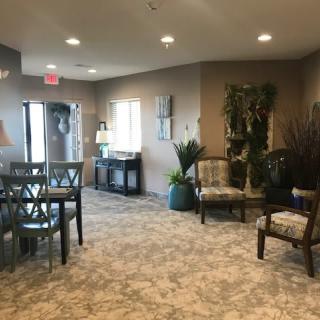
  • Indoor common areas Indoor common areasIndoor common areas are crucial for seniors as they provide a space for socialization, recreation, and community engagement, promoting overall well-being and reducing feelings of isolation and loneliness.
  • Kitchenette KitchenetteKitchenettes are important for seniors living in senior living communities because they provide the convenience and independence of being able to prepare simple meals and snacks in the comfort of their own living space. This can help promote a sense of autonomy and well-being for seniors, allowing them to maintain some level of control over their dietary choices and daily routines.
  • Move-in coordination Move-in coordinationMove-in coordination is important for seniors because it helps ease the transition into their new living environment. It ensures that all logistics, such as packing, organizing movers, and setting up utilities are taken care of, allowing seniors to focus on settling in and adjusting to their new home. Having a smooth move-in process can alleviate stress and anxiety, making the transition smoother and more enjoyable for seniors.
  • Outdoor space Outdoor spaceOutdoor spaces are important for seniors as they provide opportunities for physical activity, social interaction, exposure to natural light and fresh air, and a sense of connection to nature. Having access to outdoor spaces can improve overall well-being and quality of life for older adults living in senior communities.
  • Private bathrooms Private bathroomsPrivate bathrooms are important for seniors in senior living communities because they provide independence, dignity, and comfort. Having a private bathroom allows seniors to maintain their personal hygiene routines without the need for assistance, promoting a sense of autonomy and privacy. Additionally, private bathrooms help prevent the spread of infections and provide a safe and clean environment for seniors to navigate safely.
  • Restaurant-style dining Restaurant-style diningRestaurant-style dining is important for seniors because it allows them to enjoy delicious, nutritious meals in a social and upscale setting. This enhances their dining experience, promotes healthy eating habits, and fosters socialization with fellow residents, ultimately contributing to their overall well-being and quality of life.
  • Small library Small librarySmall libraries are important for seniors as they provide access to a variety of reading materials, including books, newspapers, and magazines. This can help stimulate their minds, keep them engaged, and provide a sense of community through book clubs and other social activities. Additionally, reading has been shown to improve cognitive function and overall mental well-being in older adults.
  • Telephone TelephoneTelephones are important for seniors as they provide a lifeline for communication with loved ones, emergency services, and healthcare providers. They offer a sense of security and independence, enabling seniors to stay connected and access assistance when needed.
  • Wellness center Wellness centerWellness centers are important for seniors because they offer a variety of programs and services that promote physical, mental, and emotional well-being. These centers provide opportunities for exercise, socialization, education, and relaxation, helping seniors maintain their overall health and quality of life.
  • Wi-Fi/high-speed internet available Wi-Fi/high-speed internet availableWi-Fi/high-speed internet is important for seniors to stay connected with loved ones, access online resources, and participate in virtual activities to combat feelings of loneliness and isolation. It also allows them to easily manage healthcare needs, access entertainment, and engage in lifelong learning opportunities.

Transportation

  • Community operated transportation Community operated transportationCommunity operated transportation is crucial for seniors as it provides them with the means to access essential services, social activities, and medical appointments. It allows seniors to maintain their independence and quality of life by ensuring they can participate in activities outside of their homes. Additionally, community-operated transportation services offer a safe and reliable way for seniors to travel without having to rely on family or friends for assistance.
  • Transportation arrangement Transportation arrangementTransportation arrangements are crucial for seniors as they may face challenges with driving, mobility, or access to public transportation. Having reliable transportation services ensures that seniors can easily attend appointments, social activities, and maintain their independence and quality of life.

Care Services

  • 24-hour call system 24-hour call system24-hour call systems are important for seniors because they provide peace of mind and immediate assistance in case of emergencies. This technology ensures that help is always available, promoting safety and security for elderly individuals living alone or in assisted living facilities.
  • 24-hour supervision 24-hour supervision24-hour supervision is important for seniors to ensure their safety, well-being, and access to immediate assistance in case of emergencies or health issues. This constant support provides peace of mind for both seniors and their loved ones, allowing them to age in place with dignity and security.
  • Activities of daily living assistance Activities of daily living assistanceActivities of daily living assistance are important for seniors because they provide essential support with tasks such as eating, bathing, dressing, and mobility. This assistance helps seniors maintain their independence, dignity, and overall quality of life as they age.
  • Ambulatory care Ambulatory care"Ambulatory care services provide essential medical support and treatment to seniors without requiring hospitalization, allowing them to maintain their independence and quality of life while managing chronic conditions or receiving routine medical care."
  • Assistance with bathing Assistance with bathingAssistance with bathing is crucial for seniors as it helps maintain personal hygiene, prevents infections, and ensures their overall well-being and comfort. It also provides a sense of dignity and independence for seniors who may struggle with this task on their own.
  • Assistance with dressing Assistance with dressingAssistance with dressing is important for seniors because it helps maintain their independence, promotes personal hygiene, prevents accidents and injuries, and improves overall quality of life. This service ensures that seniors can continue to dress comfortably and confidently, despite any physical limitations they may have.
  • Assistance with transfers Assistance with transfersAssistance with transfers is crucial for seniors as it helps prevent falls and injuries, maintains their independence, and ensures they can safely navigate their living environment. It also provides peace of mind for both seniors and their loved ones.
  • Diabetes diet Diabetes dietA diabetes diet is crucial for seniors as it helps manage blood sugar levels, reduce risks of complications, and improve overall health and well-being. By following a balanced and nutritious diet tailored to their specific needs, seniors can better control their diabetes and enhance their quality of life.
  • Diabetic care Diabetic careDiabetic care is crucial for seniors as they are more susceptible to developing diabetes due to aging and other health conditions. Proper management of diabetes can help prevent complications such as heart disease, vision loss, and nerve damage, improving the overall quality of life for seniors in senior living communities.
  • Meal preparation and service Meal preparation and serviceMeal preparation and service are crucial for seniors as they may have limited mobility or energy to cook nutritious meals. Having access to healthy and convenient food options can ensure they are getting the proper nutrition needed to maintain their overall health and well-being.
  • Medication management Medication managementMedication management is crucial for seniors to ensure they are taking the right medications at the correct dosages and times. This helps prevent adverse drug interactions, reduces the risk of medication errors, and promotes overall health and well-being. Proactive management also allows for adjustments as needed based on changing health conditions or new prescriptions.
  • Special dietary restrictions Special dietary restrictionsSpecial dietary restrictions are important for seniors because age-related changes in metabolism and health conditions can make it difficult for their bodies to process certain foods. By following a diet tailored to their specific needs, seniors can maintain their overall health and well-being, manage chronic conditions, and reduce the risk of complications such as malnutrition or food interactions with medications.

Dining

  • Diabetes diet Diabetes dietA diabetes diet is crucial for seniors as it helps manage blood sugar levels, reduce risks of complications, and improve overall health and well-being. By following a balanced and nutritious diet tailored to their specific needs, seniors can better control their diabetes and enhance their quality of life.
  • Meals provided Meals provided"Meals provided" are crucial for seniors in assisted living communities as it ensures they have access to nutritious, balanced meals without the stress of meal planning and preparation. This can help promote overall health and well-being for seniors who may have limited mobility or cognitive abilities.
  • Special dietary restrictions Special dietary restrictionsSpecial dietary restrictions are important for seniors because age-related changes in metabolism and health conditions can make it difficult for their bodies to process certain foods. By following a diet tailored to their specific needs, seniors can maintain their overall health and well-being, manage chronic conditions, and reduce the risk of complications such as malnutrition or food interactions with medications.

Activities

  • Activities on-site Activities on-siteActivities on-site are important for seniors because they provide opportunities for socialization, mental stimulation, physical activity, and overall well-being. Engaging in activities can help seniors stay active, maintain their independence, and improve their quality of life.
  • Community-sponsored activities Community-sponsored activitiesCommunity-sponsored activities are important for seniors as they provide opportunities for social interaction, mental stimulation, and physical activity. These activities can help improve overall well-being, combat loneliness and isolation, and promote a sense of belonging and purpose among older adults.
  • Concierge services Concierge servicesConcierge services are essential for seniors as they provide assistance with daily tasks and errands, enhance their quality of life by offering convenience and personalized care, and promote a sense of safety and security.
  • Devotional activities offsite Devotional activities offsiteDevotional activities offsite are important for seniors because they provide social engagement, spiritual growth, and a sense of community outside of their living environment. This can improve overall well-being, mental health, and combat feelings of isolation or loneliness.
  • Fitness programs Fitness programsFitness programs are crucial for seniors as they help improve strength, flexibility, balance, and overall well-being. Staying active can reduce the risk of chronic diseases, improve mental health, and enhance quality of life in older adults.
  • Planned day trips Planned day tripsPlanned day trips are important for seniors because they offer opportunities for socialization, mental stimulation, and physical activity. They provide a change of scenery and help seniors stay engaged and connected to their community, promoting overall well-being and quality of life.
  • Resident-run activities Resident-run activitiesResident-run activities are important for seniors as they encourage social interaction, creativity, and a sense of autonomy. These activities empower seniors to stay engaged and active in their community while fostering meaningful connections with their peers.
  • Scheduled daily activities Scheduled daily activitiesScheduled daily activities are important for seniors because they provide structure, socialization, mental stimulation, and physical activity. Engaging in regular activities can improve overall well-being and quality of life for seniors living in a community setting.

Description

Macon Health Care Center in Macon, MO is a vibrant and welcoming assisted living community that offers a wide range of amenities and care services to ensure the comfort and well-being of its residents. The community boasts an array of amenities to enhance the quality of life, including a beauty salon for personal grooming needs, cable or satellite TV for entertainment, a computer center for staying connected, and a gaming room for leisure activities. Residents can enjoy delicious meals in the dining room with restaurant-style dining options or prepare their own meals in the kitchenette provided in each apartment. The community also features outdoor space and a garden where residents can relax and enjoy nature.

In terms of care services, Macon Health Care Center provides round-the-clock supervision and assistance with activities of daily living such as bathing, dressing, and transfers. The staff is trained to assist with medication management and special dietary restrictions like diabetes diets. Additionally, the community offers transportation arrangement for medical appointments or other outings.

Residents at Macon Health Care Center have access to numerous activities designed to promote physical fitness and social interaction. Fitness programs are available to help residents stay active and maintain their well-being. Planned day trips provide opportunities for exploration and enjoyment outside the community. Resident-run activities allow individuals to pursue their interests while scheduled daily activities ensure there is always something engaging happening within the community.

The surrounding area offers plenty of conveniences with cafes, pharmacies, physicians' offices, restaurants, transportation options, places of worship, theaters, and hospitals located nearby. This adds to the convenience and accessibility for both residents and their families.

Overall, Macon Health Care Center is dedicated to providing seniors with a comfortable and supportive environment where they can live independently while receiving personalized care as needed.

Nearby Places of Interest

Places of Worship

  • United Trinity Church (0.1 miles)
  • First Christian Church-Disciples of Christ (0.7 miles)
  • Brush Creek Primitive Baptist Church (0.7 miles)
  • Church Of God Holiness (1.3 miles)
  • General Conference Of Seventh-Day Adventists (1.4 miles)
  • Southern Baptist Convention (1.5 miles)
  • Zion Lutheran Church (1.5 miles)

Restaurants

  • Champs Chicken (0.6 miles)
  • Pizza Hut (0.8 miles)
  • Subway (0.8 miles)
  • China Garden (0.8 miles)
  • Raspberry's Bar-BQ (0.9 miles)
  • McDonald's (1 miles)
  • Taco Bell (1 miles)

Physicians

  • Midwest Bone & Joint Center, PC (0.6 miles)
  • Long Branch Dental Group (0.8 miles)
  • Macon Medical Clinic (1.1 miles)
  • Clarence Medical Clinic (10.2 miles)
  • Centric Heart & Vascular (21.6 miles)
  • Surgery Center of Northcentral Missouri (21.6 miles)

Pharmacies

  • Walmart Pharmacy (0.7 miles)
  • Red Cross Pharmacy (1.2 miles)
  • Miller Rexall Drug (1.7 miles)
  • Johnston Drug (10.1 miles)
  • Walmart Pharmacy (21.6 miles)
  • Walgreens (21.9 miles)
  • Best Buy Pharmacy Of Shelbina (22.3 miles)

Transportation

  • U-Haul Neighborhood Dealer (0.9 miles)
  • Cutting Edge Taxidermy (1.7 miles)
  • Macon-Fower Memorial Airport (K89) (2.1 miles)
  • U-Haul Neighborhood Dealer (21.5 miles)

Hospitals

  • Samaritan Hospital (1.1 miles)
  • My Eye Doctor (21.5 miles)

Parks

  • Stephens Park (1.5 miles)

Theaters

  • Maples Repertory Theatre (1.7 miles)
  • Moberly Five And Drive (21 miles)
  • B&B Moberly 5 (21.1 miles)

Cafes

  • Maple City Roasters (1.8 miles)
  • Javasmith (2.2 miles)
  • Grand Street Cafe (10.1 miles)
  • Fletchers Cafe (10.2 miles)
  • Novelty Cafe (21.8 miles)

Frequently Asked Questions

Where is Macon Health Care Center?
Does Macon Health Care Center provide care for residents with dementia or Alzheimer's disease?
What photos are available for Macon Health Care Center in Macon, Missouri?

Nearby Communities

  • Bristol Manor Of Macon

    Bristol Manor Of Macon

    Macon, MO

    5 from 1 review
    $1,975 to $2,975 / month

    pro Intimate, personalized care in a small community with affordable rates.

  • Bristol Manor - Macon

    Bristol Manor - Macon

    Macon, MO


    pro Fully furnished with 24/7 supervision and restaurant-style dining.

  • Weller Place

    Weller Place

    Macon, MO

     
    $2,750 to $5,300 / month

    pro Strong amenities and services (on-site activities, beautician, meals, medication management) that support active, comfortable living.

  • Weller Place Retirement Center

    Weller Place Retirement Center

    Macon, MO


    pro Fully furnished apartments with 24-hour supervision, ADL assistance, meals, medication management, and outdoor space in a convenient location.

  • Loch Haven

    Loch Haven

    Macon, MO

    4.8 from 6 reviews
     

    pro Compassionate, relationship-focused care in a home-like setting.

  • Clarence Care Center

    Clarence Care Center

    Clarence, MO

    4.6 from 33 reviews
     

    pro Caring staff with personalized attention in a clean, well-maintained environment.

Related Resources

  • best foods for dementia patients to eatNourishing the Mind: Essential Dietary Approaches for Dementia

    Dementia is characterized by cognitive decline, with nutrition playing a vital role in brain health; while no specific diet can prevent or reverse it, a nutrient-dense diet rich in antioxidants and healthy fats may support cognitive function. The MIND diet, which emphasizes beneficial foods and limits processed items, along with proper hydration and individualized meal strategies, can enhance the well-being of dementia patients.

  • dementia behaviorsUnderstanding Dementia Behaviors: Practical Insights and Strategies for Caregivers

    Dementia affects memory and cognitive function in older adults, presenting challenges for caregivers due to behavioral changes such as confusion and mood swings. Compassionate, person-centered care that considers individual history and preferences, along with effective communication and environmental modifications, is essential for supporting both patients and their caregivers.

  • dementia and angerWhen Dementia Sparks Anger and Aggression: Understanding the Connection and Ways to Cope
    Dementia leads to cognitive impairment and can cause emotional and behavioral changes, including aggression that arises from frustration, confusion, or fear. Effective coping strategies for caregivers include understanding dementia's nature, recognizing triggers, using empathetic communication, and employing non-pharmacological interventions like music and art therapy.