



510 Weller St, Macon, MO 63552
To contact a resident: (660) 395-2273
For more information about senior living options: (866) 208-4318
Weller Place Costs & Pricing
Weller Place offers competitive pricing for its accommodations, particularly when comparing monthly costs across local and state averages. The studio apartments at Weller Place are priced at $2,750, which is notably higher than the Macon County average of $2,345 but lower than the state average of $3,418. For those seeking more space, Weller Place's two-bedroom units are offered at $5,300, aligning with the Macon County rate but significantly exceeding Missouri's overall average of $3,675. This positioning highlights Weller Place's commitment to providing quality living options that reflect both local and regional market dynamics.
| Floor plans | Weller Place | Macon County | Missouri |
|---|---|---|---|
| Studio | $2,750 | $2,345 | $3,418 |
| 2 Bedrooms | $5,300 | $5,300 | $3,675 |
Overall Review of Weller Place
Pros
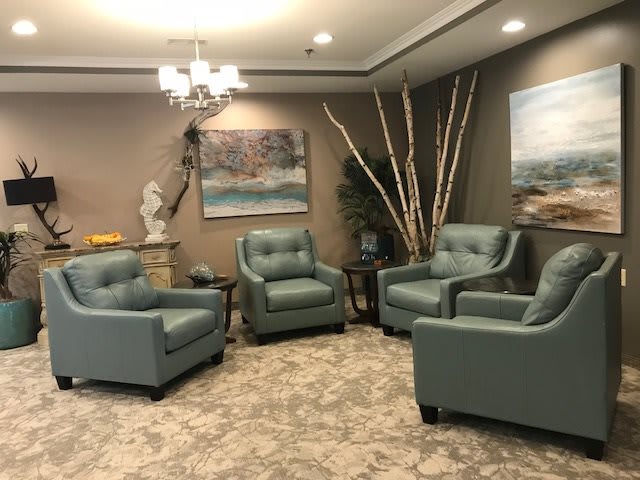
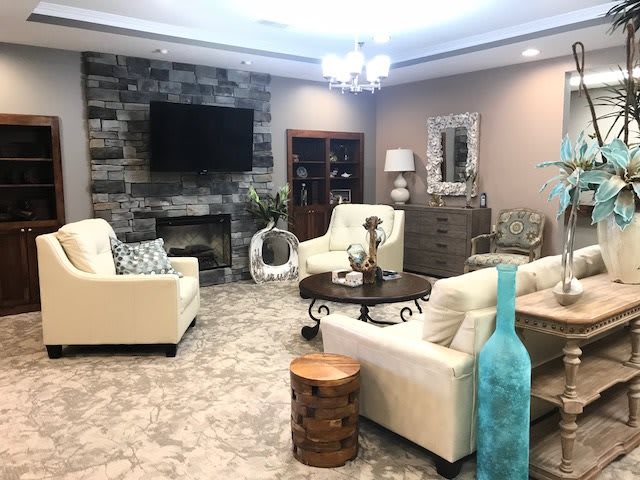
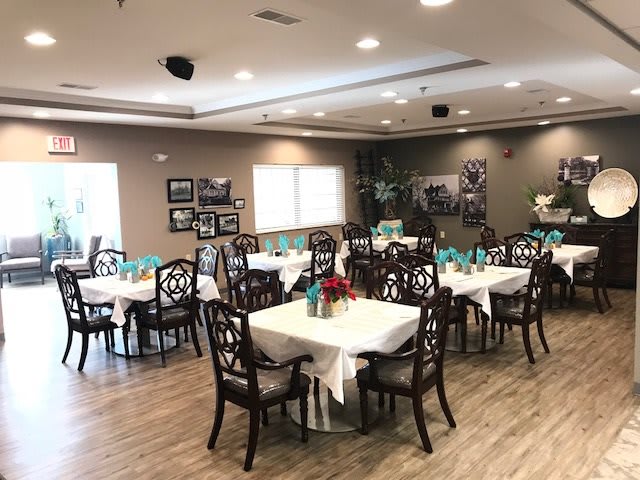
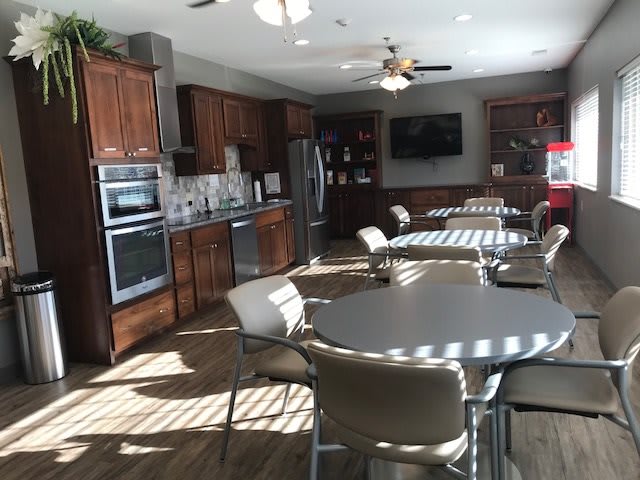
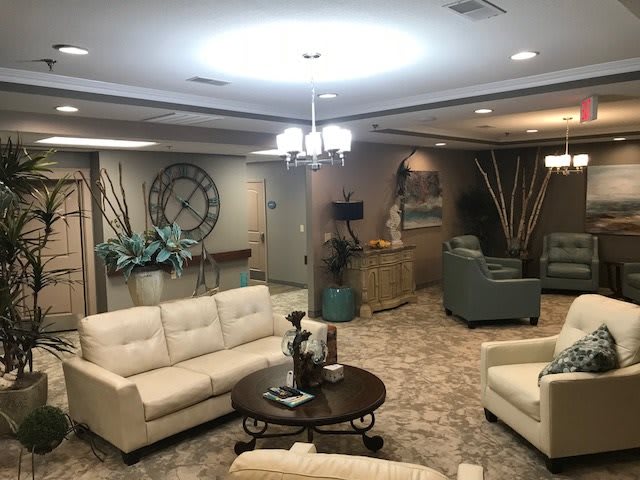
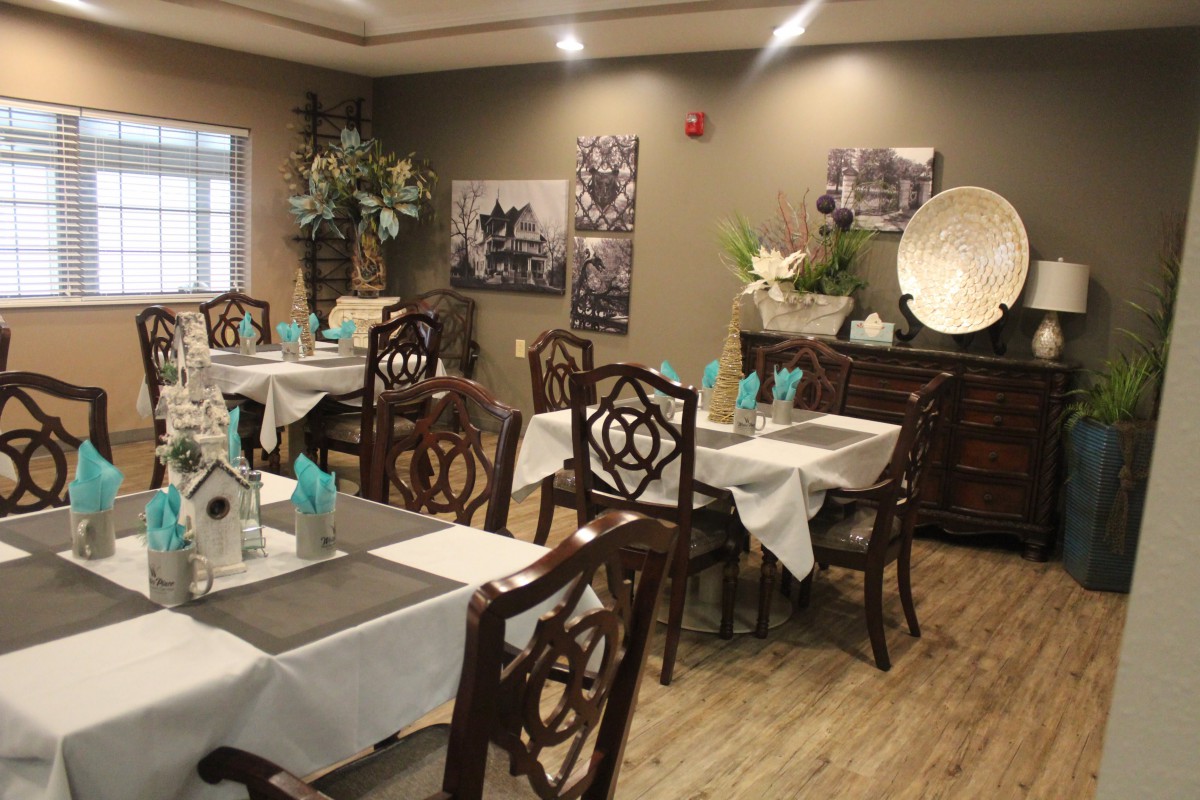
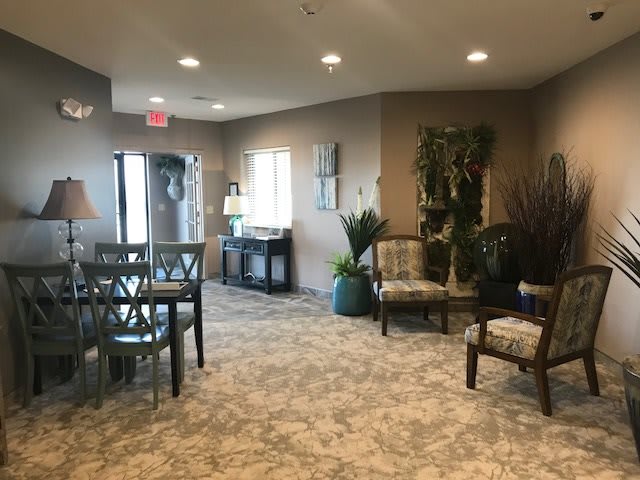
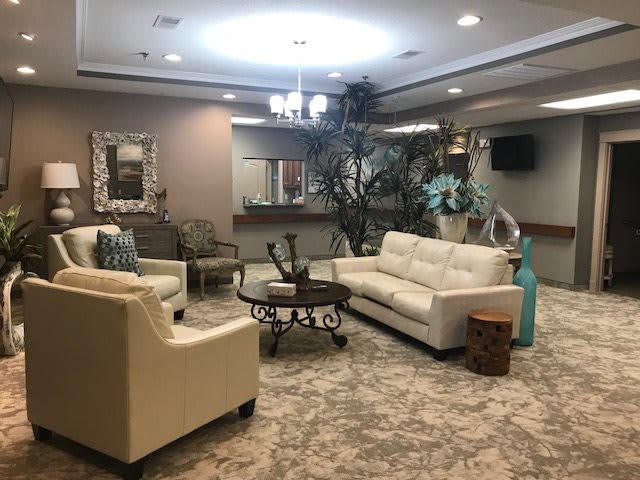
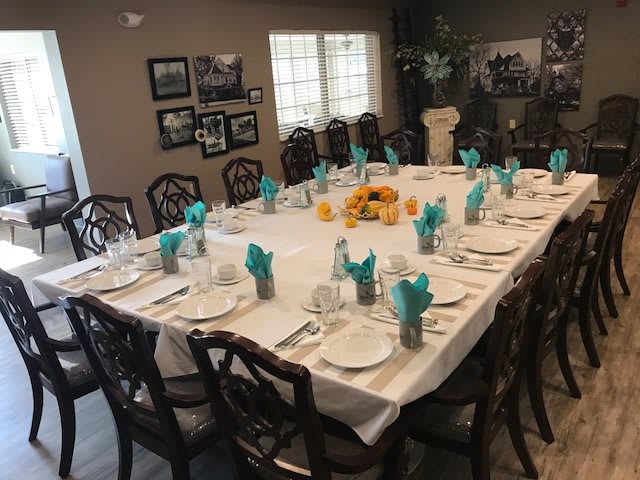
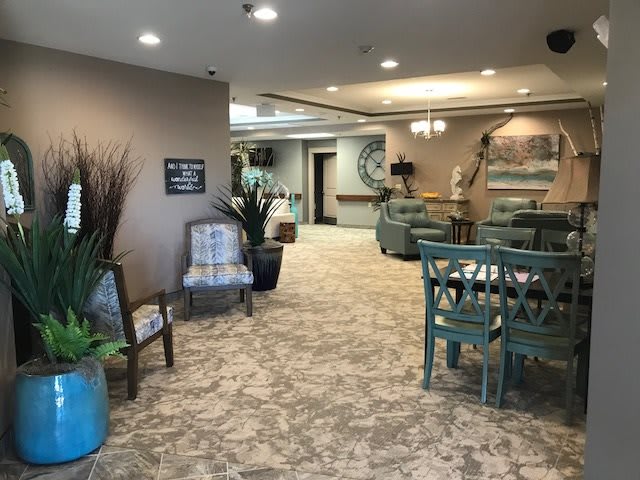
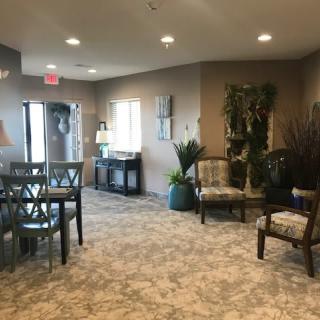
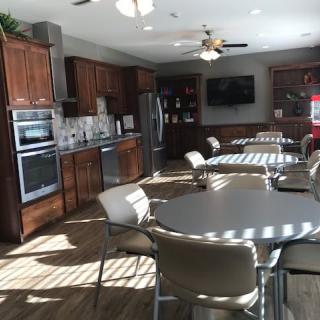
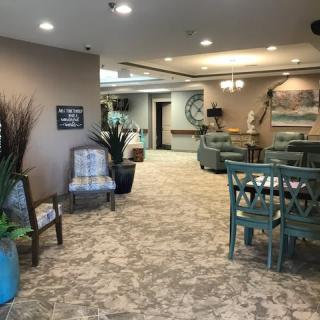
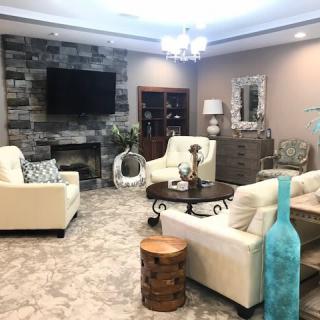
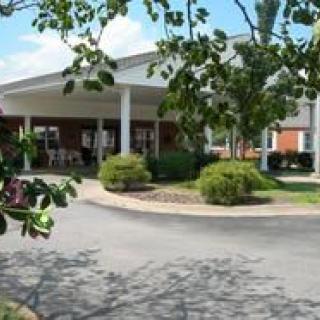
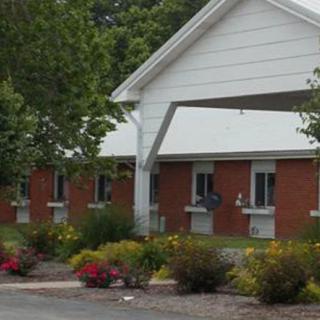
 Weller Place has one of the most beautiful facilities you can imagine.
- The building feels homey and is very well-designed.
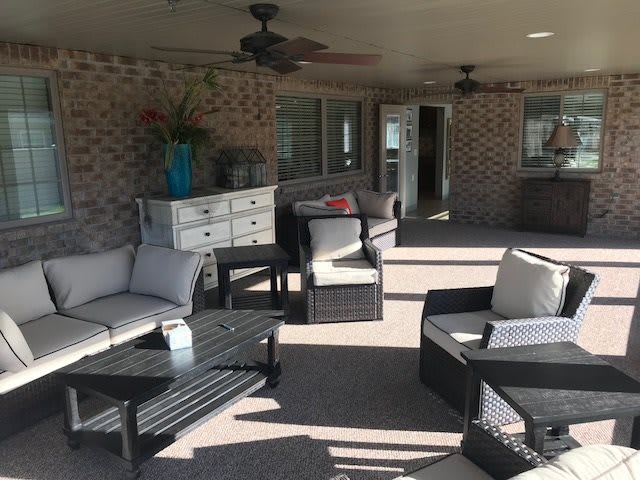
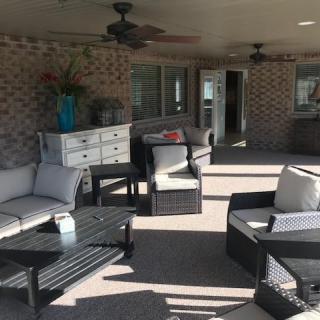
- It even has a screened-in back porch for its residents.
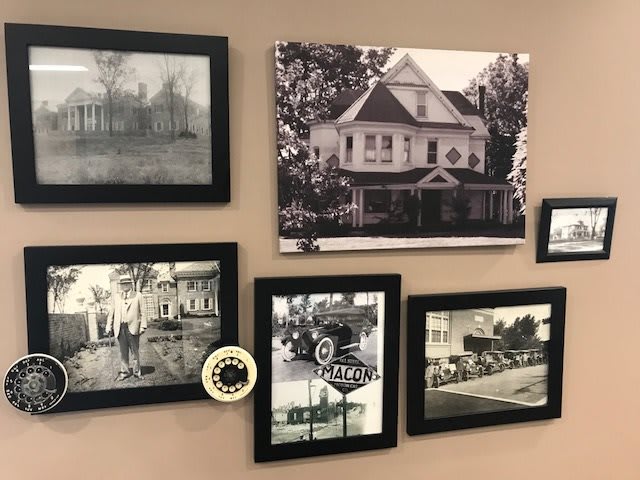
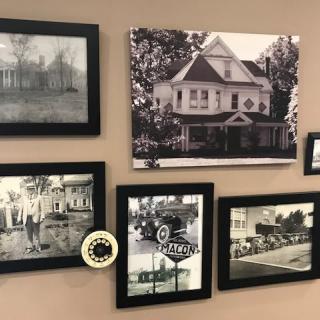
- Whoever did the decorating did a really good job.
Cons
 The facility is always short-staffed, with staff unable to consistently help or care for residents.
- There are no activities or planned social events for residents, and no activity staff on site.
- Meals are often just hot dogs and tater tots, rarely providing a balanced diet with fruits or vegetables.
- The outdoor concrete near the door is not softened and presents a trip/fall hazard for elderly residents.
Review
Weller Place in Macon, MO is best suited for seniors who prize a warm, aesthetically pleasing home-like setting and can navigate daily living with minimal reliance on staff-led programming. The facility’s standout strength is its design: inviting, well-appointed spaces, a homey atmosphere, and thoughtful touches such as a screened porch that can make everyday moments feel more comfortable. For residents who want a tranquil, visually appealing environment and are capable of managing most activities with occasional assistance, this community offers a reassuring, low-stress backdrop. Families seeking a picturesque place to call home-and-care should take notice, recognizing that ambiance can significantly influence mood and comfort during the transition.
Explicitly, alternatives should be considered for anyone who places a high priority on structured social engagement, frequent activities, and consistent, nutritionally balanced meals. Those who want regular church services, live music, planned outings, or a lively calendar of events will likely feel disappointed by the current gap in programming. Similarly, families whose loved ones rely on steady staffing to help with daily tasks, or who require predictable, high-quality meals with daily fruits and vegetables, will want to explore other options. In short, this community may not meet expectations for meaningful social participation or robust dietary oversight.
The strongest pro, an exquisitely designed, welcoming campus, creates an immediate sense of safety and comfort. Residents can enjoy a calm, home-like environment that reduces the stress of relocation and provides pleasant spaces for visiting family. A well-conceived layout, tasteful décor, and a porch area contribute to overall morale and can make routine days more enjoyable. These positives matter when a senior is transitioning from a more institutional setting and needs a dignified, comforting place to live. Yet, all this beauty cannot compensate for what appears to be system-wide gaps in activity provision and daily oversight.
The most consequential drawbacks are staffing and activity shortfalls, coupled with concerns about daily nourishment. Persistent understaffing translates into delayed responses, limited assistance with basic needs, and a sense that residents’ concerns are not promptly addressed. The absence of an activities coordinator or regular social programming translates into loneliness and limited opportunities for cognitive and physical engagement. Meals, described in at least one account as frequently consisting of hot dogs and tater tots with little fruit or vegetables, undermine nutritional goals and overall well-being. Safety is also a concern, concrete areas near exits without protective coatings raise trip-risk questions for older adults who are prone to slips and falls.
In balancing these factors, the beauty and comfort of the facility do not sufficiently offset the core deficits in engagement, care, and nutrition. For a resident who values quiet, predictable surroundings and can happily rely on family or outside resources to provide activities and social connections, Weller Place can be a sound fit. However, for seniors who thrive on daily programming, continuous staff interaction, and consistently balanced meals, the cons significantly undermine daily quality of life. Families should view the setting as a sanctuary of aesthetics rather than a complete care solution, and should plan to supplement with external activities, meal planning, and regular check-ins with management.
The bottom-line recommendation is practical and clear: Weller Place is worth considering only when ambiance and a homelike mood are the primary criteria and expectations for programming and nutrition are intentionally managed from outside the facility. Prospective residents who require daily activity directions, frequent social events, reliable staff responsiveness, and meals that meet rigorous nutritional standards will want to compare alternatives that prioritize those elements. When a decision hinges on a strong preference for a serene, attractive environment and the ability to supplement care externally, Weller Place earns a cautious nod; otherwise, families should press for more robust staffing, a formal activity calendar, and a more consistent, healthful dining plan before committing.
 Assisted Living
 Activities off-site
 Beautician on-site
 Devotional services off-site
 Indoor common areas
 Outdoor common areas
 Wheelchair accessible showers
 Ambulatory care
 Diabetic care
 Medication management
 Meals provided


 Senior Transition Services: Understanding Their Role, Cost, and Importance
 Exploring the Path to Senior Living: A Comprehensive Look at Independent Living and Assisted Living
 Is Assisted Living Deductible on Your Taxes? Understanding the Complexities of Assisted Living Expenses and Deductions