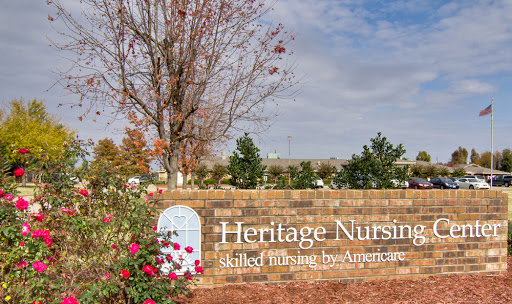
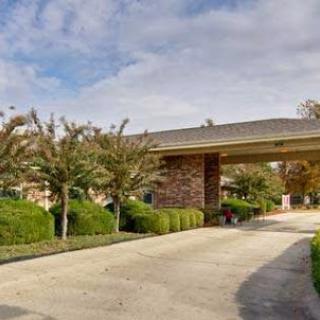


1802 St. Francis, Kennett, MO 63857
For more information about senior living options: (866) 208-4318
Heritage Nursing Center Costs & Pricing
At Heritage Nursing Center, the monthly costs for care indicate a premium service that aligns with the facility's commitment to quality. For a semi-private room, residents can expect to pay $4,453, which is notably higher than the average cost of $3,637 in Pemiscot County and $3,772 across Missouri. Those opting for a private room at Heritage will find the rate set at $4,605, which matches the county's average but exceeds the state average of $4,483. These figures reflect not only the level of personalized care and amenities offered by Heritage Nursing Center but also its positioning within the broader landscape of nursing care expenses in both the county and state.
| Floor plans | Heritage Nursing Center | Pemiscot County | Missouri |
|---|---|---|---|
| Semi-Private | $4,453 | $3,637 | $3,772 |
| Private | $4,605 | $4,605 | $4,483 |
Skilled Nursing Facilities with a similar price nearby
-
from -$253 / mo

Manila Healthcare Center
$4,200 / month24.5 miles away
Overall Review of Heritage Nursing Center
Pros
 The staff are great and genuinely care about the patients' quality of life.
- The staff are great for family member care, and families are pleased with their service.
- The nurses, doctors, CNAs, and med techs take excellent care of residents.
- The staff have been helpful and have made transitions easier for families.
- The care at Heritage is excellent.
- Heritage Nursing Home takes pride in caring for patients and making them feel at home.
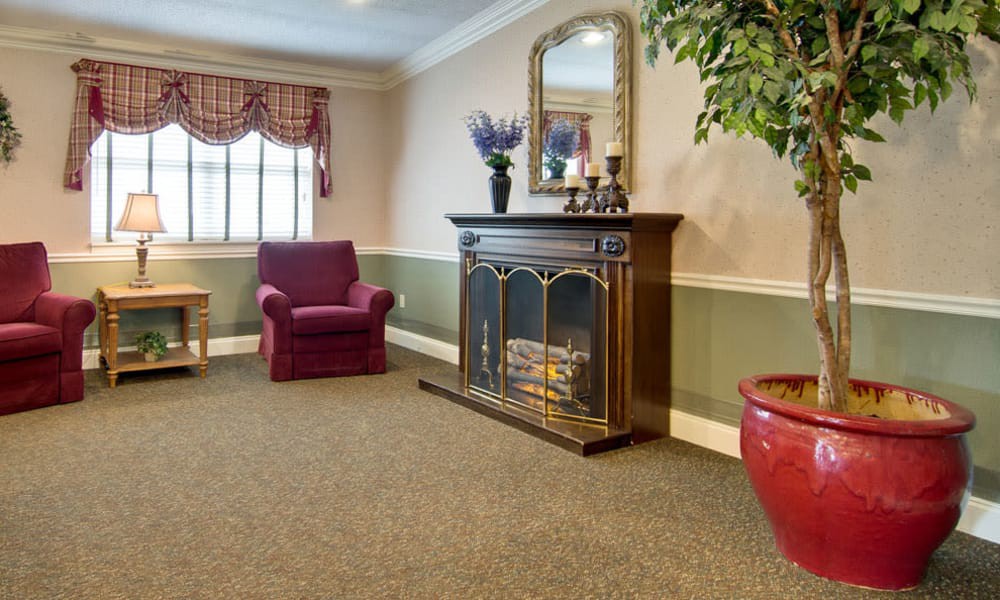
- The facility is clean and odor-free, with attentive and welcoming staff.
- The administrator has done a wonderful job making residents feel at home.
Cons
 They delivered horrible care to his father, and after his death from sepsis, they did not call or offer condolences, treating him as just another body in the building.
- Residents were left waiting to use the restroom for nearly an hour at times, forced to go without the mobility equipment they own, and staff refused to listen to mentally sound residents.
- The food was only acceptable to good, the building facilities were fair to good, and furnishings were worn, with residents having to pay for their adjustable beds.
- A reviewer felt that two CNAs should be on night shift for the number of residents, finding one CNA insufficient.
Review
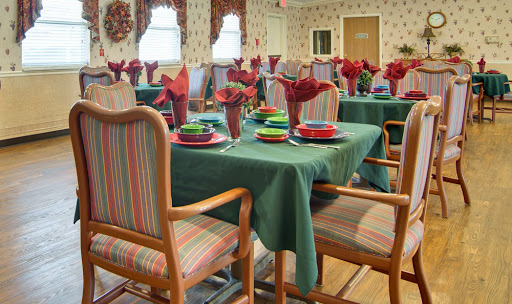
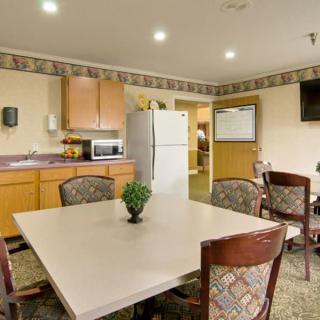
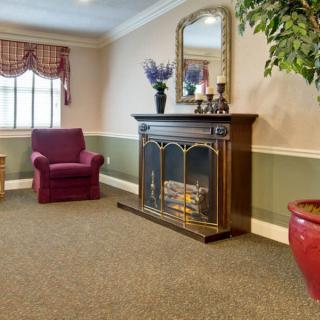
Heritage Nursing Center in Kennett, Missouri, is best suited for families pursuing a warm, highly attentive care environment where rehab and short- to long-term care feel personal and integrated. This community excels for residents who benefit from clear, ongoing communication, hands-on involvement by staff, and a home-like atmosphere that treats daily routines as dignified, manageable tasks rather than impositions. The care model is strongly relationship-driven: nurses, CNAs, and therapists are consistently praised for responsiveness and for providing information that patients and families previously did not receive. For seniors who value a sense of continuity, staff who know names, histories, and preferences, and for families willing to participate in care planning, Heritage offers a practical, reassuring path through recovery, daily living, and aging in place. The feedback from families repeatedly highlights compassionate care, openness to questions, and a commitment to preserving quality of life even when medical needs are complex.
That said, several conditions make alternatives worth considering. The most consequential is the need for around-the-clock, highly specialized medical oversight; some reviewers flag night staffing constraints, with one CNA covering many residents at night. For families with loved ones who require constant monitoring or rapid escalation of medical issues, that gap can be a deal-breaker. Additionally, a stark negative incident, where a patient suffered sepsis and condolences were not extended, cannot be dismissed; it signals that crisis response and condolence norms need scrutiny. While this single account is not representative of every stay, it warrants direct inquiry about staffing models, incident reporting, and how leadership ensures accountability when care lapses occur. Prospective residents should also assess whether the campus suits memory care or mobility-assistance needs beyond standard rehab and assisted living, and whether the cost structure aligns with expectations for what is included versus what requires out-of-pocket funds.
On balance, the strongest advantages hinge on the staff’s dedication and the clean, welcoming environment. Names repeatedly singled out include Ms. Farra Wright, Hanna, Britney, and Lisa, the Director of Nursing, all noted for substantive, patient-centered communication and for easing transitions for families. Administrators like Toni Weber are praised for cultivating an atmosphere that feels like home, with residents dressed, fed, and engaged in meaningful activities. The facility earns frequent praise for odor-free, well-kept rooms and for a level of attentiveness that makes family visits feel valued rather than intrusive. Even residents who rely on family coordination find the system cooperative, with staff often going the extra mile to secure supplies and support. The combination of respectful care, visible pride among the team, and active social engagement helps offset operational frictions, such as occasional delays or delays in access to equipment, by delivering consistent warmth and dependable support.
However, the downsides carry weight that cannot be ignored. Reports of unfavorably delayed restrooms, resistance to providing mobility equipment, and a perception that listening to mentally capable residents is not always prioritized are serious, and they challenge the overall experience. These concerns demand a thorough, ongoing review of staffing, workflow, and resident rights. For families, this means asking pointed questions during tours: what is the night-shift CNA-to-resident ratio, how are restroom assist and mobility needs handled during off-peak hours, and what concrete steps are taken when a complaint surfaces? In addition, probe how the leadership team tracks and reports quality metrics, and whether recent staffing changes have addressed prior gaps. A facility can still deliver warmth and cleanliness while improving critical processes; the key is accountability and a visible plan for sustained improvement. In short, Heritage offers a compelling value proposition, yet its safety and reliability hinges on closing the gaps highlighted by the negative experiences.
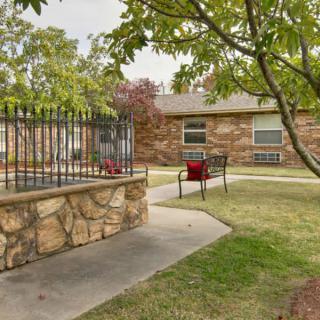
Financially, Heritage presents a mixed picture that families should scrutinize. The base cost covers core nursing and daily living support, but several reviewers note that additional items, ranging from daily living necessities to upgraded furnishings, are paid from residents’ trust funds or separate arrangements. The physical plant is described as clean and well-kept, but furnishings show wear in places, and some residents directly bear costs for amenities such as adjustable beds. These realities underscore the importance of a transparent admissions conversation: what is included upfront, what will require extra funds, and how the facility prioritizes comfort versus value. When matched with a care team that demonstrates genuine concern for residents’ well-being, the financial arrangement can be reasonable; when expectations are misaligned, costs become a stress point. For families able to invest in additional comforts and to coordinate timing of purchases through a trust or future funds, Heritage’s strengths, personalized care, accessible staff, and a home-like culture, often justify the investment.
In the end, Heritage Nursing Center serves as a practical choice for families prioritizing warmth, hands-on care, and a setting that emphasizes dignity and daily living quality. It may be less suitable for those requiring relentless, 24/7 clinical intensity or for anyone unwilling to verify staffing adequacy and complaint-handling mechanisms up front. Prospective movers should schedule targeted conversations with the administrator and DON, visit with the specific care team, and review a detailed care-plan and cost worksheet before deciding. Questions to anchor the decision include night staffing levels, incident history and responses, what the base cost covers, how non-base items are funded, and how residents’ preferences are honored in daily routines. When these boxes are checked affirmatively, Heritage stands out as a thoughtful, capable option that can deliver meaningful life for seniors and reassurance for families navigating a complex transition.
 51 resident community capacity
 Skilled Nursing Facility
 Cats allowed
 Dogs allowed
 Activities off-site
 Air-conditioning
 Beautician on-site
 Cable or satellite TV
 Computer center
 Devotional services off-site
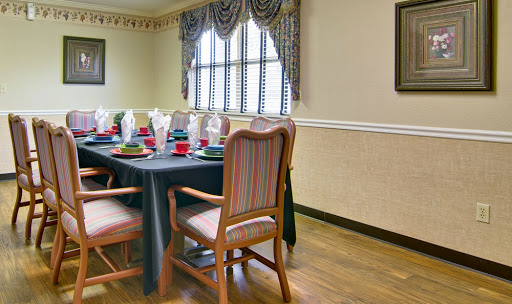
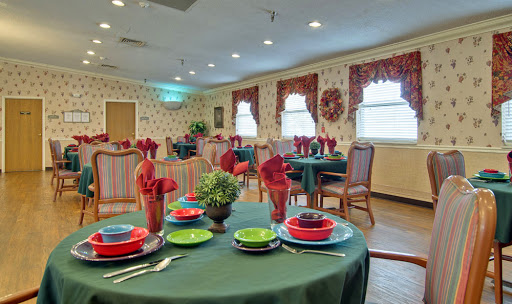
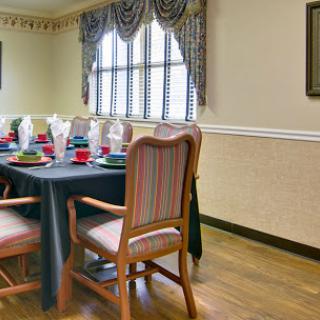
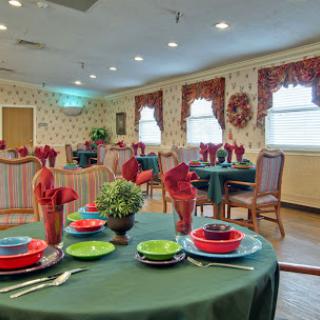
 Dining room
 Fitness room
 Fully furnished
 Gaming room
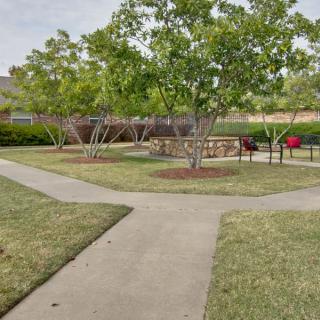
 Garden
 Housekeeping services
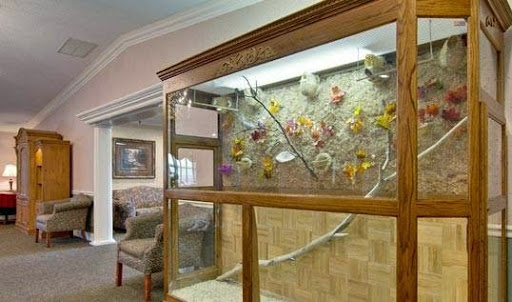
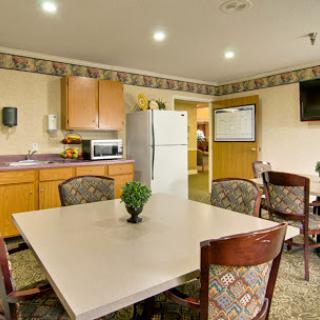
 Indoor common areas
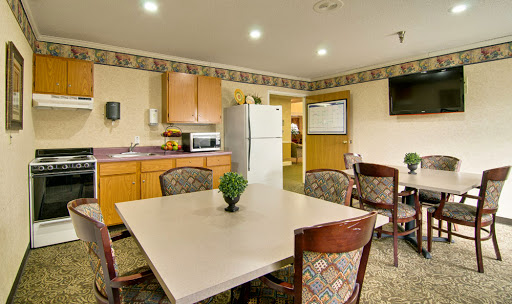
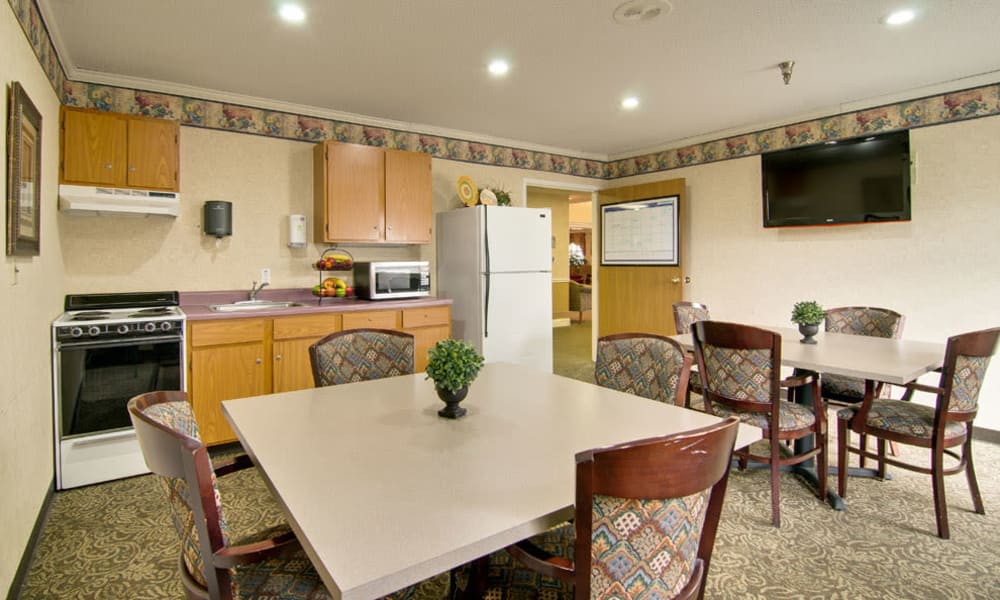
 Kitchenette
 Move-in coordination
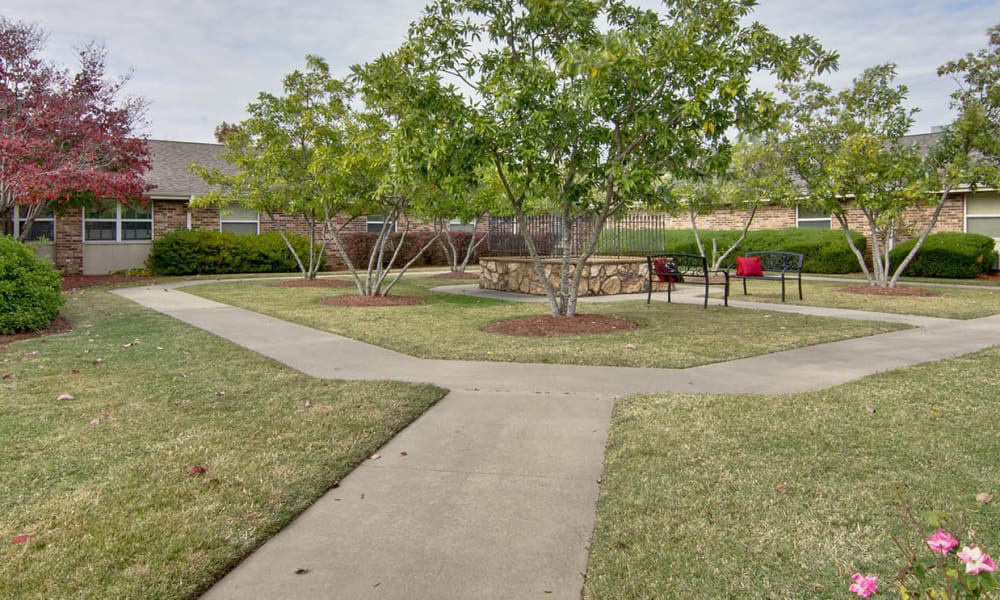
 Outdoor common areas
 Private
 Private bathrooms
 Respite or short term stays offered
 Restaurant-style dining
 Small library
 Telephone
 Wellness center
 Wheelchair accessible showers
 Wi-Fi/high-speed internet available
 Community operated transportation
 12-16 hour nursing
 24-hour call system
 Assistance with bathing
 Assistance with dressing
 Assistance with transfers
 Dementia waiver
 Diabetes diet
 High acuity care
 Hospice waiver
 Incontinence care
 Medication management
 Mental wellness program
 Special dietary restrictions
 Transportation arrangement (medical)
 Concierge services
 Planned day trips


 Comprehensive Guide to Blood Pressure Charts for Older Adults: Understanding Normal and High Readings by Age
 Financing Long-Term Nursing Home Care Through Social Security: A Thorough Exploration
 Essential Knowledge on Pneumonia in Older Adults