For more information about senior living options: (866) 208-4318
3.2 from 97 reviews
5 stars
41
4 stars
7
3 stars
8
2 stars
11
1 stars
30
Overall Review of The Neighborhoods By Tigerplace
common15 reviews mention this
Staff friendliness is uneven
Residents and families mention both very kind staff and moments of rude, unprofessional behavior.
Several reviews describe staff as friendly, caring, and welcoming, with families feeling listened to and updated. Others report unresponsiveness, rudeness, and staff that seem distracted or unwilling to help. Even among more positive experiences, some reviewers still flag staffing pressure and communication gaps that affected day-to-day confidence.
caveat10 reviews mention this
Care delays and missed support
Call-bell issues, long waits, and understaffing come up as recurring problems in reviews.
A recurring concern is difficulty getting help when needed, including call button problems and delayed responses that left residents waiting or wetting themselves. Multiple reviews also describe short staffing that affected oversight, basic support, and safety. Some families say they had to advocate closely to get care delivered as expected.
caveat5 reviews mention this
Medication handling concerns
Some reviewers describe medication errors or missed medication administration.
Several reviews raise serious issues around medication administration, including medications not given as ordered and families noticing changes in condition after medication gaps. Others describe medication supervision problems such as confusion over what was being administered or hours being late. A few reviewers also mention broader concerns about how care requirements and safety were followed.
common6 reviews mention this
Meals are praised and criticized
Dining feedback is mixed, with some calling meals solid while others report poor quality.
A number of reviews say the prepared meals were good, with cooks receiving kudos and residents enjoying meal times. Other reviewers describe food as mediocre to inedible, with missed preferences or meals not matching what residents should eat. A common takeaway is that the dining experience varies depending on the unit and circumstances described.
common6 reviews mention this
Therapy is a mixed experience
Physical and occupational therapy receives both strong praise and sharp criticism in reviews.
Some families describe therapists as supportive and motivating, with rehab progress from limited mobility toward walking and improved daily functioning. Other reviewers report therapy that felt inadequate, disorganized, or not actually provided, alongside concerns about rehab coordination and discharge thoroughness. Even where therapy is praised, some reviewers still tie issues back to staffing levels and care oversight.
caveat8 reviews mention this
Cleanliness and odors divide opinions
Reviews include both clean, well-kept spaces and accounts of strong odors and poor sanitation.
A set of reviews explicitly mention the facility being clean and well maintained, sometimes describing it as fresh or nicely decorated. Others describe unpleasant smells (including urine), unsanitary conditions, and cleanliness issues like dirty bathrooms, overflowing trash, and damaged surfaces. For those reviewers, these problems also connect to concerns about maintenance and safety.
How we summarize
Counts show how many written reviews mention each theme; a review can touch several themes, and only frequently mentioned themes are displayed.
Features
Housing
120 resident community capacity
Types of Care
Skilled Nursing Facility
Amenities
Air-conditioning
Beauty salon
Cable or satellite TV
Computer center
Dining room
Fitness room
Fully furnished
Gaming room
Garden
Housekeeping services
Kitchenette
Move-in coordination
Outdoor space
Private bathrooms
Restaurant-style dining
Small library
Telephone
Wellness center
Wi-Fi/high-speed internet available
Transportation
Columbia Regional (8 miles away)
Community operated transportation
Transportation arrangement
Transportation arrangement (non-medical)
Care Services
12-16 hour nursing
24-hour call system
24-hour supervision
Activities of daily living assistance
Assistance with bathing
Assistance with dressing
Assistance with transfers
Diabetes diet
High acuity care
Meal preparation and service
Medication management
Mental wellness program
Special dietary restrictions
Transportation to doctors appointments
Dining
Diabetes diet
Special dietary restrictions
Activities
Community-sponsored activities
Concierge services
Fitness programs
Planned day trips
Resident-run activities
Scheduled daily activities
Nearby Places of Interest
This area of Columbia, Missouri offers a convenient location with various amenities within close proximity. With several medical facilities nearby such as Columbia Surgical Associates, University Of Missouri Health Care, and the Harry S. Truman Memorial Veterans' Hospital, seniors can easily access quality healthcare services. Additionally, there are multiple dining options including Firehouse Subs, El Maguey, and HuHot Mongolian Grill for convenient meal choices. For leisure activities, residents can enjoy the Columbia STM 14 & RPX theater or relax in one of the nearby parks like Capen Park or Bethel Park. The presence of pharmacies like University Pharmacies and Flow's Pharmacy ensures easy access to prescription medications. Overall, this area provides a mix of healthcare services, dining options, entertainment venues, and outdoor spaces making it a suitable choice for seniors looking for a vibrant community to call home.
Physicians
Jenson, Brandon Dr - Columbia Surgical Associates (0.2 miles)
Columbia Hearing Center (1.4 miles)
University Of Missouri Health Care (1.7 miles)
Aaron Gray, MD (2.1 miles)
Family Health Center East (2.1 miles)
Coyle & Johnson Oral & Maxillofacial Surgery (2.2 miles)
University of Missouri Neurology Clinic (2.2 miles)
Theaters
Columbia STM 14 & RPX (0.8 miles)
Restaurants
Firehouse Subs (1.5 miles)
El Maguey (1.9 miles)
HuHot Mongolian Grill (1.9 miles)
McDonald's (2.1 miles)
Chipotle Mexican Grill (2.1 miles)
Wendy's (2.1 miles)
Culver's (2.1 miles)
Hospitals
University Physicians Neurology Clinic (1.5 miles)
University of Missouri Orthopedic Center (2.1 miles)
Student Health Center (2.2 miles)
St Helena Hospitals (2.2 miles)
Harry S. Truman Memorial Veterans' Hospital (2.2 miles)
University Hospital Medical RCRDS Columbia (2.2 miles)
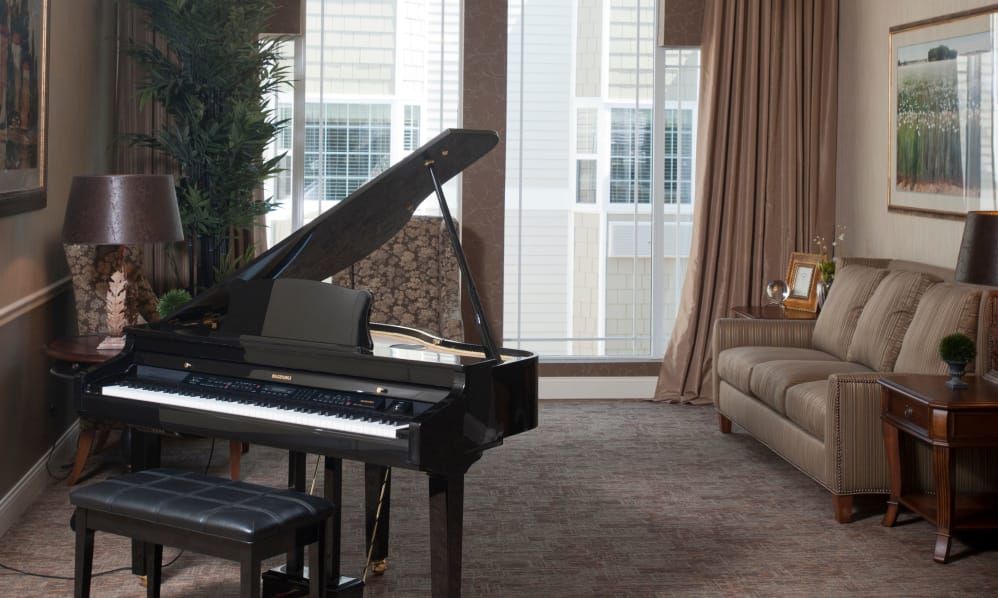
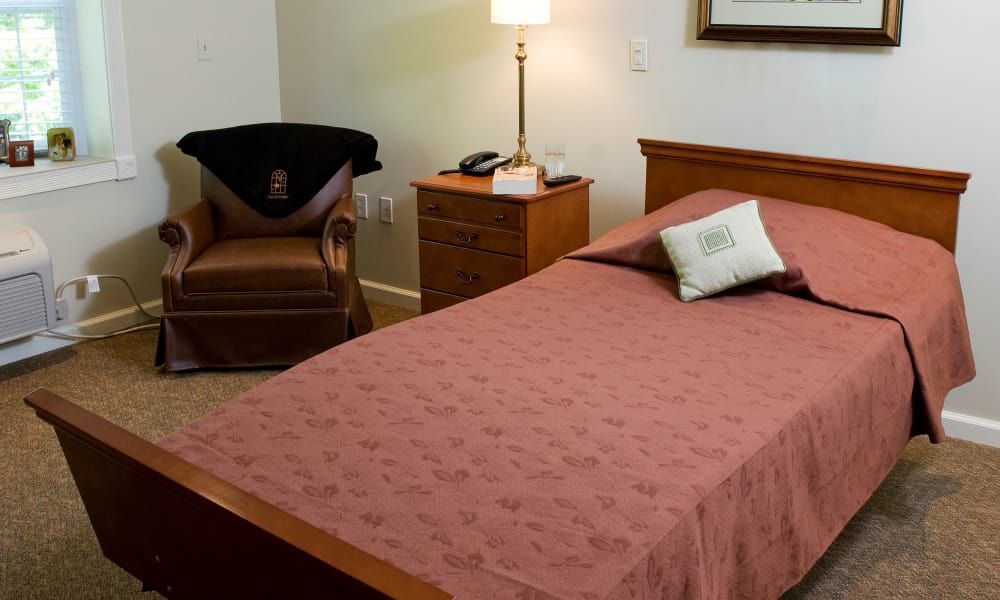
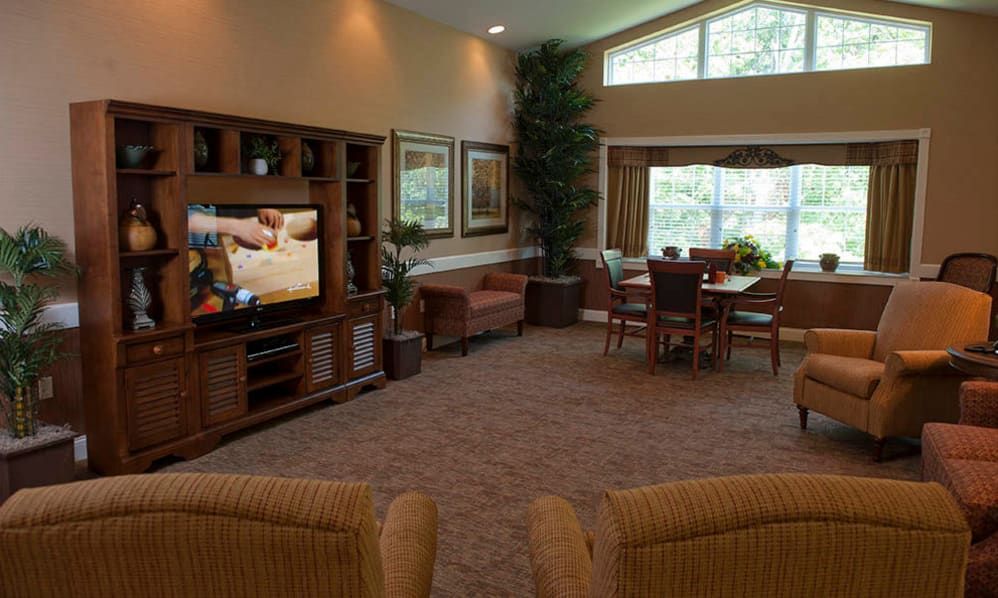
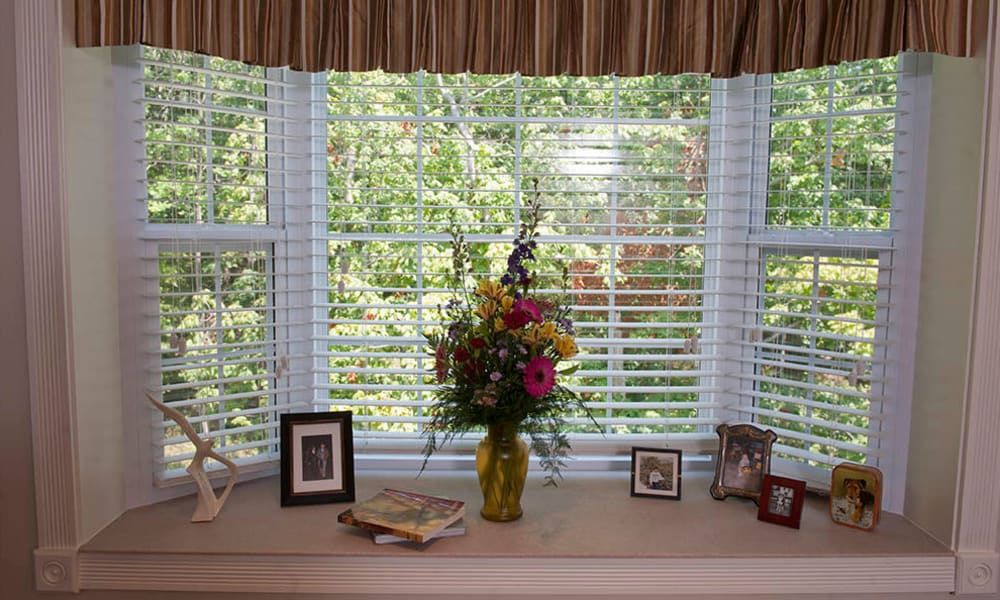
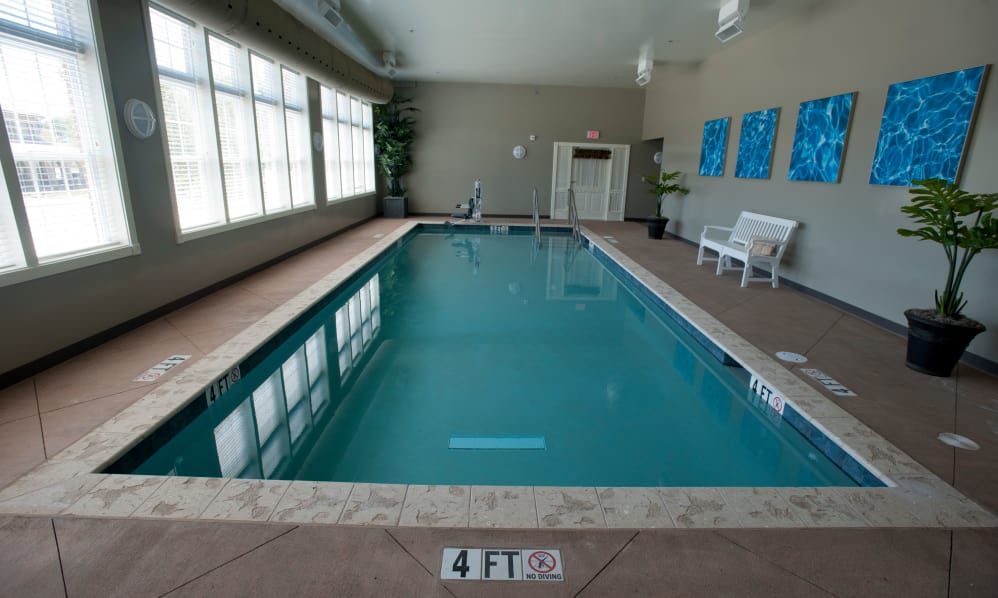
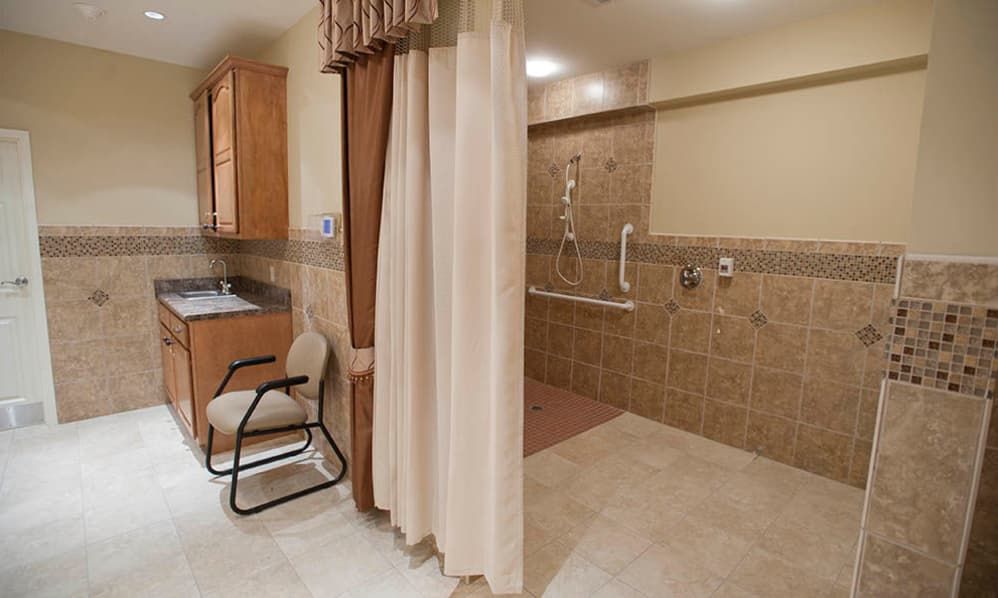
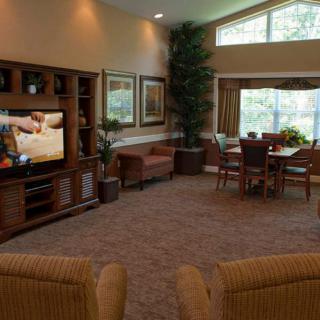
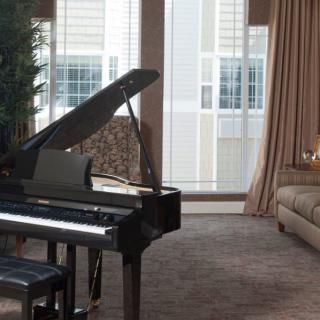
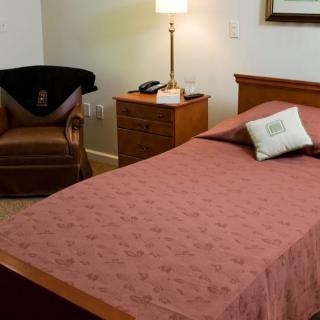
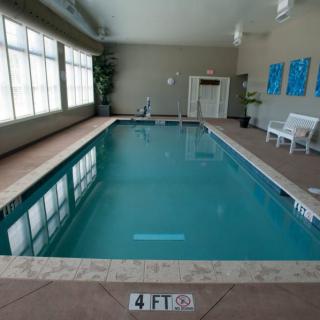
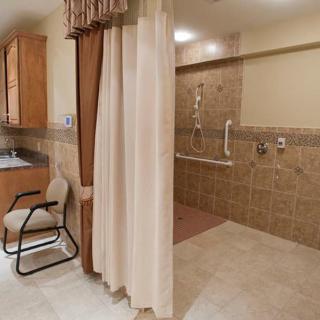
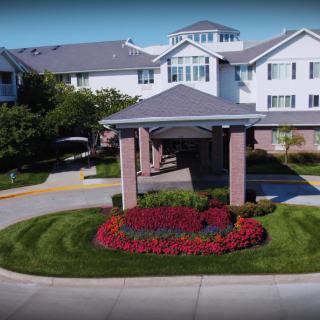
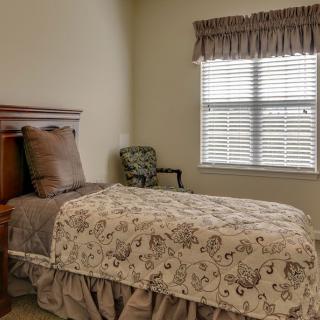
The Neighborhoods By Tigerplace on seniors.fyi includes 7 photos including images showing windows, decor, bedroom, living room, interior, piano, indoor pool, swimming pool, and more.
Nearby Communities
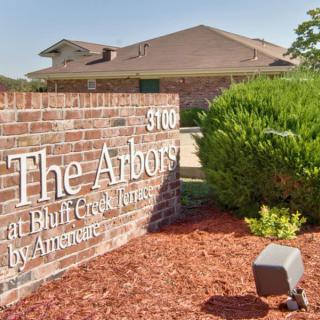
TigerPlace, Bluff Creek Terrace & Arbors
Columbia, MO
$2,610 to $8,250 / month
Prestigious assisted living with personalized care and abundant amenities.
TigerPlace Independent Living by Americare
Columbia, MO
5 from 8 reviews
$3,480 to $5,420 / month
Vibrant community with attentive staff and quality dining.
The Arbors at Bluff Creek Terrace
Columbia, MO
2.3 from 3 reviews
$3,750 to $4,500 / month
Friendly staff and helpful in transitions.
Bluff Creek Terrace Senior Living
Columbia, MO
4.4 from 33 reviews
$3,090 to $4,380 / month
Friendly, attentive staff in a clean, peaceful setting with engaging activities and well-kept facilities.
The Bluffs
Columbia, MO
3.2 from 41 reviews
Caring staff in a pleasant, activity-filled environment.
Lenoir Manor
Columbia, MO
4 from 2 reviews
On-site range of care levels (independent, assisted, skilled) for seamless transitions.
Solstice Senior Living at Columbia
Columbia, MO
4.3 from 170 reviews
$1,895 to $2,995 / month
Flexible care options with a bright, active community and attentive staff.
Bethel Ridge Estates II
Columbia, MO
4 from 12 reviews
Safe, well-maintained community with on-site amenities (library and fitness room).
Colony Pointe Senior Living
Columbia, MO
4.4 from 28 reviews
$4,710 to $5,520 / month
Clean, bright facility with attentive staff and engaging activities in a home-like environment.
Weight training is vital for seniors to maintain muscle mass, bone density, and overall health, combating age-related declines through customized resistance exercises that enhance balance and well-being. Safe routines should start with realistic goals and proper form, while emphasizing gradual progress and consultations with healthcare providers to ensure safety and effectiveness.
The Sandwich Generation comprises adults managing the dual responsibilities of caring for aging parents and raising children, leading to significant emotional, logistical, and financial challenges. This situation is exacerbated by longer life expectancies and cultural expectations, necessitating effective coping strategies and support resources to alleviate caregiver stress and burnout.
The article highlights eight essential assistive devices that improve the independence and safety of older adults, addressing issues related to mobility, balance, vision, hearing, and dexterity. It emphasizes the importance of proper selection guided by healthcare professionals to enhance seniors' quality of life while allowing them to age in place.
Bathroom, Shower, Handrails, and Accessible Bathroom
Television
Piano
Swimming Pool, Recreation, Indoor Pool, and Water
Get PricingAsk A QuestionSchedule A TourContact Senior Advisor
By clicking submit, you agree to our Partner's Terms of Use. You
also consent to receive calls and texts, which may be autodialed, from our Partner. Your consent is not a condition to
using our Partner's service. Please visit our Partner's Privacy Policy for information about their privacy practices.

 120 resident community capacity
 Skilled Nursing Facility
 Air-conditioning
 Beauty salon
 Cable or satellite TV
 Computer center
 Dining room
 Fitness room
 Fully furnished
 Gaming room
 Garden
 Housekeeping services
 Kitchenette
 Move-in coordination
 Outdoor space
 Private bathrooms
 Restaurant-style dining
 Small library
 Telephone
 Wellness center
 Wi-Fi/high-speed internet available
 Columbia Regional (8 miles away)
 Community operated transportation
 12-16 hour nursing
 24-hour call system
 Activities of daily living assistance
 Assistance with bathing
 Assistance with dressing
 Assistance with transfers
 Diabetes diet
 High acuity care
 Medication management
 Mental wellness program
 Special dietary restrictions
 Concierge services
 Planned day trips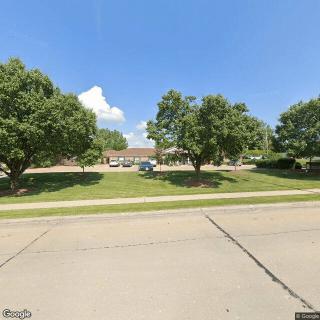
 Prestigious assisted living with personalized care and abundant amenities.

 Weight Training for Seniors: Building Strength and Vitality
 Understanding the Sandwich Generation: Stress and Responsibilities for Multigenerational Caregivers
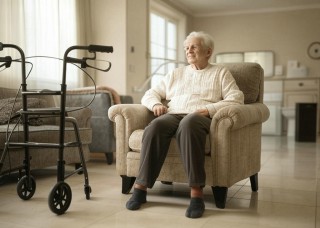 8 Essential Assistive Devices for Older Adults