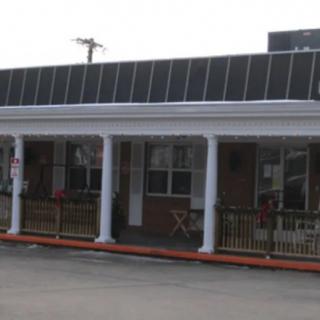
2525 Boutin Drive, Cape Girardeau, MO 63701
For more information about senior living options: (866) 208-4318
Overall Review of Heartland Care And Rehabilitation Center
Pros
 The staff genuinely care about the residents.
- The facility provides an awesome, home-like environment that has improved over the years.
- The building has had many updates, and nursing management and administration are amazing and accommodating.
- The rehab department is wonderful, and nursing care is amazing.
- The staff are friendly and consistently go the extra mile to help residents.
- Whitney and the nurses on her shift are awesome and provide excellent care.
- The staff face many challenges and overcome them effortlessly.
Cons
 Too many residents and not enough staff.
- Bed bugs have been a problem.
- An aunt's clothing was stolen countless times.
- They don’t pay attention to the residents, and a family member was left unresponsive in bed for a long time and placed in a medically induced coma on a ventilator twice this year.
- Weekends are terrible for getting anyone to answer the phone.
- Horrible administration; communication is terrible.
- The staff is unfriendly and unhelpful.
- It smells like urine at the front door and decor is junk.
- The call system was broken, leaving patients far from the nurses' station.
- The state needs to step in and take control.
Review
Heartland Care and Rehabilitation Center in Cape Girardeau is best suited for families that prioritize a solid rehabilitation focus and a home-like atmosphere, paired with the ability to supervise care closely. When a resident needs intensive rehab or daily encouragement from staff, and there is a willingness to visit often and push for responsive service, this center can deliver meaningful progress. The setting can feel comfortable and familiar, and some shifts are described as genuinely caring, with nursing management and administration praised by residents and families who have seen positive moments amid the challenges. In short, it caters to families that can blend support at the bedside with a watchful eye on day-to-day operations.
Yet there are clear warning flags that warrant considering alternatives. For families that cannot tolerate inconsistent staffing, unanswered calls, or questions about safety and accountability, other options will likely prove more reliable. Multiple reviews describe weekend responsiveness as poor, and several accounts allege significant gaps in monitoring and follow-through. Bed bugs, clothing theft, and alleged neglect have been cited by multiple voices, as have concerns about hospital-level events occurring after discharge or during a stay. The pattern of administrative friction, difficulties in obtaining information, unclear rules, and uneven communications, suggests that this facility may not meet expectations for residents requiring steady, transparent oversight.
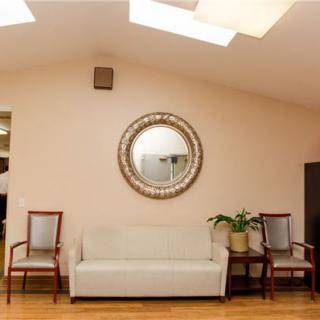
The strongest redeeming factors are tangible on the care and rehab side. The center earns praise for caring frontline staff, and the rehabilitation department is repeatedly cited as a real strength, with staff willing to go the extra mile for residents and families. When management and nursing leadership gel, residents can experience effective therapy, attentive nursing care, and a comfortable environment that supports recovery and daily living. These positives demonstrate that, at its best, the team knows what good rehab and compassionate daily care look like and can deliver it. The building’s updates and the sense of a more modern, improved facility also contribute to a more lived-in felt quality that families notice.
However, the main cons remain substantial and not easily offset by the strongest rehab notes. Staffing variability translates into uneven care experiences, with some shifts delivering excellent attention and others falling short. Communication gaps hinder timely updates and problem resolution, and a frail or medically complex resident can suffer when calls go unanswered or delays in care occur. The combination of a perceived harsh administrative climate in some reports, a restrictive or opaque visitation culture, and operational issues like broken call systems creates a consequential risk for residents who depend on consistent, proactive monitoring. In aggregate, these factors often erode confidence despite the undeniable capabilities of certain staff members.
For families navigating a choice, practical steps are essential. Begin with a candid visit to observe operations during different times, including weekends, and request a direct conversation with nursing leadership about staffing ratios, call-system reliability, and incident reporting. Ask for copies of recent care plans, and seek clarification on how behavioral and medical needs will be addressed without affecting other residents. Verify the facility’s policies on infection control and pest management, and request to see the most recent inspection and any corrective action plans. Finally, interview current residents or families outside official channels to gauge consistency in day-to-day experiences. If the response is evasive or inconsistent, that is a warning sign.
The bottom line is clear. Heartland can be a viable choice for rehab-focused care when a family is prepared to be highly involved and demands vigilant oversight. For residents requiring dependable, incident-free operation, the risks highlighted in multiple reviews are meaningful enough to justify exploring other options in the area. Weigh the value of strong rehab and a warm environment against the realities of staffing fluctuations, administrative friction, and safety concerns. Where safety, reliable communication, and predictable response times are non-negotiable, steering toward a facility with a cleaner track record is prudent. In all cases, a deliberate, documented vetting process will yield the best chance of aligning care with expectations and needs.
 102 resident community capacity
 Skilled Nursing Facility
 Air-conditioning
 Beauty salon
 Cable or satellite TV
 Computer center
 Dining room
 Fitness room
 Fully furnished
 Gaming room
 Garden
 Housekeeping services
 Kitchenette
 Move-in coordination
 Outdoor space
 Private bathrooms
 Restaurant-style dining
 Small library
 Telephone
 Wellness center
 Wi-Fi/high-speed internet available
 Community operated transportation
 24-hour call system
 Activities of daily living assistance
 Assistance with bathing
 Assistance with dressing
 Assistance with transfers
 Diabetes diet
 Medication management
 Special dietary restrictions
 Concierge services
 Planned day trips


 Highly Beneficial Low-Impact Exercises for Senior Living Residents
 Is In-Home Healthcare Tax Deductible? Your Comprehensive Guide
 Nurturing Well-Being Through Gardening: A Detailed Guide for Senior Enthusiasts