
631 West Main Street, Buffalo, MO 65622
For more information about senior living options: (866) 208-4318
Overall Review of Buffalo Prairie Center For Rehab And Healthcare
Pros
 Buffalo Prairie is a small facility.
- Everyone knows the residents and each one of them is uniquely special.
- Buffalo Prairie has the most caring and loving staff there is for a nursing home.
- Buffalo Prairie is a smaller home which makes it very homey.
- It is a wonderful facility with wonderful people.
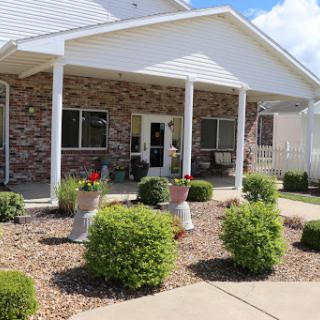
- It truly feels like home when you walk through the front door.
- They also get a homestyle meal three times a day.
Cons
 The facility lies to families about medications, fails to clean rooms and bathrooms, and seems to be covering something up.
- It never has enough staff, the administrator doesn’t care about residents, and the place is not clean with rude staff.
- The administration is accused of making money off residents’ care.
- More than 15 residents reportedly had no documented showers for months, and laundry could not keep up.
- The place is absolutely horrible and should be shut down.
- The staff would not cooperate with organizing a simple program for residents and failed to provide a consistent meeting location.
- It is described as a horrible place to send loved ones.
Review
Buffalo Prairie Center for Rehab and Healthcare in Buffalo, Missouri is best suited for families seeking a small, home-like setting where residents are known personally and receive attentive, intimate care, especially for memory care residents who benefit from a cozy, neighborhood feel and a homestyle meal routine. The center’s compact size can feel reassuring to families who value straightforward, personal interaction and less anonymity than larger campuses. That said, this environment works best when stability in staffing and administration is present, because the small scale makes any gaps more noticeable.
Those weighing alternatives should note who may be poorly served here. Families needing highly reliable staffing levels, consistently clean facilities, and transparent, responsive administration may want to consider other options. Several reviews flag persistent concerns about understaffing, gaps in daily care, and inconsistent communication from leadership. For long-term care, especially where medication management and timely assistance are non-negotiables, these red flags can meaningfully outweigh the advantages of a homey atmosphere. Prospective residents who prioritize program variety over intimate structure may also find the activity cadence lacking.
On the plus side, the facility earns credit for a genuine, affectionate staff dynamic and a memory care environment that residents can feel comfortable in. The small, community-oriented setting often translates into meaningful relationship-building between residents and caregivers. Some families praise the dining experience and describe the meals as homestyle and satisfying, which can matter deeply for appetite and mood. When care teams align with family goals, rehab outcomes can also be favorable, with reports of responsive, attentive treatment plans and successful recovery milestones in some cases.
However, the main cons are not trivial. Understaffing translates into measurable care delays, meals, showers, and routine personal care can be uneven, and laundry and housekeeping backlogs have been noted. Administrative issues surface in inconsistent scheduling, questionable documentation, and questions about accountability. These factors undermine trust and can complicate coordination with families and outside providers. In short, the supportive, loving front-line culture can be undermined by systemic organizational gaps, making the overall experience uneven.
For families considering this facility, the practical path is to verify concrete, current assurances before admission. Ask for current staffing ratios by shift, nurse coverage patterns, and how med administration is scheduled and audited. Probe cleanliness routines, incident reporting, and how quickly housekeeping and maintenance respond to concerns. Request examples of weekly activity calendars, volunteer engagement, and how much family input is integrated into care planning. Seek a candid read on state survey results, any corrective action plans, and how administration follows through on fixes. Most crucially, request opportunities to observe staff interactions with residents and to meet both front-line caregivers and the administrator.
The verdict hinges on resident values and family expectations. Buffalo Prairie can be a good match for those who prize a compact, homey atmosphere, personal attention, and a memory care unit where residents are known by name. It is not ideal for families who require ironclad staffing consistency, impeccable cleanliness, and relentlessly transparent administration. If choosing this community, proceed with disciplined due diligence: schedule multiple visits at different times, speak with current residents’ families, tour the memory care area, review the latest state survey findings, and insist on seeing real-time care routines. When these assurances align, Buffalo Prairie delivers a comforting, almost familial setting that can support meaningful progress and well-being; when they do not, alternative campuses with stronger staffing guarantees and more disciplined operations will likely serve better.
 60 resident community capacity
 Skilled Nursing Facility
 Air-conditioning
 Beauty salon
 Cable or satellite TV
 Computer center
 Dining room
 Fitness room
 Fully furnished
 Gaming room
 Garden
 Housekeeping services
 Kitchenette
 Move-in coordination
 Outdoor space
 Private bathrooms
 Restaurant-style dining
 Small library
 Telephone
 Wellness center
 Wi-Fi/high-speed internet available
 Community operated transportation
 24-hour call system
 Activities of daily living assistance
 Assistance with bathing
 Assistance with dressing
 Assistance with transfers
 Diabetes diet
 Medication management
 Special dietary restrictions
 Concierge services
 Planned day trips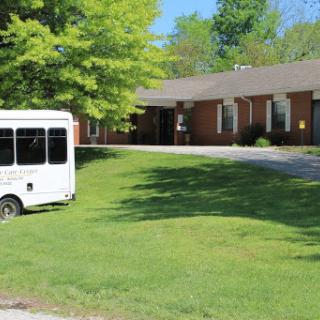





 Is a Geriatric Care Manager the Right Choice for Your Family?
 Compassionate Conversations: How to Comfort Someone Who Is Grieving
 Home Health Care Aides: Understanding Their Role and Supporting Your Family