
1121 11Th Street, Boonville, MO 65233
For more information about senior living options: (866) 208-4318
Overall Review of Riverdell Care Center
Pros
 The staff are loving and caring and are there for loved ones in a way that families cannot be.
- Riverdell's caregivers provide compassion, kindness, tolerance and patience for residents.
- The facility is consistently clean and maintains safety measures when appropriate.
- The staff work from the heart and care for residents with dedication.
- Residents and families appreciate the family and resident outings, karaoke, cards, bingo and church.
- The caregivers are trusted and loved by the residents, who feel well cared for.
- Riverdell provides physical, emotional, spiritual and mental care tailored to individual needs.
Cons
 They do not properly take care of people’s loved ones and cover up with lies when something bad happens.
- The stories they give don’t add up.
- Awful people who hire individuals who don’t care about anyone but a paycheck.
- If you report something to the charge nurses, they will not do anything.
- The facility is understaffed and expects more than can be given.
- They would not release a resident's medical records without a court order, something suspicious here.
- They quit taking care of her when she was bedridden. Just left her laying.
Review
Riverdell Care Center in Boonville is best suited for families seeking genuinely compassionate, resident-centered care, especially for residents navigating dementia or end-of-life needs. The strongest case for Riverdell rests on frontline staff who, in many accounts, connect with residents with patience, warmth, and a willingness to adapt to individual routines. When caregivers show up with that level of engagement, families report meaningful moments and reassurance that their loved ones are not forgotten. This human element can translate into real comfort during difficult chapters. Yet this strength sits against a backdrop of reports about staffing fluctuations and administration that can undermine care when the facility is stretched thin.
The most compelling positives center on a caregiving culture described as heart-led by several families. Repeated praise goes to staff who treat residents with dignity and respect and who provide physical, emotional, and spiritual support. The setting is said to be clean and structured enough to accommodate safety needs, with social activities that help residents stay connected, outings, karaoke, cards, bingo, and church events. For families dealing with dementia or end-of-life transitions, the ability of staff to adjust approaches and remain patient can make a tangible difference in daily quality of life. Taken together, these elements create a credible baseline of trust when care is delivered consistently.
But the downsides are persistent and material. Understaffing is a recurring theme, with families reporting that caregivers are stretched too thin to meet every need promptly. Communication can deteriorate when concerns are raised, and some accounts describe a disconnect between what is promised by charge personnel and what actually happens. A pattern of perceived opacity around administrative decisions, such as private-room availability or medical-record releases, fuels mistrust and frustration. There are troubling anecdotes about neglect or lapses in care, including residents being left in unacceptable conditions, which underscores the risk that care quality can deteriorate when staff have too much to handle. Taken together, these cons pose a real counterweight to the positive stories.
The key question, then, is whether Riverdell’s heart-led caregiving can consistently overcome operational gaps. The care staff’s ability to form meaningful bonds and tailor routines can offset some anxiety about medical oversight, particularly when families stay engaged and present. However, meaningful, long-term reliability requires stable staffing, transparent leadership, and clear, accountable processes. If a facility cannot guarantee reliable coverage and straightforward communication, the risk of inconsistent care begins to overshadow the warmth that staff can provide. In other words, strong interpersonal care can mitigate risk, but it cannot fully compensate for fundamental structural gaps.
Families weighing Riverdell should approach with a plan to verify capability before committing. Seek current staffing ratios and request to meet the exact caregiving team assigned to the resident. Gather recent feedback from other families and examine state inspection histories for recurring issues. Insist on written assurances about private-room availability, bed placement timelines, and any promises made by social services staff. Clarify the policy on medical-record releases and the escalation path for concerns. A thorough on-site evaluation, spending time with direct caregivers and observing daily routines, should precede any binding agreement, and a trial period is worth pursuing if possible to see how care unfolds in practice.
Riverdell can be a pragmatic option for families who prize compassionate, hands-on care and are prepared to navigate variability in operations. For those who require unwavering staffing consistency, unambiguous communication, and reliable administrative processes, alternatives may offer greater peace of mind. The strongest asset, the staff’s capacity to connect with residents, remains a powerful driver of positive experiences when it functions well. The decisive move is an earnest, unfiltered on-site assessment, with tough questions and a clear written agreement on deliverables. When those conditions are met, Riverdell can be a good match; when they are not, broader exploration is warranted.
 60 resident community capacity
 Skilled Nursing Facility
 Air-conditioning
 Beauty salon
 Cable or satellite TV
 Computer center
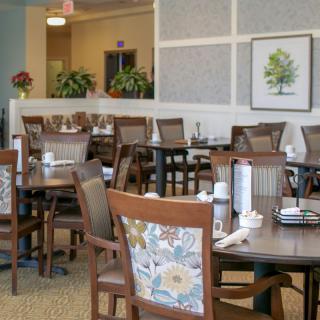
 Dining room
 Fitness room
 Fully furnished
 Gaming room
 Garden
 Housekeeping services
 Kitchenette
 Move-in coordination
 Outdoor space
 Private bathrooms
 Restaurant-style dining
 Small library
 Telephone
 Wellness center
 Wi-Fi/high-speed internet available
 Community operated transportation
 24-hour call system
 Activities of daily living assistance
 Assistance with bathing
 Assistance with dressing
 Assistance with transfers
 Diabetes diet
 Medication management
 Special dietary restrictions
 Concierge services
 Planned day trips



 Exploring Nonmedical Home Care: Understanding Services, Costs, and Financial Approaches
 Engaging Brain Games and Innovative Apps to Keep Senior Minds Active
 Effective Strategies for Keeping Seniors' Minds Active: A Deep Dive into Brain Games and Apps