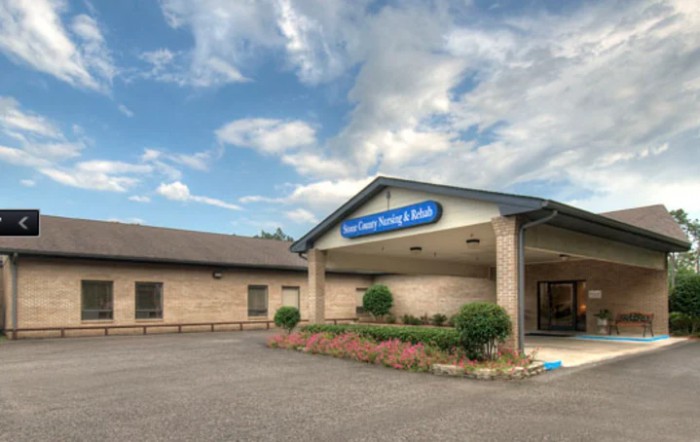
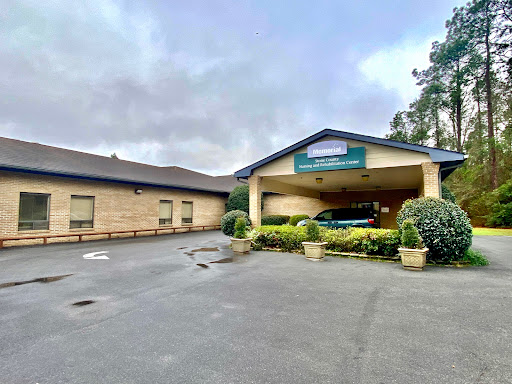



1436 East Central Avenue, Wiggins, MS 39577
For more information about senior living options: (866) 208-4318
Overall Review of Stone County Nursing And Rehabilitation Center
Pros
 The staff were attentive and friendly, creating a joyful, homelike atmosphere.
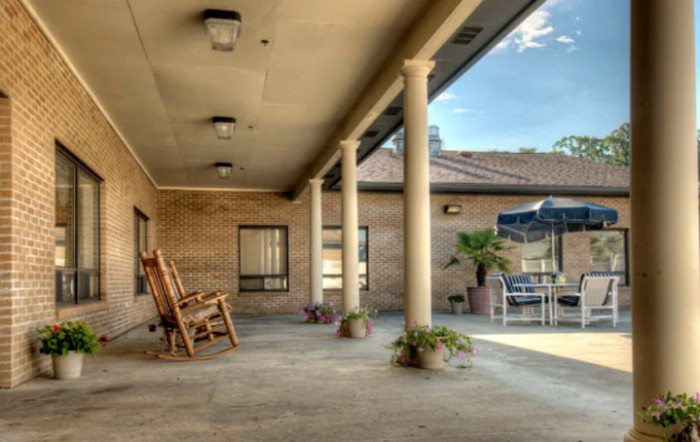
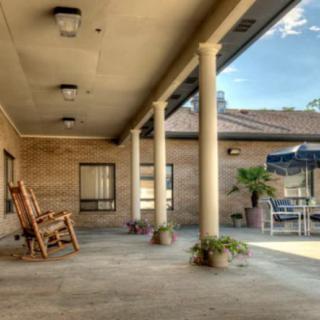
- Small touches like fresh flowers and tablecloths, along with fabulous activity directors and well-trained employees, contributed to a welcoming environment.
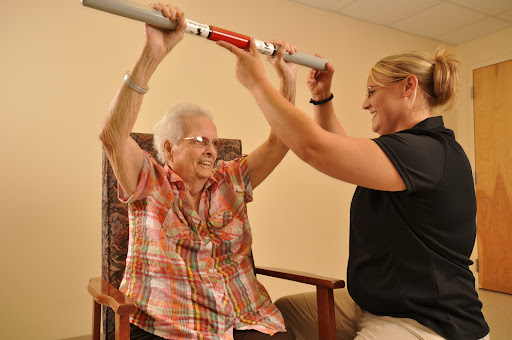
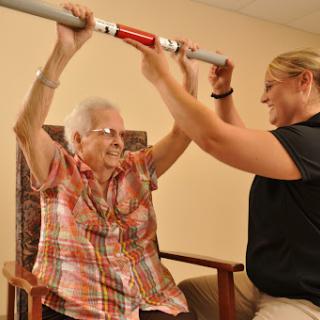
- The rehabilitation program is well-organized with plans and meetings, and the staff genuinely care about patients.
- The care team provided “the royal treatment” and lifted residents’ spirits through good food and salon services.
- Staff went out of their way to help residents, such as aiding grandma in her recovery after a broken hip.
Cons
 The facility is described as unsafe and poorly supervised after a CNA and a cook fought on a Saturday.
 - It is alleged that CNAs and nurses mistreat residents, with actions described as heartbreaking.
- A mother in rehab reportedly received poor care, with bathroom assistance delayed 30 minutes to an hour, resulting in a fall.
- The same mother allegedly contracted COVID-19 and pneumonia at the facility and left in worse condition.
- The food was described as not fit for a dog.
- Kitchen staff turnover is high; the facility struggles to keep cooks and other workers.
- The facility should shut down, according to reviewers.
- There are claims of incompetent and uncaring staff who nearly caused a death, rarely checked on residents, failed to provide water, and even falsified records.
- The rehab unit is described as poorly managed, with many staff answering "I don't know."
- A resident reportedly sat in urine for hours without timely help, with nurses not responding promptly.
- A warning: DO NOT SEND YOUR LOVED ONE HERE.
Review
Stone County Nursing and Rehabilitation Center in Wiggins, MS, is best suited for families pursuing short-term rehabilitation in a setting that feels homelike and relational, with an emphasis on structured therapy and active social programming. Positive threads in the experiences of some residents point to attentive staff, well-organized rehab plans, and an atmosphere that can lift spirits, especially when therapy teams are cohesive and activity directors are engaged. A veteran-focused narrative and several residents who describe “royal treatment” or meaningful progress in therapy show that real, tangible gains and a sense of warmth can emerge in the right circumstances. Still, those favorable outcomes appear inconsistent, and the facility’s safety and daily-care track record is a decisive factor in whether this environment will be a smart choice.
Anyone weighing this community should consider alternatives if reliable, consistently safe daily care is nonnegotiable. Multiple reviews recount long waits for help with basic needs, delayed assistance with toileting, and at least one life-threatening lapse in care. Reports of staff not checking on residents, a smell of inadequate supervision, and a perception of understaffing or inattentiveness in moments of urgency raise serious red flags for families prioritizing prompt response and robust supervision. In short, the most critical risk for prospective residents is not rehabilitation potential but the reliability and safety of routine caregiving.
The strongest positives center on rehab-focused processes and the human touch when it is present. Where staff are described as attentive, knowledgeable, and down-to-earth, rehabilitation has meaningfully moved forward, with clear plans, regular meetings, and noticeable mobility gains. The atmosphere at times is described as joyful and homelike, with activity programs that lift spirits and give residents a sense of purpose. Food, salon services, and small gestures (such as flowers or a familiar routine) contribute to a mood that can sustain recovery and overall quality of life. These elements can offset some concerns when caregivers are consistently present and therapy teams coordinate well with families and residents.
However, the downsides cannot be ignored. The most troubling themes run through several reviews: slow response times and inconsistent assistance with basic needs; reports of residents experiencing falls or near-misses due to delayed help; and a few accounts suggesting gaps in documentation and medical oversight. Kitchen turnover and variable quality of meals also color the overall experience, with at least one account calling the food “not fit for a dog.” Serious safety concerns, including instances of infection and hospitalization in the past, weigh heavily against long-term admission. In short, when staffing is unstable or care coordination breaks down, the rehab strengths quickly lose their leverage.
Families evaluating this facility should conduct concrete, forward-looking checks. Ask for the current staff-to-resident ratio on each shift and the CNA coverage plan for peak hours. Request to review recent incident reports, response-time benchmarks, and the rehab team’s standard operating procedures. Schedule a tour with a focus on meal service, cleanliness, and the activity calendar; speak directly with current residents about call-light responsiveness and daily routines. Verify the latest state surveys and how leadership has addressed any cited deficiencies. If possible, arrange to observe therapy sessions and talk with the rehab director about individualized goal-setting and discharge planning. These steps clarify whether the facility’s rehab advantages can be realized consistently.
For families leaning toward this community, a practical decision framework emerges. If the priority is to achieve tangible mobility improvements within a warm, engaging environment, and the care team demonstrates stable, proactive staffing during the visit, Stone County can deliver meaningful outcomes. But if the resident requires unwavering daily safety, rapid assistance, and predictable care without question, alternatives with stronger safety metrics and more consistent staffing are likely a wiser fit. The facility’s mixed track record means decisions should hinge on current leadership, staffing stability, and a transparent plan for addressing past concerns. A cautious, informed approach, rooted in a recent on-site evaluation and candid conversations with administrators, will determine whether this community can meet both rehab goals and essential daily-care standards.
 59 resident community capacity
 Skilled Nursing Facility
 Air-conditioning
 Beauty salon
 Cable or satellite TV
 Computer center
 Dining room
 Fitness room
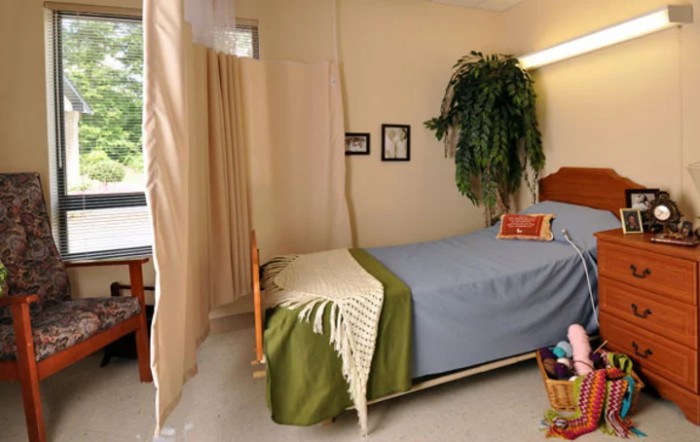
 Fully furnished
 Gaming room
 Garden
 Housekeeping services
 Kitchenette
 Move-in coordination
 Outdoor space
 Private bathrooms
 Restaurant-style dining
 Small library
 Telephone
 Wellness center
 Wi-Fi/high-speed internet available
 Community operated transportation
 12-16 hour nursing
 24-hour call system
 Activities of daily living assistance
 Assistance with bathing
 Assistance with dressing
 Assistance with transfers
 Diabetes diet
 Medication management
 Mental wellness program
 Special dietary restrictions
 Concierge services
 Planned day trips



 In-Depth Look at the VA Aid and Attendance Program
 Nurturing Our Loved Ones: A Daughter's Journey in Caring for Her Mother
 Nurturing Our Elders: Linda's Journey of Supporting Her Mother