For more information about senior living options: (866) 208-4318
3.1 from 51 reviews
5 stars
22
4 stars
5
3 stars
1
2 stars
3
1 stars
20
Diversicare Of Tupelo Costs & Pricing
Diversicare of Tupelo offers private room accommodations at a monthly rate of $4,500, which is on par with the costs in Pontotoc County. However, this price notably exceeds the state average for Mississippi, where private room rates are approximately $3,581. This positioning reflects the facility's commitment to providing quality care and amenities tailored to meet the diverse needs of its residents. While the pricing may be higher than the statewide average, it can be indicative of superior services and personalized attention that residents at Diversicare of Tupelo receive.
Floor plans
Diversicare Of Tupelo
Pontotoc County
Mississippi
Private
$4,500
$4,500
$3,581
Skilled Nursing Facilities with a similar price nearby
Many residents and families describe staff who are kind and welcoming.
Several reviews say the people working at Diversicare are kind, considerate, and responsive to residents’ needs. Families also describe staff as attentive and genuinely invested in resident wellbeing, including people named by reviewers. Even in reviews that criticize the facility overall, some still single out “sweet” and caring individuals on the team.
caveat14 reviews mention this
Daily nursing care feels inconsistent
Reviews raise concerns about missed and delayed daily care.
A recurring issue in negative reviews is that residents sometimes did not receive expected attention, including breathing treatments or CPAP use at night. Other reviewers describe problems such as missed meals, delays with changing or turning to prevent bedsores, and residents being left soiled for extended periods. Some accounts also mention difficulty getting help promptly, with communication and follow-through described as poor during urgent moments. While a few reviews highlight good care, these concerns show up often enough that inconsistency is a clear theme.
common6 reviews mention this
Physical therapy and rehab get praise
Physical therapy is a frequently mentioned reason families choose this setting.
Multiple reviews highlight the therapy department, including reports of meaningful recovery or restored mobility after rehab stays. Some reviewers also emphasize that physical therapy itself was strong, even when they felt other areas of care fell short. On the caution side, there are also reviews describing missed treatments or care that interfered with therapy routines, so results appear to depend on the overall day-to-day experience.
common4 reviews mention this
Dining quality and timing vary
Dining reviews describe mixed experiences with food and service timing.
Some reviews say the food is decent and note meals and cleanliness positively. Other reviewers complain about meals tasting poor, arriving late, or not coming with basic items like drinks. A few accounts also describe missed meals or trouble getting a resident’s food and scheduled support during the day, which connects dining directly to overall service reliability.
How we summarize
Counts show how many written reviews mention each theme; a review can touch several themes, and only frequently mentioned themes are displayed.
Features
Housing
120 resident community capacity
Types of Care
Skilled Nursing Facility
Amenities
Air-conditioning
Beauty salon
Cable or satellite TV
Computer center
Dining room
Fitness room
Fully furnished
Gaming room
Garden
Housekeeping services
Kitchenette
Move-in coordination
Outdoor space
Private
Private bathrooms
Restaurant-style dining
Small library
Telephone
Wellness center
Wi-Fi/high-speed internet available
Transportation
Tupelo Municipal (6 miles away)
Community operated transportation
Transportation arrangement
Transportation arrangement (non-medical)
Transportation to doctors appointments
Care Services
12-16 hour nursing
24-hour call system
24-hour supervision
Activities of daily living assistance
Assistance with bathing
Assistance with dressing
Assistance with transfers
Diabetes diet
Meal preparation and service
Medication management
Mental wellness program
Special dietary restrictions
Dining
Diabetes diet
Special dietary restrictions
Activities
Community-sponsored activities
Concierge services
Fitness programs
Planned day trips
Resident-run activities
Scheduled daily activities
Nearby Places of Interest
Cafes
Dark-N-Lovely's Kitchen (0.2 miles)
Kermits Outlaw Kitchen (3.3 miles)
Hospitals
North Mississippi State Hospital (0.4 miles)
Lee County Shrine Club (0.6 miles)
Restaurants
McDonald's (1.4 miles)
Johnnie's Drive In (1.6 miles)
Papa V's (1.9 miles)
Tupelo Two Go (1.9 miles)
Dodge's Southern Style (1.9 miles)
The Grillehouse (1.9 miles)
Fairpark Grill (2 miles)
Physicians
Tupelo Sleep Diagnostics (1.6 miles)
Tullos, Bobby Pulmonary Consultants (1.9 miles)
Surgery Associates, P.A. (1.9 miles)
Hendrick, Richard Dr - Neurology Consultants of North Mississippi (1.9 miles)
Dermatology Center Of North Mississippi, P.A. (2 miles)
Med Serve (2 miles)
Outpatient Rehabilitation Center (2 miles)
Pharmacies
Tupelo Family Pharmacy (1.6 miles)
Fred's Pharmacy (1.6 miles)
North Mississippi Health Service (2.2 miles)
Walmart Pharmacy (2.4 miles)
CVS Pharmacy (2.6 miles)
Walgreens (2.6 miles)
Jim Bain's Pharmacy (2.8 miles)
Transportation
Alamo (2.1 miles)
U-Haul (2.4 miles)
Burlington Northern Railroad (2.5 miles)
Tupelo Aviation Unlimited (5.4 miles)
Parks
Veteran's Memorial Park (2.1 miles)
Places of Worship
Tupelo Church of God Prop (2.3 miles)
First Baptist Church (2.4 miles)
Southern Baptist Convention (2.5 miles)
New Dimension Full Gospel Baptist Church (2.8 miles)
Diversicare of Tupelo offers private room accommodations at a monthly rate of $4,500, which is on par with the costs in Pontotoc County. However, this price notably exceeds the state average for Mississippi, where private room rates are approximately $3,581. This positioning reflects the facility's commitment to providing quality care and amenities tailored to meet the diverse needs of its residents. While the pricing may be higher than the statewide average, it can be indicative of superior services and personalized attention that residents at Diversicare of Tupelo receive.
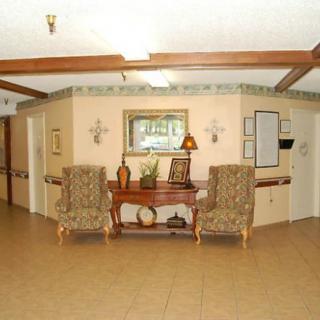
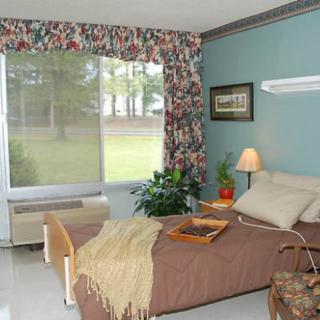
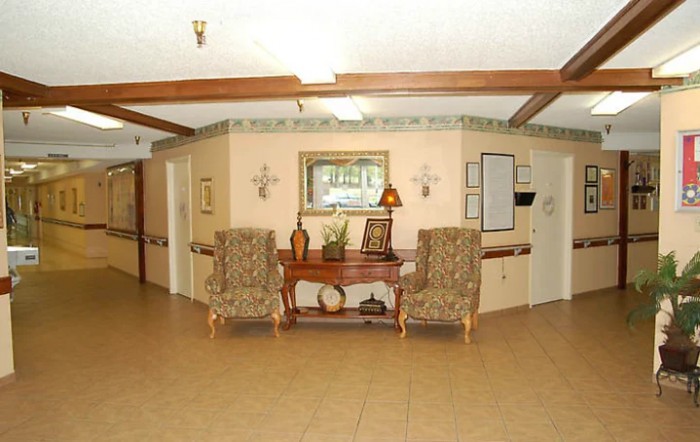
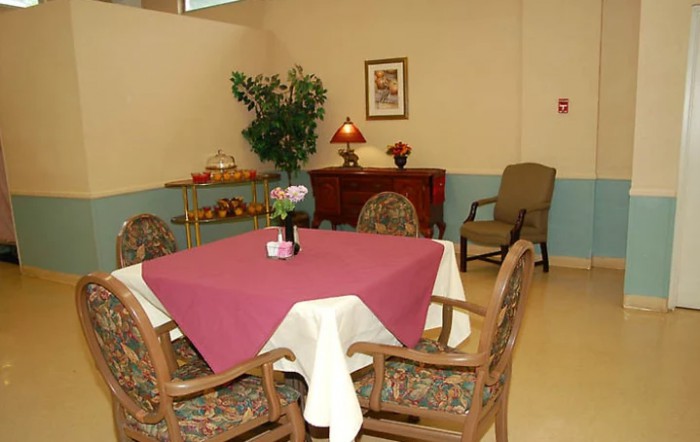
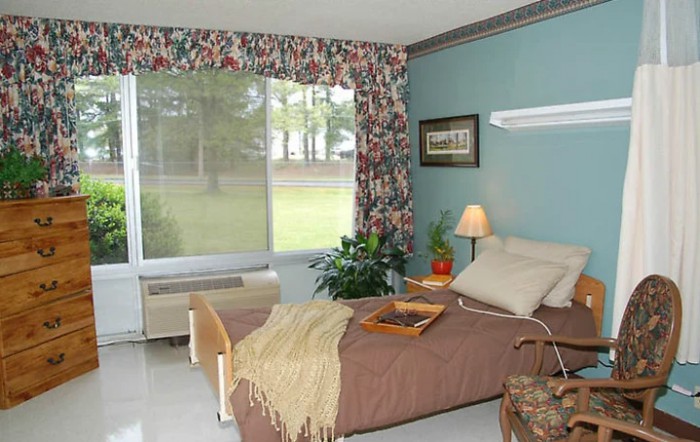
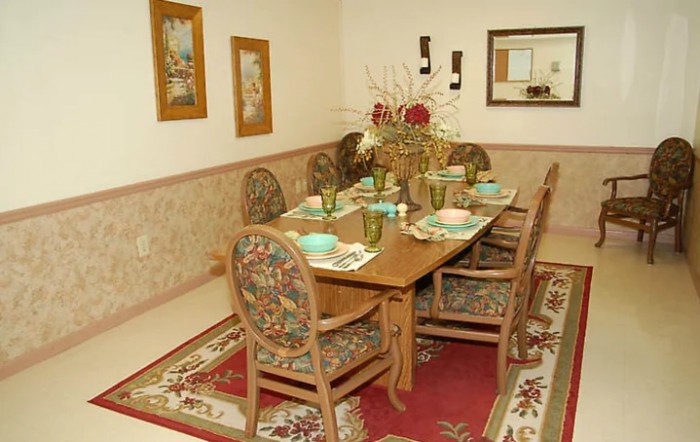
Diversicare Of Tupelo on seniors.fyi includes 5 photos including images showing decor, interior, dining, plant, bedroom, landscaping, lobby, windows, and more.
Nearby Communities
Mississippi Homecare Of Eupora
Eupora, MS
5 from 1 review
24/7 supervision with medication management and medical transport.
Tupelo Nursing And Rehabilitation Center
Tupelo, MS
3.1 from 75 reviews
Some staff are kind and helpful; the facility is clean and offers engaging activities.
Safe and Sound Home Care-Tupelo Region
Tupelo, MS
5 from 5 reviews
Excellent access to amenities and healthcare nearby.
Samaritan Garden
Tupelo, MS
5 from 4 reviews
$2,075 / month
Affordable $2,075 semi-private rooms with on-site amenities and specialized care.
Avonlea Assisted Living
Tupelo, MS
4.3 from 17 reviews
$2,850 to $4,550 / month
Kindred At Home VII
Tupelo, MS
5 from 14 reviews
Small, home-like community with comprehensive care and transportation for medical appointments.
Landmark Lifestyles at Tupelo
Tupelo, MS
4.9 from 11 reviews
$3,800 to $5,000 / month
Well-staffed with 24/7 nursing, strong memory care programming, and restaurant-style dining.
Magnolia Manor at Tupelo
Tupelo, MS
3.9 from 39 reviews
$3,380 to $4,210 / month
Responsive staff and a welcoming, activity-rich environment.
Dogwood Fulton, LLC
Fulton, MS
4.8 from 6 reviews
$2,500 / month
Excellent location with attentive staff and engaging programs.
Adult day care programs offer essential support and activities for older adults, yet many hesitate to participate due to concerns about independence and stigma. To alleviate these apprehensions, families should facilitate open discussions, explore financial resources, suggest trial visits, and collaborate with healthcare providers to highlight the benefits of such services for both the participants and their caregivers.
Living wills and advance directives are crucial legal documents that outline an individual's healthcare preferences when they cannot make decisions themselves, enhancing patient autonomy and alleviating family stress during medical crises. The article emphasizes the need for these documents to be personalized, legally valid, and regularly updated, while also encouraging communication about end-of-life wishes among family members and healthcare providers.
The article examines living wills and advance directives, highlighting their significance in expressing healthcare preferences for those unable to communicate due to illness or incapacity. It discusses their historical development, legal components, limitations, practical drafting advice, and the importance of clear communication among families and healthcare professionals regarding end-of-life decisions.
Get PricingAsk A QuestionSchedule A TourContact Senior Advisor
By clicking submit, you agree to our Partner's Terms of Use. You
also consent to receive calls and texts, which may be autodialed, from our Partner. Your consent is not a condition to
using our Partner's service. Please visit our Partner's Privacy Policy for information about their privacy practices.



 120 resident community capacity
 Skilled Nursing Facility
 Air-conditioning
 Beauty salon
 Cable or satellite TV
 Computer center
 Dining room
 Fitness room
 Fully furnished
 Gaming room
 Garden
 Housekeeping services
 Kitchenette
 Move-in coordination
 Outdoor space
 Private
 Private bathrooms
 Restaurant-style dining
 Small library
 Telephone
 Wellness center
 Wi-Fi/high-speed internet available
 Tupelo Municipal (6 miles away)
 Community operated transportation
 12-16 hour nursing
 24-hour call system
 Activities of daily living assistance
 Assistance with bathing
 Assistance with dressing
 Assistance with transfers
 Diabetes diet
 Medication management
 Mental wellness program
 Special dietary restrictions
 Concierge services
 Planned day trips
 24/7 supervision with medication management and medical transport.






 Encouraging Participation in Adult Day Care: A Guide to Supporting a Hesitant Parent
 Comprehensive Exploration of Living Wills and Other Advance Directives
 A Detailed Exploration of Living Wills and Advance Directives