
101 North Industrial Road, Suite B, Tupelo, MS 38801
For more information about senior living options: (866) 208-4318
Overall Review of Kindred At Home VII
Pros
 The staff work well with clients.
- The caregivers are compassionate and dependable.
- The agency is reliable and attentive, ensuring clients' needs are met.
- CNAs are punctual, professional, and proficient.
- Management keeps recertification up to date and communicates clearly with families.
- The care teams provide comfort, patience, and kindness to loved ones.
- Families would highly recommend this in-home care provider.
Cons
 None detected; all statements are positive.
Review
This community is best suited for families who want a proven, empathetic in-home care option that keeps a loved one safely at home while delivering dependable, hands-on support. The reviews consistently highlight a caregiving team that feels like a trusted extension of the family: compassionate, patient, and reliably present. The strongest case is made for those who value on-time aides, professional conduct, and a clear line of communication with a responsive office. This is not a facility-based setting; it is a home-care model designed to support daily living, monitor health needs, and sustain independence in familiar surroundings. For families navigating post-hospital transitions, rehab follow-through, or ongoing at-home assistance, the program stands out as a practical, no-nonsense choice that translates care into everyday reliability.
Alternatives are worth considering for two primary reasons. First, if the aim shifts toward 24/7 medical oversight or a more social, campus-like environment with built-in activities and peers, a traditional assisted living facility may be a better fit. Second, if concerns center on potentially higher care needs that outpace CNA-level support, such as complex wound care, continuous skilled nursing, or round-the-clock supervision, families might explore facilities or longer-stay options that provide that level of medical staffing. In addition, budgetary considerations can steer families toward different configurations of home care or toward community-based living, where predictable monthly costs and social programming are more pronounced. These are sensible contingencies for those whose priorities extend beyond in-home assistance alone.
The core strengths, consistency, kindness, and professional competence, materialize in ways that offset typical home-care concerns. A Caring Hand at Home earns praise for caregivers who arrive on time, maintain a high standard of professionalism, and bring genuine warmth to encounters. The consistency of attentive aides, paired with a management team that stays on top of recertifications and administrative details, reduces the friction families often fear with ongoing home care. The reliability of scheduling, paired with proactive communication, translates into real peace of mind: families know who is coming, what tasks will be completed, and how their loved one’s needs are being monitored. This combination is the fulcrum that allows families to trust care decisions without constant escalation.
Beyond punctuality and paperwork, the bedside manner and practical competence of aides emerge as decisive advantages. Reviewers repeatedly call aides caring, knowledgeable, and patient, capable of handling both routine daily tasks and more delicate situations with tact. The ability to tailor aides to an individual’s preferences, whether matching personalities, adjusting routines, or coordinating medical-follow-up needs, appears to be a hallmark. The testimonials also underscore the program’s effectiveness during transitions from hospital or rehab settings back home: appropriate supervision, timely transfers, and a sense that care teams are coordinating with families even from a distance. This blend of empathy and pragmatism consistently reinforces the value of choosing in-home care when the goal is to extend independent living while maintaining safety.
The absence of explicit negatives in the reviews should be weighed against practical caveats inherent in in-home care. The strength of the model lies in its adaptability and local coverage, which is excellent for Tupelo and surrounding areas, but may invite questions about scalability if a family’s needs evolve rapidly or require 24/7 live-in supervision. Families should proactively confirm the availability of a dedicated coordinator, the cadence of visits, and contingency coverage for vacations or illness. The in-home approach also implies that the social environment is less structured than a campus setting; for those seeking daily social programming and built-in peer engagement, a facility-based option could offer a different kind of value. In short, the model excels where home-based, steady, compassionate support is the priority, with clear opportunities to reassess if medical intensity or social programming becomes the primary determinant.
Advising a decisive decision involves aligning the care approach with the loved one’s trajectory and the family’s priorities. For households prioritizing staying at home, preserving autonomy, and preventing hospital readmissions through consistent, attentive caregiving, this program represents a top-tier choice in Tupelo. Engage early with the care coordination team to map out a concrete plan: define visit frequency, specify tasks and health-monitoring roles, confirm recertification processes, and establish a transparent communication routine with the family and any medical providers. Request references from families who relied on similar arrangements and review a sample plan of care to ensure it covers medications, mobility assistance, and rehab follow-through. Costs, insurance applicability, and any available respite options should also be clarified to avoid surprises.
In the end, the strongest verdict is practical: for families seeking a trustworthy, home-first care solution with remarkably consistent staff, responsive management, and a track record of enabling loved ones to remain safely at home, Kindred At Home VII through A Caring Hand at Home stands out in Tupelo. It delivers tangible reliability, compassionate interactions, and administrative ease that translate into reliable daily life for seniors and peace of mind for families. While it may not be the right fit for those requiring constant medical supervision or an on-site social community, it proves itself as a sturdy, smart choice for keeping independence intact without surrendering essential support.
 21 resident community capacity
 Assisted Living
 Beauty salon
 Cable or satellite TV
 Dining room
 Fully furnished
 Garden
 Housekeeping services
 Kitchenette
 Move-in coordination
 Outdoor space
 Telephone
 Wi-Fi/high-speed internet available
 Tupelo Municipal (3 miles away)
 24-hour call system
 Activities of daily living assistance
 Assistance with bathing
 Assistance with dressing
 Assistance with transfers
 Diabetes diet
 Meal preparation and service
 Medication management
 Mental wellness program
 Special dietary restrictions
 Transportation arrangement (medical)
 Transportation to doctors appointments








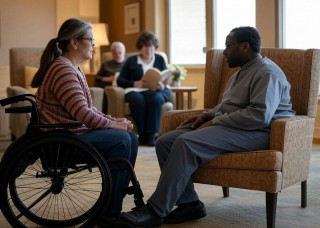 Comprehensive Residential Support and Assisted Living Solutions for Individuals with Disabilities
 Comprehensive Supportive Living Arrangements for Adults with Disabilities
 Funding and Affording Assisted Living: A Thorough Overview