

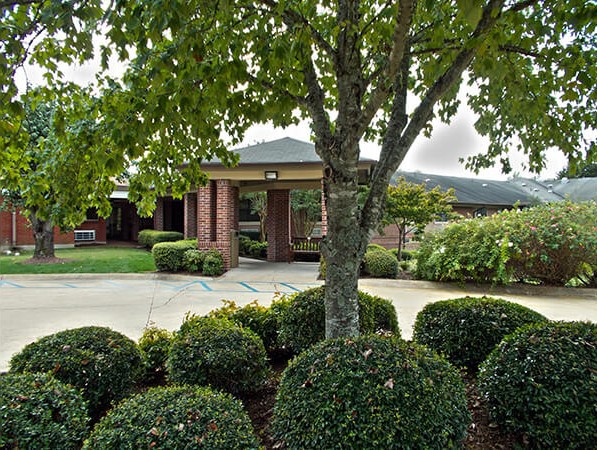






2800 Main Street, Tupelo, MS 38801
For more information about senior living options: (866) 208-4318
Overall Review of Traceway Retirement Community
Pros
 It is a great place with very friendly staff.
- The staff are friendly, attentive, and make the resident feel cared for.
- The patient is always very happy and extremely well cared for in an excellent environment built on kindness, love, and respect.
- The rehabilitation team prioritizes the patient’s well-being, with all staff contributing to a smooth experience.
- The facility is consistently clean and safe, giving peace of mind for healing.
- It is a wonderful retirement community for seniors.
- The staff are wonderful, caring, and efficient.
Cons
 She was abused and neglected after she started to decline, with very few good CNAs and nurses there.
- A nurse screamed as they were hurting her to get a test done, and mocked her in the lobby.
- She had bruises from rough handling and was thrown in a wheelchair by an aide.
- They never provided skincare, and she was starting to get a bedsore.
- They didn't tell the family she couldn't eat or swallow until it was too late, and she aspirated.
- Nurses gave her too much insulin several times, causing her sugar to drop.
- Belongings were stolen and residents were abused by caregivers.
Review
Traceway Retirement Community in Tupelo is best suited for seniors who need dependable daily care and rehabilitation support in a setting where staff familiarity and personal attention matter. The Cedars Rehab and Simerson House components point to a clear pathway for recovery and longer-term care, with caregivers who often know residents by name and a generally friendly, approachable environment. For families prioritizing visible warmth, steady administrative contact, and a place that feels comfortable during a transition from hospital to home-like routines, Traceway can deliver the basics with a reassuring human touch.
Yet serious caveats keep this facility from being a universal recommendation. Several reviews raise red flags about safety, dignity, and accountability, including allegations of abuse and neglect, theft of belongings, and inconsistent quality of care. These claims are not presented as mere anecdotes but as persistent concerns voiced by multiple families. Given the gravity of those issues, potential residents and their loved ones should treat Traceway as a choice that requires rigorous verification, tangible proof of staffing stability, clear safeguarding protocols, and an unwavering responsive culture from leadership.
The strongest positives here revolve around staff engagement and the basic environment. When care goes well, families report friendly, patient staff who know the resident’s history, a clean and safe setting, and caregivers who seem genuinely invested in the healing or daily well-being of their loved one. In rehabilitative moments, families credited Traceway with making difficult transitions smoother and providing a level of attentiveness that brings peace of mind. Those strengths can offset routine discomfort and the stress of aging in place, provided the care team remains consistent, accountable, and respectful in every interaction.
However, the main drawbacks are not easily dismissed. The most troubling narratives involve mistreatment or neglect, alleged inappropriate handling, and even theft in the long-term residence. At least one review describes systemic apathy among staff and a leadership tone that fans those problems rather than curtailing them. A separate account points to the theft of personal belongings and restricted access to cherished routines, which erodes trust and makes families hesitate about leaving a vulnerable loved one in Traceway’s care. Even neutral‑sounding observations about staffing gaps or dissatisfaction with management become significant when safety and dignity are on the line.
For families weighing options, the decision hinges on risk tolerance and how much emphasis is placed on safeguarding vs. warmth and rehab potential. Consider Traceway if a loved one benefits from a familiar staff network, clear rehabilitative pathways, and a setting that feels like a connected community. Push back hard if safety transparency, consistent staffing, and a zero-tolerance stance on mistreatment are nonnegotiable priorities. Prospective residents should demand current incident logs, staffing rosters, and a candid plan for preventing and responding to abuse or theft, plus clearly defined escalation channels with measurable follow-through.
In the end, Traceway presents a practical, compassionate option for many seniors who need organized rehabilitation and daily support, but it comes with a heavy caveat: the possibility of serious care lapses that can cost trust and safety. Families evaluating Traceway against other local communities should weigh whether the appeal of friendly staff and rehab familiarity outweighs the documented risks of mistreatment and inconsistent care. If unwavering safety, transparent accountability, and consistently attentive caregiving are paramount, exploring alternative communities with stronger safety records is a prudent, even essential, move.
 140 resident community capacity
 Assisted Living
 Air-conditioning
 Beauty salon
 Cable or satellite TV
 Computer center
 Fitness room
 Fully furnished
 Gaming room
 Garden
 Housekeeping services
 Kitchenette
 Move-in coordination
 Outdoor space
 Private bathrooms
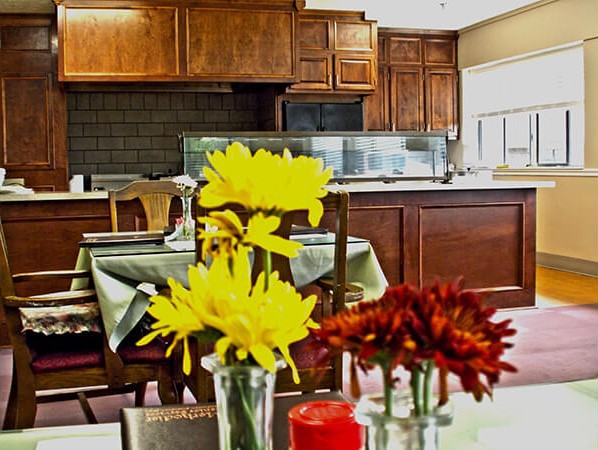
 Restaurant-style dining
 Small library
 Telephone
 Wellness center
 Wi-Fi/high-speed internet available
 Tupelo Municipal (1 miles away)
 Community operated transportation
 24-hour call system
 Activities of daily living assistance
 Assistance with bathing
 Assistance with dressing
 Assistance with transfers
 Diabetes diet
 Medication management
 Special dietary restrictions
 Concierge services
 Planned day trips







 Exploring the Path to Senior Living: A Comprehensive Look at Independent Living and Assisted Living
 Is Assisted Living Deductible on Your Taxes? Understanding the Complexities of Assisted Living Expenses and Deductions
 Assisted Living Support for Veterans: A Complete and Detailed Overview