
#10 Medical Boulevard, Hattiesburg, MS 39401
For more information about senior living options: (866) 208-4318
Overall Review of Bedford Care Center Of Hatties
Pros
 Bedford Care Center provided exceptional care for residents, with families actively involved in each plan of care.
- The staff at Bedford Care Center are friendly and attentive, as observed by visitors.
- The facility maintains clean floors and a pleasant, fresh atmosphere.
- Residents receive dignified treatment and progress in recovery at Bedford Care Center.
- Candice and other Bedford Care staff are devoted and passionate about their patients and families.
- The Monroe Hall location delivers good care, meaningful activities, and overall satisfaction for residents.
- Bedford Care Center offers well-kept facilities, nice rooms, appealing meals, and accessible outdoor spaces for residents.
Cons
 The place is truly awful.
- CNA staff on day shifts are overworked and short-staffed, with beds left unchanged and patients left unbathed.
- Trash cans often overflow and floors seem perpetually sticky.
- No one seems to take any pride or put in effort in their work.
- Administration doesn't have a handle on things, or the place would run more smoothly with a lower turnover rate.
- The DON won't even return phone calls.
- There was no evidence of group-based care plan coordination, contributing to a severe decline and multiple post-op hospital visits.
- CNAs were paid as little as $9.50 an hour, which the reviewer called a disgrace.
Review
Bedford Care Center Of Hattiesburg is best suited for families that want to be deeply involved in care planning and recovery, and for residents who respond well to a rehabilitation-forward approach when staff engagement is consistent. Across several positive accounts, families describe exceptional attention to individualized plans of care, with loved ones showing meaningful progress after short stays. When a clearer path to recovery is established and staffers are attentive, the facility can deliver on dignity, clean surroundings, and a warm, approachable environment. In those moments, residents appear to receive practical therapy, compassionate bedside care, and the sense that their well-being genuinely matters. For a family prepared to participate actively, attending care conferences, reviewing progress with therapists, and staying in steady contact with the team, Bedford can be a strong match for post-acute recovery or long-term support that emphasizes personal respect and visible improvement.
That clarity, however, comes with a crucial caveat: this community is not uniformly consistent, and prospective families should explicitly consider alternatives if steady administration, reliable communication, and consistent housekeeping are non-negotiables. Several reviews paint a stark contrast to the best-case scenarios, describing a facility where staff on certain shifts feel overworked, housekeeping lapses persist, and administrative responsiveness is inconsistent. The most powerful warnings come from families who encountered rude or unhelpful phone interactions, turnover on the front lines, and notices that care coordination did not meet the expectations set by the campus’s own marketing. When reliability and proactive problem-solving are essential, especially for someone with complex needs or high sensitivity to environmental cues, these reports push families to at least survey other options with a track record of steadier operations.
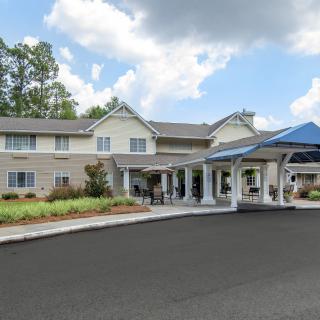
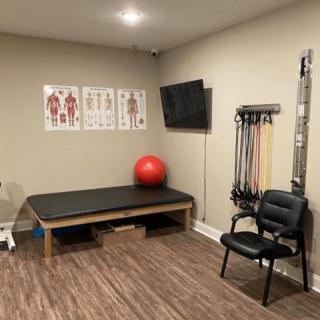
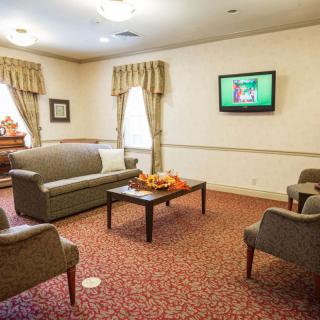
The core pros, personalized care plans, active involvement by families, and credible therapy, are not mere pleasant anecdotes; they can materially offset some operational gaps if leveraged. Positive experiences highlight a staff culture that can be compassionate, patient, and knowledgeable about rehabilitation goals. Therapists are described as capable and oriented toward real mobility gains, not just passive support, and families note that when therapy is aligned with the resident’s desires and medical guidance, progress can occur. The physical environment in places where care is steady, clean floors, a fresh-smelling facility, and welcoming common areas, contributes to a sense of normalcy and safety that reinforces healing. In short, the strongest case for Bedford rests on how effectively the team coordinates with families, deploys aggressive yet appropriate rehabilitation, and maintains a respectful, person-centered tone at the bedside.
On balance, the most significant risks lie with care delivery gaps that recur across some reviews. Complaints about day-shift staffing levels, unfinished or delayed hygiene tasks, and overflowing trash bins point to a pattern of overextension that can undermine otherwise solid clinical care. Administrative friction, poorly responsive DONs, limited information sharing, and difficulty obtaining straightforward answers about care plans, creates ambiguity at the very moment families need clarity. A few families report that group care planning and cross-discipline coordination were not evident, which can derail progress after surgery or during recovery. There are also pointed critiques about the intensity and pacing of physical therapy when documented goals do not align with a resident’s appetite or medical tolerance. And while some travel through the facility with positive impressions, others describe a sense of neglect that can aggravate anxiety and delay recovery. These contrasts make clear that outcomes depend heavily on staffing stability and hands-on management.
Given this mix, the decision to select Bedford should hinge on a disciplined due-diligence process. Prospective families should insist on meeting the director of nursing and therapy leadership, request a current, written plan of care with measurable goals, and observe a therapy session to gauge whether the rehab team pursues meaningful mobility beyond basic standing. Tour the facility at several times of day to assess cleanliness, staff responsiveness, and resident engagement, and speak directly with current residents and their families about turnover and communication quality. If the choice gravitates toward Bedford, pair the decision with a formal agreement that includes escalation steps for concerns, a clear schedule of regular family conferences, and a commitment from administration to address housekeeping and dispute-resolution promptly. For families prioritizing consistency, reliability, and transparent operations, exploring other nearby options with stronger, more uniform performance across shifts may be prudent. Bedford can be a sound fit when care leaders are engaged, but it is not a guaranteed or uniform outcome; informed, active oversight is essential to realizing the potential.
 152 resident community capacity
 Skilled Nursing Facility
 Air-conditioning
 Beauty salon
 Cable or satellite TV
 Computer center
 Dining room
 Fitness room
 Fully furnished
 Gaming room
 Garden
 Housekeeping services
 Kitchenette
 Move-in coordination
 Outdoor space
 Private bathrooms
 Restaurant-style dining
 Small library
 Telephone
 Wellness center
 Wi-Fi/high-speed internet available
 Hattiesburg-Laurel Regional (10 miles away)
 Community operated transportation
 12-16 hour nursing
 24-hour call system
 Activities of daily living assistance
 Assistance with bathing
 Assistance with dressing
 Assistance with transfers
 Diabetes diet
 Medication management
 Mental wellness program
 Special dietary restrictions
 Concierge services
 Planned day trips




 Engaging Brain Games and Innovative Apps to Keep Senior Minds Active
 Effective Strategies for Keeping Seniors' Minds Active: A Deep Dive into Brain Games and Apps
 In-Depth Look at the VA Aid and Attendance Program