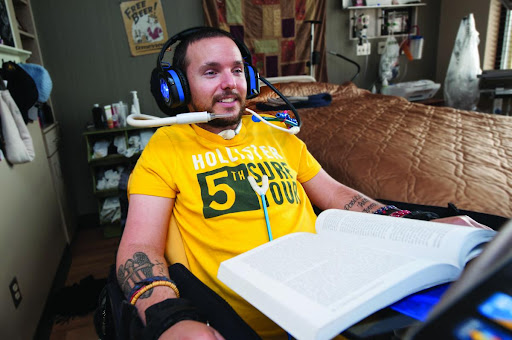










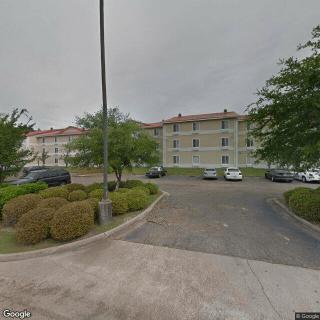
1 Layfair Drive Suite 500, Flowood, MS 39232
For more information about senior living options: (866) 208-4318
Methodist Specialty Care Center Costs & Pricing
At Methodist Specialty Care Center, the monthly cost for a private room is set at $5,000. This figure reflects a premium compared to the average costs in Rankin County, which stand at $4,093, and in the broader context of Mississippi where the average is even lower at $3,581. While Methodist Specialty Care Center may carry a higher price tag than both its county and state counterparts, it's essential to consider the specialized services and care that may be included in that cost. Such distinctions could account for the investment in quality and expertise that residents expect from this facility.
| Floor plans | Methodist Specialty Care Center | Rankin County | Mississippi |
|---|---|---|---|
| Private | $5,000 | $4,093 | $3,581 |
Overall Review of Methodist Specialty Care Center
Pros
 The facility is nice and clean.
- The facility is a real home to its residents.
- The staff are amazing.
- The nursing and therapy staff saved the patient.
- The care provided is top-notch.
Cons
 They claimed that range of motion for their child consisted of putting on a shirt.
 - They do not get that shampoo out of the hair.
- When the shampoo remained in the child’s head and caused itching, they said they could not scratch the head.
- It is sad because now the son is basically dead and gone.
- They need to hire all new head faculty members.
- The administrator they have now does not know what she’s doing.
- They allowed one patient, while the son was still alive, to die due to not getting to him on time.
- They refused to let families see their mother even with a court order.
- This is how people with Black or brown skin are treated.
- This place is horrible; it’s a place to put a loved one to die.
Review
This community is best suited for families that prioritize a clean, therapy-focused setting where tangible mobility and functional gains can occur, provided the frontline therapy teams are engaged and consistent. The facility itself is consistently described as well-kept, with a visible emphasis on therapy services and a environment that feels orderly for residents and families visiting. In cases where individual residents respond well to hands-on rehabilitation and there is strong day-to-day staff involvement, meaningful improvements have been reported by those who experienced care directly. Those realities suggest value for residents whose needs center on rehabilitation milestones and who can tolerate some administrative turbulence in exchange for accessible, in-house therapy.
At the same time, this center is not a universal fit. Families seeking seamless administration, predictable leadership, and unwavering respect for residents’ rights should consider alternatives. The most troubling feedback points to administrative gaps, personnel attitudes, and restricted family access, all of which can erode trust and undermine care even when clinical services appear sound on paper. Several reviewers describe an administration led by individuals with nursing backgrounds but lacking broader executive depth, contributing to a sense that operations and policy enforcement are inconsistent. For families needing transparent decision-making, proactive communication, and a consistently positive culture, other options may offer greater reassurance.
The core positives, the clean environment and the promise of robust therapy, do carry weight, yet they are not sufficient to offset the most serious drawbacks when deciding where to place a loved one. On the bright side, multiple accounts highlight that dedicated nursing and therapy staff can and do deliver meaningful progress for residents who respond to rehabilitation. Some residents report transformation after treatment periods, including improved mobility and the ability to eat or move more freely. The contrast with the darker experiences is real: elements of care can be excellent at the bedside, but the overall experience is tempered by reports of care gaps, tense staff relationships with new hires, and a troubling pattern of resident treatment that feels degrading to some families. When therapy teams are consistently engaged, the gains can be real; when administration falters or communication breaks down, those gains risk being undermined.
For decision-making, several concrete steps help separate promise from risk. First, verify up-to-date licensing status and inspection history, and request a current plan of care that clearly links therapy goals to measurable milestones. Second, demand unfiltered access to frontline staff: speak with therapists, nurses, and aides about caseloads, shift coverage, and how quickly concerns are escalated. Third, insist on a transparent visitation and family-access policy, including how court-ordered or legally mandated visits are handled, and what steps exist to address grievances. Fourth, probe leadership stability and staff morale: inquire about turnover rates, professional development opportunities, and the facility’s process for handling resident rights complaints and any formal investigations. Fifth, seek references beyond glossy marketing language, talk to current families or discharged residents to understand how consistently care plans were followed and how responsive the team was to red flags.
The most alarming notes in the collective feedback center on safety, dignity, and access. Claims that a loved one was harmed through delayed intervention, experiences of neglect, or what amounts to emotional and racial bias are not trivial. Even if some residents report excellent clinical outcomes, the specter of restricted visitation, dismissive administrator responses, and a climate that feels disrespectful toward residents or their families cannot be ignored. These red flags are not mere inconveniences; they speak to fundamental questions about trust, safety, and the likelihood that concerns will be addressed promptly and fairly. Any family weighing this center must weigh the potential for meaningful rehabilitation against the possibility of repeated, unaddressed problems in governance and culture.
Ultimately, this center offers a bifurcated reality: capable, sometimes transformative therapy and a clean environment on one side, and serious governance and rights concerns on the other. The prudent conclusion favors proceeding only with rigorous due diligence and a clear, written assurance that leadership and care practices have changed or will be independently audited for accountability. Families with the capacity to demand concrete commitments, tangible staffing plans, transparent grievance processes, and consistent family access, will find potential value here. Those who cannot tolerate uncertain administration, perceived disrespect, or restricted communication should look at alternatives with stronger, more stable leadership and proven, consistent cultures of resident-centered care.
 60 resident community capacity
 Skilled Nursing Facility
 Air-conditioning
 Beauty salon
 Cable or satellite TV
 Computer center
 Dining room
 Fitness room
 Fully furnished
 Gaming room
 Garden
 Housekeeping services
 Kitchenette
 Move-in coordination
 Outdoor space
 Private bathrooms
 Restaurant-style dining
 Small library
 Telephone
 Wellness center
 Wi-Fi/high-speed internet available
 Jackson International (2 miles away)
 Community operated transportation
 12-16 hour nursing
 24-hour call system
 Activities of daily living assistance
 Assistance with bathing
 Assistance with dressing
 Assistance with transfers
 Diabetes diet
 Medication management
 Mental wellness program
 Special dietary restrictions
 Concierge services
 Planned day trips






 Top Cars for Senior Drivers and Essential Safety Innovations
 A Closer Look at Private Pay Home Care
 Comprehensive Approaches for Arthritis: A Detailed Guide to Symptoms, Causes, and Care