


Greenbough Health And Rehabilitation Center

Save

  • Interior

    A cozy community space featuring a beautifully decorated Christmas tree, illuminated against the backdrop of evening light.
  • Building

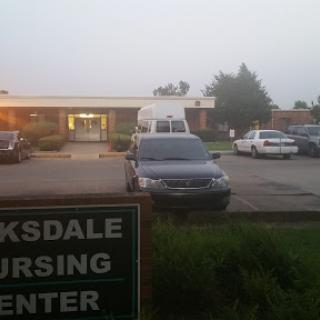
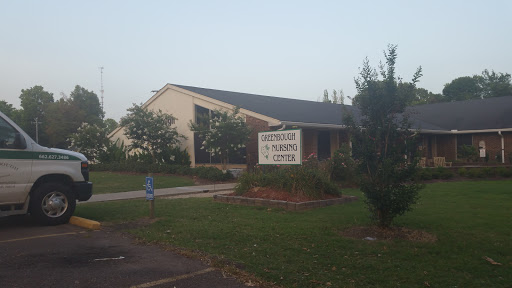
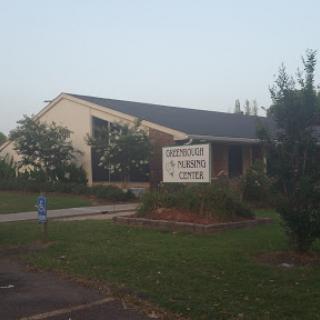
    Exterior view of the Greenbough building located at 340 Desoto Avenue, featuring well-maintained landscaping and signage.
  • Dining

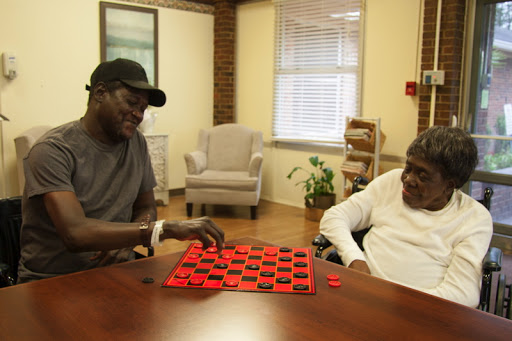
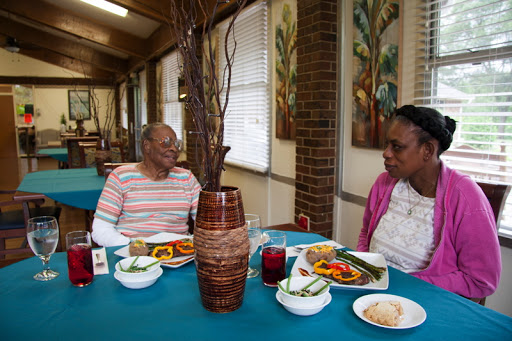
    Two individuals enjoying a meal together in a cozy dining setting.
  • Landscaping

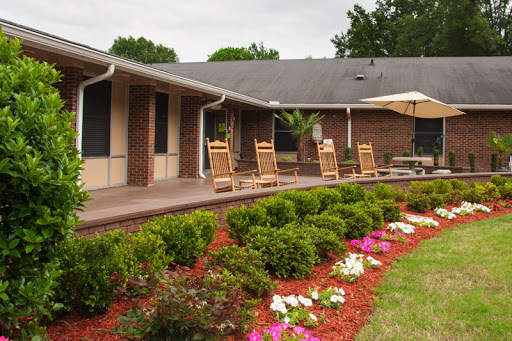
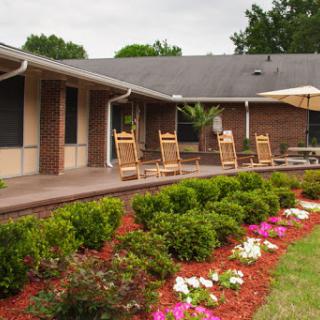
    A tranquil outdoor space featuring a cozy patio with rocking chairs and vibrant flower beds.
  • Outdoor

    A building with a sign in front, surrounded by greenery during the evening.
  • Healthcare

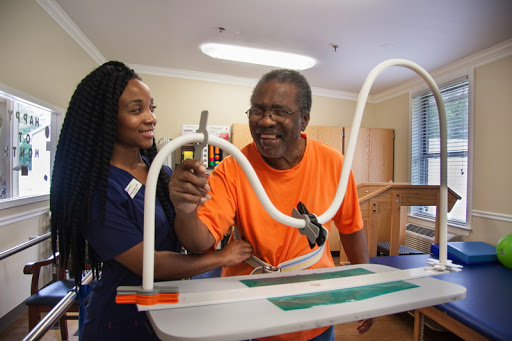
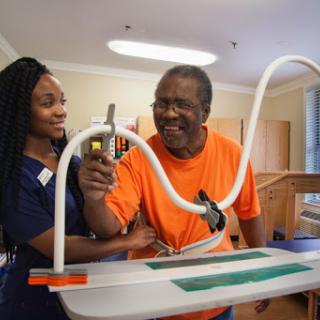
    A healthcare professional assists an elderly man during a physical therapy session, fostering positive interaction and rehabilitation.
  • Caregiver

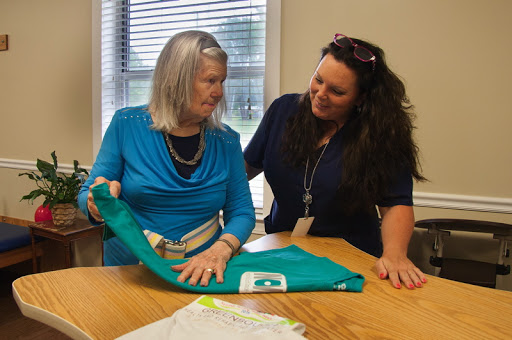
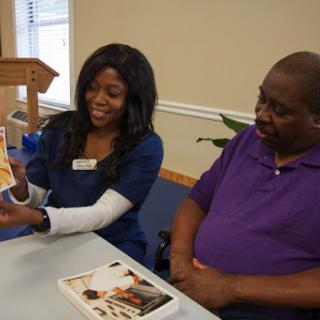
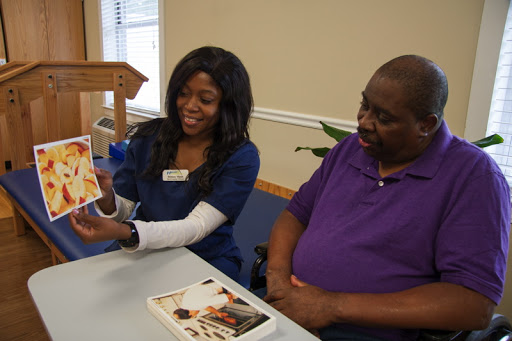
    A caregiver engages in a conversation with a patient while sharing a magazine.

Greenbough Health And Rehabilitation Center

340 Desoto Avenue Extended, Clarksdale, MS 38614

For more information about senior living options: (844) 490-3973

3.2 from 9 reviews
5 stars
5
4 stars
0
3 stars
0
2 stars
0
1 stars
4

Skilled Nursing Facility

What level of care are you interested in?

Assisted Living

Memory Care

Independent Living

Skilled Nursing Facility

Continuing Care Retirement Community (CCRC)CCRC

Other


Request a tour at Greenbough Health And Rehabilitation Center

    Overall Review of Greenbough Health And Rehabilitation Center

    Pros

    • pro New nursing leadership with positive changes.
    • pro Lots of resident activities and smiles all around.
    • pro New leadership making positive changes!

    Cons

    • pro The facility is described as the worst place to put a loved one.
    • pro The staff do not care and the leadership is non-existent.
    • pro This place is hell for seniors.
    • pro They are trying to send residents to the upper room.
    • pro The father died after rehabilitation for walking and was malnourished, severely dehydrated, and had bedsores.
    • pro The family faced delays and miscommunication about moving the mother, including being told there was room and then being moved to a sister facility 20 miles away.
    • pro The transfer process was slow and inconsistent, leading to further disappointment.

    Review

    There are voices about this facility that feel like a sharp indictment of how it treats the people it's meant to care for. One reviewer describes it as "the worst place to place your love in," painting a picture of staff who don't seem to care and leadership that feels almost non-existent. The frustration runs deep, with the implication that families are left to fend for themselves and to seek legal help just to protect the well-being of their loved ones. The sentiment is that this is a place where seniors are not protected or valued, and the atmosphere is described in terms that include "hell for seniors" and even talk of being sent to the "upper room." The sting of those accusations is meant to convey a breakdown in trust, communication, and accountability within the care system.

    Against the backdrop of that despair, other voices briefly offer a counterpoint, suggesting that change is possible. One reviewer notes the arrival of new nursing leadership and describes "positive changes," accompanied by a broader spectrum of resident activities and a sense of warmth or smiles circulating among residents. This perspective hints at a more hopeful outlook, where leadership renewal translates into engagement, structure, and a more vibrant daily routine for those living there. It's a reminder that care environments can evolve, and that improvements can take hold when leadership and staff align around residents' needs.

    Into this mix comes a deeply painful personal account: a father who went to this facility for rehabilitation with the aim of walking again but did not survive the stay. The reviewer charges that he was malnourished and severely dehydrated, and that he developed bedsores. The weight of this experience is palpable - a death attributed to neglect or inadequate care, framed as a direct consequence of the way the facility managed his rehabilitation and daily needs. The memory of a loved one's decline in a place that was supposed to restore health becomes a central, haunting thread in the overall narrative.

    After that tragic accounting, another voice again points to "new leadership making positive changes," suggesting that the earlier failings have sparked reforms that are increasingly visible. The repeated refrain about leadership bringing improvement signals that at least some families are witnessing measurable shifts in how care is delivered. It's presented as a counterbalance to prior criticisms, with an emphasis on the ongoing process of upgrading practices, routines, and perhaps the morale of caregivers and residents alike.

    A separate, detailed critique concerns a mother who had a stroke and required placement in a facility. The family recounts an admission process that started with the belief there was room for her, including medical screenings like two TB tests and a chest X-ray, which was described as definitive that day. The troubling part comes after those tests, when the facility reportedly said they were full and needed to move her to a sister facility about 20 miles away, further from home. The family's timeline underscores a sense of confusion and delay: the mother was ready to move midweek, tests were being conducted, and by Sunday there hadn't been clear progress or news about insurance or placement. The contrast between the initial assurance of availability and the later reality of capacity, coupled with slow communication and shifting plans, left the family frustrated with the process and the overall handling of the admission.

    Taken together, these accounts sketch a care setting that is not monolithic in its performance or its character. The negative experiences - claims of neglect, malnutrition, dehydration, and avoidable harm - stand alongside brighter notes about newly installed leadership and rising levels of resident activity and visible smiles. The stories reflect the jagged reality many families face in elder care: spots of genuine care and improvement interspersed with moments of fear, confusion, and heartbreak. They also underscore the crucial role of leadership stability, transparent communication, and reliable clinical care in shaping both the safety and the dignity of residents.

    What emerges is a complex portrait of a facility that provokes strong emotions - ranging from anger and fear to cautious optimism. The negative narratives invite questions about accountability, staffing, nutrition, hydration, wound care, and the speed and clarity of communications with families. The positive notes about new leadership and more activities offer a counterpoint, suggesting that change is possible and that improvements can manifest in tangible ways when leadership commits to recovery and engagement. For families weighing future care options, these voices highlight the importance of asking hard questions, seeking clear assurances about staffing and policies, and ensuring that there is a robust plan to protect residents' health, nutrition, hydration, and dignity at all times.

    Ultimately, the collection of experiences speaks to a broader truth about long-term care: the quality of life for seniors hinges on the daily, often invisible, decisions made by staff, the clarity and consistency of leadership, and the responsiveness of the facility to emergency needs and changing conditions. When care falters, the consequences are severe and lasting. When leadership and communication align with compassionate care, even amid challenges, there can be meaningful, positive change. Families deserve transparency, accountability, and a steadfast commitment to the well-being of their loved ones - now more than ever.

    Features

    Housing

    • 60 resident community capacity 60 resident community capacity

    Types of Care

    • Skilled Nursing Facility Skilled Nursing FacilitySkilled Nursing Facilities are crucial for seniors as they provide round-the-clock medical care, rehabilitation services, and assistance with daily activities. These facilities ensure that seniors receive the specialized care they need to maintain their health and well-being as they age.

    Amenities

    • Air-conditioning Air-conditioningAir conditioning is important for seniors as they are more vulnerable to heat-related illnesses and may have underlying health conditions that make it difficult for them to regulate their body temperature. It helps to keep them comfortable, safe, and healthy in hot weather.
    • Beauty salon Beauty salonBeauty salons are important for seniors because they provide a space for them to feel pampered, socialize, and maintain their personal grooming and hygiene. Regular visits to a beauty salon can help boost seniors' self-esteem and overall well-being.
    • Cable or satellite TV Cable or satellite TVCable or satellite TV is important for seniors because it provides entertainment, news, and companionship, helping to combat loneliness and boredom. It also offers a wide range of programming options tailored to different interests and preferences.
    • Computer center Computer centerA computer center is essential for seniors as it provides access to technology, communication tools, and resources that can enhance their daily lives. It allows them to stay connected with loved ones, engage in online activities, and learn new skills, ultimately promoting socialization and mental stimulation.
    • Dining room Dining roomDining rooms are important for seniors as they provide a space for socialization, connection, and nutritious meals. They offer opportunities for residents to bond over shared meals, foster a sense of community, and promote healthy eating habits. Dining rooms also ensure that seniors have access to well-balanced meals tailored to their dietary needs and preferences.
    • Fitness room Fitness roomHaving a fitness room in a senior living community is essential for seniors to stay active, maintain their physical health, and improve their overall well-being. Regular exercise can help prevent falls, reduce the risk of chronic diseases, and promote mental sharpness. It also provides social opportunities for residents to connect with others and enjoy a sense of community.
    • Fully furnished Fully furnishedFully furnished senior living communities are important for seniors because they provide convenience, comfort, and a hassle-free moving experience. Seniors can easily settle into their new living space without the stress of having to buy and move furniture. This allows them to focus on enjoying their new home and community.
    • Gaming room Gaming roomGaming rooms are important for seniors as they provide a fun and engaging environment for socializing, cognitive stimulation, and physical activity. Games can improve memory, problem-solving skills, and overall mental well-being while fostering friendships and reducing feelings of isolation.
    • Garden GardenGardens are important for seniors as they provide a peaceful and therapeutic environment for relaxation, physical activity, and socialization. Being in nature has been shown to reduce stress, improve mood, and promote overall well-being. Gardens also offer opportunities for seniors to engage in gardening activities, which can improve mobility, flexibility, and cognitive function. Additionally, gardens create a sense of community and connection with others who share a passion for plants and outdoor spaces.
    • Housekeeping services Housekeeping servicesHousekeeping services are important for seniors because they help maintain a clean and safe living environment, promote independence, and reduce the risk of accidents or illnesses. Additionally, having assistance with household chores can alleviate physical strain and allow seniors to focus on other aspects of their well-being.
    • Kitchenette KitchenetteKitchenettes are important for seniors living in senior living communities because they provide the convenience and independence of being able to prepare simple meals and snacks in the comfort of their own living space. This can help promote a sense of autonomy and well-being for seniors, allowing them to maintain some level of control over their dietary choices and daily routines.
    • Move-in coordination Move-in coordinationMove-in coordination is important for seniors because it helps ease the transition into their new living environment. It ensures that all logistics, such as packing, organizing movers, and setting up utilities are taken care of, allowing seniors to focus on settling in and adjusting to their new home. Having a smooth move-in process can alleviate stress and anxiety, making the transition smoother and more enjoyable for seniors.
    • Outdoor space Outdoor spaceOutdoor spaces are important for seniors as they provide opportunities for physical activity, social interaction, exposure to natural light and fresh air, and a sense of connection to nature. Having access to outdoor spaces can improve overall well-being and quality of life for older adults living in senior communities.
    • Private bathrooms Private bathroomsPrivate bathrooms are important for seniors in senior living communities because they provide independence, dignity, and comfort. Having a private bathroom allows seniors to maintain their personal hygiene routines without the need for assistance, promoting a sense of autonomy and privacy. Additionally, private bathrooms help prevent the spread of infections and provide a safe and clean environment for seniors to navigate safely.
    • Restaurant-style dining Restaurant-style diningRestaurant-style dining is important for seniors because it allows them to enjoy delicious, nutritious meals in a social and upscale setting. This enhances their dining experience, promotes healthy eating habits, and fosters socialization with fellow residents, ultimately contributing to their overall well-being and quality of life.
    • Small library Small librarySmall libraries are important for seniors as they provide access to a variety of reading materials, including books, newspapers, and magazines. This can help stimulate their minds, keep them engaged, and provide a sense of community through book clubs and other social activities. Additionally, reading has been shown to improve cognitive function and overall mental well-being in older adults.
    • Telephone TelephoneTelephones are important for seniors as they provide a lifeline for communication with loved ones, emergency services, and healthcare providers. They offer a sense of security and independence, enabling seniors to stay connected and access assistance when needed.
    • Wellness center Wellness centerWellness centers are important for seniors because they offer a variety of programs and services that promote physical, mental, and emotional well-being. These centers provide opportunities for exercise, socialization, education, and relaxation, helping seniors maintain their overall health and quality of life.
    • Wi-Fi/high-speed internet available Wi-Fi/high-speed internet availableWi-Fi/high-speed internet is important for seniors to stay connected with loved ones, access online resources, and participate in virtual activities to combat feelings of loneliness and isolation. It also allows them to easily manage healthcare needs, access entertainment, and engage in lifelong learning opportunities.

    Transportation

    • Community operated transportation Community operated transportationCommunity operated transportation is crucial for seniors as it provides them with the means to access essential services, social activities, and medical appointments. It allows seniors to maintain their independence and quality of life by ensuring they can participate in activities outside of their homes. Additionally, community-operated transportation services offer a safe and reliable way for seniors to travel without having to rely on family or friends for assistance.
    • Transportation arrangement Transportation arrangementTransportation arrangements are crucial for seniors as they may face challenges with driving, mobility, or access to public transportation. Having reliable transportation services ensures that seniors can easily attend appointments, social activities, and maintain their independence and quality of life.
    • Transportation arrangement (non-medical) Transportation arrangement (non-medical)Transportation arrangements are essential for seniors as they provide access to essential services, activities, and social interactions outside the home. This service helps maintain independence, mobility, and overall well-being for seniors who may have limited transportation options.
    • Transportation to doctors appointments Transportation to doctors appointmentsTransportation to doctors appointments is crucial for seniors as it ensures they have access to necessary medical care and support, promoting their health and well-being. It allows them to receive timely treatment, monitor existing conditions, and address any new health concerns efficiently. Additionally, transportation services can help seniors maintain their independence and quality of life by enabling them to stay connected with their healthcare providers.

    Care Services

    • 12-16 hour nursing 12-16 hour nursing12-16 hour nursing care is crucial for seniors in order to ensure around-the-clock monitoring, timely medication administration, and prompt response to any health concerns or emergencies. This level of care helps to promote the overall well-being and safety of seniors living in senior living communities.
    • 24-hour call system 24-hour call system24-hour call systems are important for seniors because they provide peace of mind and immediate assistance in case of emergencies. This technology ensures that help is always available, promoting safety and security for elderly individuals living alone or in assisted living facilities.
    • 24-hour supervision 24-hour supervision24-hour supervision is important for seniors to ensure their safety, well-being, and access to immediate assistance in case of emergencies or health issues. This constant support provides peace of mind for both seniors and their loved ones, allowing them to age in place with dignity and security.
    • Activities of daily living assistance Activities of daily living assistanceActivities of daily living assistance are important for seniors because they provide essential support with tasks such as eating, bathing, dressing, and mobility. This assistance helps seniors maintain their independence, dignity, and overall quality of life as they age.
    • Assistance with bathing Assistance with bathingAssistance with bathing is crucial for seniors as it helps maintain personal hygiene, prevents infections, and ensures their overall well-being and comfort. It also provides a sense of dignity and independence for seniors who may struggle with this task on their own.
    • Assistance with dressing Assistance with dressingAssistance with dressing is important for seniors because it helps maintain their independence, promotes personal hygiene, prevents accidents and injuries, and improves overall quality of life. This service ensures that seniors can continue to dress comfortably and confidently, despite any physical limitations they may have.
    • Assistance with transfers Assistance with transfersAssistance with transfers is crucial for seniors as it helps prevent falls and injuries, maintains their independence, and ensures they can safely navigate their living environment. It also provides peace of mind for both seniors and their loved ones.
    • Diabetes diet Diabetes dietA diabetes diet is crucial for seniors as it helps manage blood sugar levels, reduce risks of complications, and improve overall health and well-being. By following a balanced and nutritious diet tailored to their specific needs, seniors can better control their diabetes and enhance their quality of life.
    • Meal preparation and service Meal preparation and serviceMeal preparation and service are crucial for seniors as they may have limited mobility or energy to cook nutritious meals. Having access to healthy and convenient food options can ensure they are getting the proper nutrition needed to maintain their overall health and well-being.
    • Medication management Medication managementMedication management is crucial for seniors to ensure they are taking the right medications at the correct dosages and times. This helps prevent adverse drug interactions, reduces the risk of medication errors, and promotes overall health and well-being. Proactive management also allows for adjustments as needed based on changing health conditions or new prescriptions.
    • Mental wellness program Mental wellness programMental wellness programs are essential for seniors as they promote cognitive stimulation, emotional support, and social engagement. These programs help prevent isolation, depression, and cognitive decline, ultimately enhancing the overall quality of life for older adults.
    • Special dietary restrictions Special dietary restrictionsSpecial dietary restrictions are important for seniors because age-related changes in metabolism and health conditions can make it difficult for their bodies to process certain foods. By following a diet tailored to their specific needs, seniors can maintain their overall health and well-being, manage chronic conditions, and reduce the risk of complications such as malnutrition or food interactions with medications.

    Dining

    • Diabetes diet Diabetes dietA diabetes diet is crucial for seniors as it helps manage blood sugar levels, reduce risks of complications, and improve overall health and well-being. By following a balanced and nutritious diet tailored to their specific needs, seniors can better control their diabetes and enhance their quality of life.
    • Special dietary restrictions Special dietary restrictionsSpecial dietary restrictions are important for seniors because age-related changes in metabolism and health conditions can make it difficult for their bodies to process certain foods. By following a diet tailored to their specific needs, seniors can maintain their overall health and well-being, manage chronic conditions, and reduce the risk of complications such as malnutrition or food interactions with medications.

    Activities

    • Community-sponsored activities Community-sponsored activitiesCommunity-sponsored activities are important for seniors as they provide opportunities for social interaction, mental stimulation, and physical activity. These activities can help improve overall well-being, combat loneliness and isolation, and promote a sense of belonging and purpose among older adults.
    • Concierge services Concierge servicesConcierge services are essential for seniors as they provide assistance with daily tasks and errands, enhance their quality of life by offering convenience and personalized care, and promote a sense of safety and security.
    • Fitness programs Fitness programsFitness programs are crucial for seniors as they help improve strength, flexibility, balance, and overall well-being. Staying active can reduce the risk of chronic diseases, improve mental health, and enhance quality of life in older adults.
    • Planned day trips Planned day tripsPlanned day trips are important for seniors because they offer opportunities for socialization, mental stimulation, and physical activity. They provide a change of scenery and help seniors stay engaged and connected to their community, promoting overall well-being and quality of life.
    • Resident-run activities Resident-run activitiesResident-run activities are important for seniors as they encourage social interaction, creativity, and a sense of autonomy. These activities empower seniors to stay engaged and active in their community while fostering meaningful connections with their peers.
    • Scheduled daily activities Scheduled daily activitiesScheduled daily activities are important for seniors because they provide structure, socialization, mental stimulation, and physical activity. Engaging in regular activities can improve overall well-being and quality of life for seniors living in a community setting.

    Description

    Greenbough Health And Rehabilitation Center in Clarksdale, MS is a vibrant assisted living community that offers a wide range of amenities and care services. Residents can take advantage of the on-site beauty salon, fully furnished accommodations, and have access to cable or satellite TV in their private rooms. The center also provides community-operated transportation for outings and appointments, as well as transportation arrangements for non-medical needs.

    For those who enjoy technology, there is a computer center with Wi-Fi/high-speed internet access available. The dining room offers restaurant-style dining with special dietary restrictions accommodated. Housekeeping services ensure that residents can focus on enjoying their time in the community.

    To promote physical fitness and wellness, Greenbough has a fitness room and outdoor space for exercise or relaxation. There is also a gaming room and small library for recreation and entertainment.

    The caring staff at Greenbough Health And Rehabilitation Center are available 24/7 to provide assistance with activities of daily living, such as bathing, dressing, transfers, and medication management. They also offer a mental wellness program to support residents' emotional well-being.

    This community is conveniently located near parks, pharmacies, physicians, restaurants, transportation options, places of worship, and hospitals. Residents can enjoy planned day trips organized by the concierge services or participate in resident-run activities. Scheduled daily activities cater to various interests and preferences.

    At Greenbough Health And Rehabilitation Center in Clarksdale, MS, residents can expect compassionate care in a comfortable setting that encourages socialization and overall well-being.

    Nearby Places of Interest

    Places of Worship

    • Clarksdale Baptist Church (0.3 miles)
    • First United Pentecostal Church (0.5 miles)
    • King's Temple M B Church (0.6 miles)
    • Metropolitan Baptist Church (0.7 miles)
    • First Apostolic Faith Temple (0.7 miles)
    • St James Temple Church Of Christ (0.7 miles)
    • Church of God In Christ (0.7 miles)

    Pharmacies

    • Fred's Pharmacy (0.3 miles)
    • Haggard Drug Store (0.5 miles)
    • Henderson Drug (0.6 miles)
    • Medicap Pharmacy (0.6 miles)
    • Haire Drug Center (1.4 miles)
    • UPS Authorized Shipping Provider (1.5 miles)
    • Walmart Pharmacy (2.3 miles)

    Restaurants

    • Owens Soul Food (0.5 miles)
    • Blue Cotton Bake Shop (0.5 miles)
    • Hooker Grocer + Eatery (0.6 miles)
    • Levon's Bar & Grill (0.6 miles)
    • Deep Blues Festival (0.6 miles)
    • Delta Blues Alley Cafe (0.6 miles)
    • The Dutch Oven (0.6 miles)

    Transportation

    • Alamo (0.8 miles)
    • CDRY Touring and Cab Services (0.9 miles)
    • H Town Customs (1 miles)
    • U-Haul Neighborhood Dealer (2.3 miles)

    Parks

    • Ford Park (1 miles)
    • Court Square Park (22.2 miles)

    Physicians

    • Delta Neurology Clinic (1 miles)
    • Children's Clinic of Clarksdale (1 miles)
    • Clarksdale Gi Clinic (1.1 miles)
    • Clarksdale Orthopedics (1.1 miles)
    • Office of Dr Andrea Smith, MD (1.1 miles)
    • Woman's Clinic (1.1 miles)
    • Family First (2.3 miles)

    Hospitals

    • Clarksdale Hma (1.2 miles)
    • Quitman County Hospital (16.8 miles)
    • Healthyland Adc (17.3 miles)
    • Jessica L Pillow M.D. (21.2 miles)

    Theaters

    • Bone&Rust Art Co. (11.9 miles)

    Frequently Asked Questions

    Where is Greenbough Health And Rehabilitation Center?
    What photos are available for Greenbough Health And Rehabilitation Center in Clarksdale, Mississippi?

    Nearby Communities

    Related Resources

    • what does an elder law attorney do6 Crucial Ways an Elder Law Attorney Assists Families

      Elder law attorneys assist older adults and their families with legal matters such as estate planning, Medicaid eligibility, and guardianships, while also providing protection against elder abuse. They help navigate complex regulations to safeguard financial resources, ensure well-being, and maintain autonomy for seniors.

    • tax implications of parent living with youNavigating the Tax Landscape of Caregiving: Credits, Deductions, and Beyond

      Caregiving for an aging parent entails emotional and financial responsibilities accompanied by significant tax implications, including potential benefits from claiming them as dependents and deductions for medical expenses and caregiving costs. Caregivers must understand eligibility requirements, maintain thorough documentation, and consider consulting a tax professional to navigate these complexities effectively.

    • low impact exercises for seniorsHighly Beneficial Low-Impact Exercises for Senior Living Residents

      Low-impact exercises are vital for seniors as they promote health, independence, and social interaction while reducing joint strain. These adaptable activities, guided by healthcare professionals, enhance strength, flexibility, and emotional well-being.


    Get Pricing Ask A Question Schedule A Tour Contact Senior Advisor