Residents and families most often describe staff as kind, thorough, and responsive during care.
Many reviews highlight a calming presence and time spent explaining what was happening, including nurses and clinicians who took patients seriously. Several families describe ER care as prompt and efficient, with staff making a stressful situation more manageable. A number of reviewers also mention being treated with respect and compassion, including during more serious situations.
common2 reviews mention this
Dining and cafeteria feel
Dining is discussed mainly in terms of the cafeteria atmosphere and how meal choices could improve.
One review notes the community’s cafeteria smelled nice and that there were many activities for those able to participate. Another reviewer suggests promoting a whole-foods plant-based menu in the cafeteria, which points to interest in more clearly defined meal options. The community also offers restaurant-style dining and supports special dietary restrictions.
common2 reviews mention this
Garden and walkway are liked
Reviews mention the garden or walkway as a standout feature of the campus experience.
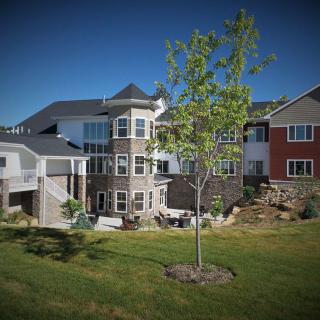
Some reviewers specifically praise the garden and walkway, calling the medical campus attractive. This lines up with the community’s outdoor space offerings. A separate review also mentions the overall feel on arrival, reinforcing that the setting contributes to comfort.
caveat4 reviews mention this
Billing and insurance complaints
Multiple reviewers raise concerns about billing accuracy and the insurance process.
Several reviews criticize billing practices, including large unexpected out-of-pocket charges and difficulty resolving coding or insurance-related issues. Others describe insurance not being processed correctly or taking months to be billed. One review also calls out billing as a ripoff even while noting the staff itself was fine.
caveat3 reviews mention this
Front desk and documentation gaps
Some reviewers report problems with communication and documentation during visits.
A few reviews mention administrative friction, including trouble getting basic routing details right on the phone and front desk staff seeming unprepared. Others describe issues verifying insurance information for family members, along with a feeling that important details were not documented. While some clinicians are praised, these administrative issues come up often enough to stand out.
How we summarize
Counts show how many written reviews mention each theme; a review can touch several themes, and only frequently mentioned themes are displayed.
Choosing between assisted living and nursing homes involves evaluating emotional and financial factors, with assisted living offering independence and support for daily activities at a lower cost, while nursing homes provide intensive medical care for individuals with significant health needs. The decision is influenced by personal preferences, health status, cognitive function, and varying Medicaid coverage across states.
Assisted living in 2025 offers a crucial balance of independence and support for seniors, with costs varying from $2,500 to over $7,000 per month based on factors such as location and care level. Understanding pricing complexities, including regional differences and potential hidden fees, is essential for families to plan financially while ensuring quality care for their loved ones.
The guide outlines the complexities of Medicaid coverage for assisted living, highlighting significant state-to-state variations, limited coverage often restricted to personal care services, and the existence of specialized waivers for certain needs like memory care. It advises families to consult local Medicaid offices for options while emphasizing the importance of understanding state-specific regulations and facility policies.
Get PricingAsk A QuestionSchedule A TourContact Senior Advisor
By clicking submit, you agree to our Partner's Terms of Use. You
also consent to receive calls and texts, which may be autodialed, from our Partner. Your consent is not a condition to
using our Partner's service. Please visit our Partner's Privacy Policy for information about their privacy practices.


 100 resident community capacity
 Assisted Living
 Skilled Nursing Facility
 Air-conditioning
 Beauty salon
 Cable or satellite TV
 Computer center
 Dining room
 Fitness room
 Fully furnished
 Gaming room
 Garden
 Housekeeping services
 Kitchenette
 Move-in coordination
 Outdoor space
 Private bathrooms
 Restaurant-style dining
 Small library
 Telephone
 Wellness center
 Wi-Fi/high-speed internet available
 Community operated transportation
 12-16 hour nursing
 24-hour call system
 Activities of daily living assistance
 Assistance with bathing
 Assistance with dressing
 Assistance with transfers
 Diabetes diet
 Medication management
 Mental wellness program
 Special dietary restrictions
 Concierge services
 Planned day trips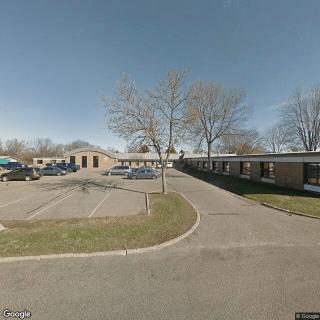
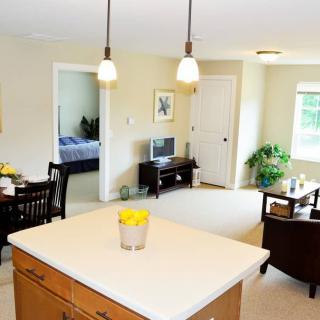
 Inviting atmosphere with engaging activities and thoughtful amenities.


 Choosing the Right Senior Care: A Detailed Exploration of Assisted Living and Nursing Homes
 Understanding the True Cost of Assisted Living in 2025: A Comprehensive Guide
 Understanding Medicaid Coverage for Assisted Living: A Comprehensive Guide