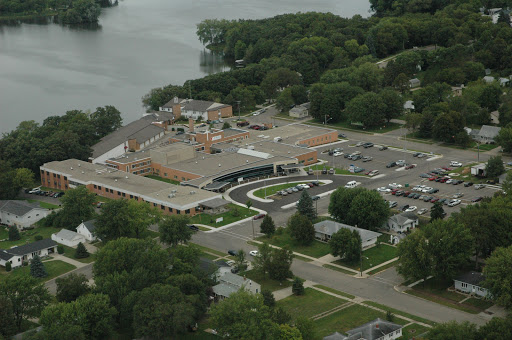
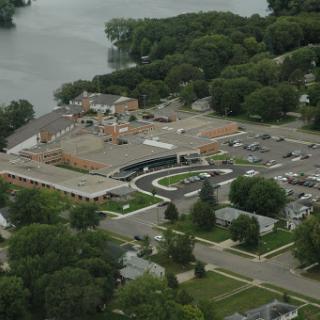

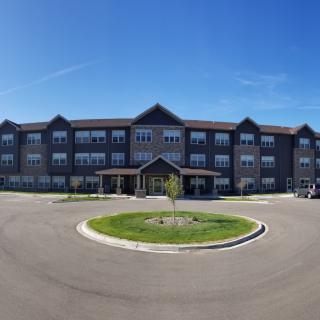
425 North Elm Street, Sauk Centre, MN 56378
For more information about senior living options: (866) 208-4318
Overall Review of Centracare Health System-Sauk Centre Nursing Home
Pros
 The doctors are great.
- The service is quick and accurate.
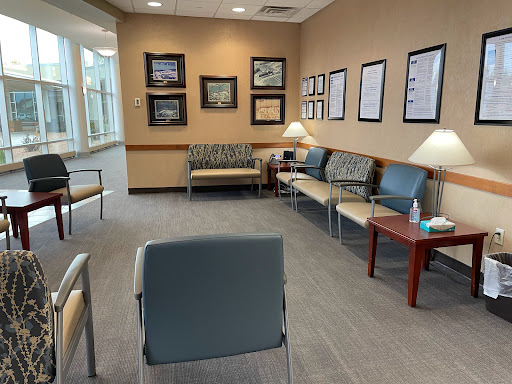
- The staff are friendly and the facility is clean.
- The staff provide excellent and amazing care.
- The team delivers phenomenal care during procedures.
- The vaccination process was smooth and the staff were lovely.
- The Sauk Centre facility provides great care and trusted advice from doctors Sayovitz and Dunn.
Cons
 CentraCare ruins everything they touch.
- They call Sauk Centre the worst hospital and say the doctors are incompetent, with the head doctor canceling appointments and showing zero compassion.
- They allege the hospital is a money grab and doubt some doctors have the required qualifications.
- They describe the care as extremely slow, taking hours to see a patient and to arrange transport, risking death.
- They state they would not recommend the hospital to their worst enemy.
- They say staff don’t care what patients say and act without considering their circumstances.
- They note the services are overpriced for little benefit.
- They point to Nurse Denise’s involvement as signaling poor communication and call for better standards.
- They report Dr. Wigert has been unwilling to meet to discuss the statements.
- They argue there should be laws or standards addressing this misconduct, as such claims without verification are irresponsible and damaging.
Review
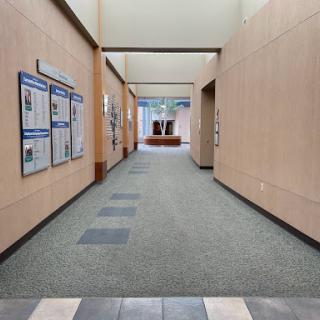
This community is best suited for families seeking reliable medical oversight within the CentraCare network and a clean, efficiently run setting in Sauk Centre. It works well for residents whose needs center on access to established physicians and hospital-level resources nearby, with the understanding that active family involvement is often necessary to keep care plans aligned with the resident’s goals. In practice, the strongest asset is medical leadership; the facility can deliver solid clinical guidance when the care team is aligned. However, this requires vigilant family advocacy to ensure communications stay clear and decisions are well documented.
Those who should consider alternatives are families prioritizing consistently transparent communication, uniformly responsive staff, and a predictable caregiving climate. If past experiences with medical teams have bred concern about how information is shared or how quickly concerns are addressed, a different placement may reduce ongoing stress. Likewise, if cost pressure is significant and the expectation is clear value from every service without surprises, it’s prudent to compare facilities with clearer pricing structures and more uniform bedside tone. For residents who demand a highly specialized geriatric program or exceptionally high-touch daily care, other options may deliver more consistent daily experiences.
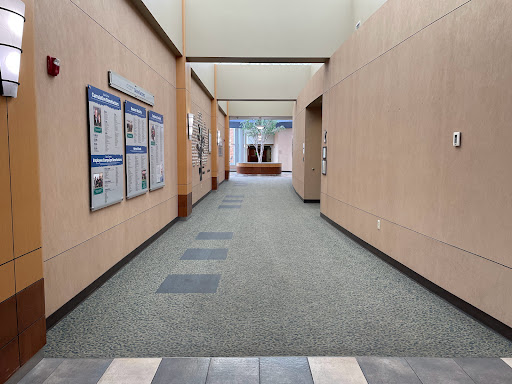
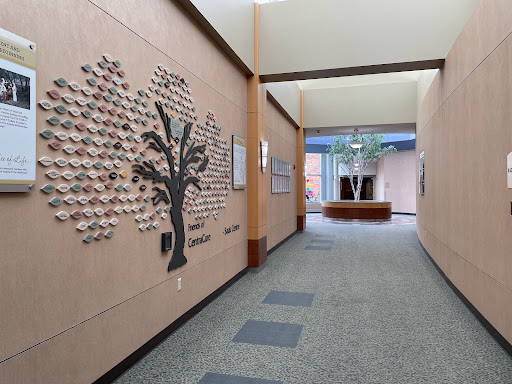
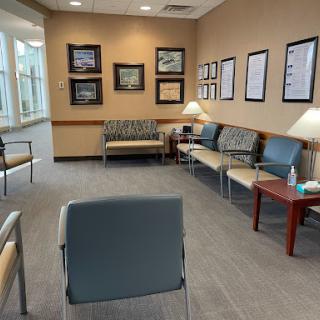
The most compelling pros center on strong medical leadership and a generally clean, well-maintained environment. Several reviews highlight quick, professional service and a workforce described as friendly, with care that feels attentive in many settings. The facility’s capacity to connect residents with respected physicians and to provide ongoing access to a wide medical network is a meaningful strength, particularly for families seeking continuity of care across hospital and outpatient services. The positive experiences around certain doctors and the broader system’s capacity to handle routine procedures, vaccines, and tests also matter for families weighing the convenience of staying within a familiar network.
Yet the main cons temper that strength. Notable is the uneven quality of day-to-day interactions, with some families reporting that staff and clinicians do not fully acknowledge resident concerns or actively listen to family input. Communication gaps can undermine trust, especially during transitions or when decisions hinge on timely updates. A few accounts describe serious concerns about professional conduct and the handling of information, underscoring the need for robust family involvement and clear, verifiable communication protocols. Add in anecdotes about delays or perceived rigidity in scheduling and coordination, and the overall picture becomes less predictable than desired for long-term, high-trust care arrangements. Cost can also be a friction point when services felt to be limited do not clearly justify the expense.
Practically, families evaluating this option should probe concrete processes before moving in. Request a formal care-plan review with the primary physician and the charge nurse, and ask how family updates are communicated (frequency, channels, and who signs off on changes). Inquire about staffing ratios during day and night shifts, and request examples of how concerns were resolved in recent weeks. Verify billing practices up front, including what is included in standard rates and what triggers additional charges. Finally, ask to meet with trusted clinicians to gauge whether the bedside manner and communication style align with the resident’s and family’s expectations. These steps help separate the solid medical leadership from the variability that has surfaced in some experiences.
In the end, CentraCare Sauk Centre Nursing Home presents a practical, medically capable option for families who can stay engaged and who value access to a respected medical network near Sauk Centre. It is less suitable for those who cannot tolerate potential gaps in communication or who must see consistently uniform bedside care without ongoing advocacy. The decision hinges on balancing the clear strengths of medical leadership and the clean, orderly environment against the realities of variable staff responsiveness and the contested impressions of care processes. If choosing this community, enter with a plan: designate a care coordinator, map out regular family–provider conversations, and routinely reassess whether the care trajectory remains aligned with the resident’s evolving needs and goals.
 60 resident community capacity
 Skilled Nursing Facility
 Air-conditioning
 Beauty salon
 Cable or satellite TV
 Computer center
 Dining room
 Fitness room
 Fully furnished
 Gaming room
 Garden
 Housekeeping services
 Kitchenette
 Move-in coordination
 Outdoor space
 Private bathrooms
 Restaurant-style dining
 Small library
 Telephone
 Wellness center
 Wi-Fi/high-speed internet available
 Community operated transportation
 12-16 hour nursing
 24-hour call system
 Activities of daily living assistance
 Assistance with bathing
 Assistance with dressing
 Assistance with transfers
 Diabetes diet
 Medication management
 Mental wellness program
 Special dietary restrictions
 Concierge services
 Planned day trips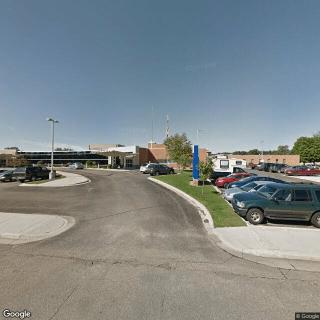


 Comprehensive Look at Senior Blood Pressure Charts: Normal and Elevated Levels by Age
 Top Canine Companions for Older Adults
 Comprehensive Guide to Blood Pressure Charts for Older Adults: Understanding Normal and High Readings by Age