
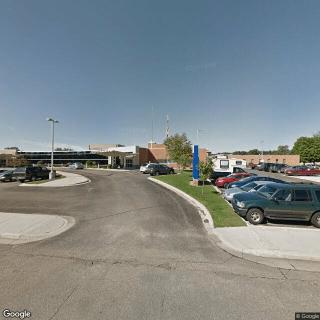
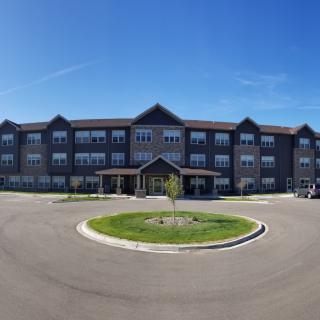
418 10Th Street South, Sauk Centre, MN 56378
For more information about senior living options: (866) 208-4318
Overall Review of Alternative Senior Care II
Pros
 Their interactions with Alternative Senior Care have been excellent.
- The office staff are friendly and very informative.
- They are faith-based, and that is appreciated.
- The staff are very caring and knowledgeable about dementia.
- They are very helpful for those who need it.
Review
Alternative Senior Care II in Sauk Centre is best suited for families seeking a dementia-aware, faith-aligned living option where staff responsiveness and clear communication are prioritized. The strongest fit is for seniors who benefit from a caregiving approach that centers on memory-related needs, with reassurance coming from staff who are described as caring, knowledgeable, and easy to reach. This community tends to appeal to families who value a smaller, more focused setting rather than a large campus, where the emphasis is on practical assistance and steady, reliable support rather than a broad, hospital-like array of services. In short, it is a practical choice for memory-care needs paired with a values-driven environment.
For those who may want to consider alternatives, the message is clear: individuals with high medical acuity requiring extensive skilled nursing or complex clinical oversight may find this setting less suitable. Families seeking a non-faith-based environment, or amenities that come with larger senior-living campuses (more diversified programming, transportation options, or expansive campuses), may prefer other options that showcase broader service menus or different cultural emphases. The reviews’ emphasis on dementia knowledge and a faith-based orientation signals a strong fit for some, but not for everyone, particularly when care plans demand broader medical breadth or a secular setting.
The strongest positives center on people and process. Office staff are described as friendly and highly informative, delivering a level of accessibility that reduces family stress and accelerates decision-making. The faith-based orientation is a meaningful anchor for residents and families who want a consistent value system and integrated spiritual support. Staff are characterized as caring and knowledgeable about dementia, which translates into practical reassurance that daily routines, safety considerations, and memory-care routines are handled with competence. The bottom-line sentiment in the feedback is trust: interactions are excellent, and the option is repeatedly recommended, suggesting a low-friction experience for everyday caregiving tasks and coordination.
These strengths offset potential gaps in ways that matter to families evaluating trade-offs. The core pro, dementia-focused expertise delivered through attentive, values-aligned staff, helps minimize the perceived need for a larger institutional footprint. When care decisions hinge on reliable follow-through and calm, predictable daily life, the proven track record of getting things done becomes a meaningful offset to the absence of explicit notes about broader medical services or expansive amenities. In practical terms, for families prioritizing steadiness, clear communication, and a respectful, faith-forward environment, the pros directly counterbalance the lack of information about more intensive clinical offerings.
Even so, it remains wise to scrutinize a few practical dimensions before committing. Prospective residents should seek specifics on care planning for memory-impaired individuals, staff-to-resident ratios, and how dementia routines are designed and updated over time. Clarify what “getting things done” looks like in day-to-day terms, care coordination, medication management, and response times to prompts or alarms. For families that want robust activities programming, transportation, and a broad continuum of care on one campus, verify that the available services align with these expectations. Understanding these operational details helps ensure the alignment between strong staff engagement and the resident’s evolving needs.
Ultimately, Alternative Senior Care II stands out as a solid, well-regarded choice for seniors who prioritize dementia competence and a faith-based, trustworthy environment. It is especially compelling for families seeking a practical, responsive partner in daily caregiving, with staff who communicate well and demonstrate genuine care. For those whose criteria include extensive medical oversight, secular programming, or a large, multi-service campus, alternatives should be considered to avoid compromising on essential needs. In the right match, where memory care, calm routines, and shared values matter most, this community offers a compelling, reliable path forward.
 21 resident community capacity
 Assisted Living
 Beauty salon
 Cable or satellite TV
 Dining room
 Fully furnished
 Garden
 Housekeeping services
 Kitchenette
 Move-in coordination
 Outdoor space
 Telephone
 Wi-Fi/high-speed internet available
 24-hour call system
 Activities of daily living assistance
 Assistance with bathing
 Assistance with dressing
 Assistance with transfers
 Diabetes diet
 Meal preparation and service
 Medication management
 Mental wellness program
 Special dietary restrictions
 Transportation arrangement (medical)
 Transportation to doctors appointments
 Comprehensive Insights into Activities of Daily Living (ADLs) and Their Assessment
 Guiding Elderly Parents Who Refuse Assisted Living: 6 Practical Steps
 Your Comprehensive Guide to Luxury Assisted Living: Elevated Facilities, Amenities, and Costs