Residents and families repeatedly describe attentive, compassionate care from the staff.
Across many reviews, families say the staff are attentive and go above and beyond, including nursing staff and aides. Several reviewers also highlight dependable support and respectful, person-centered treatment. A few experiences are more negative, but even those reviews acknowledge specific staff members as kind and helpful in the moment.
caveat3 reviews mention this
Response times and staffing concerns
Some residents describe slow help getting provided when call lights or urgent needs come up.
One family says it took 25 to 30 minutes to get help with toileting, and they also describe delays when requesting pain medication. Another reviewer reports waiting up to 10 minutes for a call light to be answered for bathroom needs. A separate negative review also points to understaffing and situations where help had to be requested repeatedly.
caveat4 reviews mention this
Medical oversight is mixed
Reviews are divided on whether medical needs are caught and handled appropriately.
Some families say they saw excellent care outcomes, including help with diagnosis, recovery, and treatment support. Other reviews describe serious concerns, including delayed detection of an infectious disease, issues related to a cancerous growth, and stroke-related neglect they attribute to inadequate checks and follow-through. One review also criticizes staff training for managing patient behaviors and describes an incident they found unacceptable.
common3 reviews mention this
Therapy support comes through
Multiple residents and families mention progress supported by physical or occupational therapy.
Several reviews credit therapy teams with meaningful improvements, including help from the physical therapy department during a stay. One family describes recovery support after a knee replacement and says therapy was wonderful. Another reviewer mentions therapy received along with nursing care, describing a successful move toward a more active routine afterward.
caveat2 reviews mention this
Room cleanliness and condition vary
Some reviews highlight cleanliness, while others describe the facility as dirty or aged.
One reviewer specifically mentions clean rooms as part of a positive experience. In contrast, a negative review describes the facility as dirty and aged and says it was uncomfortable. Together, the comments suggest that cleanliness and overall condition may not be consistently experienced the same way.
How we summarize
Counts show how many written reviews mention each theme; a review can touch several themes, and only frequently mentioned themes are displayed.
Features
Housing
79 resident community capacity
Types of Care
Skilled Nursing Facility
Amenities
Air-conditioning
Beauty salon
Cable or satellite TV
Computer center
Dining room
Fitness room
Fully furnished
Gaming room
Garden
Housekeeping services
Kitchenette
Move-in coordination
Outdoor space
Private bathrooms
Restaurant-style dining
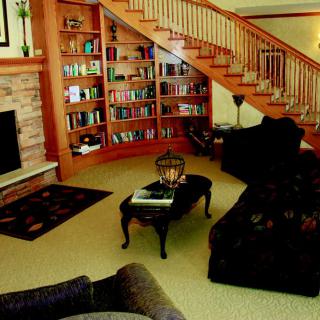
Small library
Telephone
Wellness center
Wi-Fi/high-speed internet available
Transportation
Community operated transportation
Transportation arrangement
Transportation arrangement (non-medical)
Transportation to doctors appointments
Care Services
12-16 hour nursing
24-hour call system
24-hour supervision
Activities of daily living assistance
Assistance with bathing
Assistance with dressing
Assistance with transfers
Diabetes diet
Meal preparation and service
Medication management
Mental wellness program
Special dietary restrictions
Dining
Diabetes diet
Special dietary restrictions
Activities
Community-sponsored activities
Concierge services
Fitness programs
Planned day trips
Resident-run activities
Scheduled daily activities
Nearby Places of Interest
Parks
Gault Park (0.1 miles)
First Lutheran Playground (1.1 miles)
Veterans Memorial Park (1.7 miles)
Seven Mile Creek Park (6.8 miles)
Lake Washington County Park (6.9 miles)
Spring Lake Park (12.2 miles)
Riverfront Park (12.2 miles)
Hospitals
River's Edge Hospital & Clinic (0.2 miles)
The Evangelical Lutheran Good Samaritan Society (2 miles)
Minnesota Security Hospital (3.1 miles)
Bill's Rental & Repair (3.1 miles)
Ridgeview Le Sueur Medical Center (7.7 miles)
Minnesota Valley Health Center (7.7 miles)
Physicians
Daniels Health Center (1.1 miles)
Le Center Eyecare (1.6 miles)
Health Services (1.9 miles)
Foot & Ankle Clinic - Schelli O McCabe (2 miles)
Mootz Eye Clinic (8.1 miles)
Orthopaedic & Fracture Clinic (10.9 miles)
Mankato Clinic At J Scott Sanders Center For Sleep Medicine (11.3 miles)
Home health nursing is an expanding field where licensed professionals provide specialized medical care in patients' homes, addressing the needs of an aging population through personalized services like assessments and medication management. Effective collaboration with healthcare teams, cultural sensitivity, and quality assurance measures are essential for fostering trust and ensuring positive patient outcomes.
Medicare covers in-home health care services, which are medical and provided by licensed professionals under a physician's supervision, whereas non-medical personal assistance is generally not covered unless part of a broader skilled care plan. Eligibility for benefits depends on being homebound and needing intermittent skilled services from a Medicare-certified agency, with specific coverage limitations and additional resources available for navigating options.
In-home care is increasingly sought after by older adults for maintaining independence, with average private home care rates in 2025 varying by state and service type, reflecting geographical and local labor market influences. As demand rises, families are considering funding options like Medicaid waivers and long-term care insurance to manage costs effectively while ensuring quality care.
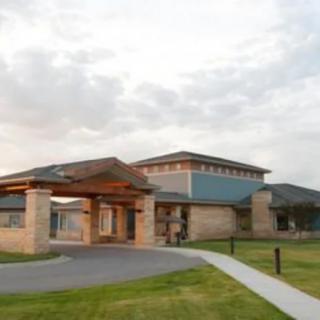
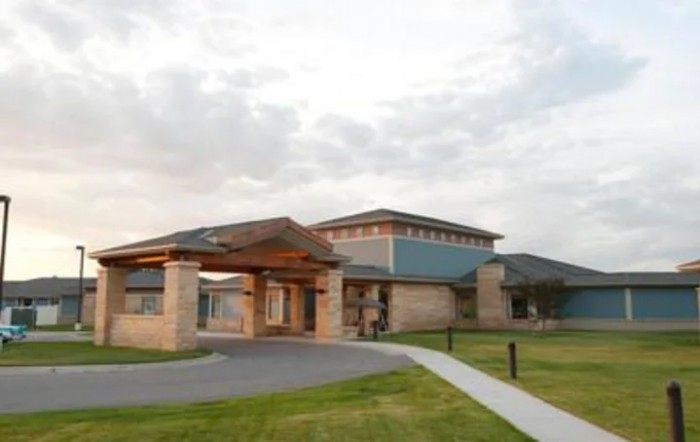
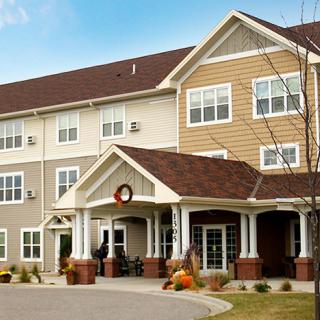
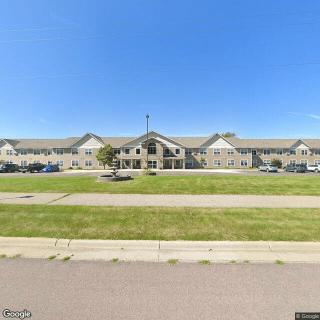
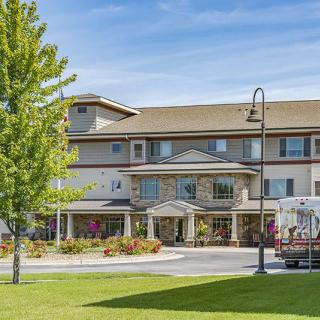
Landscaping, Building, Architecture, Entrance, and Exterior
Get PricingAsk A QuestionSchedule A TourContact Senior Advisor
By clicking submit, you agree to our Partner's Terms of Use. You
also consent to receive calls and texts, which may be autodialed, from our Partner. Your consent is not a condition to
using our Partner's service. Please visit our Partner's Privacy Policy for information about their privacy practices.

 79 resident community capacity
 Skilled Nursing Facility
 Air-conditioning
 Beauty salon
 Cable or satellite TV
 Computer center
 Dining room
 Fitness room
 Fully furnished
 Gaming room
 Garden
 Housekeeping services
 Kitchenette
 Move-in coordination
 Outdoor space
 Private bathrooms
 Restaurant-style dining
 Small library
 Telephone
 Wellness center
 Wi-Fi/high-speed internet available
 Community operated transportation
 12-16 hour nursing
 24-hour call system
 Activities of daily living assistance
 Assistance with bathing
 Assistance with dressing
 Assistance with transfers
 Diabetes diet
 Medication management
 Mental wellness program
 Special dietary restrictions
 Concierge services
 Planned day trips
 Offers multiple care levels (assisted, independent, memory care) with specialized diabetic care and engaging activities.

 Exploring the World of Home Health Nurses: Qualifications, Roles, and Hiring Tips
 Navigating Medicare Coverage for In-Home Care Services
 In-Home Care Costs in 2025: A Detailed State-by-State Exploration