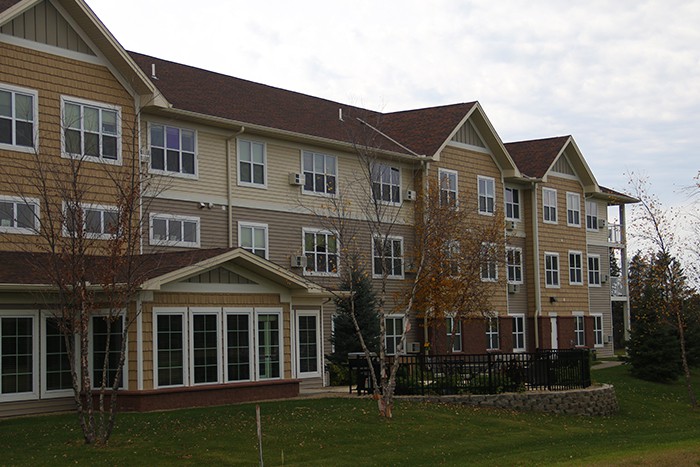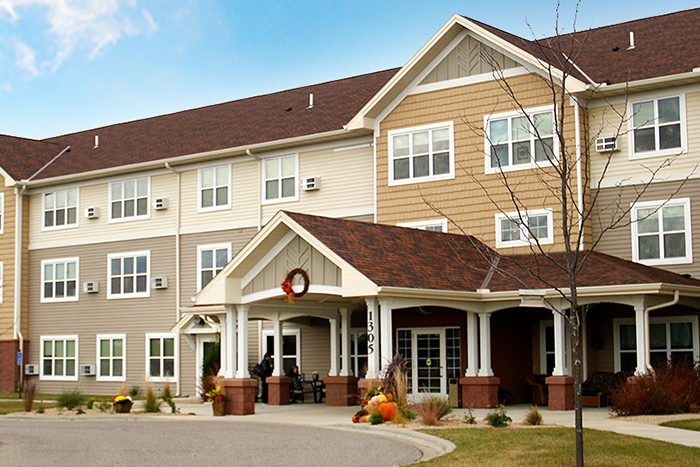

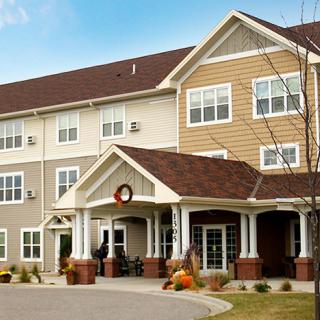
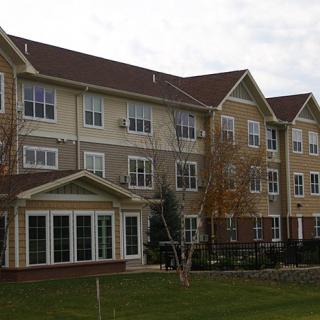

700 Knight Street, St. Peter, MN 56082
For more information about senior living options: (866) 208-4318
Overall Review of Ecumen Prairie Hill
Pros
 The loved one’s eyes lit up when she saw the apartments.
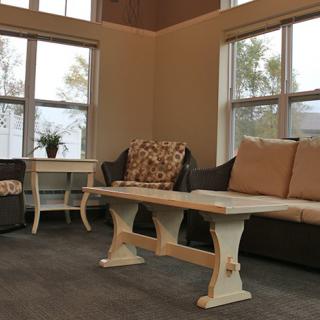
- There are windows all around, providing abundant natural light.
- A horse and a donkey in the back give something pleasant for her to watch.
- The apartments feature a spacious open kitchen and bathrooms that are much larger than her previous place.
- Bedding is changed weekly, which is a helpful service.
- The facility is very clean.
- The self-serve laundry room is a nice feature.
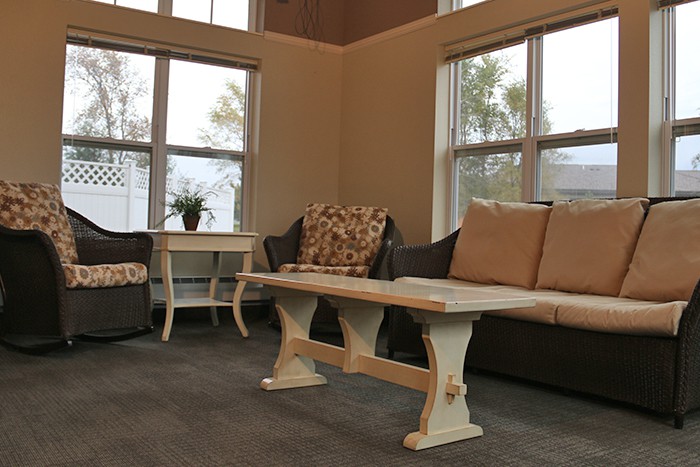
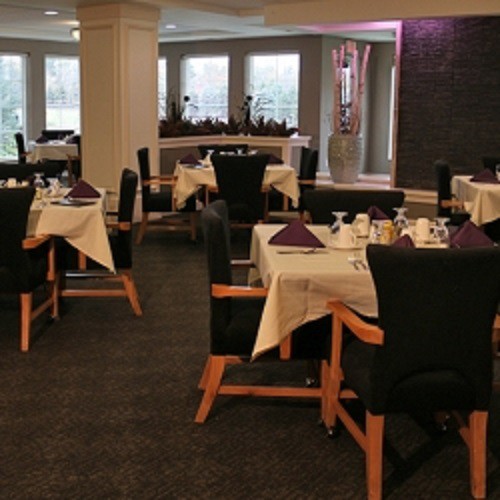
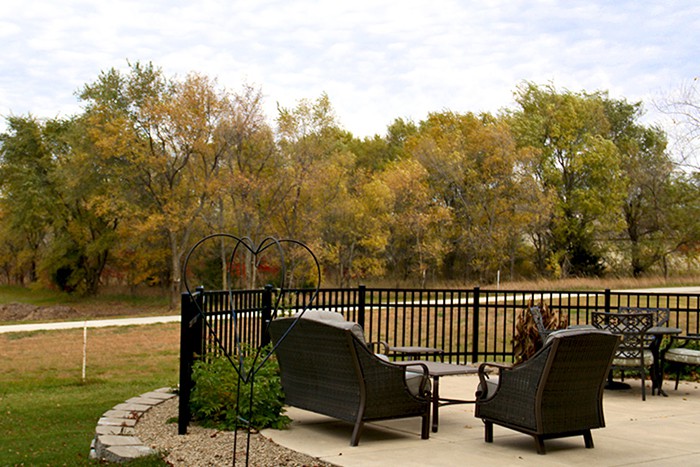
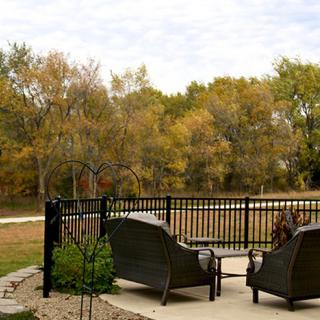
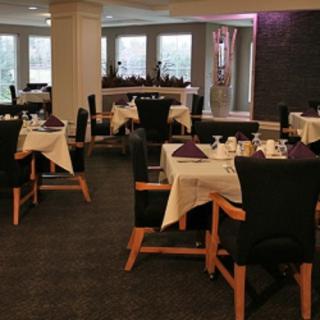
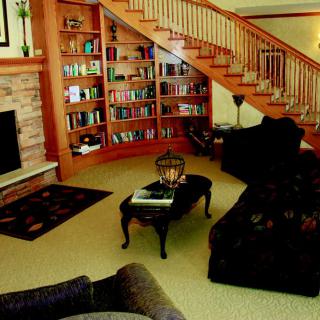
- There are nice social rooms and a completely open dining area with a summer patio for outdoor meals.
- The staff are friendly, they treat residents with dignity and respect, and provide reliable care.
- The memory care unit is intimate and well-staffed, with attentive caregivers.
- They would absolutely recommend Ecumen Prairie Hill to others.
Cons
 They find the pricing unclear.
- The staff training and coordination could be improved.
- The resident dislikes some meals.
Review
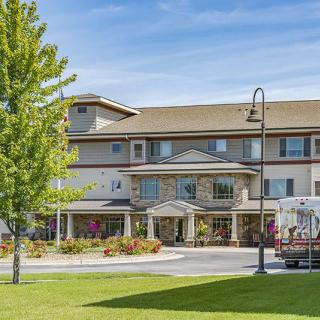
Ecumen Prairie Hill in St. Peter is best suited for seniors who want a modern, amenity-rich assisted living environment with an attached memory care unit, and who prize private living spaces, abundant natural light, and easy access to outdoor areas. The apartments and two-bedroom suites with kitchens and balconies suit residents who value personal space and a chance to pursue hobbies like sewing or quilting without feeling segregated from the social fabric of the community. The dining area is open to views outside, and there are well-appointed social rooms and a patio for summertime meals, all of which support a life that feels active rather than institutional. For families needing daily meals, medication management, and a professional care presence in close proximity, Prairie Hill delivers a comprehensive, hands-on level of support with a clear emphasis on dignity and continuity of care.
Those who may want to consider alternatives fall into a few practical categories. If price transparency is a priority, or if a resident requires a longer track record of operation rather than the glow of a newer facility, other options may provide clearer terms and more predictable budgeting. If the resident benefits from a more rigid, highly structured calendar with a very high staff-to-resident ratio, Prairie Hill’s newer staffing model and evolving programming could feel thinner in comparison. And for families seeking a more traditional, perhaps simpler environment with less emphasis on boutique-style amenities, there are communities that deliver a different balance of services, activities, and cost.
The strongest positives at Prairie Hill offset the potential drawbacks in meaningful ways. The living spaces shine with natural light, expansive bathrooms, and a sense of openness that helps residents feel at home rather than confined. Cleanliness and thoughtful touches, weekly bedding changes, in-room accommodations for hobbies, and a self-serve laundry area, remove everyday friction and give families reassurance about daily routines. The dining space’s visibility to the outdoors and the surrounding social rooms create natural opportunities for connection, while the memory care wing’s intimate scale, roughly a dozen residents with one-to-two caregivers per resident group, supports attentive supervision. Staff are described as friendly, respectful, and capable in medication administration, with a physical therapist who earns praise for professionalism and care.
On the downside, staffing remains a live concern in practice, though not a deal-breaker. Reviewers note the need for continued training and better coordination among staff, a common dynamic in newer facilities still ironing out processes. Pricing is described as a “point system” with a base starting point plus adjustments, which can feel opaque without careful, proactive guidance from admissions staff. Some residents engage less with the formal activities calendar, which can leave families wondering about the full breadth of daily engagement available. A memory care unit not being government-regulated is a feature critics flag for arriving families seeking a certain regulatory assurance, even as Prairie Hill counters this by signaling ongoing staff expansion and improved on-site coverage.
The key is to weigh the wins against the caveats with practical eyes. The pros, modern, comfortable suites; abundant daylight; healthy attention to daily living tasks; and a respectful, patient-focused staff, tleshbone into a compelling value for couples or individuals needing memory support alongside assisted living. The dedicated memory care environment, paired with an explicit plan to increase nursing presence and on-duty coverage, provides a meaningful safety net for residents whose needs could intensify over time. The luxurious feel and proximity to family, plus the ability to tailor some dietary requests, add resilience to the overall experience, making it a viable long-term home for those who prize a hotel-like ambiance with real, hands-on care.
Bottom line: Prairie Hill is a strong fit for seniors who want a contemporary, light-filled setting with private living spaces and a built-in memory care option, where care staff are approachable and medications and daily routines are well managed. It is less ideal for families seeking a rigid, transparent pricing model or a highly predictable, high-activity calendar without adaptability. For those who can accommodate ongoing staff development and are comfortable navigating a newer campus’s evolving processes, Prairie Hill offers a compelling combination of comfort, dignity, and specialized memory support in a location that keeps family members nearby. Prospective inquiries should focus on current staffing ratios, the exact cost structure, how meals are adapted to individual needs, and the ongoing steps being taken to standardize training across all shifts.
 21 resident community capacity
 1-bedroom apartments
 Assisted Living
 Independent Living
 Memory Care
 Activities on-site
 Beautician on-site
 Cable or satellite TV
 Computer center
 Devotional services off-site
 Dining room
 Full kitchen
 Fully furnished
 Garden
 Guest parking
 Housekeeping services
 Indoor common areas
 Laundry
 Move-in coordination
 Outdoor space
 Overnight guests
 Party space
 Telephone
 Wi-Fi/high-speed internet available
 Transportation & parking
 24-hour call system
 Ambulatory care
 Assistance with bathing
 Assistance with dressing
 Assistance with transfers
 Diabetes diet
 Diabetic care
 Hospice waiver
 Meal preparation and service
 Medication management
 Mental wellness program
 Personal care assistants
 Special dietary restrictions
 Transportation arrangement (medical)
 Arts and crafts
 Educational speakers / life long learning
 Fitness programs
 Games
Games Live musical performances
 Stories


 Understanding Dementia Behaviors: Practical Insights and Strategies for Caregivers
 When Dementia Sparks Anger and Aggression: Understanding the Connection and Ways to Cope
 Dementia Behaviors: In-Depth Understanding and Effective Coping Strategies