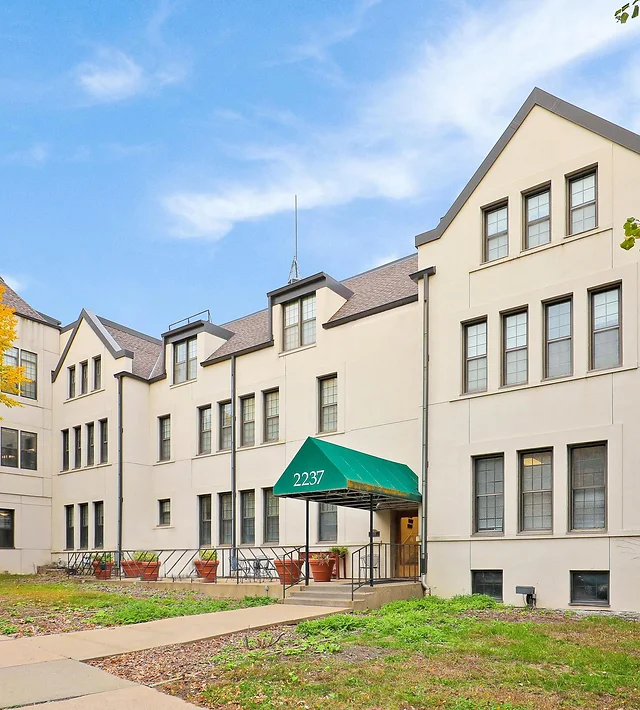
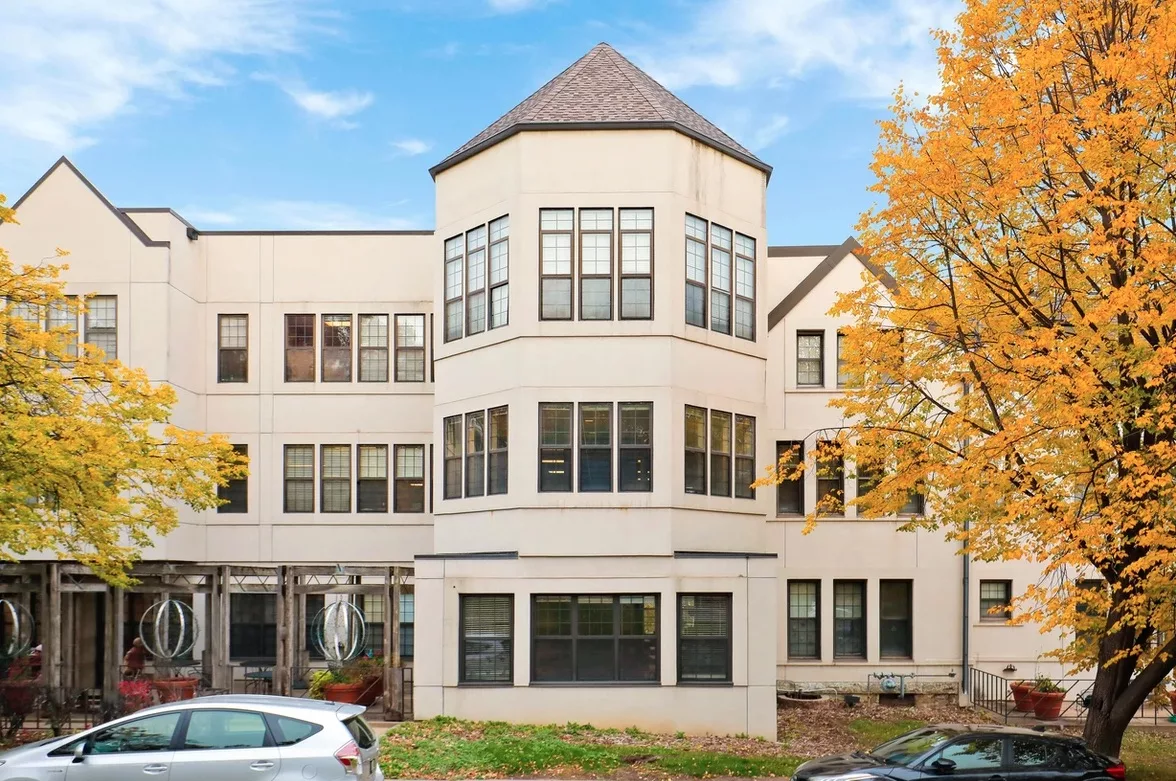
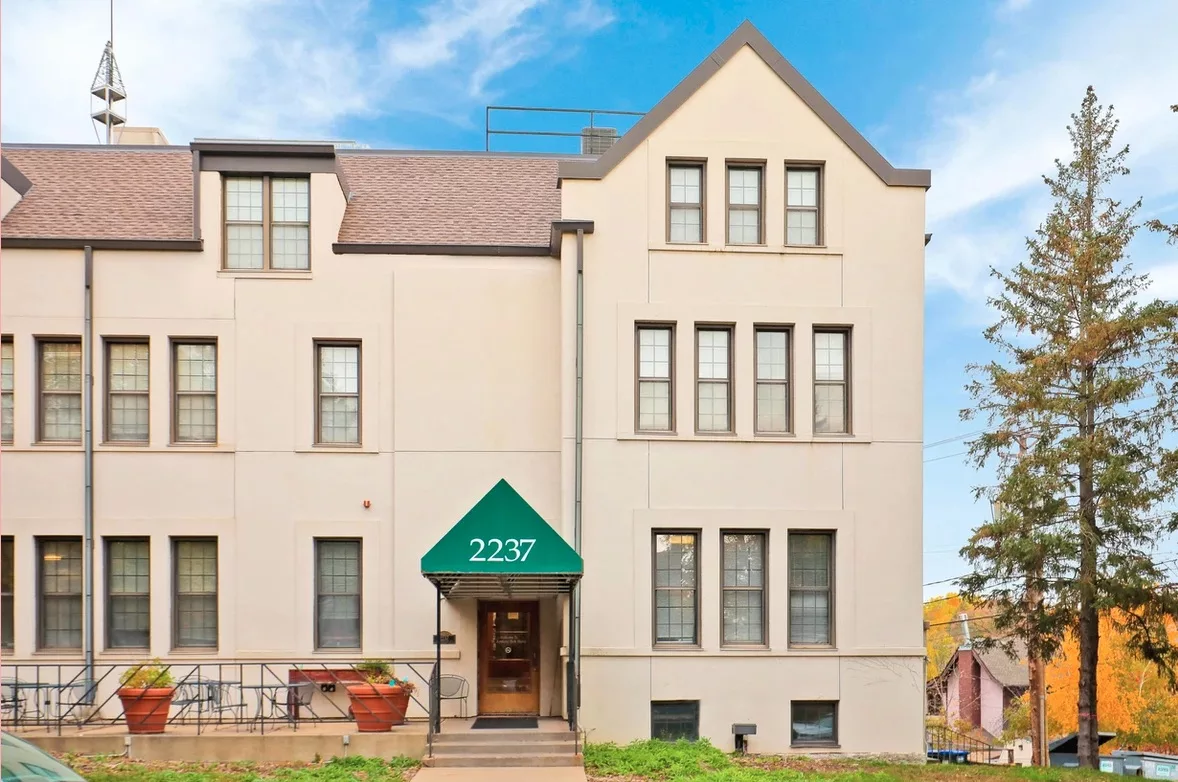
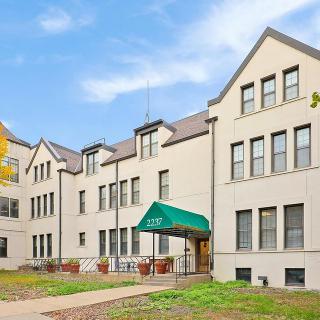

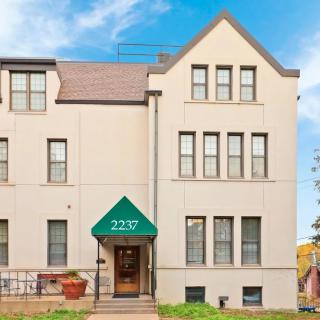

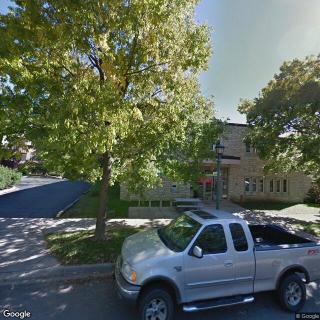
2237 Commonwealth Avenue, Saint Paul, MN 55108
For more information about senior living options: (866) 208-4318
Overall Review of St Anthony Park Home
Pros
 The staff is kind and attentive.
- The owner is on site and responsive.
- The facility is well-staffed and the care is outstanding.
- The activities staff are outstanding and provide social activities all day, every day.
- The food is good thanks to the on-site dietician.
- The facility is spotlessly clean and well maintained.
- The staff from the owner down to the floor staff are absolutely wonderful and take excellent care of residents.
Cons
 The quality of care has diminished since it was sold to a multi-facility company, with neglect seen in some instances.
- The facility is no longer trustworthy in providing care.
- Not clean at all and the staff are not friendly; some are unpleasant and untrained.
- This place is unacceptable and should be looked into.
- Blood draws were performed at the dining table while residents ate, reflecting poor care.
- Residents were left without essential assistance or equipment (e.g., a walker) and faced poor staff communication.
- A nurse left a patient’s call button on the floor and did not respond when needed, which is unacceptable.
- There are reports of mistreatment and unsafe conditions, including inaccessible call buttons for patients who cannot advocate for themselves.
- The reviewer would not recommend this place to others.
Review
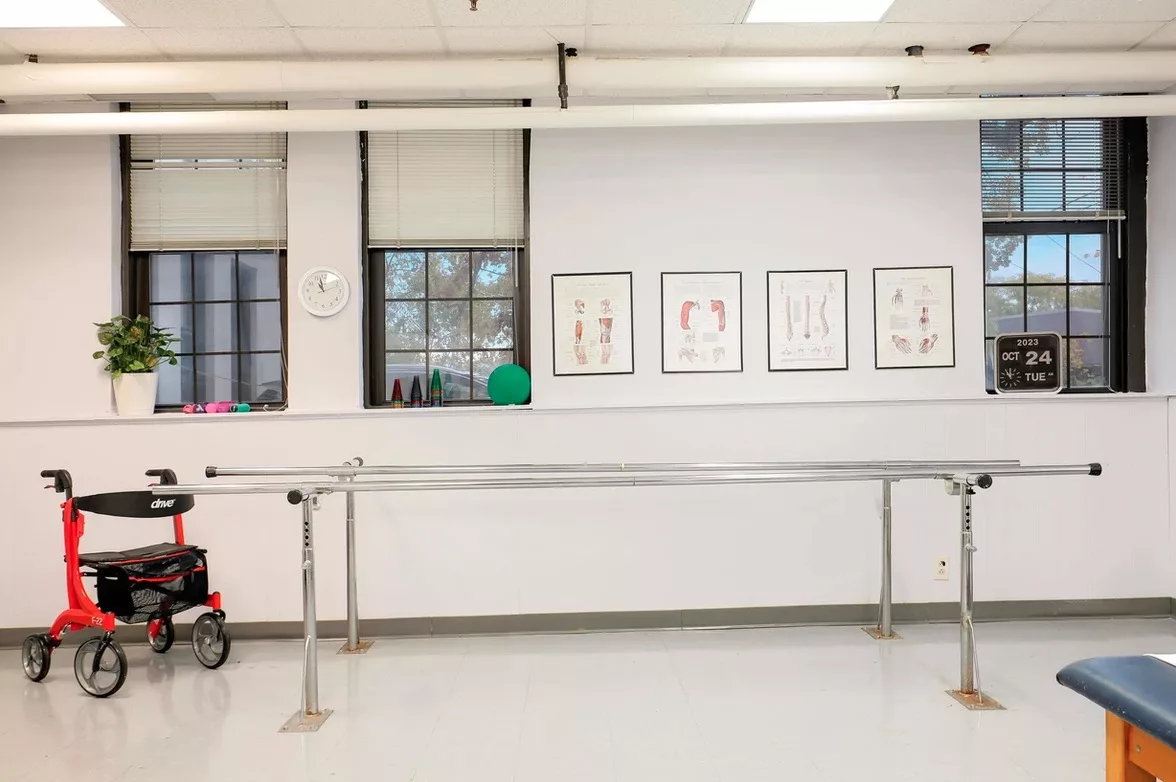
St Anthony Park Home is best suited for families seeking a rehab-forward environment where skilled therapy teams can deliver meaningful gains and where honest, on-site leadership has historically kept a close eye on operations. The best fit appears to be seniors who come in with rehabilitation goals, post-surgery or post-acute recovery, who can benefit from structured physical, occupational, and speech therapy, and who do not require flawless, always-on nursing oversight every hour of the day. When the facility was privately owned, families often cited attentive leadership and responsive problem-solving as a stabilizing force. Today, that direct accessibility is more variable, but the core appeal for aligned residents remains: solid therapy, a calm setting, and staff who can shine in the right conditions.
Those who should consider alternatives are families prioritizing consistently high-quality nursing care, predictable communication, and ironclad safety protocols. Several reviews indicate that once ownership shifted to a multi-facility operator, care quality and responsiveness fluctuated, with alarming anecdotes about neglect, abrupt communication gaps, and safety lapses. If a loved one requires meticulous day-to-day supervision, quick call-button access, or a consistently clean and well-organized environment, SAPH may not deliver the reliability sought. For such families, exploring options with stronger centralized oversight, tighter staffing discipline, and a clear, accountable chain of command would be prudent.
The strongest positives at SAPH center on rehab capability and the everyday feel of attentive service when it’s working. Numerous residents and families praise robust therapy programs, with therapists who facilitate meaningful improvement and help residents regain independence after surgery or illness. Several reviews highlight long-tenured staff, engaged activities, and a sense of dignity and kindness from many team members. When the building and housekeeping are well-maintained, occasionally described as spotless or nicely kept, these elements reinforce a supportive atmosphere that can accelerate recovery and comfort during a difficult transition. The presence of a dietitian and the facility’s ability to align services with veterans’ needs in some cases also stands out as a meaningful advantage.
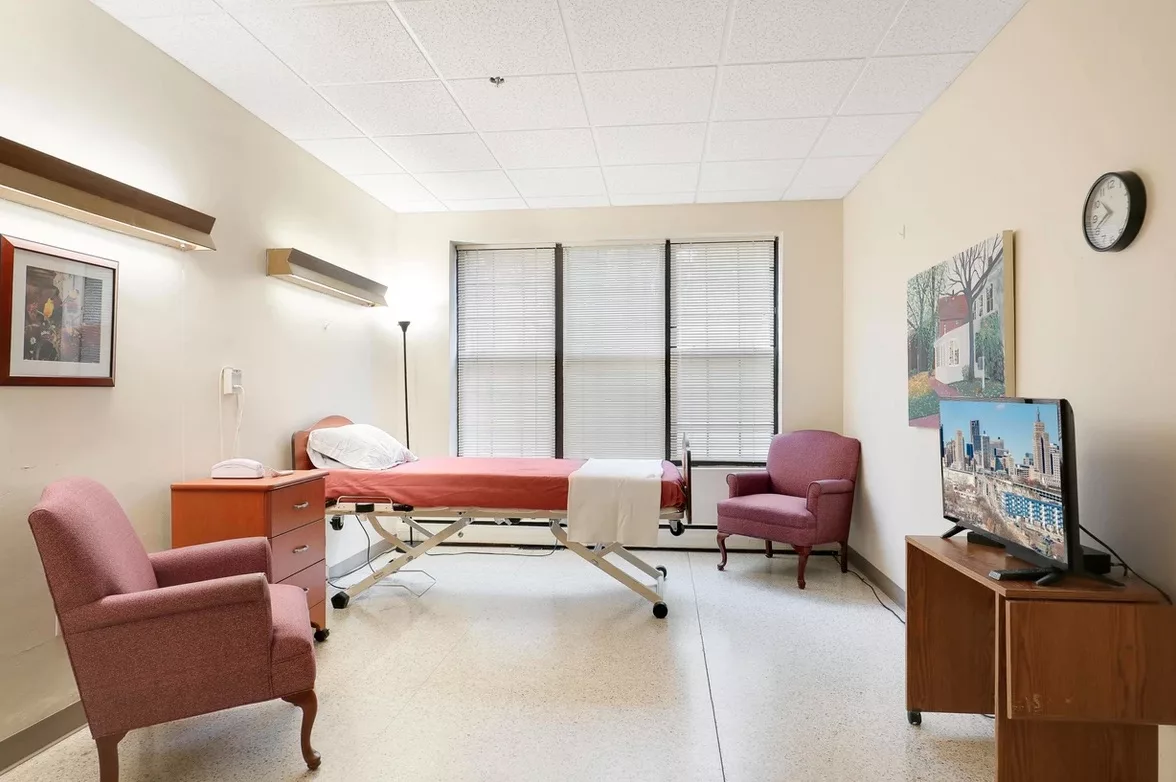
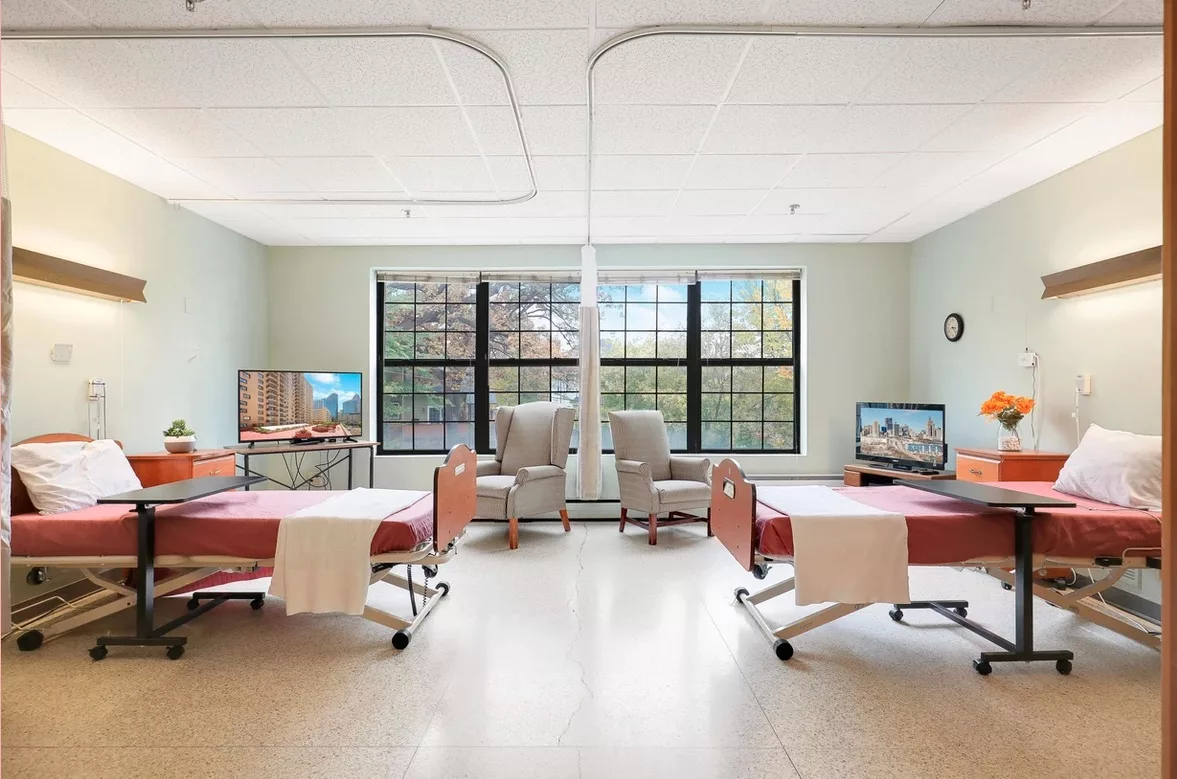
The most troubling gaps appear as inconsistencies in care delivery and safety. Reports of poor communication, rooms that feel dated or poorly prepared, and specific safety lapses, such as critical call buttons being out of reach, beds without rails, or hospital tasks conducted in ways that seem cavalier, cast a long shadow over the otherwise positive aspects. Critics describe a culture where some staff appear overwhelmed or unfriendly, and where trust in the routine performance of care can be eroded. In short, the pros can offset stressors only when leadership remains consistently present, staffing holds steady, and the daily operation reflects the standards expected in a skilled-nursing setting.
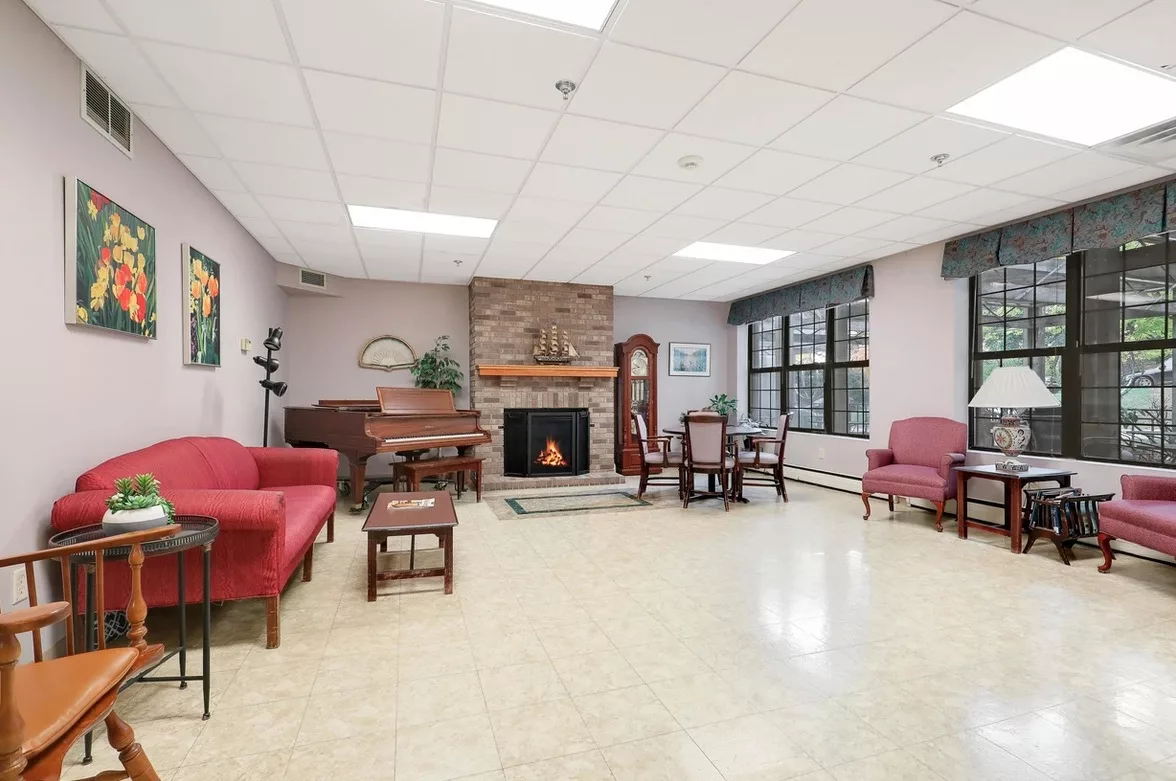
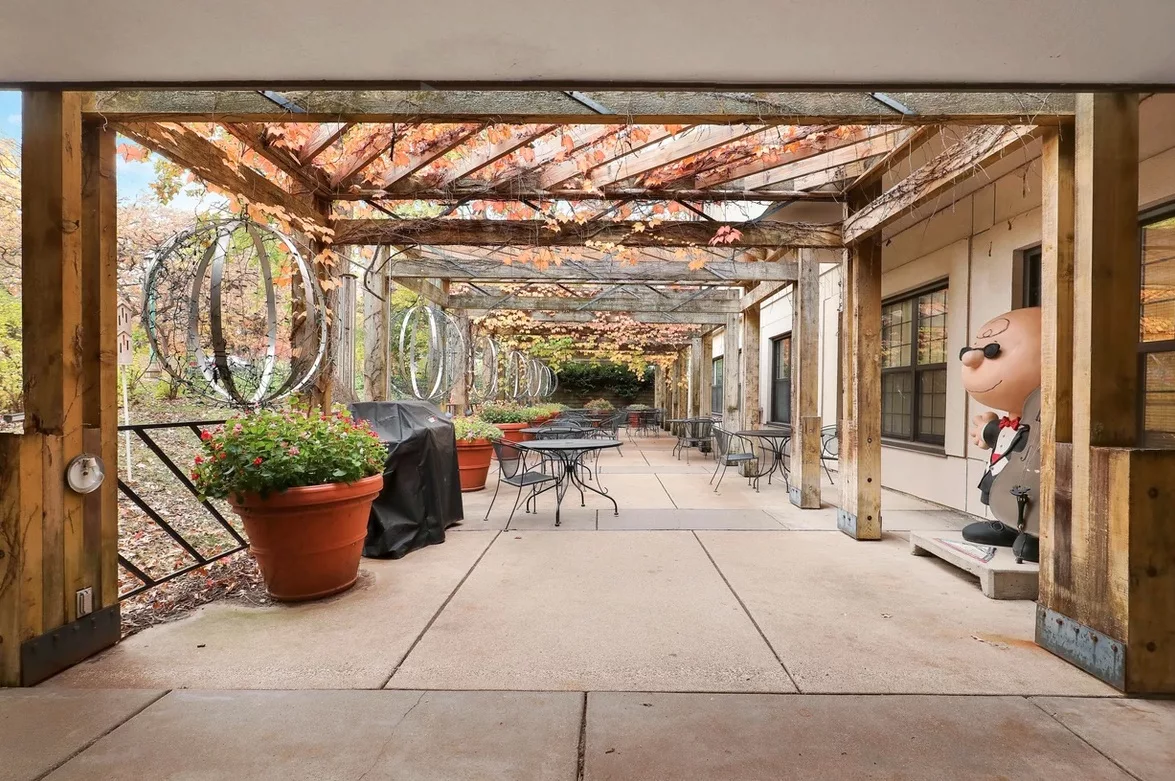
The balance between pros and cons hinges on the role leadership and staffing play in day-to-day care. When therapy is excellent, rooms are well-kept, and owners or on-site managers are accessible and responsive, SAPH can be a strong choice for rehab-focused families who can actively participate in oversight and advocacy. Conversely, for families that cannot tolerate variability in care quality or safety concerns, alternatives with stronger guardrails and more uniform nursing performance are worth pursuing. The facility’s past strengths, private-owner accountability, engaged rehabilitation teams, and a calm, neighborly location, remain meaningful, but they require ongoing, visible commitment from current leadership to translate into reliable outcomes.
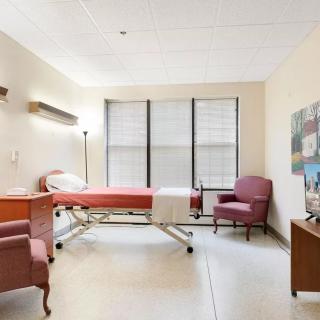
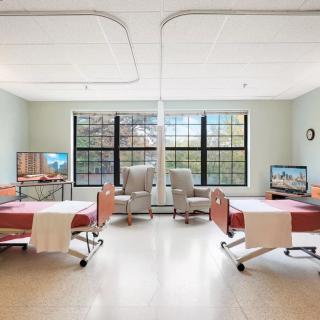
For families evaluating SAPH, several concrete steps can guard against disappointment. Request a meeting with the administrative leadership and the head of nursing to understand current oversight structures and response times. Tour rooms with careful attention to cleanliness, safety features, and accessibility; verify that call buttons, rails, and fall-prevention measures are consistently in place. Ask for the therapy schedule and inquire about therapist-to-resident ratios, turnover, and discharge planning. Seek candid input from current residents or families about communication quality, incident reporting, and how concerns are resolved. If these checks align with clear, dependable processes, SAPH can serve as a viable option; if not, it’s prudent to keep exploring facilities with stronger, demonstrable accountability.
 84 resident community capacity
 Skilled Nursing Facility
 Air-conditioning
 Beauty salon
 Cable or satellite TV
 Computer center
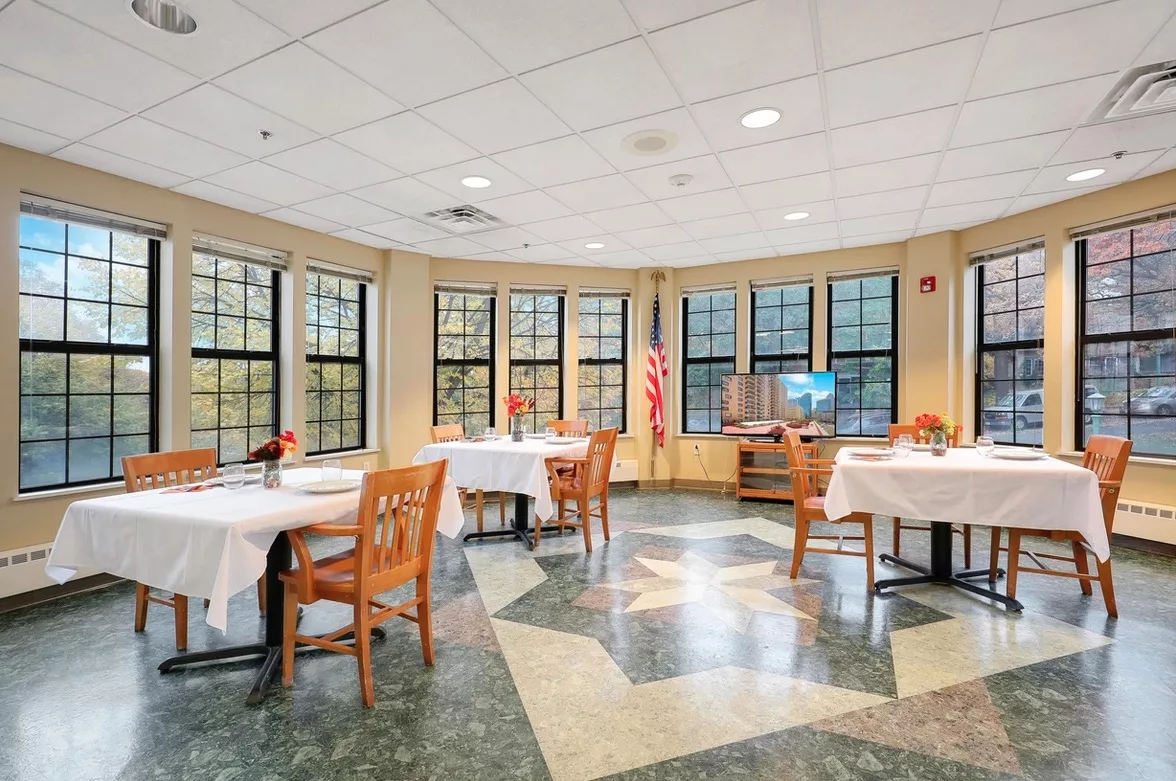
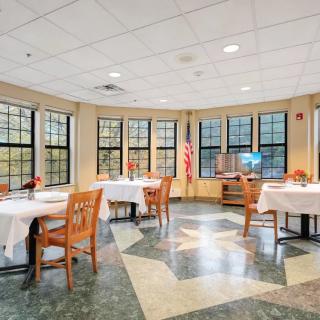
 Dining room
 Fitness room
 Fully furnished
 Gaming room
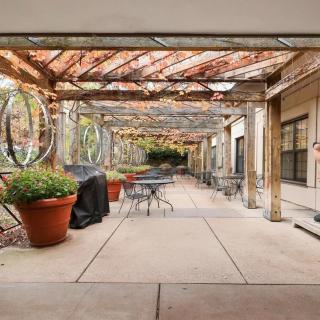
 Garden
 Housekeeping services
 Kitchenette
 Move-in coordination
 Outdoor space
 Private bathrooms
 Restaurant-style dining
 Small library
 Telephone
 Wellness center
 Wi-Fi/high-speed internet available
 Minneapolis-St Paul International (7 miles away)
 Community operated transportation
 12-16 hour nursing
 24-hour call system
 Activities of daily living assistance
 Assistance with bathing
 Assistance with dressing
 Assistance with transfers
 Diabetes diet
 Medication management
 Mental wellness program
 Special dietary restrictions
 Concierge services
 Planned day trips


 A Detailed Exploration of Living Wills and Advance Directives
 Comprehensive Guide to Medicare Coverage for Hospice Care
 Caring for Those Who Care: Recognizing, Understanding, and Overcoming Caregiver Burnout