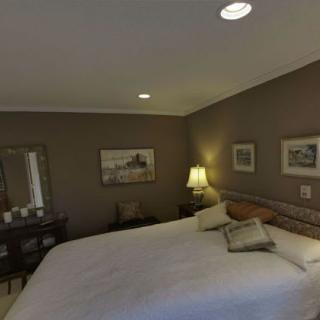
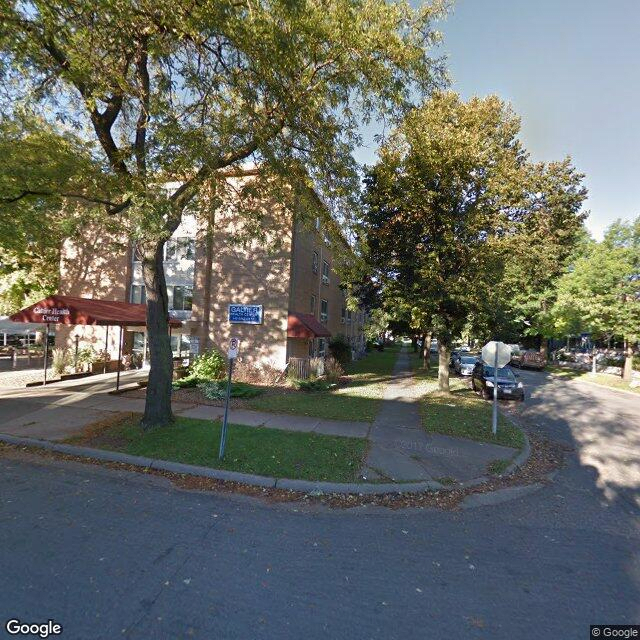
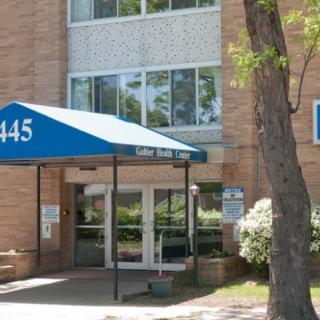
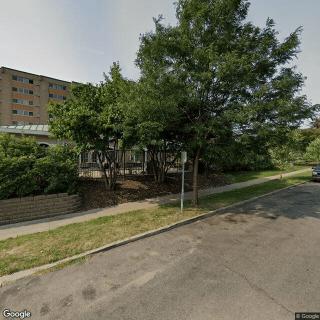
Galtier Health Ctr in St. Paul, MN
Save
Information last verified:
445 Galtier St, St. Paul, MN 55103
For more information about senior living options: (844) 490-3973
At Galtier Health Center, the cost of a private room is set at $3,319 per month, which represents a significant savings compared to both Ramsey County's average of $5,162 and the broader state average in Minnesota of $5,090. This pricing reflects Galtier's commitment to providing high-quality care while maintaining affordability for residents. By offering competitive rates well below regional standards, Galtier Health Center positions itself as an attractive option for those seeking specialized health services in a welcoming environment.
| Floor plans | Galtier Health Ctr | Ramsey County | Minnesota |
|---|---|---|---|
| Private | $3,319 | $5,162 | $5,090 |
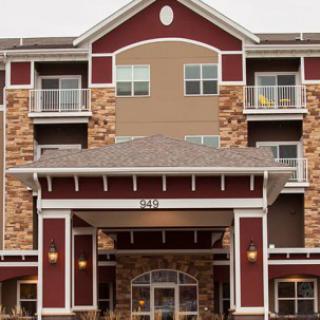
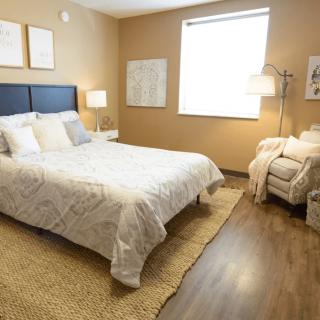
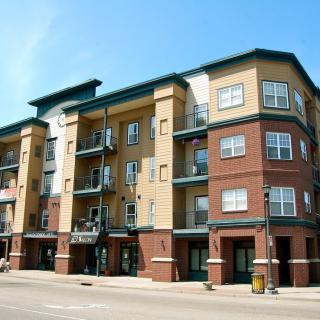
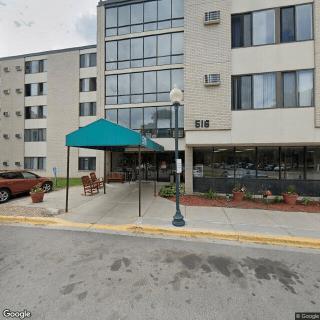
Galtier Health Center’s Villas at St. Paul location is best suited for families and residents who prize genuine warmth from frontline staff and who can tolerate an older building in exchange for hands-on, personalized attention. It is a practical option for those with steady, non-acute care needs who want a homey, community feel where caregivers know residents by name and greet them with genuine kindness. The setting lends itself to routines, small-group activities, and daily reassurance from compassionate aides on the floor, rather than a slick, hospital-like environment. In short, this is a place for families that value personal connection, consistent face-to-face interactions, and a budget-conscious path to assisted living, so long as expectations about staffing consistency and upkeep are tempered.
But a clear caveat accompanies that fit: alternatives should be considered by anyone whose loved one requires strong, reliable 24/7 oversight, pristine housekeeping, or consistently timely response to call lights. The most powerful warning signs in the reviews point to understaffing, delayed call-button responses, and serious complaints about neglect or poor cleanliness. For families unwilling to advocate aggressively or to accept uneven day-to-day reliability, other options, especially those with higher staffing ratios, more rigorous quality assurance, or more modern facilities, are worth exploring. Prospective residents who cannot tolerate potential lapses in supervision, medication management, or timely assistance should look elsewhere.
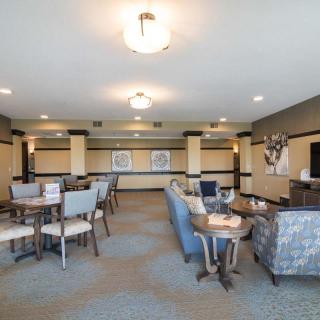
On the upside, several recurring strengths do exist and can meaningfully offset some challenges. Frontline caregivers are repeatedly described as kind, engaged, and attentive, and when staff are on a floor, residents experience genuine warmth and respect. The building, while not brand-new, can feel clean and home-like in areas, with a reputation for a welcoming atmosphere and a sense of community among residents who participate in organized activities. Food quality also emerges as a positive, with residents noting prepared meals and varied menus that include favorites like weekly Asian options. When leadership is engaged, such as newer administration making overtures to address prior criticisms, there is evidence that care practices, communication, and overall responsiveness can improve over time. These benefits matter: they create trust, reduce anxiety for families, and help residents feel valued in the moment-to-moment experience.
The flip side centers on persistent structural and cultural cons, understaffing, inconsistent communication, and environmental concerns that regularly surface in reviews. Understaffing translates into longer waits for assistance, slow call-light responses, and insufficient help with daily activities. Several accounts describe smells of urine, uneven cleanliness, and lapses in housekeeping that undermine comfort and dignity. There are deeply troubling anecdotes about medication management, falls, and misidentifications that fuel a perception that safety and quality oversight can be inconsistent. While some staff members and departments perform well, the overall day-to-day reliability appears uneven, which means families must be prepared to monitor care closely, ask pointed questions, and intervene when gaps arise.
Management and staffing dynamics contribute both to hope and concern. A new administrator, cited as taking over in late 2024, has been described as attentive and sincere, with a willingness to address negative feedback and pursue reform. Yet the broader operational reality, particularly around staffing levels, call-answer times, and interdepartmental coordination, remains a live issue in many reviews. The best-case scenario is a facility where leadership maintains open lines of communication, follows through on care plans, and helps families stay engaged with regular updates. The most challenging scenario is one where residents and families continually struggle to reach the right staff, receive inconsistent information, or feel their loved ones are not being prioritized in daily routines. The contrast is stark enough to influence sorting through options with a critical eye.
Taken together, the verdict is clear: Galtier’s Villas at St. Paul can deliver meaningful, person-centered care for residents who value warmth, routine, and a sense of community, and who can tolerate the reality of an older, not-modern facility. It is not a universal fit for every family. For those prioritizing pristine facilities, uniform high staffing ratios, and flawless operational flow, alternatives should be pursued. For families prepared to engage actively, ask precise questions, and vigilantly monitor daily care, this location offers a viable path that can feel stabilizing and reassuring, provided the right floor, the right shift, and the right administrator are in place.
If this community is under consideration, approach with a practical checklist. Request current staffing ratios by shift and unit, and review recent incident logs for fall prevention and medication management. Ask for floor-by-floor feedback from current residents or family members, and request a meeting with the administrator to discuss care planning, family updates, and escalation procedures. Tour the spaces with a focus on cleanliness, safety, and the condition of common areas and bathrooms, and specifically observe call-light response times during the visit. Finally, compare against alternatives in the region that offer similar services but with stronger reputations for consistent staffing, cleaner environments, and proven responsiveness. The choice hinges on balancing the tangible warmth and personalized care this community can offer against the real-world variability that reviews consistently flag. Families deserve a clear-eyed assessment to determine whether the trade-offs align with their loved one’s needs and their own expectations for safety, reliability, and peace of mind.
The Galtier Health Center, located in St. Paul, MN, is an assisted living community that provides a comfortable and supportive environment for older adults. Situated in a convenient location, this facility offers easy access to various amenities and services.
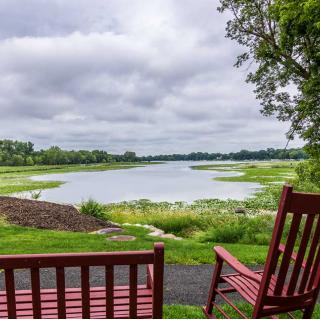
Residents of the Galtier Health Center can enjoy the presence of three cafes nearby, ensuring they have plenty of options for socializing or grabbing a quick bite to eat. Additionally, the community is surrounded by three parks, allowing residents to take leisurely walks, engage in outdoor activities, or simply relax amidst nature.
For any medical needs, there are eight pharmacies within close proximity to the Galtier Health Center. This ensures that residents have easy access to medications and other healthcare essentials. Moreover, with seven physicians nearby, residents can conveniently obtain medical consultations and care when needed.
The Galtier Health Center recognizes the importance of maintaining an active social life and dining experience. With 16 restaurants located nearby, residents can explore diverse culinary options and enjoy meals out with friends or family.
Transportation options are readily available with two modes of transportation nearby. This allows residents to easily navigate their way around town or travel to appointments or recreational activities outside the community.
For those seeking spiritual fulfillment and connection, there are four places of worship within reach of the Galtier Health Center. Residents can partake in religious services or engage in spiritual practices as per their personal beliefs.
In case of any emergency medical requirements, three hospitals are situated close by for prompt access to specialized healthcare services.
Overall, the Galtier Health Center offers a well-rounded experience for senior living with numerous amenities and services within arm's reach. The community strives to create a nurturing environment that promotes both physical wellbeing and social engagement for its residents.
Located in St. Paul, Minnesota, this area offers a variety of amenities and services that cater to the needs of seniors. With several places of worship nearby, including the Cathedral of St Paul and St George Greek Orthodox Church, residents have access to spiritual support and community engagement. Close proximity to hospitals such as St Joseph's Hospital-St Paul and Regions Hospital Burn Center ensures quality healthcare services are readily available. Additionally, a selection of pharmacies, cafes, and restaurants like Cossetta's Italian Market & Pizzeria offer convenience for daily needs. For recreation, parks such as Como Park and Hidden Falls Park provide opportunities for outdoor activities and relaxation. The proximity to theaters like AMC Rosedale 14 also offers entertainment options for seniors looking to enjoy a night out. Overall, this part of St. Paul provides a well-rounded living environment with ample resources for senior residents to thrive in.
At Galtier Health Center, the cost of a private room is set at $3,319 per month, which represents a significant savings compared to both Ramsey County's average of $5,162 and the broader state average in Minnesota of $5,090. This pricing reflects Galtier's commitment to providing high-quality care while maintaining affordability for residents. By offering competitive rates well below regional standards, Galtier Health Center positions itself as an attractive option for those seeking specialized health services in a welcoming environment.
Galtier Health Ctr is located at 445 Galtier St, St. Paul, MN 55103 in Ramsey County, Minnesota
Caregiver Exhaustion: Recognizing the Signs and Restoring Your Well-Being

Caregiver exhaustion, or burnout, stems from the relentless demands of caregiving, leading to emotional and physical depletion characterized by stress, frustration, and neglect of personal needs. Addressing this burden is essential to prevent long-term consequences, with early recognition and support being crucial for caregivers to maintain balance and implement self-care.
Understanding Hospice Care at Home: Comprehensive Services, Key Benefits, and Eligibility

Hospice care at home provides specialized end-of-life support that focuses on comfort and dignity for individuals with life-limiting illnesses, offering a range of services including medical management, emotional and spiritual support, and logistical assistance tailored to the family's needs. It involves collaboration to create individualized care plans and extends to bereavement support after a loved one's passing.
Understanding the Full Cost of 24/7 In-Home Care: A Detailed Overview
The guide outlines the rising costs of 24/7 in-home care, ranging from $10,000 to over $20,000 monthly, driven by factors such as location and caregiver qualifications. It discusses the limited coverage by Medicare and private insurance, potential Medicaid support, and the emotional and living condition considerations influencing families' decisions on care arrangements.