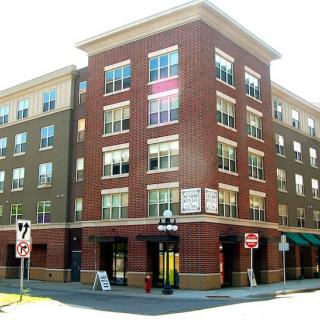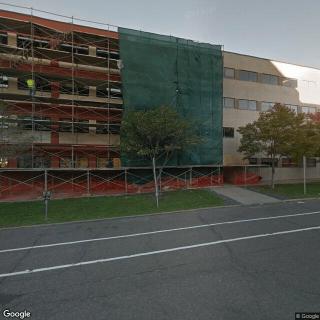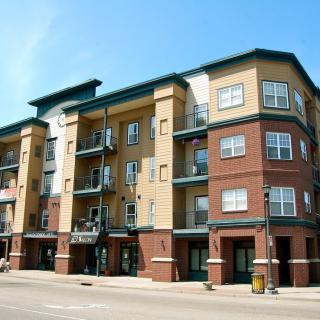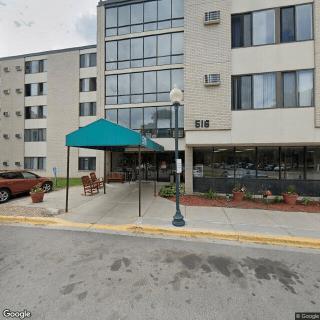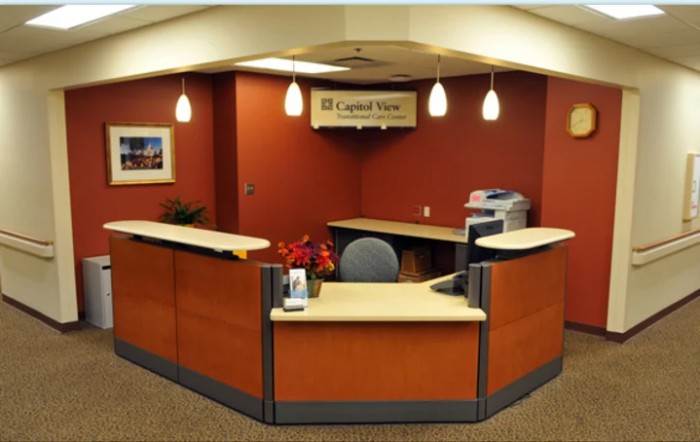
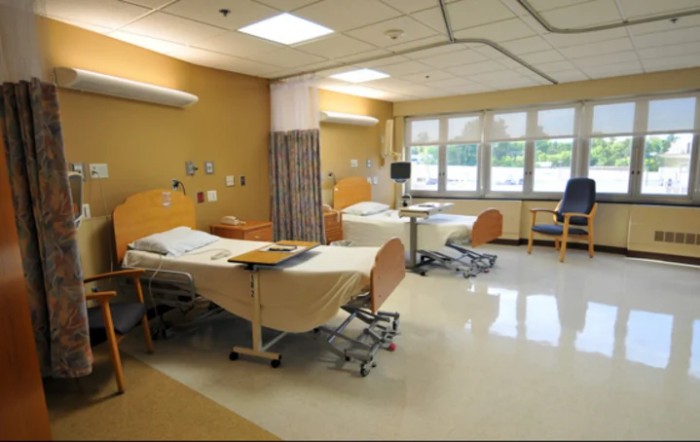
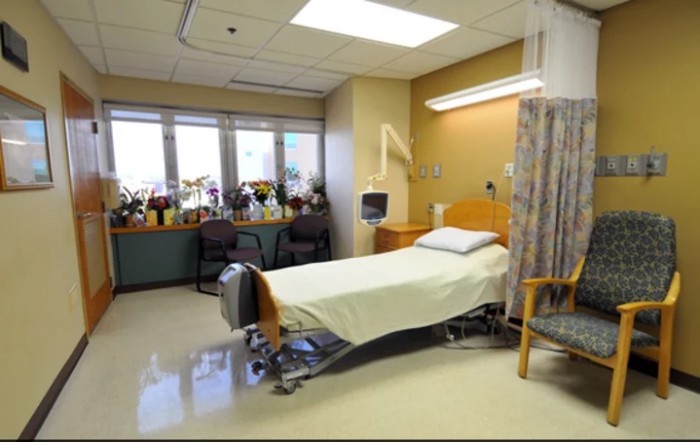
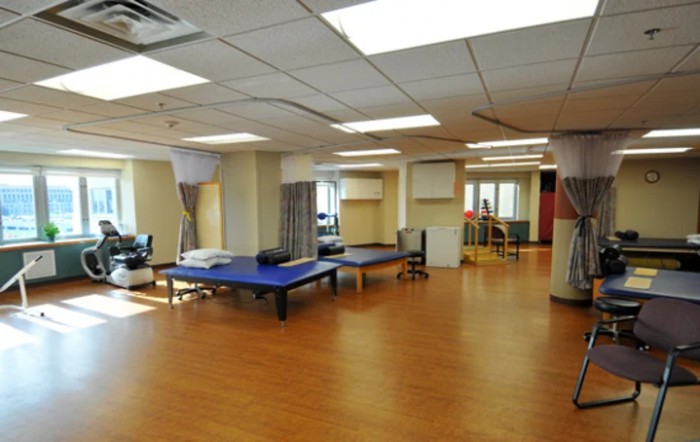
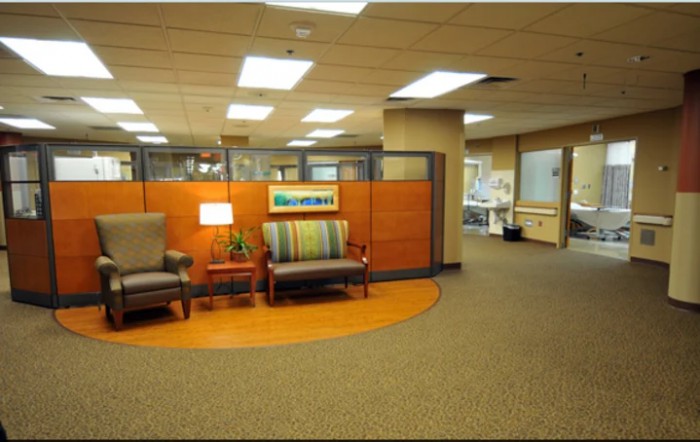
Capitol View Transitional Care Center in Saint Paul, MN

Save

Capitol View Transitional Care Center in Saint Paul, MN

Information last verified:

640 Jackson Street, Saint Paul, MN 55101

For more information about senior living options: (844) 490-3973

4.1 from 12 reviews
5 stars
7
4 stars
2
3 stars
1
2 stars
1
1 stars
1

Overall Review of Capitol View Transitional Care Center

Pros

  • pro The staff were attentive and professional, and the reviewer would highly recommend Capitol View.
  • pro The staff took excellent care of the reviewer’s wife.
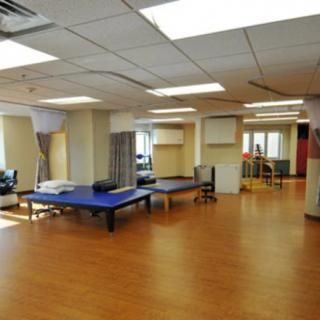
  • pro Therapy was offered seven days a week, often twice daily, which made a huge difference.
  • pro Everyone encountered—from the unit receptionist to the nurses—was kind and caring.
  • pro The staff were wonderfully professional and friendly throughout the stay, with introductions at shift changes.
  • pro The Regions Hospital Rehabilitation Institute staff got to know him and provided great service.

Cons

  • pro Capitol View Rehab turned out to be a nightmare.
  • pro They are severely short staffed.
  • pro Many staff barely speak English, making communication almost impossible.
  • pro They blamed the patient for the fall and restricted independent movement with a supposed “risk of falls.”
  • pro They discourage questions and retaliation is possible.
  • pro An upper manager engaged in a hostile, adversarial conversation with the family seeking information.
  • pro The staff refused to speak with family at all, except for the social worker.

Review

Capitol View Transitional Care Center in Saint Paul is best suited for seniors who need focused short- to mid-term rehabilitation after a hospital stay, especially following hip or knee surgery, with a strong emphasis on daily, hands-on therapy. This is a setting where families prioritize a warm, personal approach from caregivers and where therapy and rehab momentum matter as much as room and amenities. It appeals to those who want frequent access to rehab services, clear daily routines, and staff who demonstrate tangible compassion and attentiveness. For residents who thrive on highly individualized attention within a hospital-adjacent rehabilitation track, Capitol View offers a compelling fit.

The strongest positives hinge on frontline care, staff who come across as genuinely caring, a culture described by many as a “collection of golden hearts.” That personal warmth translates into a facility where patients feel seen and treated with kindness, which is not a small asset in rehab where motivation and mood influence outcomes. Therapy is a core strength, with seven-day-a-week availability and often two sessions per day, which can accelerate progress and shorten stay length when progress is plausible. Families repeatedly report that nurses, aides, and therapists are dedicated, and the social worker experience can be a real lifeline in navigating plans and transitions. In short, for residents who value hands-on, consistent therapy and a humane, supportive toolkit, the positives can meaningfully offset the everyday tedium of a rehab stay.

But the picture is not uniformly rosy. A number of reviews raise serious concerns about staffing levels and turnover, which can ripple into communication gaps and responsiveness. Several accounts describe short-staffed shifts and a sense that staff are overextended, with implications for timely assistance and safety monitoring. Language barriers and limited English proficiency among some staff members are cited as barriers to clear communication, potentially hindering understanding of care plans and daily instructions. A subset of families reports feeling unheard or even retaliated against after asking questions, and there are allegations of miscommunications around diagnosis and safety risks that culminated in a negative downstream experience. These aren’t universal, but they are persistent enough to demand careful scrutiny by any family weighing Capitol View against alternatives.

The tension between strong rehabilitation momentum and these operational fragilities matters because it shapes risk versus reward. When therapy is plentiful and staff are genuinely kind, the positives can dramatically offset the realities of a facility that occasionally seems to struggle with staffing stability and transparent communication. The “golden hearts” narrative and the clear commitment from many team members create an atmosphere in which residents can make meaningful gains and feel valued. Yet when staffing dips happen or when questions go unanswered, the same environment can feel disjointed, eroding trust and complicating care coordination. For families who will be actively involved in day-to-day oversight, these dynamics can be navigated; for those seeking a hands-off, consistently seamless experience, the gaps may prove more consequential.

For families making a decision, a practical, no-nonsense plan is essential. Begin by confirming current staffing realities: nurse-to-patient ratios on each shift, language support options, and the availability of a dedicated point person for care planning and updates. Request a formal care conference to review the initial evaluation, therapy goals, anticipated milestones, and the safety plan, including fall prevention and device management. Probe the social work team about discharge timelines, community-based services, and how ongoing care will be coordinated with a home-therapy schedule if home is the eventual destination. Ask for a documented care plan that can be reviewed with the family and the resident, and insist on timely updates whenever there are changes in prognosis or therapy intensity. These steps reduce the risk of miscommunication and build a framework for accountability.

In the end, Capitol View Transitional Care Center is a practical, potentially transformative option for rehab-focused residents who prize warmth, accessibility to therapy, and a culture of compassion. When the staff can deliver consistent attention and sustain strong therapy programs, the care experience can be life-changing, with tangible gains and smoother transitions back to home life. However, if a family’s nonnegotiables include unwavering staffing stability, crystal-clear communication, and a transparent, consistently managed care plan across all shifts, it is wise to compare carefully with alternatives that demonstrate clearer continuity and language support. The right fit hinges on whether active family involvement and a strong therapeutic push can be paired with dependable staffing and transparent, respectful engagement from leadership.

Features

Housing

  • 32 resident community capacity 32 resident community capacity

Types of Care

  • Skilled Nursing Facility Skilled Nursing FacilitySkilled Nursing Facilities are crucial for seniors as they provide round-the-clock medical care, rehabilitation services, and assistance with daily activities. These facilities ensure that seniors receive the specialized care they need to maintain their health and well-being as they age.

Amenities

  • Beauty salon Beauty salonBeauty salons are important for seniors because they provide a space for them to feel pampered, socialize, and maintain their personal grooming and hygiene. Regular visits to a beauty salon can help boost seniors' self-esteem and overall well-being.
  • Cable or satellite TV Cable or satellite TVCable or satellite TV is important for seniors because it provides entertainment, news, and companionship, helping to combat loneliness and boredom. It also offers a wide range of programming options tailored to different interests and preferences.
  • Dining room Dining roomDining rooms are important for seniors as they provide a space for socialization, connection, and nutritious meals. They offer opportunities for residents to bond over shared meals, foster a sense of community, and promote healthy eating habits. Dining rooms also ensure that seniors have access to well-balanced meals tailored to their dietary needs and preferences.
  • Fully furnished Fully furnishedFully furnished senior living communities are important for seniors because they provide convenience, comfort, and a hassle-free moving experience. Seniors can easily settle into their new living space without the stress of having to buy and move furniture. This allows them to focus on enjoying their new home and community.
  • Garden GardenGardens are important for seniors as they provide a peaceful and therapeutic environment for relaxation, physical activity, and socialization. Being in nature has been shown to reduce stress, improve mood, and promote overall well-being. Gardens also offer opportunities for seniors to engage in gardening activities, which can improve mobility, flexibility, and cognitive function. Additionally, gardens create a sense of community and connection with others who share a passion for plants and outdoor spaces.
  • Housekeeping services Housekeeping servicesHousekeeping services are important for seniors because they help maintain a clean and safe living environment, promote independence, and reduce the risk of accidents or illnesses. Additionally, having assistance with household chores can alleviate physical strain and allow seniors to focus on other aspects of their well-being.
  • Kitchenette KitchenetteKitchenettes are important for seniors living in senior living communities because they provide the convenience and independence of being able to prepare simple meals and snacks in the comfort of their own living space. This can help promote a sense of autonomy and well-being for seniors, allowing them to maintain some level of control over their dietary choices and daily routines.
  • Move-in coordination Move-in coordinationMove-in coordination is important for seniors because it helps ease the transition into their new living environment. It ensures that all logistics, such as packing, organizing movers, and setting up utilities are taken care of, allowing seniors to focus on settling in and adjusting to their new home. Having a smooth move-in process can alleviate stress and anxiety, making the transition smoother and more enjoyable for seniors.
  • Outdoor space Outdoor spaceOutdoor spaces are important for seniors as they provide opportunities for physical activity, social interaction, exposure to natural light and fresh air, and a sense of connection to nature. Having access to outdoor spaces can improve overall well-being and quality of life for older adults living in senior communities.
  • Restaurant-style dining Restaurant-style diningRestaurant-style dining is important for seniors because it allows them to enjoy delicious, nutritious meals in a social and upscale setting. This enhances their dining experience, promotes healthy eating habits, and fosters socialization with fellow residents, ultimately contributing to their overall well-being and quality of life.
  • Small library Small librarySmall libraries are important for seniors as they provide access to a variety of reading materials, including books, newspapers, and magazines. This can help stimulate their minds, keep them engaged, and provide a sense of community through book clubs and other social activities. Additionally, reading has been shown to improve cognitive function and overall mental well-being in older adults.
  • Telephone TelephoneTelephones are important for seniors as they provide a lifeline for communication with loved ones, emergency services, and healthcare providers. They offer a sense of security and independence, enabling seniors to stay connected and access assistance when needed.
  • Wi-Fi/high-speed internet available Wi-Fi/high-speed internet availableWi-Fi/high-speed internet is important for seniors to stay connected with loved ones, access online resources, and participate in virtual activities to combat feelings of loneliness and isolation. It also allows them to easily manage healthcare needs, access entertainment, and engage in lifelong learning opportunities.

Transportation

  • Minneapolis-St Paul International (8 miles away) Minneapolis-St Paul International (8 miles away)

Care Services

  • 24-hour call system 24-hour call system24-hour call systems are important for seniors because they provide peace of mind and immediate assistance in case of emergencies. This technology ensures that help is always available, promoting safety and security for elderly individuals living alone or in assisted living facilities.
  • 24-hour supervision 24-hour supervision24-hour supervision is important for seniors to ensure their safety, well-being, and access to immediate assistance in case of emergencies or health issues. This constant support provides peace of mind for both seniors and their loved ones, allowing them to age in place with dignity and security.
  • Activities of daily living assistance Activities of daily living assistanceActivities of daily living assistance are important for seniors because they provide essential support with tasks such as eating, bathing, dressing, and mobility. This assistance helps seniors maintain their independence, dignity, and overall quality of life as they age.
  • Assistance with bathing Assistance with bathingAssistance with bathing is crucial for seniors as it helps maintain personal hygiene, prevents infections, and ensures their overall well-being and comfort. It also provides a sense of dignity and independence for seniors who may struggle with this task on their own.
  • Assistance with dressing Assistance with dressingAssistance with dressing is important for seniors because it helps maintain their independence, promotes personal hygiene, prevents accidents and injuries, and improves overall quality of life. This service ensures that seniors can continue to dress comfortably and confidently, despite any physical limitations they may have.
  • Assistance with transfers Assistance with transfersAssistance with transfers is crucial for seniors as it helps prevent falls and injuries, maintains their independence, and ensures they can safely navigate their living environment. It also provides peace of mind for both seniors and their loved ones.
  • Diabetes diet Diabetes dietA diabetes diet is crucial for seniors as it helps manage blood sugar levels, reduce risks of complications, and improve overall health and well-being. By following a balanced and nutritious diet tailored to their specific needs, seniors can better control their diabetes and enhance their quality of life.
  • Meal preparation and service Meal preparation and serviceMeal preparation and service are crucial for seniors as they may have limited mobility or energy to cook nutritious meals. Having access to healthy and convenient food options can ensure they are getting the proper nutrition needed to maintain their overall health and well-being.
  • Medication management Medication managementMedication management is crucial for seniors to ensure they are taking the right medications at the correct dosages and times. This helps prevent adverse drug interactions, reduces the risk of medication errors, and promotes overall health and well-being. Proactive management also allows for adjustments as needed based on changing health conditions or new prescriptions.
  • Mental wellness program Mental wellness programMental wellness programs are essential for seniors as they promote cognitive stimulation, emotional support, and social engagement. These programs help prevent isolation, depression, and cognitive decline, ultimately enhancing the overall quality of life for older adults.
  • Special dietary restrictions Special dietary restrictionsSpecial dietary restrictions are important for seniors because age-related changes in metabolism and health conditions can make it difficult for their bodies to process certain foods. By following a diet tailored to their specific needs, seniors can maintain their overall health and well-being, manage chronic conditions, and reduce the risk of complications such as malnutrition or food interactions with medications.
Dining

  • Diabetes diet Diabetes dietA diabetes diet is crucial for seniors as it helps manage blood sugar levels, reduce risks of complications, and improve overall health and well-being. By following a balanced and nutritious diet tailored to their specific needs, seniors can better control their diabetes and enhance their quality of life.
  • Special dietary restrictions Special dietary restrictionsSpecial dietary restrictions are important for seniors because age-related changes in metabolism and health conditions can make it difficult for their bodies to process certain foods. By following a diet tailored to their specific needs, seniors can maintain their overall health and well-being, manage chronic conditions, and reduce the risk of complications such as malnutrition or food interactions with medications.

Activities

  • Community-sponsored activities Community-sponsored activitiesCommunity-sponsored activities are important for seniors as they provide opportunities for social interaction, mental stimulation, and physical activity. These activities can help improve overall well-being, combat loneliness and isolation, and promote a sense of belonging and purpose among older adults.
  • Resident-run activities Resident-run activitiesResident-run activities are important for seniors as they encourage social interaction, creativity, and a sense of autonomy. These activities empower seniors to stay engaged and active in their community while fostering meaningful connections with their peers.
  • Scheduled daily activities Scheduled daily activitiesScheduled daily activities are important for seniors because they provide structure, socialization, mental stimulation, and physical activity. Engaging in regular activities can improve overall well-being and quality of life for seniors living in a community setting.

Description

Capitol View Transitional Care Center in Saint Paul, MN is an assisted living community that provides a comfortable and supportive environment for seniors. The center offers a range of amenities to ensure residents have everything they need for a fulfilling lifestyle.

Residents can enjoy their favorite TV shows with cable or satellite TV in their fully furnished private rooms. Meals are served in a spacious dining room, offering restaurant-style dining experiences with special dietary restrictions taken into consideration. There is also a small library available for residents to relax and explore their literary interests.

The care services provided at Capitol View Transitional Care Center are designed to meet the individual needs of each resident. Trained staff members are available 24/7 to provide assistance with daily activities such as bathing, dressing, and transfers. Medication management ensures that residents receive the proper dosage at the right time. A mental wellness program is also offered to support the emotional well-being of residents.

Surrounding the center are various amenities that enhance the quality of life for residents. Beautiful outdoor spaces and gardens provide opportunities for leisurely walks and enjoying nature. Wi-Fi/high-speed internet access is available throughout the center, allowing residents to stay connected with loved ones and explore online.

In addition to these amenities, Capitol View Transitional Care Center is conveniently located near several cafes, parks, pharmacies, physicians' offices, restaurants, transportation options, places of worship, and hospitals. This ensures easy access to various services and activities that contribute to a vibrant and well-rounded lifestyle for residents.

Overall, Capitol View Transitional Care Center offers a welcoming environment where seniors can receive personalized care while enjoying a range of amenities and convenient access to nearby amenities.

Nearby Places of Interest

Hospitals

  • Regions Hospital Burn Center (0.1 miles)
  • St Joseph's Hospital-St Paul (0.7 miles)
  • United Hospital Joint Relacement Center (1.3 miles)
  • St John's Hospital-Maplewood (5.7 miles)
  • Woodwinds Health Campus-Woodbury (6.2 miles)
  • VA Medical Center (6.7 miles)
  • University of Minnesota Medical Center - East Bank Campus (6.8 miles)

Restaurants

  • The Bulldog Lowertown (0.5 miles)
  • Citizen Supper Club (0.9 miles)
  • Cossetta's Italian Market & Pizzeria (1.1 miles)
  • Karen Thai food (2.4 miles)
  • Burger Time (2.9 miles)
  • McCarron's Pub and Grill (3.1 miles)
  • Brew Hall (3.5 miles)

Transportation

  • Union Depot (0.7 miles)
  • Minnesota State Fair Transit Hub (4.5 miles)

Places of Worship

  • Cathedral of St Paul (1.1 miles)
  • St Jerome Elementary School (2.8 miles)
  • St George Greek Orthodox Church (2.8 miles)
  • WW Studio (4.4 miles)
  • Transfiguration Catholic Church (5.5 miles)

Physicians

  • West Side Community Health Services (2 miles)
  • Dermatology Consultants P.A. (3.6 miles)
  • Dakota Medical Solutions (3.8 miles)
  • Entira Family Clinics-West St Paul (4.2 miles)
  • HealthPartners Clinic (4.3 miles)
  • Parkway Family Physicians (4.5 miles)
  • Retina Center (4.5 miles)

Pharmacies

  • Walgreens (2.2 miles)
  • Walgreens (3.2 miles)
  • Walgreens (3.4 miles)
  • Walgreens (3.6 miles)
  • CVS Pharmacy (4.2 miles)
  • Walgreens (4.4 miles)
  • CVS Pharmacy (4.5 miles)

Cafes

  • Starbucks (2.8 miles)
  • Groundswell (3.1 miles)
  • Roundtable Cof (5.2 miles)

Parks

  • Como Park (3.2 miles)
  • Flicek Park (3.5 miles)
  • Harvest Park (4.8 miles)
  • Central Park Playground (4.9 miles)
  • Acorn Park (5 miles)
  • Owasso Park (5.1 miles)
  • Hazelwood Park (5.5 miles)

Theaters

  • AMC Rosedale 14 (5.4 miles)
  • AMC Inver Grove 16 (6.4 miles)

Frequently Asked Questions

Where is Capitol View Transitional Care Center?
What photos are available for Capitol View Transitional Care Center in Saint Paul, Minnesota?

Nearby Communities

  • Mt Airy Homes

    Mt Airy Homes

    St. Paul, MN

    2.4 from 7 reviews
     

    pro Excellent access to parks, dining, healthcare, and transit nearby.

  • Lyons Court Senior Apartments

    Lyons Court Senior Apartments

    Saint Paul, MN

    3.8 from 17 reviews
    $870 to $950 / month

    pro Clean, friendly staff with accessible and affordable senior living.

  • Taylor & Mensah In-Home Care

    Taylor & Mensah In-Home Care

    Saint Paul, MN

    5 from 1 review
     

    pro Small, personalized community with 24/7 supervision, medication management, and a mental wellness program.

  • Heritage House

    Heritage House

    St. Paul, MN

    3.2 from 17 reviews
     

    pro Vibrant community with on-site activities and convenient nearby amenities.

  • HomeWatch CareGivers of St Paul

    HomeWatch CareGivers of St Paul

    Saint Paul, MN

    5 from 5 reviews
     

    pro Excellent access to nearby amenities and healthcare.

  • Congregate Housing Servs Prog

    Congregate Housing Servs Prog

    St Paul, MN


    pro Comprehensive care with 24/7 supervision, ADL support, meal/diet options, and furnished units.

  • Phalen Senior Lofts

    Phalen Senior Lofts

    Saint Paul, MN

    4 from 24 reviews
    $944 to $1,044 / month

    pro Diligent management, clean, friendly community; notably affordable rents for the area.

  • Humboldt Apartments Senior

    Humboldt Apartments Senior

    St. Paul, MN


    pro Convenient access to amenities (cafes, parks, pharmacies, hospitals, restaurants, theaters).

  • Phalen Shores Apartments

    Phalen Shores Apartments

    Saint Paul, MN

    2.5 from 27 reviews
    $825 to $900 / month

    pro Clean, well-maintained units with friendly staff and heat included.

Related Resources

  • what is home health careHome Health Care Demystified: A Comprehensive Guide for Families and Caregivers

    Home health care offers a range of clinical services provided in a patient's home, including nursing and therapy, tailored to individual needs, particularly for aging seniors with chronic conditions. This approach enhances patient independence, promotes better disease management, and utilizes technology for real-time monitoring while fostering collaboration among healthcare providers and family members.

  • uber for seniorsSeniors and Modern Transportation: Exploring Uber, Lyft, and Other Ride-Hailing Options

    Seniors benefit from ride-hailing services like Uber and Lyft, which provide convenient and accessible transportation options that promote independence and social engagement, while addressing mobility challenges. These platforms have adapted to meet senior needs with user-friendly features and safety measures, although costs can be a concern; community programs may help subsidize rides for older adults.

  • who qualifies for home health care servicesComprehensive Guide to Qualifying for Home Health Care Services
    The guide outlines the eligibility criteria for home health care services, emphasizing clinical requirements, insurance options, and application processes. It distinguishes between Medicare's strict and Medicaid's flexible qualifications while addressing challenges families may face in securing necessary care at home.