
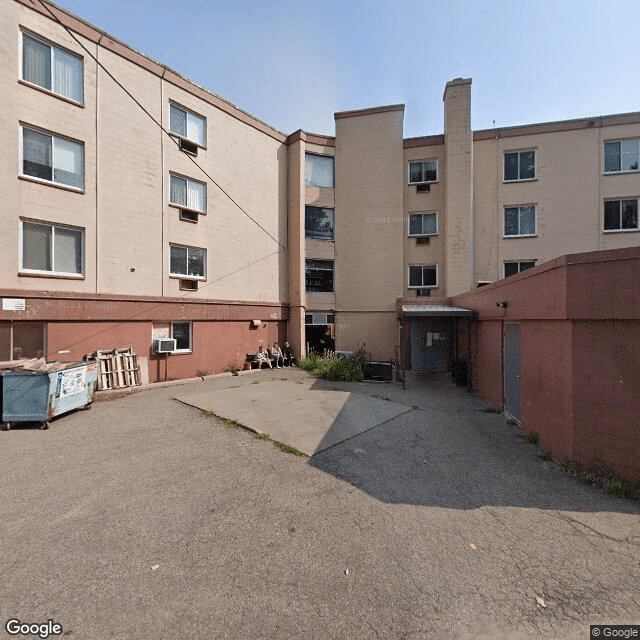
420 Marshall Ave, St. Paul, MN 55102
To contact a resident: (651) 224-2368
For more information about senior living options: (866) 208-4318
Overall Review of Bethel Care Ctr
Pros
 The nurses and staff are very nice.
- The staff provide thorough updates to families.
- The father is very comfortable.
- The therapy team is highly motivated and determined to help residents reach their goals.
- The facility provided the necessary equipment quickly.
- The facility is highly recommended.
Cons
 They say the facility is severely understaffed, with shifts covered by only two people and long delays for call lights.
- They claim residents suffer bed sores due to not being turned or monitored.
- They describe the environment as dirty and unsanitary, with rooms and bathrooms dirty and floors smelling of urine.
- They state there have been deaths on the floor and repeated ambulance calls for infections and high fever.
- They allege residents do not receive medications on time or correctly, and some go days without medications.
- They describe staff as unprofessional and inattentive, ignoring doctors' orders and failing to follow instructions.
- They say leadership is uncaring and that the facility should be shut down.
Review
Bethel Care Center in St. Paul is best suited for families willing to champion a therapy-forward experience while accepting variable day-to-day care. The facility seems to operate best when the therapy team is actively engaged and the floor staff maintain a steady workflow, with supervisors and leadership visible across shifts. For residents who can tolerate gaps in basic care and whose priority is rehabilitation progress, Bethel can feel like a doorway to meaningful gains, so long as family members are prepared to monitor standards closely. Without that hands-on oversight, the risk of missed turns, delayed assistance, and safety lapses grows into a persistent concern.
Those with high-acuity needs or a history of infections, wounds, diabetes management, or behavioral challenges should seriously consider alternatives. Repeated reports of bed sores, urinary infections, and delays in medication administration point to a facility where consistent, vigilant care is not guaranteed. Families who cannot be present to supervise daily operations may find Bethel unexpectedly risky. If the plan requires steady, predictable care with transparent communication and reliable staffing, other providers with stronger ratios and clearer accountability are likely to deliver more peace of mind.
On the upside, there are moments when Bethel’s staff shows genuine care: some residents report helpful nurses, attentive aides, and a therapy team that motivates progress. Equipment and services are frequently cited as available promptly, mobility aids, therapy resources, and related supports, when the floor is staffed adequately. Yet these positives are repeatedly overwhelmed by systemic gaps: chronic short-staffing, long wait times for call-light responses, and persistent sanitation concerns. The most troubling allegations involve neglect, inconsistent adherence to doctor orders, and safety lapses in basic care, wound care, hygiene, and medication delivery. The gulf between bright moments and recurring failures defines the overall risk profile.
Prospective residents should demand a frank, shift-by-shift picture of care quality. Before deciding, request tours during multiple shifts, speak with therapy staff about caseloads and goals, and review any recent safety incidents or inquiries. Probe staffing ratios, how call lights are triaged, and how consistently nurses check on patients with complex needs. Clarify whether the administration supports continuous quality improvement and seek recent references from families willing to discuss both high points and low points. A plan for ongoing care coordination, including timely hospital transfers and a clear process for emergency decisions, is essential.
Once admitted, monitor closely for tangible indicators of care quality: response time to call bells, regular turning and repositioning to prevent pressure injuries, and consistent hygiene practices, especially for immobile residents. Track wound care quality, medication administration accuracy, and adherence to doctors’ orders. Inspect rooms and bathrooms for cleanliness, and verify that dietary restrictions and diabetes management are followed with appropriate meal options. Observe staff communication with families, document concerns and the actions taken, and beware of high staff turnover, which often tracks with care lapses. The entire experience hinges on steady staffing, reliable operations, and transparent accountability.
Bottom line: Bethel Care Center is a high-risk choice for long-term care, best approached by families prepared to be persistent advocates and willing to relocate if care fails to meet agreed standards. It may serve as a viable option for rehab-focused periods when therapy momentum is strong and family oversight is robust, but it is not a reliable default for residents with ALS, chronic wounds, or complex medical management. If Bethel is chosen, set concrete expectations, require ongoing care-plan reviews, and insist on transparent reporting. Have contingency plans ready, backup facilities or hospital-based transfer options, to prevent a crisis when care falters.
 Skilled Nursing Facility
 Minneapolis-St Paul International (7 miles away)





 Home Health Care Demystified: A Comprehensive Guide for Families and Caregivers
 Seniors and Modern Transportation: Exploring Uber, Lyft, and Other Ride-Hailing Options
 Comprehensive Guide to Qualifying for Home Health Care Services