Maple Manor Nursing Home in Rochester, MN
Save1875 19th St NW, Rochester, MN 55901
For more information about senior living options: (844) 490-3973
Maple Manor Nursing Home in Rochester is best suited for families that prize a warm, rehab-forward environment where staff-oriented care and visible progress matter. The strongest fit is for residents who need postoperative or ongoing therapy and for families who want a hands-on, relationship-driven approach from nursing and therapy teams. Review patterns show therapy-focused care, with therapists employing a range of modalities and a culture that aims to move residents forward. The setting often feels home-like, and when care teams coordinate well, residents experience genuine engagement and daily purpose rather than merely occupying a room.
Those who should consider alternatives are families demanding flawless cleanliness, consistently quiet environments, and near-perfect reliability in every interaction. The reviews reveal mixed experiences: some call lights are answered promptly, but others report long waits; rooms can be left in less-than-clean conditions, and noise levels or disruptive roommate situations can intrude on comfort. For families needing top-tier administrative organization, minimal turnover, and a facility with uniformly polished operations, other Rochester options may deliver a more predictable daily rhythm and fewer friction points.
Key strengths - most notably the care ethic of the staff and the therapy program - often offset the downsides. When therapy teams collaborate with nursing staff, residents make tangible gains, and families frequently praise kindness, patience, and a team-oriented culture designed to keep quality-of-life priorities front and center. The availability of private rooms and ongoing facility improvements soften the sting of aging infrastructure, while stories of compassionate end-of-life care and family-centered support underscore a core value: residents are treated with dignity and empathy. Taken together, these positives create meaningful, real-world value for those seeking recovery-orientation and personal attention.
The volume and tenor of testimonials suggest a community that can feel cohesive and family-like, especially when staff stay engaged and management listens. Families recount occasions when staff went above and beyond to support loved ones and families, and several notes highlight a steady improvement trajectory in staffing and care quality. The positive echoes about therapy progress, staff reliability during critical moments, and the willingness to adjust room arrangements to meet family needs reinforce the sense that the community can deliver exceptional experiences for those who invest the time to build a relationship with caregivers.
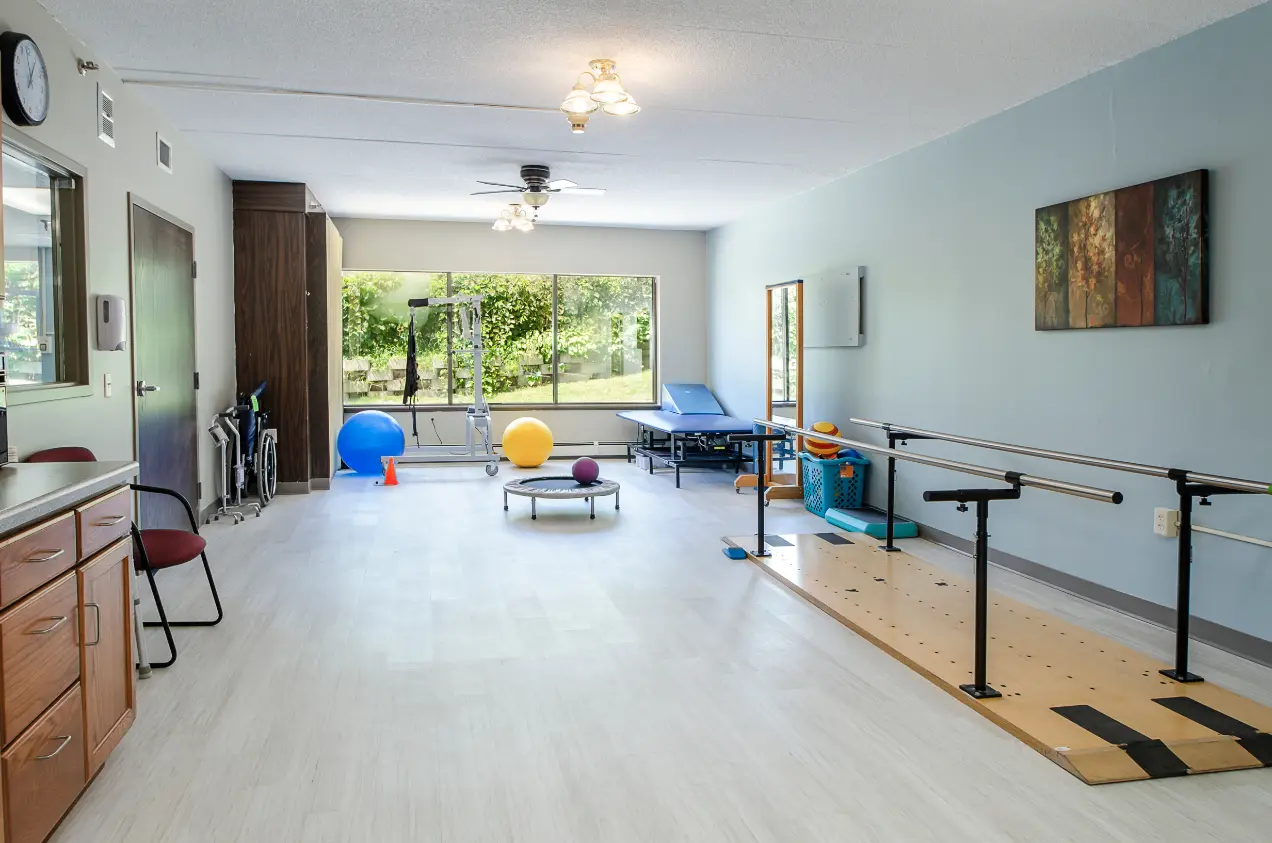
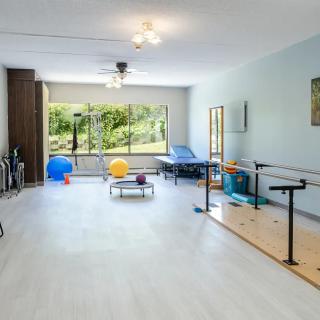
Prospective residents should scrutinize day-to-day realities during tours: ask about current staffing levels during peak hours, the typical response time for call bells, and the cleanliness and odor control in resident rooms and bathrooms. Request direct access to the therapy leader and the rehabilitation gym to observe modalities in action and gauge whether the program aligns with recovery goals. Speak with current residents or families about night-time care, privacy, and how management handles concerns. A tour at varying times will reveal how noise, privacy, and routine actually feel, which often proves decisive when outcomes hinge on everyday livability as much as clinical progress.
In sum, Maple Manor offers a credible option for families prioritizing warmth, responsive care, and tangible rehab gains, especially for those coping with postoperative needs or ongoing therapy goals. The community can deliver powerful, compassionate care that helps residents recover and families feel supported. Yet for those who demand flawless execution, pristine cleanliness, and consistently quiet, uninterrupted environments, it may be prudent to explore alternatives with steadier staffing and newer infrastructure. The decision should balance the value of a strong, people-first care culture against the realities of occasional lapses in cleanliness and consistency, recognizing that the right fit hinges on which priorities hold the most weight in a loved one's daily life.
Maple Manor Nursing Home in Rochester, MN is an ideal assisted living community nestled in a vibrant neighborhood. Situated conveniently near various amenities, residents enjoy easy access to countless cafes, parks, pharmacies, physicians, restaurants, transportation services, places of worship, theaters, and hospitals.

With 8 cafes nearby, residents can grab a cup of coffee or enjoy a leisurely meal with friends and loved ones. The surrounding 5 parks offer opportunities for outdoor activities and relaxation amidst nature's beauty. For any medical needs, there are 16 pharmacies and 13 physicians in close proximity to provide comprehensive care and support.
Dining options are plentiful with an impressive selection of 34 restaurants nearby. Residents can savor diverse cuisines ranging from local delicacies to international flavors. Additionally, transportation services are available nearby for convenient trips around town or visits to popular attractions.
For spiritual well-being and connections within the community, there are 6 places of worship where residents can engage in religious practices or find solace. Residents seeking entertainment or cultural experiences have the luxury of choosing between 2 theaters within reach.
Importantly, the close proximity of 15 hospitals ensures that residents receive prompt medical attention whenever required. Families can rest assured knowing that Maple Manor Nursing Home is surrounded by reliable healthcare facilities.
Overall, Maple Manor Nursing Home provides an idyllic living environment where residents can thrive with ease and convenience due to its multitude of nearby amenities catering to various needs and interests.
Maple Manor Nursing Home is located at 1875 19th St NW, Rochester, MN 55901 in Olmsted County, Minnesota
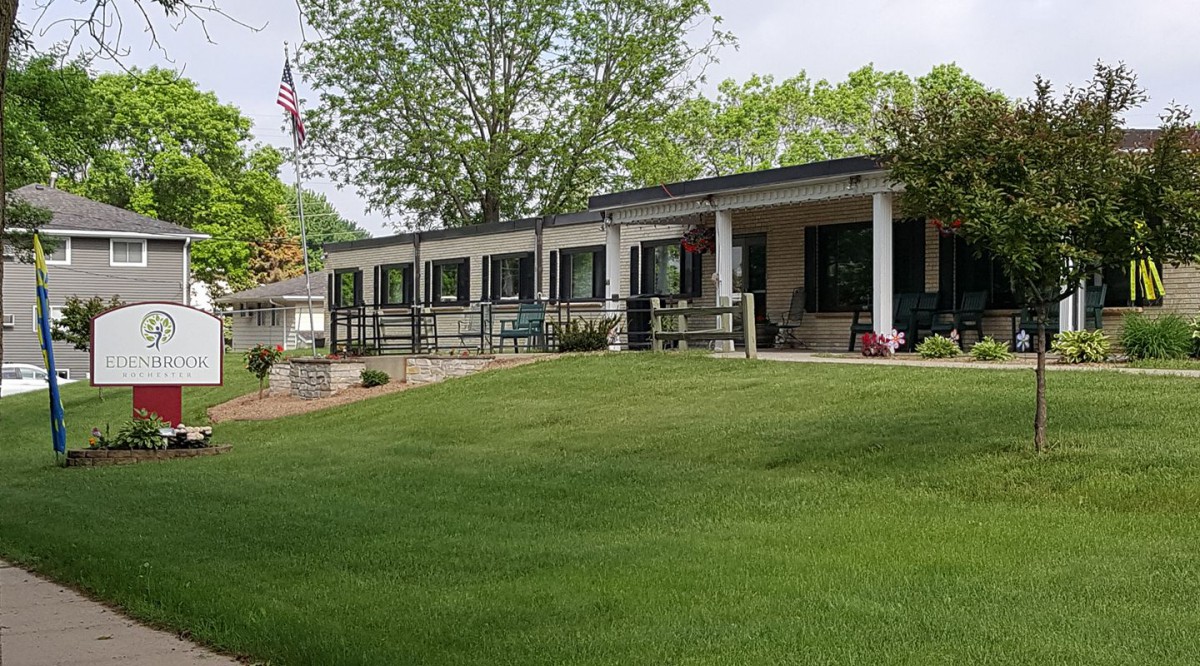
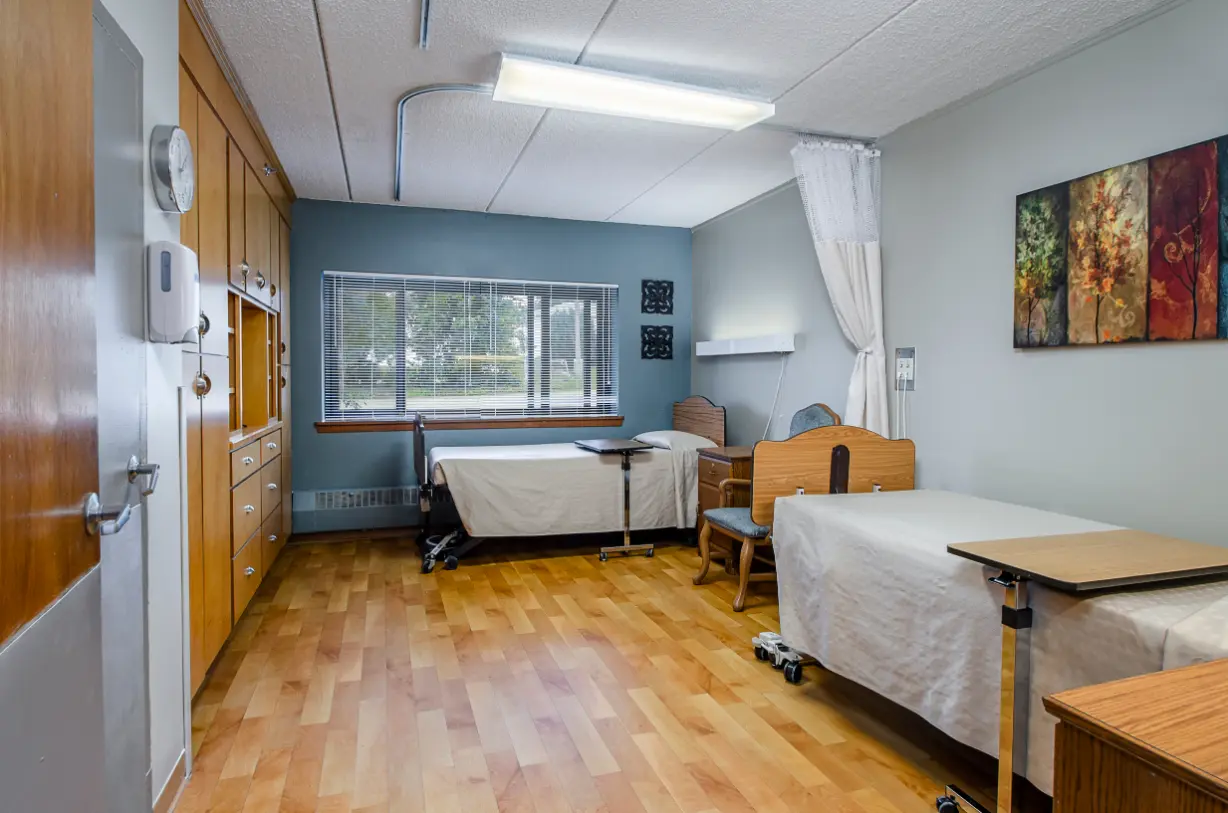
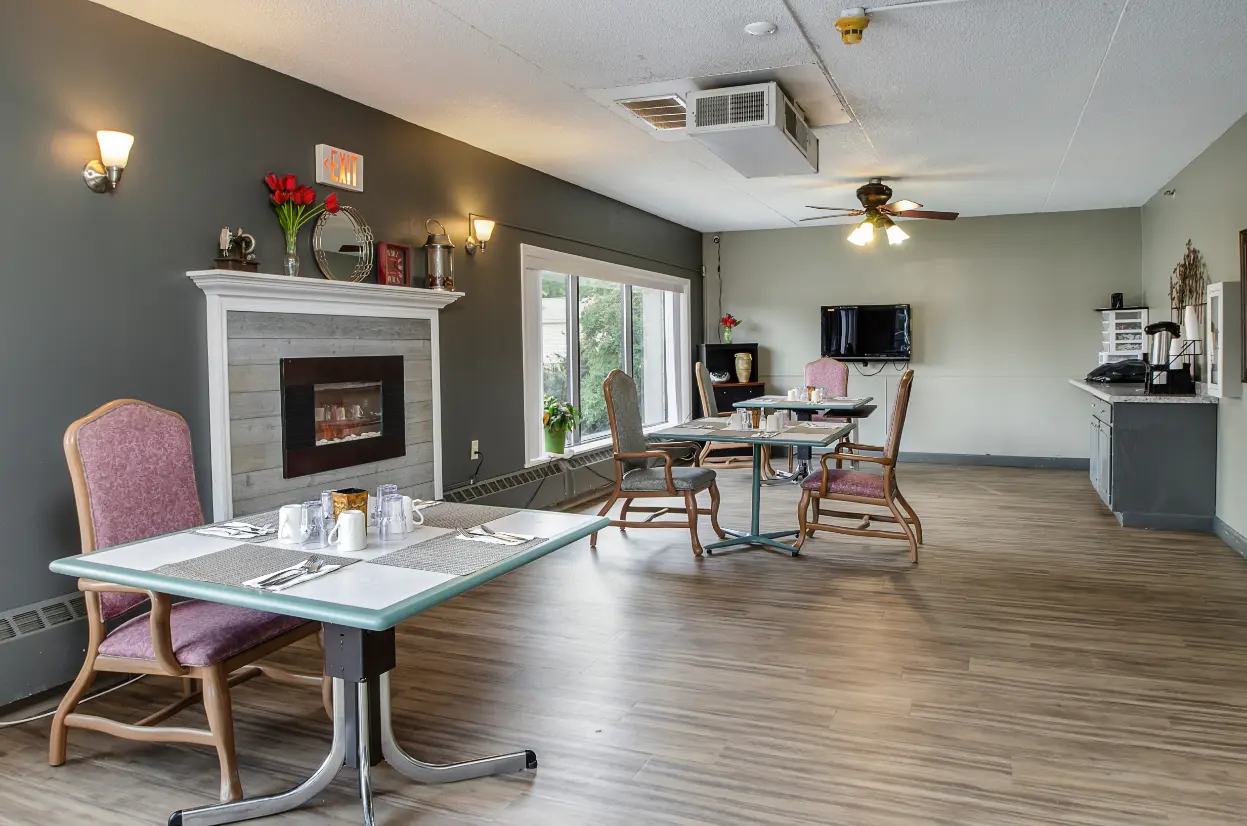
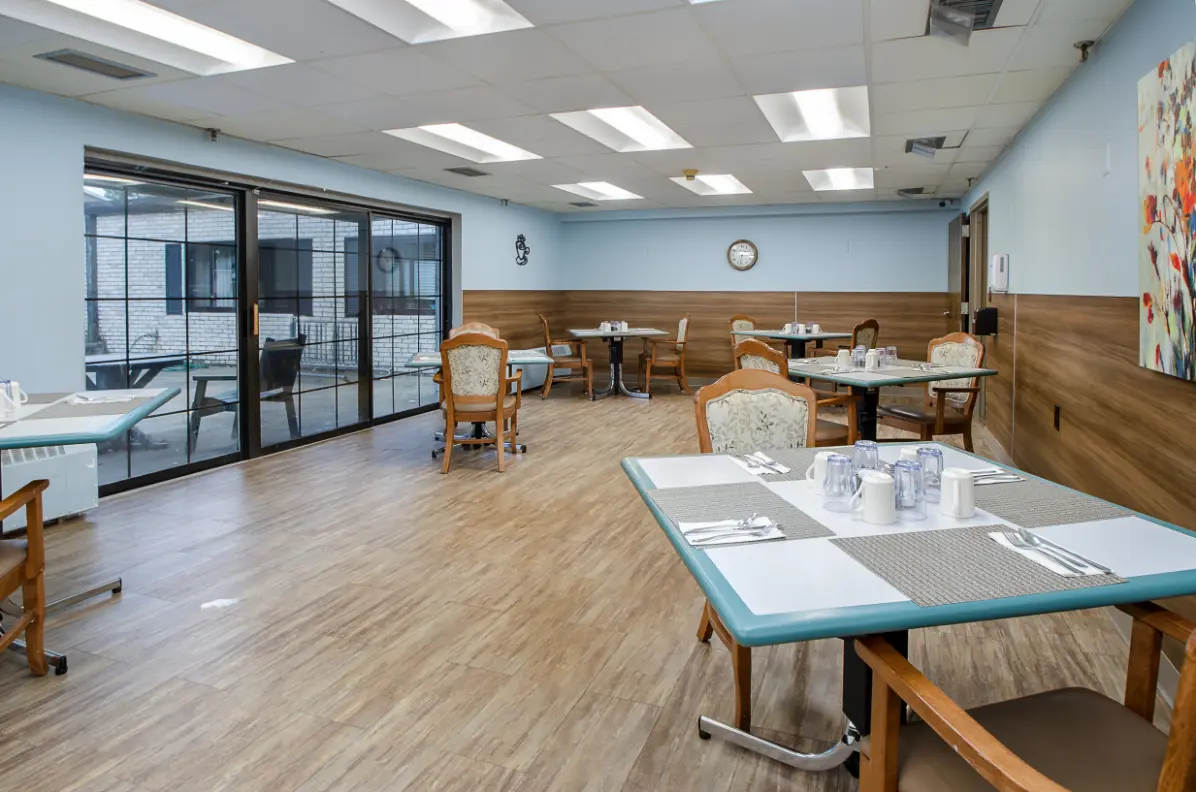
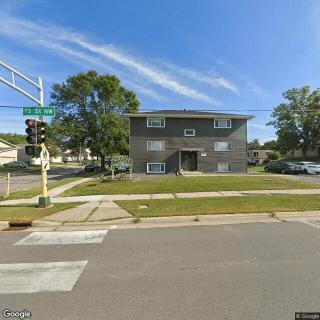
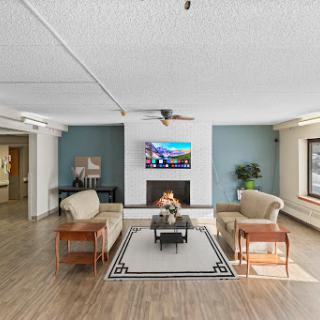
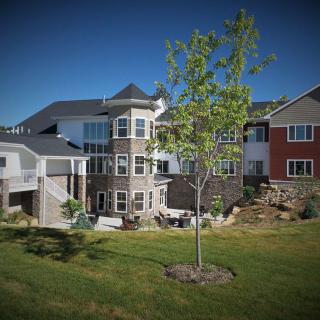
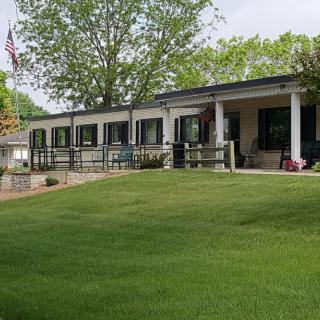
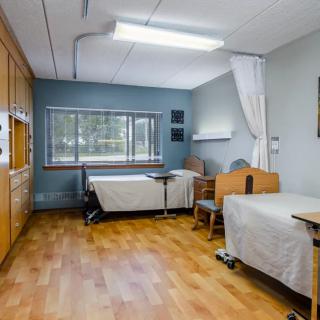
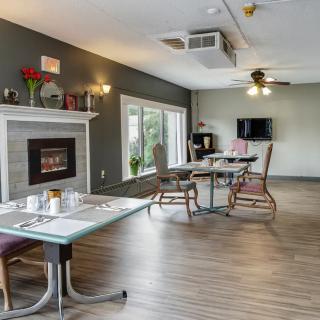
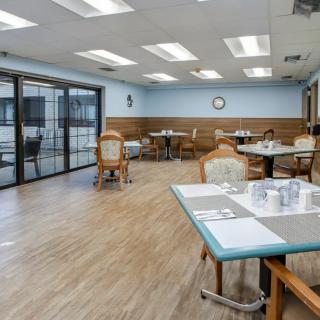
Maple Manor Nursing Home on seniors.fyi includes 5 photos including images showing dining, interior, decor, mirrors, lighting, building, grass, trees, and more.
8 Essential Assistive Devices for Older Adults

The article highlights eight essential assistive devices that improve the independence and safety of older adults, addressing issues related to mobility, balance, vision, hearing, and dexterity. It emphasizes the importance of proper selection guided by healthcare professionals to enhance seniors' quality of life while allowing them to age in place.
Navigating the Financial Road to Nursing Home Care: In-Depth Guidance and Resources
The article offers detailed guidance on the financial complexities of nursing home care, covering costs, payment methods, and alternative funding strategies while emphasizing the importance of proactive planning and legal considerations for individuals and families making care decisions.
Supportive Employee Benefits That Help Caregivers Attain Better Work-Life Harmony
The article emphasizes the critical role of supportive employee benefits for caregivers, advocating for flexible scheduling, paid leave, and mental health services to ease their challenges while enhancing employee well-being and organizational loyalty. It also highlights the importance of strong leadership in promoting these initiatives to foster a sustainable workplace culture that values caregivers.