
501 Second Street Southeast, Osseo, MN 55369
For more information about senior living options: (866) 208-4318
Overall Review of The Villa At Osseo
Pros
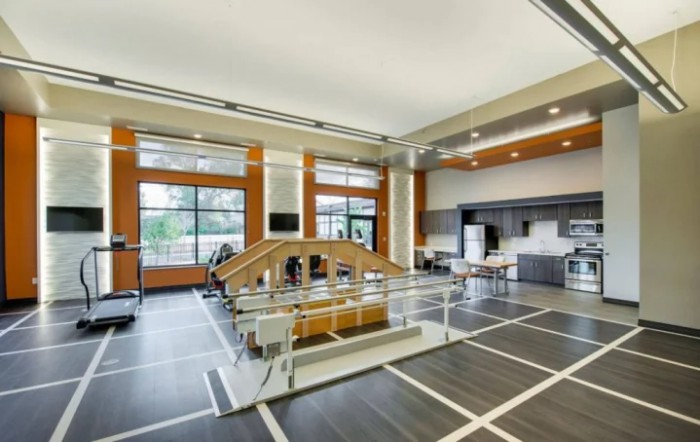
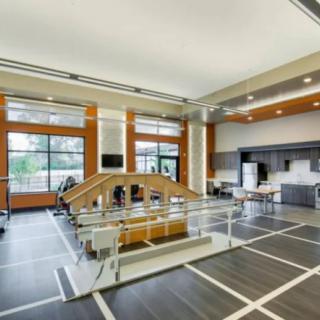
 The physical therapy was excellent.
- The staff were very helpful and accommodating, taking time to talk with visitors.
- The facility looked clean and the staff were friendly.
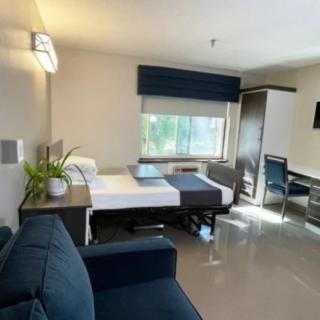
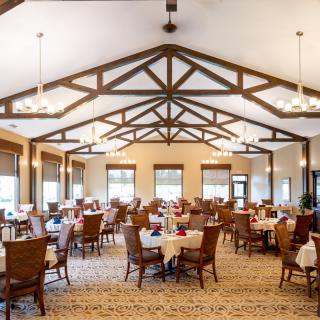
- Private rooms with garden views and a private dining area were available.
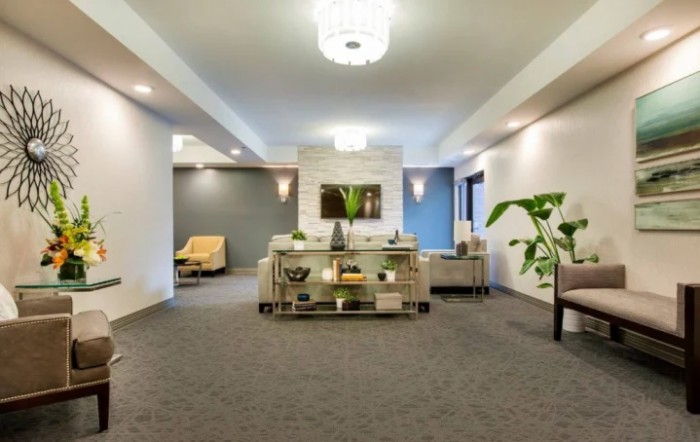
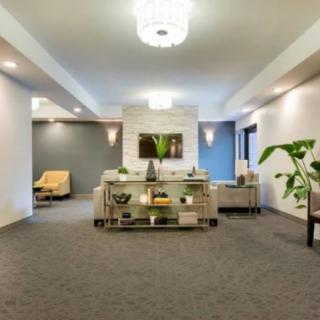
- The living room with a fireplace provided a pleasant space for family visits.
- Therapy follow-ups were good and provided at home when needed.
Cons
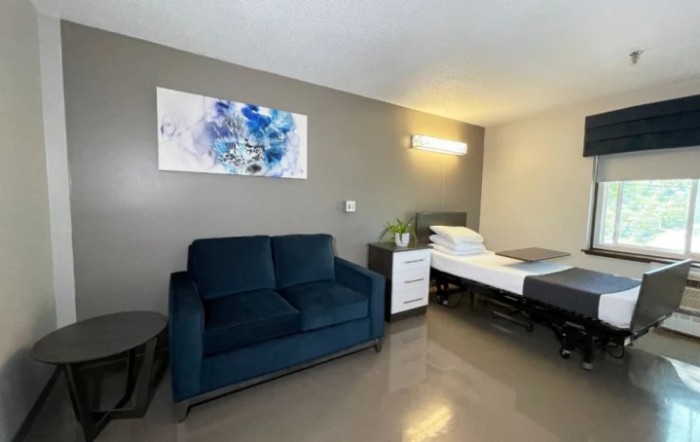
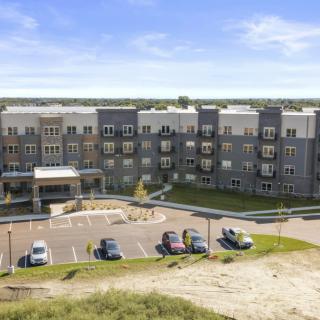
 The building is very old and falling apart, with the air conditioner taped to the wall.
- The staff reportedly delays basic assistance, telling residents they cannot get up until 6:00 due to lack of time.
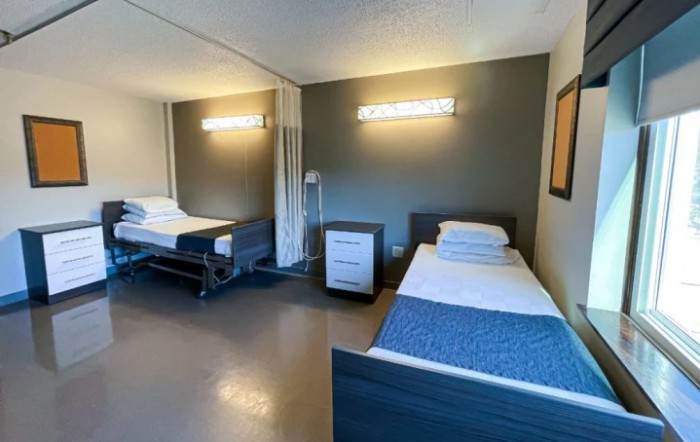
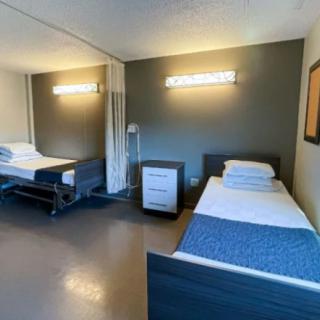
- The dining area is large but not always cleaned between meals, and the bathroom is shared.
- In the nursing home section, care was described as disgusting and neglectful, with slow response and insufficient help with eating.
- Medications were left in residents' rooms, oxygen tanks were out of reach, and clothes and diapers were not changed promptly.
- The food was terrible, and the overall care did not justify the high cost.
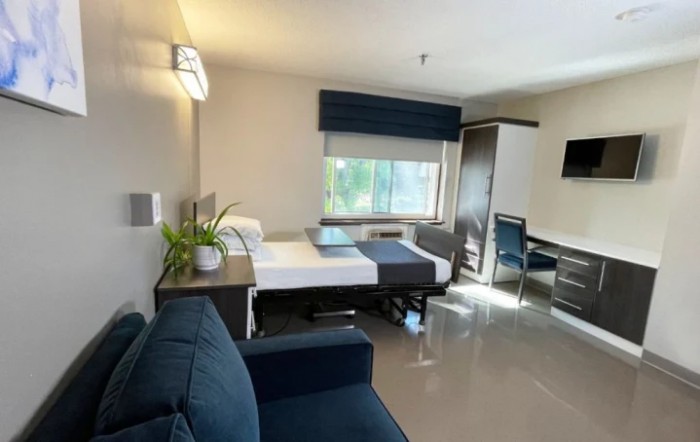
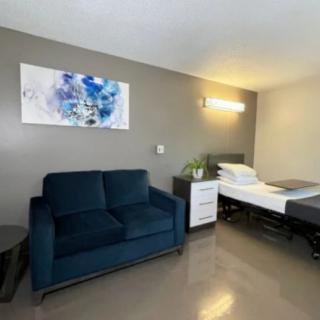
- The facility feels hospital-like, rooms are small with few private options, and activities are scarce.
- Nighttime aides were inexperienced and sometimes unprofessional, with examples like staff wearing hoodies or not being in uniform.
- Care quality varied, with some staff deemed terrible and others only OK.
Review
The Villa At Osseo is best suited for families seeking a rehab-focused stay where therapy services and proximity to care are the priority, and where an older, institutional setting can be tolerated. The center shows up strongest as a transitional or short-term option, delivering solid therapy and practical amenities for recovery, while the building and day-to-day environment reflect an era that hasn’t fully kept pace with modern comfort. This is not the pick for those wanting a polished, hotel-like atmosphere or highly consistent, around-the-clock nursing attention.
Given the mixed reviews, it is essential to consider alternatives for residents who insist on constant, high-quality safety monitoring, a consistently homelike atmosphere, and modern private accommodations. Families wary of variability in care or who require consistently spotless dining and housekeeping, and those who prioritize private rooms with private bathrooms, should explore other options. The facility’s strongest appeal, formal therapy pathways and a conveniently located campus, may not compensate for gaps in routine nursing care, cleanliness, or personalized attention.
On the upside, the therapy program and the staff’s capability in rehabilitation are repeatedly cited as standout assets. When rehabilitation is the objective, residents have access to skilled therapy and follow-through that can extend into home-based sessions after discharge. Several reviews note friendly, capable staff and a willingness to work with families to address needs. The site’s dedicated transitional care footprint, plus a private dining area and a living room with a fireplace, suggests a thoughtful attempt to balance clinical care with spaces that feel more welcoming than a pure hospital ward.
Yet the downsides demand serious consideration. The facility is described as aging and in need of maintenance, air conditioners taped to walls and other visible signs of wear underscore a broader sense of wear and tear. Room sizes are small, with some residents sharing bathrooms and having limited privacy. Food quality is inconsistent, and there are repeated complaints about meals or dining experiences not being prepared or cleaned with expected regularity. Staffing gaps show up in real-world care issues: delays in assistance, inexperienced night aides, and safety concerns such as missing bed rails or meds left unattended in residents’ rooms. Reports of neglectful handling of oxygen and slow responses to calls contribute to a troubling picture for long-term safety.
The core tension here is that the strongest pro, the rehabilitative expertise and the staff who can deliver therapy, does not fully neutralize the most serious cons, particularly around safety, dignity, and the day-to-day lived experience. For residents whose needs extend beyond therapy to steady, proactive nursing care, ready access to medications, and consistently clean, private spaces, the gaps become risk factors. Families balancing rehab gains against potential lapses in routine care will want to weigh whether the gains in mobility and function truly offset the risk of occasional delays, inconsistent meal service, and a facility that feels more clinical than homelike.
In practical terms, families evaluating The Villa At Osseo should approach with a clear, evidence-based plan. Prioritize a dedicated tour focused on private rooms, bathroom configurations, and the frequency of assisted-visit responses, especially at night. Request to meet the therapy director and frontline nursing supervisors to understand staffing patterns, training, and escalation procedures. Verify how meals are prepared and served, and whether dining areas are consistently checked between meals. Probe the care workflow for residents with cognitive or memory challenges, and ask specifically about bed safety, alarm systems, and oxygen access. If these elements cannot be assured, alternate options with stronger safety records and more homelike environments would be prudent.
 117 resident community capacity
 Skilled Nursing Facility
 Air-conditioning
 Beauty salon
 Cable or satellite TV
 Computer center
 Dining room
 Fitness room
 Fully furnished
 Gaming room
 Garden
 Housekeeping services
 Kitchenette
 Move-in coordination
 Outdoor space
 Private bathrooms
 Restaurant-style dining
 Small library
 Telephone
 Wellness center
 Wi-Fi/high-speed internet available
 Minneapolis-St Paul International (18 miles away)
 Community operated transportation
 12-16 hour nursing
 24-hour call system
 Activities of daily living assistance
 Assistance with bathing
 Assistance with dressing
 Assistance with transfers
 Diabetes diet
 Medication management
 Mental wellness program
 Special dietary restrictions
 Concierge services
 Planned day trips



 Comprehensive Exploration of Living Wills and Other Advance Directives
 A Detailed Exploration of Living Wills and Advance Directives
 Comprehensive Guide to Medicare Coverage for Hospice Care