
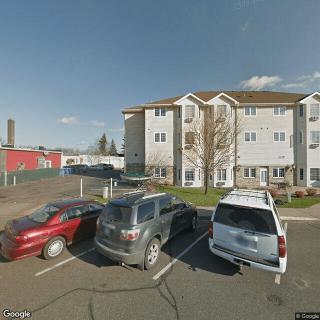
38315 Harder Ave., North Branch, MN 55056
To contact a resident: (651) 674-7068
For more information about senior living options: (866) 208-4318
Overall Review of Green Acres Country Care Ctr
Pros
 The staff were kind, compassionate, and stayed on top of mom's care.
- The clinical director immediately called to inform the family, showing quick and attentive oversight.
- Ecumen North Branch fostered a strong sense of community, like a big family.
- It felt like a big family where staff regularly talked with residents and offered warmth.
- Ecumen North Branch is clean, quiet, and staffed by people who care deeply about residents.
- The team is truly compassionate, with residents' wellbeing as their top priority.
- The care and attention given to the mother during her stay was wonderful.
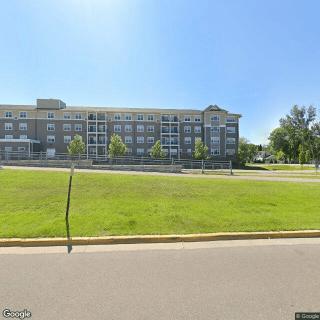
- Ecumen North Branch has a beautiful campus and a great team.
- Staff members are available to help with medications and daily routines.
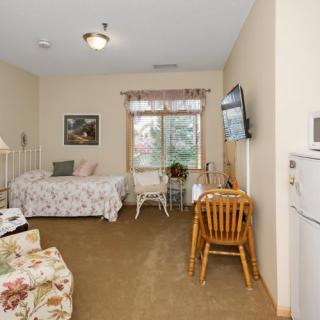
- The facility provides a cozy, home-like environment with meals, activities, and social engagement.
Cons
 The nurses and aides are incompetent; one nurse is lazy and ignores fall-risk needs.
- The facility is almost always short-staffed; aides work double shifts across multiple floors.
- There is no RN on weekends; weekends and evenings are a ghost town with slow responses.
- Medication mistakes are frequent; meds are missed or not administered correctly.
- Call buttons go unanswered for extended periods, sometimes 30 minutes or more.
- Food quality is poor and items are frequently missing or repetitive.
- Leadership is virtually non-existent, with poor accountability and little communication with families.
- Some staff members are abusive or unprofessional, including inappropriate language and rough care.
Review
This community is best suited for families that prize a warm, home-like atmosphere and a genuine sense of community over clinical polish. For residents who are transitioning from hospital rehab and crave daily interaction, familiar faces, and a social, “family-style” vibe, Green Acres offers a welcoming setting with comfortable living spaces and a trustworthy potential for heartfelt connections. It works best when care is supported by proactive family involvement and vigilant oversight, because the variability in staffing and leadership can otherwise erode the consistency that families rely on during recovery and aging.
Owners and families who need rock-solid, 24/7 nursing oversight and relentlessly reliable care should seriously consider alternatives. The strongest cautions from the North Branch experience point to gaps in weekend coverage, slow call-button responses, and a pattern of medication missteps that can jeopardize safety for those with fall risks or complex regimens. If dependable RN presence, timely intervention, streamlined communication, and consistently professional leadership are non-negotiable, this facility may fall short of those nonnegotiables. For families seeking a facility with a uniformly high standard of clinical care and minimal need for constant advocacy, alternatives deserve exploration.
On the plus side, a genuine sense of community and a clean, quiet environment stand out as meaningful strengths. Several family members describe a homelike environment where meals, social time, and staff interactions foster a comforting, familiar routine. When staff members invest time in residents, checking in, offering coffee, and engaging in daily conversations, the atmosphere can feel both supportive and hopeful. For residents who respond to personal attention and enjoy a quieter, less clinical setting, these authentic, human connections can significantly offset the stresses of aging or rehab.
Yet the cons here are consistently highlighted across multiple accounts and cannot be dismissed. Chronic under-staffing surfaces as a core problem, with aides covering large floors, long gaps between call-button presses and responses, and a history of medication lapses or miscommunications. Leadership gaps emerge as a recurring concern, with several families reporting limited availability, delayed follow-through, or a disconnect between families and administrators. These issues culminate in moments of fear and frustration, especially during evenings and weekends when the facility can feel like a “ghost town” without sufficient nursing presence. The quality of food and nutrition, as well as inconsistent care practices, further erode trust and raise legitimate red flags for families evaluating long-term placement.
The main pros, warm community, comfort, and a respectful, caring moment from the best of the staff, do offset some emotional strain for families who are present and paying attention. When a caregiver steps in with compassion, clarifies a medication plan, or simply sits with a resident during a difficult moment, the impact is real and meaningful. However, these strengths rarely negate the material risks tied to under-staffing, inconsistent med administration, and leadership that doesn’t consistently translate concern into action. In practical terms, a decision to move forward here should come with strict safeguards: a documented, proactive care plan; defined escalation channels; frequent, transparent communication with a dedicated supervisor; and a clear expectation that staffing coverage and response times will meet a negotiated standard.
For families weighing next steps, manufacture a plan that centers on concrete assurances. Prior to move-in or rehab transfer, seek a direct meeting with the nurse manager and the administrator to review staffing ratios, weekend RN coverage, and the facility’s med-pass protocols. Request a tour of the medication storage and administration areas, and ask to speak with multiple frontline caregivers about typical shifts and workloads. If possible, arrange a short trial period with ongoing, logged feedback from family members and residents. If these assurances cannot be secured, or if any red flags reappear during a trial, medication consistency issues, unreturned calls, or leadership hesitancy, prioritize alternatives with stronger, more dependable clinical oversight and a proven track record of sustained, proactive care. Green Acres can be a worthy fit for the right family in the right circumstances, but not as a default choice for those needing uncompromising reliability and scalable, accountable care.
 Skilled Nursing Facility

 Understanding Hospice Care at Home: Comprehensive Services, Key Benefits, and Eligibility
 Understanding the Full Cost of 24/7 In-Home Care: A Detailed Overview
 Exploring the World of Home Health Nurses: Qualifications, Roles, and Hiring Tips