At Martin Luther Care Center, the monthly costs for various room types present a competitive alternative within the context of Hennepin County and the broader Minnesota landscape. For those considering studio apartments, Martin Luther offers a significant savings at $2,270 compared to Hennepin County's average of $3,713 and the state average of $3,617. The one-bedroom rate of $2,920 also positions it favorably against both county and state averages, with Hennepin County at $3,550 and Minnesota at $2,893. However, for two-bedroom accommodations, Martin Luther's price of $4,040 is slightly above both Hennepin County's average of $3,848 and Minnesota's average of $2,955. Overall, Martin Luther Care Center provides an appealing option for individuals seeking affordable living arrangements in a supportive environment while balancing quality care and community needs.
Floor plans
Martin Luther Care Center
Hennepin County
Minnesota
Studio
$2,270
$3,713
$3,617
1 Bedroom
$2,920
$3,550
$2,893
2 Bedrooms
$4,040
$3,848
$2,955
Skilled Nursing Facilities with a similar price nearby
The adult day program is frequently described as engaging and supportive.
Multiple reviewers describe an adult day program experience they valued for enrichment and social time. One caregiver specifically mentions dementia-related benefits like mental stimulation, art and music, and exercise. Others describe the program and activities staff as friendly, caring, and welcoming. Some reviewers also connect the quality of rehab care with later participation in the adult day program.
common4 reviews mention this
Activities help residents stay engaged
Residents and families often mention daily activities and enrichment.
Several reviews highlight that the community schedules activities and provides variety beyond a passive routine. Reviewers mention things like arts and crafts, music, and group social time, and one describes residents being brought to activities even if they can’t easily get around. Others point to specific programming elements and intergenerational or educational connections. Even amid concerns, there are also notes that residents look forward to the dining room as part of their routine.
caveat7 reviews mention this
Staffing and call-button response
A recurring concern is staffing availability and delayed assistance.
Many negative reviews describe trouble getting help when needed, including delayed responses to call buttons and long waits for assistance. Some reviewers report residents going hours without help with basic needs like bathroom assistance or changing. A few accounts also describe understaffing or moments when staff appear inattentive. While some positive reviews describe caregivers as responsive, these complaints suggest that day-to-day experience can vary significantly.
caveat5 reviews mention this
Food quality is mixed
Several reviews criticize meal quality and consistency.
Some reviewers report meals arrive lukewarm or undercooked, and describe food they did not want being ordered anyway. Others say dishes are not appetizing, and that a loved one often had to rely on bringing additional food from outside. One review also describes days when food was out or served in a repetitive way. On the more positive side, at least one reviewer says meal service and nutrition selection were a good experience for their family member.
How we summarize
Counts show how many written reviews mention each theme; a review can touch several themes, and only frequently mentioned themes are displayed.
Features
Housing
137 resident community capacity
Types of Care
Skilled Nursing Facility
Amenities
Air-conditioning
Beauty salon
Cable or satellite TV
Computer center
Dining room
Fitness room
Fully furnished
Gaming room
Garden
Housekeeping services
Kitchenette
Move-in coordination
Outdoor space
Private bathrooms
Restaurant-style dining
Small library
Telephone
Wellness center
Wi-Fi/high-speed internet available
Transportation
Minneapolis-St Paul International (4 miles away)
Community operated transportation
Transportation arrangement
Transportation arrangement (non-medical)
Transportation to doctors appointments
Care Services
12-16 hour nursing
24-hour call system
24-hour supervision
Activities of daily living assistance
Assistance with bathing
Assistance with dressing
Assistance with transfers
Diabetes diet
Meal preparation and service
Medication management
Mental wellness program
Special dietary restrictions
Dining
Diabetes diet
Special dietary restrictions
Activities
Community-sponsored activities
Concierge services
Fitness programs
Planned day trips
Resident-run activities
Scheduled daily activities
Nearby Places of Interest
Physicians
Fairview Clinics (1.6 miles)
Minnesota Eye Consultants (1.8 miles)
Sstar-Sports Specific Training & Rehab (3.1 miles)
Endocrinology Clinic of Minneapolis (4.3 miles)
Southwest Dermatology Specialist (4.5 miles)
Southdale Pediatrics (4.8 miles)
Southdale Pediatrics (5.1 miles)
Pharmacies
CVS Pharmacy (2.1 miles)
Walgreens (2.3 miles)
Walgreens (2.7 miles)
Walgreens (3.2 miles)
CVS Pharmacy (3.6 miles)
Walgreens (3.7 miles)
CVS Pharmacy (3.7 miles)
Transportation
Mall of America LRT Station (2.3 miles)
Delta Employee Bus Stop #1 (3.4 miles)
Terminal 2-Humphrey (3.8 miles)
TSA Checkpoint 1 (3.9 miles)
Concourse F (4.7 miles)
Minneapolis–Saint Paul International Airport (MSP) (4.7 miles)
At Martin Luther Care Center, the monthly costs for various room types present a competitive alternative within the context of Hennepin County and the broader Minnesota landscape. For those considering studio apartments, Martin Luther offers a significant savings at $2,270 compared to Hennepin County's average of $3,713 and the state average of $3,617. The one-bedroom rate of $2,920 also positions it favorably against both county and state averages, with Hennepin County at $3,550 and Minnesota at $2,893. However, for two-bedroom accommodations, Martin Luther's price of $4,040 is slightly above both Hennepin County's average of $3,848 and Minnesota's average of $2,955. Overall, Martin Luther Care Center provides an appealing option for individuals seeking affordable living arrangements in a supportive environment while balancing quality care and community needs.
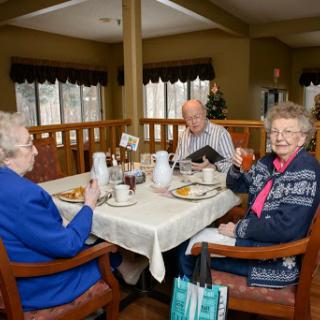
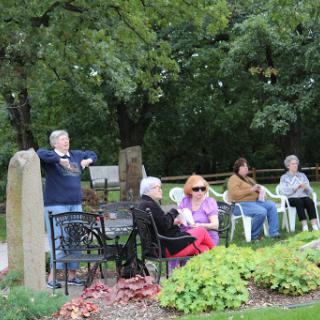
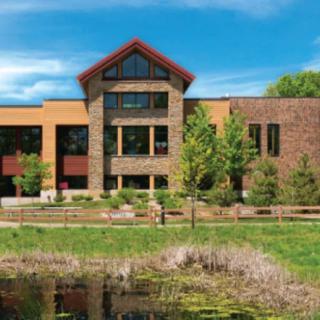
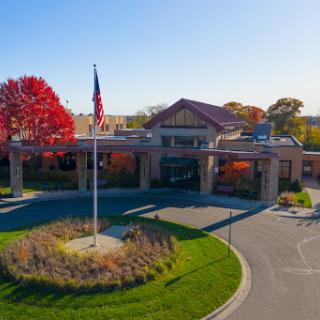
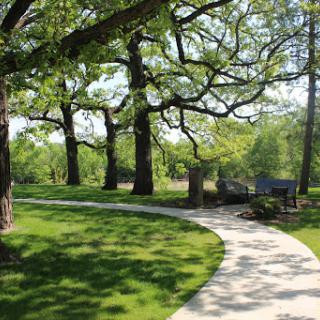
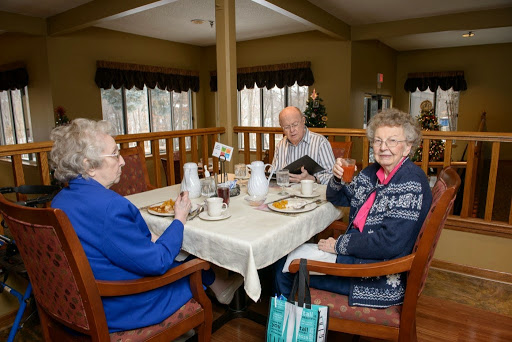
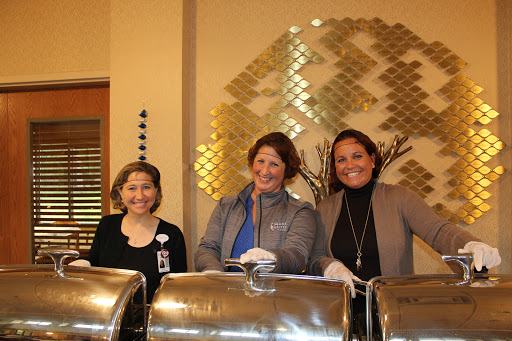
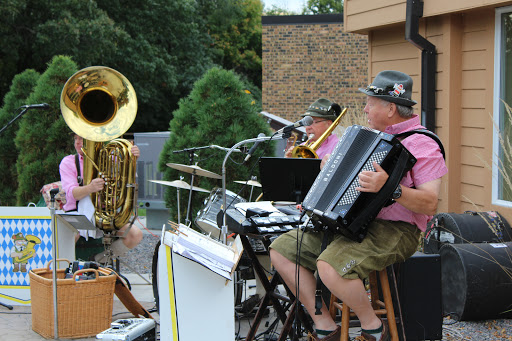
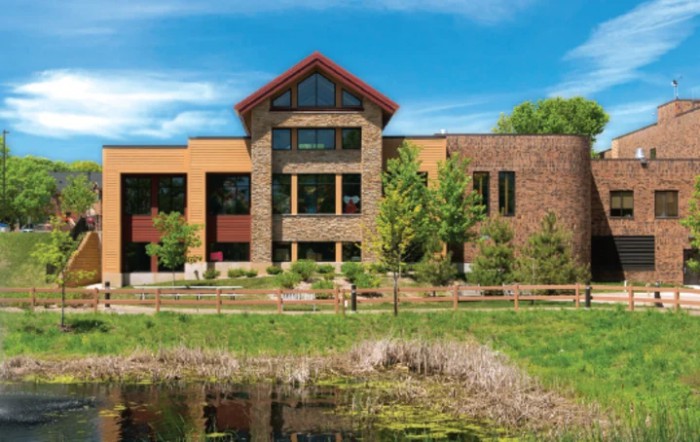
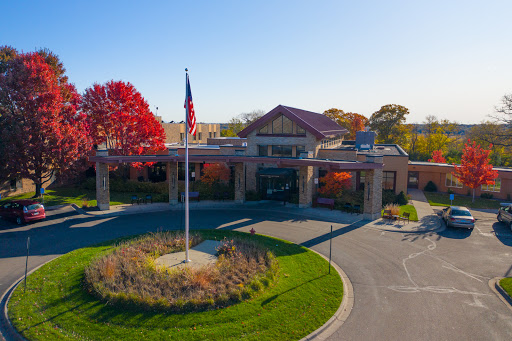
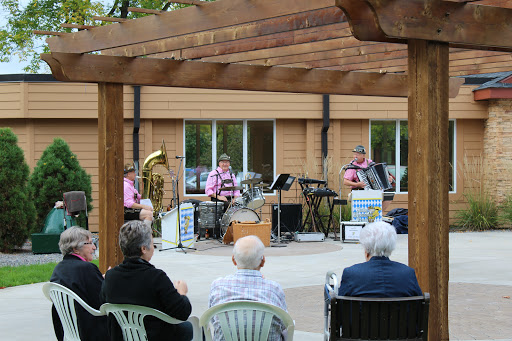
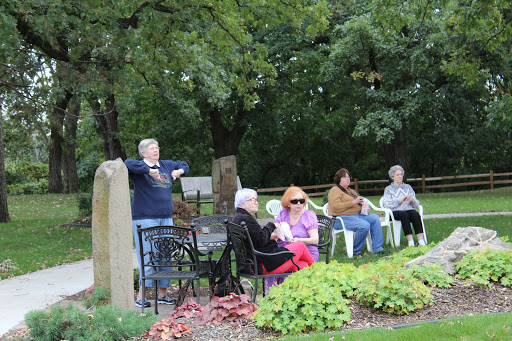
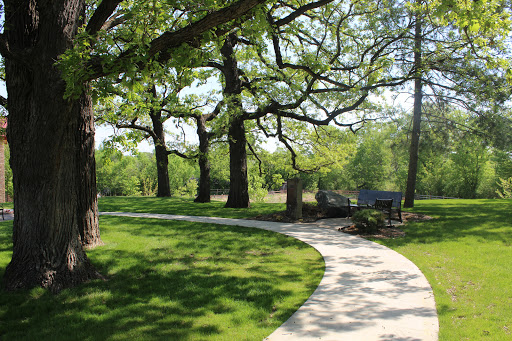
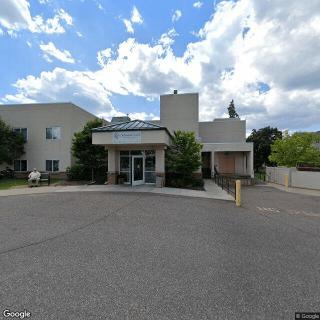
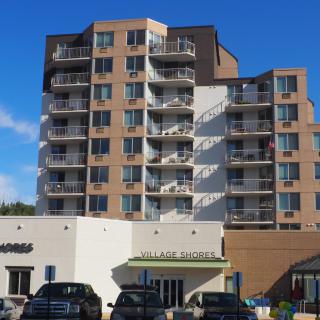
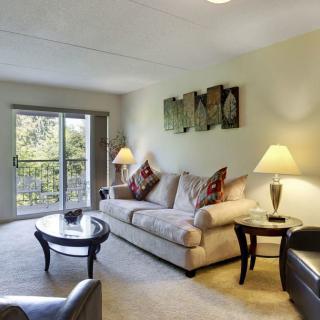
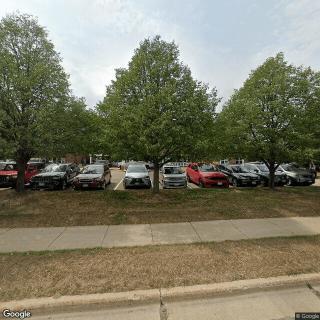
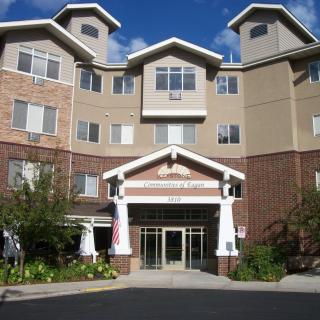
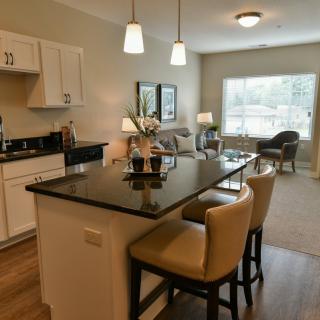
Martin Luther Care Center on seniors.fyi includes 9 photos including images showing dining, nature, landscaping, building, architecture, trees, outdoor, park, and more.
Nearby Communities
Martin Luther Manor Adult Day
Bloomington, MN
3.7 from 86 reviews
Friendly staff and some stable, positive resident experiences.
Meadow Woods
Bloomington, MN
3.9 from 37 reviews
$2,280 to $3,385 / month
Responsive staff and restaurant-quality meals in a clean, well-kept facility.
Destiny Home Care Services 5
Bloomington, MN
Full range of assisted living services with 24-hour supervision, daily living assistance, meals, housekeeping, transportation to medical appointments, and engaging activities in a furnished, garden-friendly setting.
Heliopolis Home Healthcare I
Bloomington, MN
4.9 from 7 reviews
$4,500 to $5,000 / month
Fully furnished apartments with dining and outdoor space, plus comprehensive care and transport.
Joyful Residential Assisted Living
Bloomington, MN
4.4 from 14 reviews
$8,000 / month
Clean, home-like environment with compassionate staff and personalized activities.
Joyful Residential Assisted Li
Bloomington, MN
Intimate community with 24/7 supervision, comprehensive daily living support, and active social/mental wellness programs.
Dignified Choice Care
Burnsville, MN
5 from 38 reviews
Small, personalized assisted living with 24/7 supervision and comprehensive care.
New Perspective Senior Living | Eagan
Eagan, MN
4.4 from 54 reviews
$2,044 to $2,683 / month
Friendly, caring staff with engaging activities in a clean environment.
Havenwood of Richfield
Richfield, MN
4.6 from 83 reviews
$2,160 to $3,580 / month
Well-maintained, homey community with friendly staff and engaging activities.
In-home care is increasingly sought after by older adults for maintaining independence, with average private home care rates in 2025 varying by state and service type, reflecting geographical and local labor market influences. As demand rises, families are considering funding options like Medicaid waivers and long-term care insurance to manage costs effectively while ensuring quality care.
Home health care has become essential for supporting independence among the aging population, offering diverse services such as skilled nursing and rehabilitation in familiar environments, while also incorporating technology for personalized care. Despite its benefits, including improved recovery rates and emotional well-being, challenges like safety, staff availability, and insurance navigation must be managed for effective implementation.
Home health care offers a range of clinical services provided in a patient's home, including nursing and therapy, tailored to individual needs, particularly for aging seniors with chronic conditions. This approach enhances patient independence, promotes better disease management, and utilizes technology for real-time monitoring while fostering collaboration among healthcare providers and family members.
Get PricingAsk A QuestionSchedule A TourContact Senior Advisor
By clicking submit, you agree to our Partner's Terms of Use. You
also consent to receive calls and texts, which may be autodialed, from our Partner. Your consent is not a condition to
using our Partner's service. Please visit our Partner's Privacy Policy for information about their privacy practices.


 137 resident community capacity
 Skilled Nursing Facility
 Air-conditioning
 Beauty salon
 Cable or satellite TV
 Computer center
 Dining room
 Fitness room
 Fully furnished
 Gaming room
 Garden
 Housekeeping services
 Kitchenette
 Move-in coordination
 Outdoor space
 Private bathrooms
 Restaurant-style dining
 Small library
 Telephone
 Wellness center
 Wi-Fi/high-speed internet available
 Minneapolis-St Paul International (4 miles away)
 Community operated transportation
 12-16 hour nursing
 24-hour call system
 Activities of daily living assistance
 Assistance with bathing
 Assistance with dressing
 Assistance with transfers
 Diabetes diet
 Medication management
 Mental wellness program
 Special dietary restrictions
 Concierge services
 Planned day trips
 Friendly staff and some stable, positive resident experiences.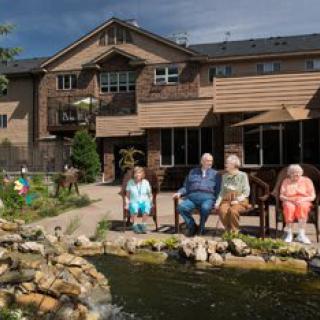


 In-Home Care Costs in 2025: A Detailed State-by-State Exploration
 Understanding Home Health Care: A Comprehensive Guide
 Home Health Care Demystified: A Comprehensive Guide for Families and Caregivers