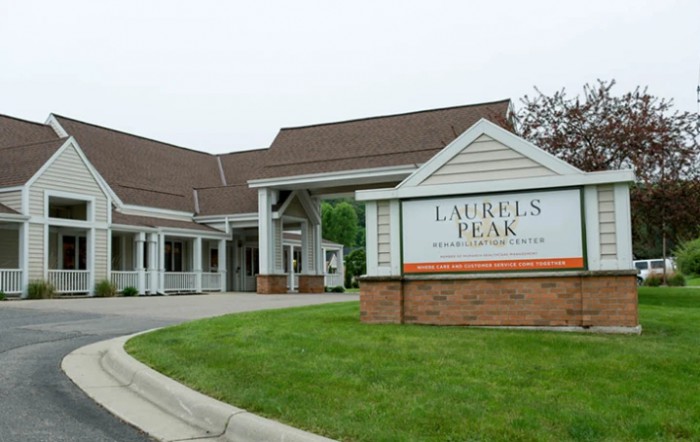
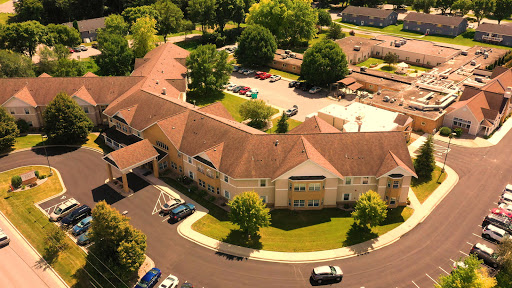
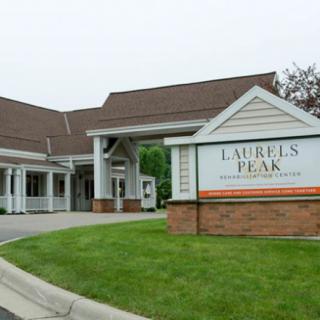
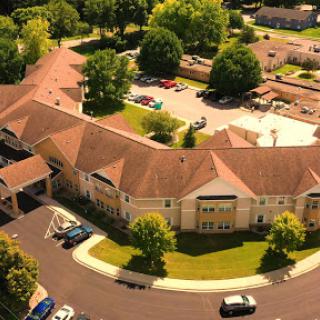
700 James Avenue, Mankato, MN 56001
For more information about senior living options: (866) 208-4318
Overall Review of Laurels Peak Care & Rehabilitation Center
Pros
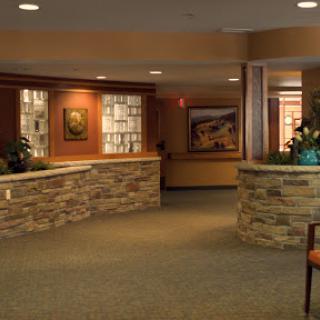
 The facility is beautiful and provides excellent care.
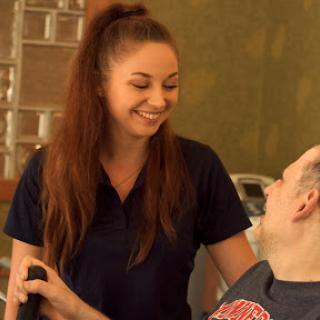
- The staff are nice and helpful, and the music therapist is wonderful for people with dementia.
- It is an amazing place to live and work, with kind, caring, and compassionate staff.
- They make it so much fun for residents.
- It would be a great place.
Cons
 They describe the place as one of the most disorganized and incompetent facilities they have encountered.
- They advise avoiding this place and all centers under the Monarch parent company, calling the administration and staff a joke.
- They say the facility is old and filled with broken, unsafe equipment and conditions.
- They report a terrible environment for a loved one, citing repeated hygiene neglect and that oxygen and suction equipment were not properly available or used, with floors dirty for hours.
- They state the facility isn’t set up for someone with dementia who tries to leave, making it unsuitable for their husband, and note that staff cannot watch him every minute.
Review
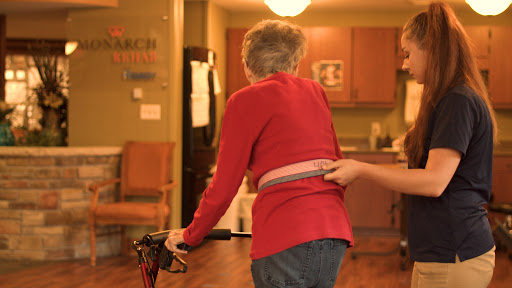
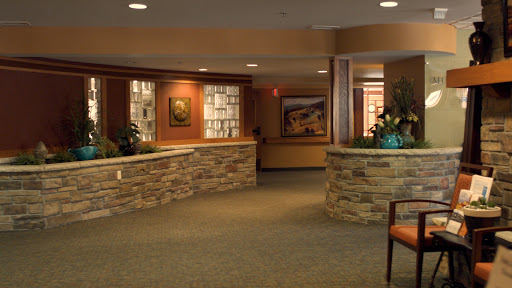
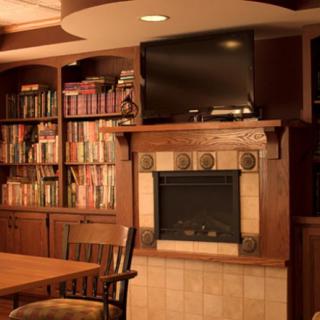
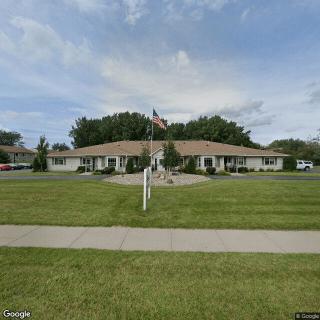
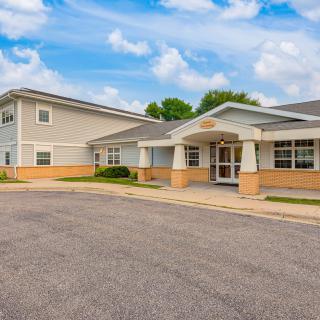
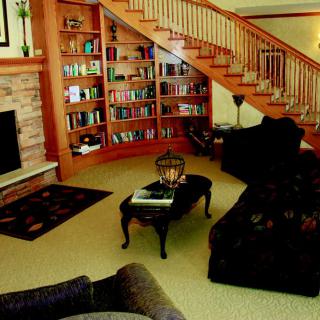
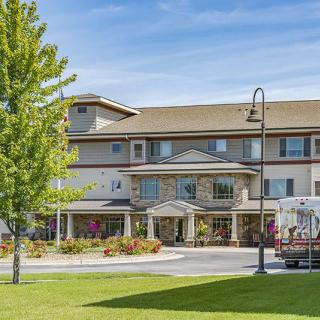
Laurels Peak Care & Rehabilitation Center in Mankato is best suited for seniors who want a pleasant, home-like setting with engaged, approachable staff and meaningful daily activities, particularly those without significant wandering risk or advanced memory needs. The facility presents a visually appealing environment and offers programs, such as music therapy, that resonate with residents who respond to social stimulation and sensory engagement. For families prioritizing warmth, personal attention, and opportunities to participate in enriching activities, Laurels Peak can feel like a supportive, livable community rather than a clinical stopover.
At the same time, this community warrants caution for residents with advanced dementia, elopement tendencies, or stringent safety requirements. Several reviews flag serious concerns around safety and security, doors that aren’t adequately protected for wanderers, and a general sense of disorganization that can undermine reliable supervision. Maintenance and infrastructure issues are noted, described as old and, at times, unsafe. Hygiene lapses and equipment accessibility problems further complicate care for residents who depend on constant, predictable supports. In short, a resident with significant behavioral or medical needs may require a setting with tighter safety controls and more consistent execution.
The strongest positives here, the caring, approachable staff and the lively activities, do offer meaningful offset for families who can tolerate imperfect operations in other domains. Staff warmth and a culture that aims to be helpful can translate into daily comfort, especially for residents who do not require near-constant medical intervention. The music therapy program, highlighted by some families, can be especially valuable for people with dementia, providing cognitive and emotional engagement that is hard to replace. When a resident’s needs align with those strengths, Laurels Peak can deliver a humane, person-centered experience that feels like a real home.
However, the main drawbacks are not easily dismissed. The reports of disorganization at multiple levels, from administration to frontline caregivers, create real risk for lapses in care or miscommunication during critical moments. Safety concerns, primarily the lack of secure containment for wanderers and physical infrastructure that feels outdated, pose questions about reliability in crisis or high-need situations. Hygiene and basic equipment readiness issues (such as oxygen access and suction availability) are not minor blips; they are foundational problems that can directly impact a resident’s health and comfort. These gaps tend to erode confidence quickly for families already weighing complex medical and caregiving needs.
During a tour, families should probe concrete, observable practices to separate rumor from reality: how quickly staff respond to call bells, how wander risk is managed (secured doors, supervision ratios), and how routinely equipment is checked and replenished. Demand recent maintenance logs, inspection notes, and a clear outline of corrective actions when lapses occur. Observe room cleanliness, floor conditions, and how aides interact with residents during routine care. Ask about medication administration processes, hygiene protocols, and the consistency of respiratory and suction equipment readiness. These details reveal whether the pleasant surface aligns with dependable, safe day-to-day operations.
The verdict is nuanced. Laurels Peak offers a welcoming atmosphere and genuine caregiver warmth that can meaningfully improve quality of life for many residents, especially those without complex safety needs who respond well to structured social programs. Yet the facility’s weaknesses in organization, safety design, and basic hygiene cannot be ignored, particularly for elopement-prone individuals or those requiring dependable, high-level medical oversight. For families evaluating options, this community is a potential fit only if the resident’s needs align with the strengths (staff engagement, activity-rich environment) and the risk factors (safety, maintenance, consistent care delivery) are actively mitigated. When in doubt, seek facilities with demonstrable, uninterrupted safety protocols and cleaner, more modern infrastructure to complement the care ethos Laurels Peak aspires to provide.
 65 resident community capacity
 Skilled Nursing Facility
 Air-conditioning
 Beauty salon
 Cable or satellite TV
 Computer center
 Dining room
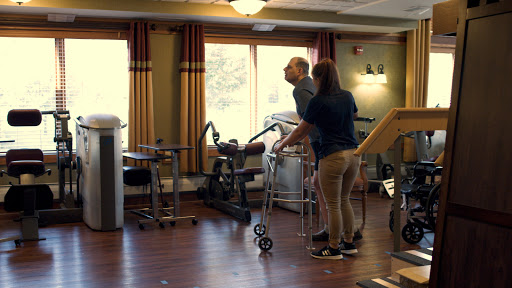
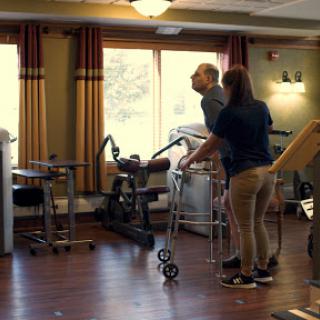
 Fitness room
 Fully furnished
 Gaming room
 Garden
 Housekeeping services
 Kitchenette
 Move-in coordination
 Outdoor space
 Private bathrooms
 Restaurant-style dining
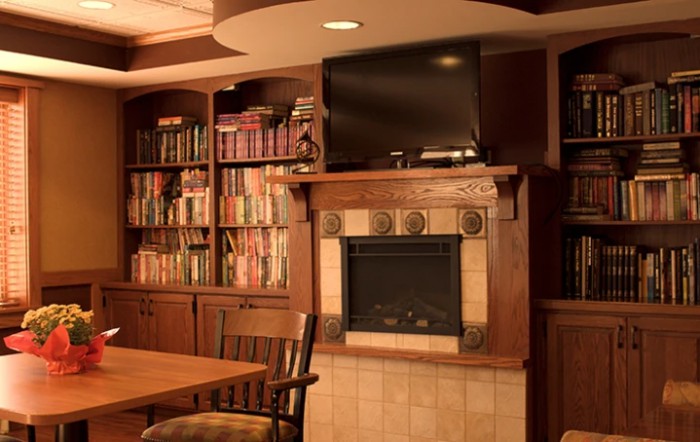
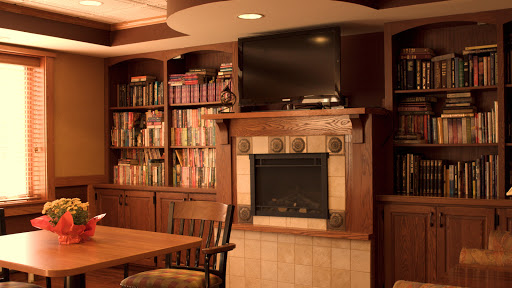
 Small library
 Telephone
 Wellness center
 Wi-Fi/high-speed internet available
 Community operated transportation
 12-16 hour nursing
 24-hour call system
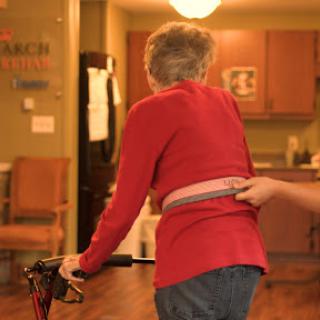
 Activities of daily living assistance
 Assistance with bathing
 Assistance with dressing
 Assistance with transfers
 Diabetes diet
 Medication management
 Mental wellness program
 Special dietary restrictions
 Concierge services
 Planned day trips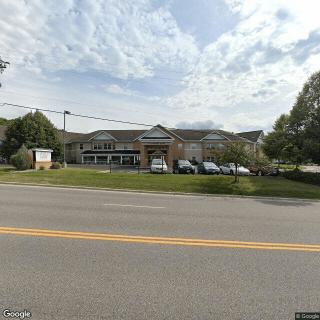

 Top Canine Companions for Older Adults
 Comprehensive Guide to Blood Pressure Charts for Older Adults: Understanding Normal and High Readings by Age
 Financing Long-Term Nursing Home Care Through Social Security: A Thorough Exploration