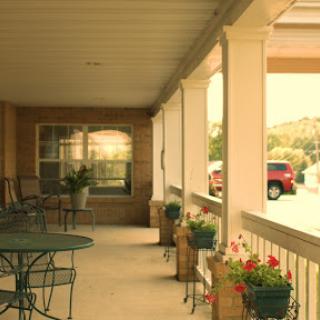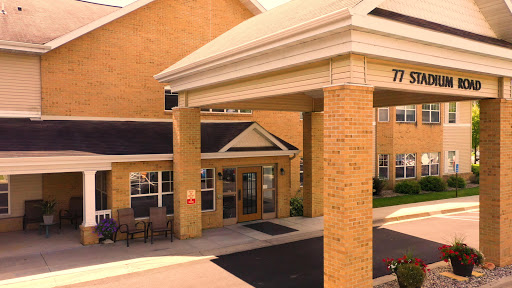
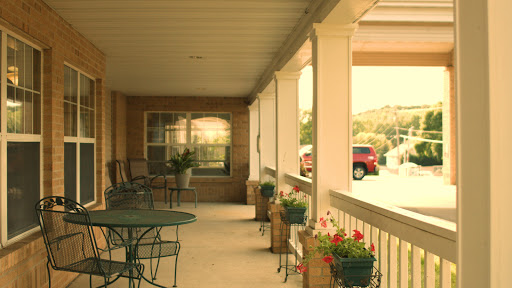



77 Stadium Road, Mankato, MN 56001
For more information about senior living options: (866) 208-4318
Overall Review of Laurels Edge Assisted Living
Pros
 Laurel's Edge offered engaging activities for residents, including exercises, swimming, card games, and puzzles.
- The staff were cordial, accommodating, and proactive in calling and following up.
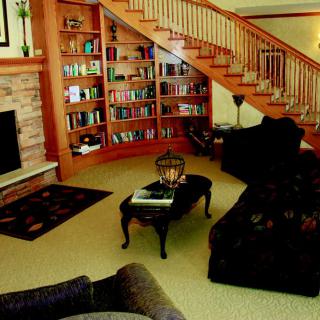
- The rooms were spacious and beautifully decorated.
- The facility provided amenities like a hair salon and offered manicures, which residents enjoyed.
- Families could join residents for meals, and staff were positive and helpful during end-of-life care.
- The certified nursing assistants seemed knowledgeable about what they were doing.
Cons
 Laurel's Edge staff failed to acknowledge the skin breakdown and related poor hygiene.
 - Residents were not changed or toileted as frequently as necessary, despite management assurances.
- The facility suffered from chronic short staffing, inattentive staff on cell phones, and unresponsive management.
- Leadership turnover was frequent, with managers coming and going like water through a sieve.
- The memory care area was dirty and smelled of urine and waste, making it an unacceptable environment.
- The facility was disorganized and late for appointments, with front-desk staff perceived as rude.
- The reviewer would not recommend Laurel's Edge, describing it as a disaster and urging others not to send loved ones there.
Review
Laurel's Edge Assisted Living in Mankato is best suited for families seeking an affordable, apartment-style option with built-in social programming and accessible amenities, provided there is a vigilant advocate ensuring care quality. The community can work for residents who value engagement, activities like exercises, games, swimming, and organized outings, and who appreciate conveniences such as a hair salon, manicures, and family-friendly dining options. It is less ideal for those with heavy or highly variable care needs unless a strong, consistent care team and dependable management can be demonstrated and maintained. In short, this is a practical choice when family oversight is possible and the priority is social integration and independent-leaning living more than hands-off, high-intensity caregiving.
Those considering alternatives should note that the most pressing red flags revolve around care reliability and management responsiveness. For residents who require constant supervision, robust memory-care protocols, or meticulous hygiene and safety practices, other communities may promise more predictable staffing and clearer accountability. If a history of turnover in leadership and frequent staffing shortages appear to persist, search for facilities with stronger, longer-tenured management and proven care metrics. Families with experiences like skin breakdown, unaddressed toileting needs, or persistent odor and cleanliness concerns should weigh options where direct oversight and transparent reporting are routine expectations rather than exceptions.
The strongest pros here, the spacious, apartment-style rooms, clear social programming, and tangible amenities, do provide meaningful benefits when care is dependable. Several reviews highlight pleasant dining environments, attentive activities staff, and opportunities for family participation in meals and events, which can translate into meaningful quality of life improvements. When these positives align with consistently attentive caregiving, Laurels Edge can feel like a comfortable, semi-independent setting that still delivers essential support. However, the weight of the cons in many accounts tips the balance away from a recommendation for families that cannot regularly verify ongoing staffing stability and care quality.
Care quality and staffing are the defining concerns. Reports of short-staffing, inattentive aides, and management that is difficult to reach or slow to respond create genuine risk for residents’ daily needs and safety. Specific incidents described, failure to change or toileting in a timely fashion, a skin breakdown that went unmentioned to the family, and a hospital trip that surfaced alarming gaps in oversight, signal entrenched process weaknesses rather than isolated lapses. On balance, these issues do not simply tarnish the experience; they redefine it as a facility where care reliability must be proven repeatedly, not assumed. Prospective residents should insist on concrete staffing ratios, frequent nurse manager presence, and transparent channels for escalating concerns before move-in.
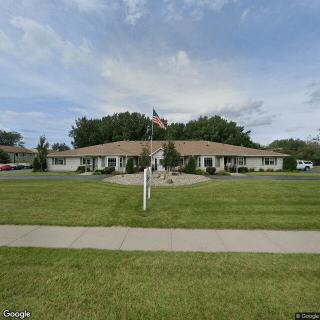
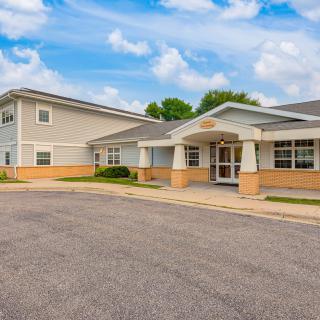
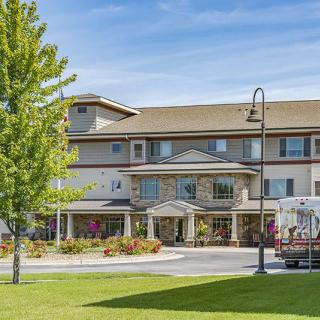
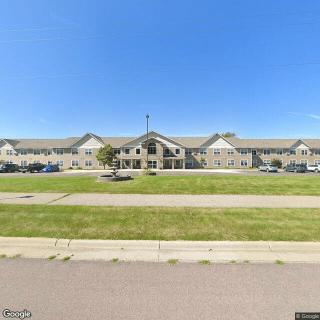
The environment itself presents a mixed picture. Some reviews paint Laurels Edge as clean, welcoming, and nicely appointed, with staff who are cordial and programs that keep residents engaged. Others describe a run-down exterior, peeling paint, lingering odors, and rooms that feel cramped or “shoe box” small. The truth seems to depend on the day and the specific unit; nonetheless, the most valuable differentiator is whether the setting truly supports consistent, respectful care at every shift. When the environment is coupled with a stable, capable team and reliable leadership, the overall experience shifts toward satisfactory social integration and quality of life. If cleanliness and ambiance are non-negotiables, this community requires careful corroboration beyond first impressions.
In making a decision, the practical framework is clear. For families with a capable advocate who can demand and verify high staffing levels, consistent caregiving, and transparent management, Laurels Edge offers a solid platform for an active, roommate-style living experience with engaging programming. For others, especially those with advanced memory-care needs or a history of care gaps, the prudent course is to compare alternatives backed by stronger memory-care oversight, cleaner facilities, and demonstrably stable leadership. Schedule multiple, unannounced visits, speak to current residents and independent sources, and request concrete data on staffing ratios, incident histories, and satisfaction metrics. The right choice will balance social vitality with unwavering, accountable care.
 21 resident community capacity
 1-bedroom apartments
 Assisted Living
 Memory Care
 Activities on-site
 Beauty salon
 Cable or satellite TV
 Devotional services off-site
 Dining room
 Fully furnished
 Garden
 Housekeeping services
 Indoor common areas
 Kitchenette
 Move-in coordination
 Outdoor space
 Respite or short term stays offered
 Telephone
 Wi-Fi/high-speed internet available
 24-hour call system
 Ambulatory care
 Assistance with bathing
 Assistance with dressing
 Assistance with transfers
 Diabetes diet
 Diabetic care
 Hospice waiver
 Meal preparation and service
 Medication management
 Mental wellness program
 Special dietary restrictions
 Transportation arrangement (medical)
 Transportation to doctors appointments

 Why Do Dementia Patients Sleep So Much? Understanding Oversleeping, Stages, and Care Approaches
 8 Key Indicators That Suggest It May Be Time to Transition from Assisted Living to Skilled Nursing Care
 Nourishing the Mind: Essential Dietary Approaches for Dementia