
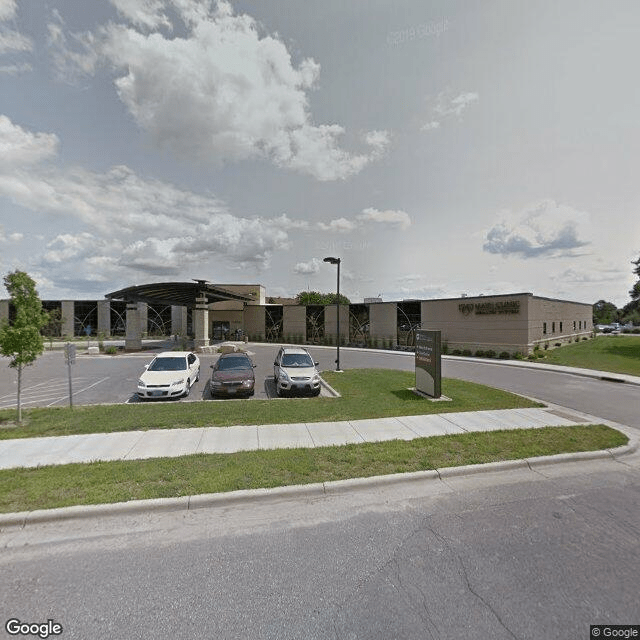
621 S 4th St, Le Sueur, MN 56058
To contact a resident: (507) 665-3375
For more information about senior living options: (866) 208-4318
Overall Review of Minnesota Valley Health Ctr
Pros
 The staff made her feel as if she were their only patient.
- She was showered with the best care, compassion, professionalism, and treated with skilled yet gentle hands.
- Her room was bright and sunny during the day and cozy warm at night, and was kept spotless.
- The PT staff were helpful and caring, helping her regain the ability to walk well enough to return home.
- The experience felt like a little bit of heaven in a very complex world.
- They treated her as if she were their own family, earning her trust.
- The staff were pleasant and helpful every time they entered her room.
- The hospital is highly recommended with a 5-star rating.
- The atmosphere included roaming cats that added a comforting touch.
Cons
 Everywhere they tried was full.
- It was cold in January.
- Trusting people they did not know with their almost 90-year-old mom was extremely hard.
- It's too bad mom and dad are separated.
- The hip surgery kind of zapped him and ran him down.
Review
Minnesota Valley Health Center in Le Sueur is best suited for seniors who need hospital-level, short-to-mid-term post-acute care and rehabilitation after surgery or injury, especially hip-related events. The swing-bed unit structure supports rapid admission and integrated rehab, with nurses and support staff who respond quickly and treat patients with genuine warmth. Care is delivered with a professional, skilled touch, and the rehab team, particularly the physical therapists, focuses on restoring mobility so that discharge home is a realistic goal. For families seeking a recovery-focused environment where staff treat a loved one like a priority rather than a routine patient, this center delivers measurable value in the recovery window.
For those weighing alternatives, consider long-term assisted living or memory-care communities that prioritize ongoing social programming, privacy, and around-the-clock supervision. If the objective extends beyond rehabilitation into sustained, daily living support with fewer hospital-like elements or specialized dementia care, other options may fit better. Larger urban facilities or dedicated senior campuses can offer broader activity schedules, more independent living amenities, and continuous staffing patterns that feel less episodic than a post-acute swing-bed stay. In short, MVHC shines in recovery care, but it may be less ideal for someone seeking a long-term, all-day living community.
The strongest pros center on exceptional bedside care and a focused rehab trajectory. Families repeatedly note compassionate, attentive nursing and medical staff who treated loved ones as individuals rather than moments in a chart. The atmosphere is patient-centric: admissions can be swift, rooms are bright, and cleanliness is evident in routine care. The rehab team’s hands-on approach helps patients regain mobility, with PT support that is collaborative and encouraging. Amenities like a roomy shower and a generally tidy, comforting room environment add practical relief for caregivers and patients alike, reinforcing trust in the care team during recovery.
On the downside, the swing-bed model inherently carries some limitations. Care tends to be organized around acute post-acute goals rather than long-term wellness and independent living, which can feel clinical to families seeking a home-like, life-enriching atmosphere. Availability and pace can vary with staffing and census, potentially affecting consistency in experiences across shifts. For anyone prioritizing a self-contained, 24/7 supervised living environment or specialized services, such as memory-care programming or extensive social activities packaged with long-term residence, MVHC may feel like a transitional stop rather than a permanent home.
Those trade-offs are offset by the facility’s unwavering focus on outcomes during the critical recovery phase. When a loved one has just faced surgery or a serious injury, the combination of vigilant nursing, rapid access to care, and proactive rehab planning can shorten hospital stays and shorten the road back to independence. The personal warmth that permeates daily care reduces stress for families and often translates into more consistent adherence to therapy plans. For families where safety, skilled nursing, and a clear discharge plan back home are paramount, Minnesota Valley Health Center delivers a compelling, accountable path to recovery.
In applying this decision to real-world choices, the recommendation is straightforward. If the priority is a high-quality, hospital-based environment that drives rehab gains and emphasizes compassionate, patient-first care, MVHC Le Sueur stands out. Before committing, however, confirm the anticipated length of stay under the swing-bed program, discuss the discharge planning timeline, and outline what post-acute supports will look like after leaving the center. Compare with nearby assisted living and memory-care options to ensure the chosen setting aligns with long-term goals, especially for anyone envisioning a transition from recovery to ongoing daily living. For eligible seniors and families valuing rapid, attentive rehabilitation and a respectful, home-like touch within a hospital framework, MVHC is a practical, confident choice.
 Skilled Nursing Facility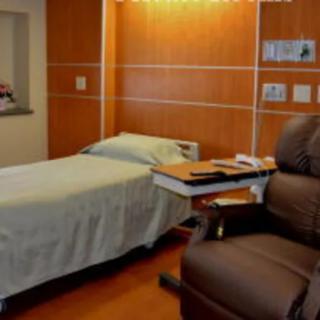

 Home Health Care Demystified: A Comprehensive Guide for Families and Caregivers
 Seniors and Modern Transportation: Exploring Uber, Lyft, and Other Ride-Hailing Options
 Comprehensive Guide to Qualifying for Home Health Care Services