
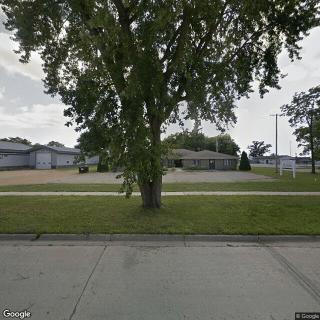
444 North Cordova, Le Center, MN 56057
For more information about senior living options: (866) 208-4318
Overall Review of Central Health Care
Pros
 They have nice nurses.
- The staff are very friendly and really care about their patients and their families.
- It is a great place to bring a loved one.
Cons
 The facility offers very poor physical therapy.
- Therapists allegedly performed therapy at night on the side, not during the day.
- The reviewer cautions families to investigate the facility before bringing a loved one there.
- The facility is accused of dishonesty.
- The facility allegedly refused to pay for three months of services rendered.
- The review implies this reveals the kind of business they operate.
- The reviewer advises going somewhere else.
Review
Central Health Care in Le Center, MN is best suited for families that prioritize a warm, person-centered atmosphere where caregivers genuinely connect with residents and their families. This community delivers a steady, day-to-day caregiving presence, with staff who seem to care about the person more than the process. It works well for someone who needs reliable companionship, daily assistance with activities of living, and a home-like environment where volunteers and nurses create a comforting routine. For a loved one who spends most days in need of basic support, help with dressing, hygiene, nutrition, and social engagement, Central Health Care can be a dependable fit that reduces family worry about oversight and day-to-day welfare.
However, several red flags emerge for families weighing alternatives. Those whose primary goal is aggressive rehabilitation or guaranteed, discipline-driven physical therapy should look elsewhere. The most troubling notes center on the quality and scheduling of therapy services, with one reviewer reporting that therapy was irregular and sometimes conducted by personnel who were not available during standard daytime hours. The impression left is that rehabilitative care may be inconsistent, which can be a decisive factor for anyone counting on meaningful progress after a hospital stay or in the ongoing management of a chronic condition. For families whose loved one depends on a robust therapy plan to regain or maintain mobility, Central Health Care may fall short.
The strongest upside is the staff’s evident warmth and attentiveness. Reviews repeatedly highlight friendly, caring caregivers who treat residents with respect and make room for family involvement. When a loved one is nervous about transitions to an unfamiliar setting, that kind of atmosphere matters a great deal. Families may feel that their relative is seen, listened to, and comforted by people who remember personal details and preferences. This relational strength can translate into better daytime mood, more consistent daily routines, and a sense of security for family members who cannot be present all day. The social fabric of the community, friendly aides, patient-centered gestures, and a welcoming resident culture, can compensate to some degree for other service gaps.
Yet the more troubling aspects cannot be dismissed. Billing practices described by a reviewer who claims to have been left with unpaid charges for months raise legitimate concerns about transparency and financial integrity. When a facility’s financial conduct is questioned, it erodes trust at a fundamental level and makes families hesitant to rely on the setting for long-term caregiving. Coupled with the PT concerns, the financial claims compound the risk that a resident’s care plan could be disrupted by funding disputes or service interruptions. In practical terms, even the best-hearted staff cannot fully mitigate a family’s unease when money matters appear unsettled or unclear.
Against this backdrop, the core calculus becomes clear: if rehabilitation and transparent, predictable billing are non-negotiable requirements, Central Health Care may not meet expectations. The positive, non-clinical strengths, staff warmth, daily support, and a home-like daily rhythm, are meaningful but not sufficient to compensate for inconsistent therapy and potential billing irregularities. For a resident who mainly requires custodial care, social engagement, and dependable routine, these strengths can be decisive. For anyone whose plan hinges on regular, outcome-focused physical therapy, the identified gaps will be hard to overlook.
Looking ahead, families can approach a decision with a practical, measures-based mindset. First, request a detailed rehabilitation schedule and a trial period for PT with clearly stated daytime hours, goals, and weekly progress notes. Confirm who the licensed therapists are, their qualifications, and whether therapy is consistently delivered in-house or outsourced. Second, obtain a transparent, written billing and payment policy, including up-front costs, ancillary charges, and a clear process for resolving disputed charges. If a long-standing question about payments exists in the family’s checks-and-balances, that red flag deserves a higher priority than word-of-mouth assurances. Third, tour during a typical weekday and speak with current residents and families about daily routines, responsiveness to concerns, and how quickly issues are resolved. Finally, compare with nearby options that emphasize stronger rehab programs and documented financial integrity to see if those packages provide a better return on investment for the specific care goals.
In sum, Central Health Care is a practical option for families who prize compassionate, personable caregiving and a welcoming environment for a loved one who primarily needs assistance with daily living and social engagement. It is less advisable for those whose top priorities include robust, dependable physical therapy and unambiguous, trustworthy billing. While staff warmth and family involvement are clear strengths, the combination of inconsistent therapy delivery and the potential for financial disputes creates a risk calculus that cannot be ignored. If the decision hinges on comfort, continuity, and a nurturing day-to-day presence, this community can satisfy those needs. If the decision hinges on rehabilitative outcomes and financial transparency, explore alternatives that deliver stronger therapy consistency and clearer, verifiable billing.
 40 resident community capacity
 Skilled Nursing Facility
 Beauty salon
 Cable or satellite TV
 Dining room
 Fully furnished
 Garden
 Housekeeping services
 Kitchenette
 Move-in coordination
 Outdoor space
 Restaurant-style dining
 Small library
 Telephone
 Wi-Fi/high-speed internet available
 24-hour call system
 Activities of daily living assistance
 Assistance with bathing
 Assistance with dressing
 Assistance with transfers
 Diabetes diet
 Medication management
 Mental wellness program
 Special dietary restrictions

 9 Stimulating Memory Activities for Seniors: Puzzles, Cards, and Much More
 Managing Nursing Home Expenses After Medicare Coverage Ends
 Is a Geriatric Care Manager the Right Choice for Your Family?