
16561 Us Highway 10, Lake Park, MN 56554
For more information about senior living options: (866) 208-4318
Overall Review of Sunnyside Care Center - Lake Park
Pros
 The physical therapy workers seemed very good.
- They had larger rooms.
- It was nice that he could be wheeled outside in his wheelchair to have a cigarette if he wished.
Cons
 The staff is slow and care is minimal.
- The staff is combative, and cameras were used to monitor what mom was receiving.
- The cameras are turned off constantly for no reason, suggesting something to hide.
- Upper management cuts off all communication when there is disagreement.
- The facility seems suitable only for those who can fend for themselves; those needing a lot of care should not go there.
- The family is not welcome and their presence feels intrusive.
- The food is average, like cafeteria fare.
Review
Sunnyside Care Center in Lake Park is best suited for seniors who mostly manage with light to moderate assistance, value roomy living spaces, and want a facility where rehabilitation services are present and accessible. The combination of sizable rooms and a physical therapy staff that some residents found capable creates a practical option for those who can largely supervise their own daily needs but may require occasional mobility support or rehab during recovery. Families should expect a setting that tolerates greater resident autonomy and offers opportunities to engage in outdoor time and routine activities, provided the resident’s needs stay within a moderate care envelope.
Those who should seriously consider alternatives are residents with higher care needs or families seeking tight, transparent oversight and consistently responsive staff. The reviews highlight a pattern of slow or minimal care, with several accounts describing limited attention to daily assistance and weak responsiveness when concerns are raised. Communication, especially with leadership, appears fragile at times, and when disagreements arise, the impression is that families may experience reduced access to updates or backchannel pushback. For anyone prioritizing dependable, proactive care management and frequent, constructive family-staff dialogue, other options will likely deliver more peace of mind.
The most credible positives point to two core assets: rehabilitation capability and living space that supports independence. Physical therapy staff is repeatedly singled out as competent, which matters for residents recovering from a fall or planning short-term mobility gains. Larger rooms also contribute to a sense of dignity and ease of navigation for wheelchairs or walkers. Additionally, there is a practical, almost old-school perk for certain residents: the ability to spend time outdoors in a wheelchair and to have a cigarette outside if that is part of the resident’s routine. For families where rehab referrals and private layout matter more than boutique amenities, these factors carry real weight.
However, the downsides are consequential and cannot be dismissed as minor rough edges. The most troubling themes involve staff responsiveness and overall care intensity: care described as slow or minimal, with grown‑up supervision sometimes overshadowed by gaps in daily assistance. The sense that staff can be combative or disengaged when concerns are raised undermines trust. More troubling still is the reported pattern of upper management cutting off communication with families who disagree or push for explanations. In a setting where safety and timely aid are paramount, such communication failures erode confidence that the facility will reliably support a resident through fluctuating health needs.
Ultimately, the pros and cons must be weighed against core care expectations. The solid rehab capability and the roomy, accommodating living spaces address mobility and independence fairly well, but they do not compensate for persistent gaps in daily care, slow response times, and fragile staff-family communication. For a resident who can stay within a moderate level of assistance and who values rehabilitation access and a less restrictive daily routine, Sunnyside offers a workable option. For anyone who requires steady hands-on care, quick problem resolution, or a consistently collaborative relationship with administration, the risks outweigh the possible comforts.
Practical next steps for families considering Sunnyside are clear. Request a front‑line tour with a care director to observe how aides engage residents in real-time, not just in idealized demonstrations. Inquire about current staffing ratios during peak hours and what containment plans exist when needs surge. Ask for examples of how family concerns are documented and escalated, and request direct contact with a supervisor who can provide timely updates. Verify that the resident’s care plan explicitly outlines daily assistance, mobility support, and medication management, and confirm whether outdoor time and smoking policies align with the resident’s preferences and safety requirements. If these factors align, Sunnyside may fit a transitional or relatively independent profile; if not, consider facilities with stronger oversight, more consistent caregiving, and a culture of open, ongoing family communication.
 30 resident community capacity
 Skilled Nursing Facility
 Beauty salon
 Cable or satellite TV
 Dining room
 Fully furnished
 Garden
 Housekeeping services
 Kitchenette
 Move-in coordination
 Outdoor space
 Restaurant-style dining
 Small library
 Telephone
 Wi-Fi/high-speed internet available
 24-hour call system
 Activities of daily living assistance
 Assistance with bathing
 Assistance with dressing
 Assistance with transfers
 Diabetes diet
 Medication management
 Mental wellness program
 Special dietary restrictions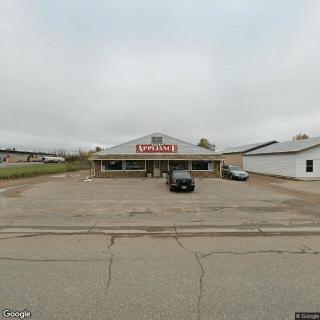



 Fecal Incontinence in Older Adults: A Comprehensive Guide
 Recognizing the Journey: Understanding and Navigating Anticipatory Grief
 Encouraging Participation in Adult Day Care: A Guide to Supporting a Hesitant Parent