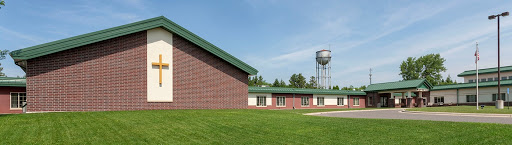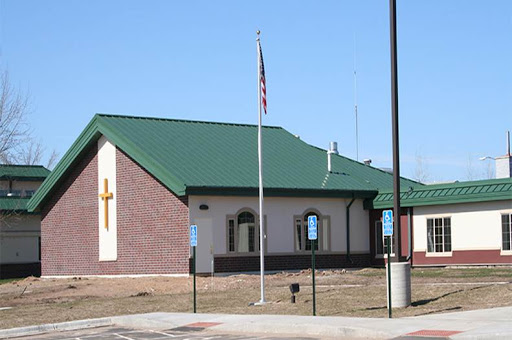
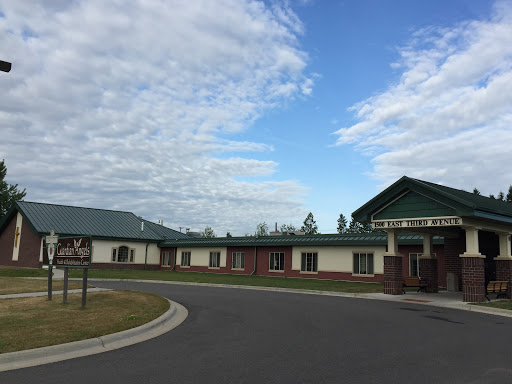
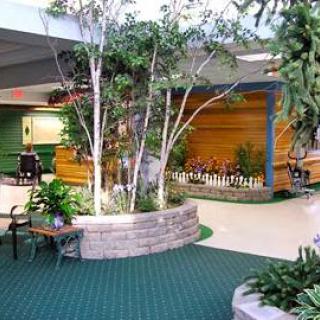

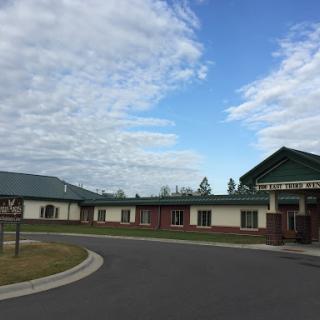

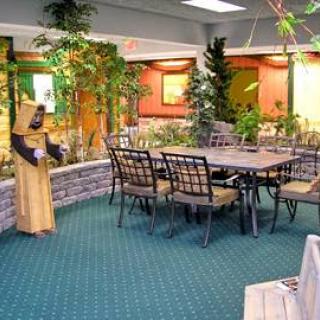
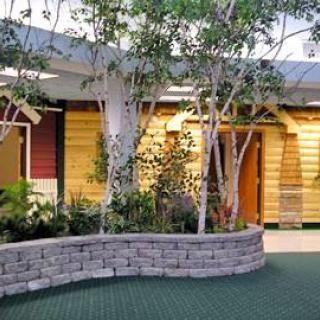

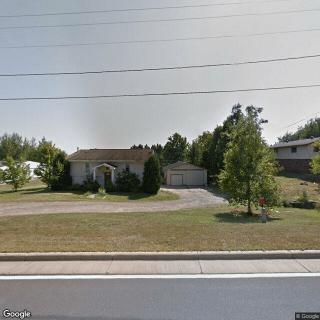
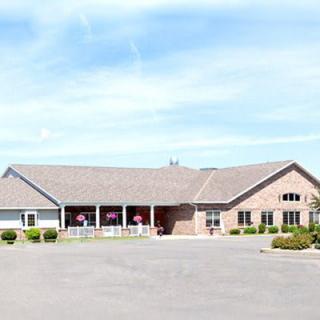
1500 East Third Avenue, Hibbing, MN 55746
For more information about senior living options: (866) 208-4318
Overall Review of Guardian Angels Health & Rehab Center
Pros
 The patient received excellent care at Guardian Angels Health and Rehabilitation Center.
- The nurses and aides were wonderful and genuinely cared about the patient’s wellbeing.
- The staff made sure the patient had what they needed, including bringing coffee first thing in the morning.
- The care, concern, and love from the staff were appreciated.
- Tina R. was praised as a good Samaritan who rescued the reviewer.
Cons
 The patient was dropped from four feet during a hoyer lift due to an improperly secured harness, resulting in brain bleeds.
- The reviewer would not recommend this facility to anyone needing care.
- The care for the elderly at the facility is described as very poor.
- The mom was charged $8000 per month but did not receive high-quality care.
- The staff tell clients what they think they want to hear but do not follow through.
- The grandmother fell and remained undiscovered for a while, with blood dried in her hair.
- The facility looks nice but is described as horrible, and the reviewer would give it a zero if possible.
- The reviewer states the place is a great place to go if one wants to give up on life.
Review
Guardian Angels Health & Rehab Center in Hibbing, MN is best suited for families prioritizing warm, person-centered care from frontline staff and for residents who may benefit from a recovery-focused stay close to home. The strongest upside shown in multiple accounts is a caregiving team that engages with residents on a personal level, with nurses and aides who are attentive to daily needs and comfort. In some cases, residents report thoughtful touches, such as morning coffee brought to the bedside, and staff who are genuinely caring. For short-term rehab or post-hospital recovery where close, compassionate contact with caregivers matters, this community can deliver meaningful, depends-on-the-day support that feels hands-on and attentive.
Those who should consider alternatives are families focused on rigorous safety performance and consistent clinical oversight. The review pool includes repeatedly sobering safety concerns, falls, head injuries, and delayed recognition of medical issues, that raise flags about risk management and response times. For residents with higher supervision needs, complex medical conditions, or a low tolerance for safety incidents, the provider’s track record may not align with expectations for reliable protection and proactive problem-solving. In short, if safety transparency and predictable clinical follow-through are non-negotiable, other options deserve careful comparison.
The most convincing pros come from instances where staff demonstrated genuine kindness, responsiveness, and hands-on care. Positive voices emphasize that caregivers take initiative to meet personal needs, and some residents benefited from attentive, approachable nursing and supportive aides. A particular staff member is highlighted for going above and beyond, underscoring the potential for standout bedside care when team dynamics align. These strengths suggest a facility where the daily human connection can be strong, and where short intervals of excellent care are possible even amid broader organizational challenges.
However, those advantages are sharply challenged by several high-stakes concerns. A quéserous set of reviews documents severe safety failures: a patient was dropped during a transfer after a harness was misapplied, leading to brain injuries; another resident experienced a significant fall with head injury that went unaddressed for too long; a third case describes a serious urinary tract infection that escalated to hospitalization, signaling gaps in monitoring and timely intervention. In addition, multiple families report that staff may say what families want to hear rather than following through, raising questions about accountability and communication. Taken together, these red flags strongly temper any warmth from individual caregiving moments and point to systemic safety vulnerabilities.
From a practical decision-making standpoint, families evaluating Guardian Angels should prioritize concrete assurances. Ask for detailed incident reporting procedures, fall-prevention strategies, and staffing ratios across shifts. Request examples of how care plans are updated in response to evolving medical needs, and insist on timely escalation protocols for warning signs of infection or delirium. Speak with current residents and families about response times, transparency, and how management addresses mistakes. If remaining under consideration, negotiate clear performance milestones and a temporary trial period with measurable safety improvements, coupled with ongoing access to outside clinical oversight if needed. The aim is to convert caring intentions into consistently reliable protection.
In the end, Guardian Angels Health & Rehab Center presents a mixed proposition. For families prioritizing personal warmth and meaningful daily attention, with the understanding that quality can vary by shift and situation, the center can deliver notable, compassionate care. For those who cannot tolerate serious safety incidents or inconsistent follow-through, alternatives with demonstrably stronger safety records and steadier clinical management should be pursued. Tour thoroughly, ask hard questions, and weigh the likelihood of reliable safety and transparent accountability as heavily as the goodwill and bedside kindness. The right fit hinges on balancing those front-line strengths against the unmistakable safety concerns that appear repeatedly in the reviews.
 90 resident community capacity
 Skilled Nursing Facility
 Air-conditioning
 Beauty salon
 Cable or satellite TV
 Computer center
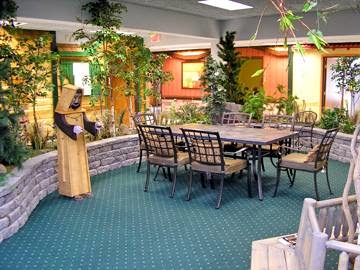
 Dining room
 Fitness room
 Fully furnished
 Gaming room
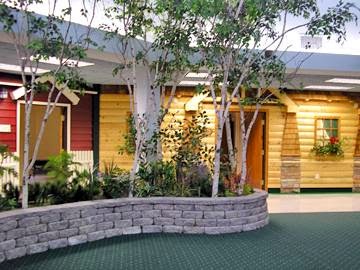
 Garden
 Housekeeping services
 Kitchenette
 Move-in coordination
 Outdoor space
 Private bathrooms
 Restaurant-style dining
 Small library
 Telephone
 Wellness center
 Wi-Fi/high-speed internet available
 Chisholm-Hibbing (11 miles away)
 Community operated transportation
 12-16 hour nursing
 24-hour call system
 Activities of daily living assistance
 Assistance with bathing
 Assistance with dressing
 Assistance with transfers
 Diabetes diet
 Medication management
 Mental wellness program
 Special dietary restrictions
 Concierge services
 Planned day trips

 Understanding the Nuances of Palliative Care and Hospice: A Comprehensive Exploration
 Fecal Incontinence in Older Adults: A Comprehensive Guide
 Nurturing Well-Being Through Gardening: A Detailed Guide for Senior Enthusiasts