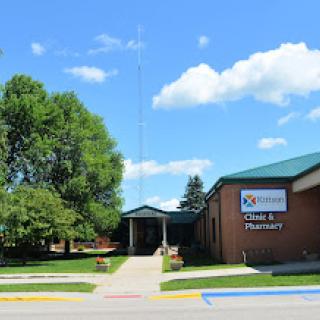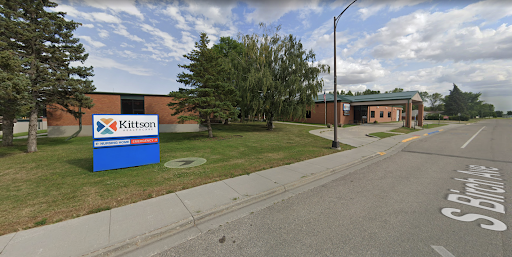
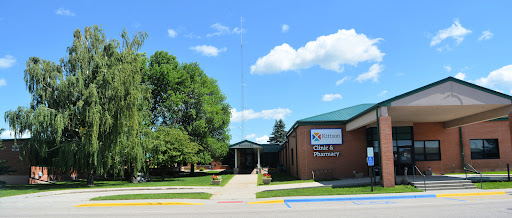

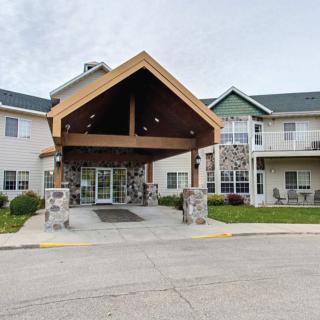
1010 South Birch, Hallock, MN 56728
For more information about senior living options: (866) 208-4318
Overall Review of Kittson Memorial Healthcare Center
Pros
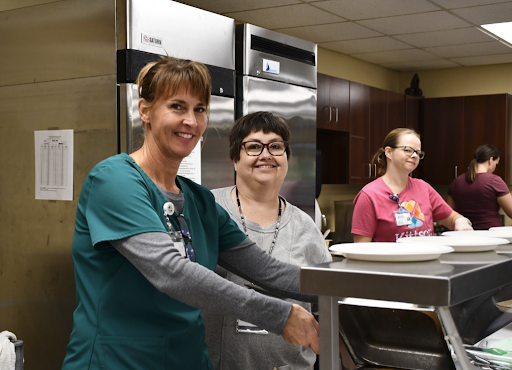
 The staff are compassionate and go above and beyond for their patients.
- The nurses and doctors provide attentive, personalized care that makes patients feel supported and valued.
- Hallock is lucky to have such a dedicated healthcare team serving the community.
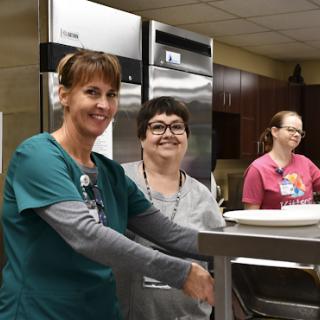
- The hospital is a wonderful small-town hospital with fantastic and friendly staff.
Cons
 The place is horrible.
- They couldn't remove the earwax buildup.
- The ER doctor refused to prescribe any comfort meds for the symptoms.
- The patient waited for a long time and no one checked in for 30 minutes.
- The doctor was away for an extended period, walking his dog, before apologizing.
- The ER charges were excessive and they could have helped with cleaning the ear and providing comfort meds.
Review
This community is best suited for seniors who prize a high-touch, relationship-driven care experience delivered by a devoted staff within a small-town hospital setting. The hallmarks are perceptible in the way nurses and physicians are described, attentive, patient-focused, and genuinely committed to making residents feel valued. For families seeking a place where caregivers know the resident’s name, history, and preferences, and where care feels personal and steady, this center offers a compelling fit. The combination of a tight-knit team and a reassuring, familiar environment can translate into strong day-to-day continuity and a sense of security that matters in chronic or long-term planning.
Those who should consider alternatives are primarily the families facing acute or rapid-onset medical needs, or those who require consistently brisk, decisive emergency care. If the plan hinges on rapid pain relief, timely testing, aggressive management of urgent symptoms, or comprehensive after-hours responsiveness, the small-town setting may not meet those expectations. Additionally, for residents who want high-volume specialty access, aggressive care coordination, or seamless integration with a wide network of specialists, a larger, more metropolitan facility could offer a better fit. In short, this center shines in consistency of attention; it can fall short for high-velocity, high-acuity scenarios.
The most compelling pros center on the human element: compassionate staff who truly go above and beyond and a team that delivers attentive, personalized care. Reviews repeatedly praise how clinicians make residents feel supported and valued, underscoring a culture of empathy and respect. The small-town hospital vibe fosters trust, with staff familiarity and a sense that someone is in your corner. These strengths can translate into higher satisfaction for everyday health needs, medication management, and routine symptom monitoring. When care hinges on listening and tailoring responses to individual preferences, this environment delivers measurable benefits that other settings might struggle to replicate.
Yet the same strengths illuminate the most significant drawbacks. A subset of experiences points to delays and gaps in urgent care, including long waits and moments when relief or decisive action was not immediately forthcoming. One reviewer described an ER visit where comfort meds were not provided and triage decisions felt slow, accompanied by a notable lapse in timely follow-up. Another account suggested a mismatch between expectations and the level of immediate intervention, with a physician apologizing for delays. The recurring implication is that, for emergencies or complicated symptoms requiring rapid stabilization, the center’s strengths in personal attention may not fully compensate for slower response times or limited on-site capabilities.
How the positives can offset the negatives lies in aligning care goals with what the center does best. For residents who value relational care, continuity, and a trusted care team, the advantages of personalized attention can mitigate concerns about delays in non-urgent situations. Families should plan for a healthcare partnership that emphasizes ongoing management, clear communication, and proactive symptom tracking, while acknowledging that acute crises may demand outside, more robust emergency resources. In practice, this means leveraging the staff’s strengths, daily consistency, mindful listening, and resident-centered decision-making, while maintaining a practical plan for escalation to larger facilities when urgent care needs exceed local capacity.
In the end, Kittson Memorial Healthcare Center offers a compelling option for families prioritizing humane, attentive care within a close-knit community framework. It stands out when the goal is to cultivate trust, enjoy consistent caregiver relationships, and benefit from a staff that feels like part of the family. However, for those with significant emphasis on rapid emergency intervention, extensive specialist access, or consistently brisk acute care, alternatives may be preferable. The mixed but generally strong feedback, numerous five-star testimonies alongside a small number of sharp warnings, maps a clear decision: this center excels as a dependable, relationship-driven home base for many seniors, but it should be paired with a concrete plan for emergencies and higher-acuity needs when required.
 60 resident community capacity
 Assisted Living
 Skilled Nursing Facility
 Activities on-site
 Air-conditioning
 Beauty salon
 Cable or satellite TV
 Computer center
 Devotional services off-site
 Dining room
 Fitness room
 Fully furnished
 Gaming room
 Garden
 Housekeeping services
 Indoor common areas
 Kitchenette
 Move-in coordination
 Outdoor space
 Private bathrooms
 Restaurant-style dining
 Small library
 Telephone
 Wellness center
 Wi-Fi/high-speed internet available
 Community operated transportation
 12-16 hour nursing
 24-hour call system
 Ambulatory care
 Assistance with bathing
 Assistance with dressing
 Assistance with transfers
 Diabetes diet
 Diabetic care
 Medication management
 Mental wellness program
 Special dietary restrictions
 Concierge services
 Planned day trips
 Assisted Living Expenses and Long-Term Care Insurance: A Comprehensive Exploration
 Securing Financial Support for Assisted Living: A Comprehensive Overview
 Social Security Benefits and Assisted Living: Navigating Options Across the U.S.