The Meadows II in Karlstad, MN

Information last verified:

306 Washington Avenue West, Karlstad, MN 56732

For more information about senior living options: (844) 490-3973

4.3 from 3 reviews
5 stars
2
4 stars
0
3 stars
1
2 stars
0
1 stars
0

Overall Review of The Meadows II

Pros

  • pro The staff were kind, welcoming, and warm, and they were patient through the grandmother’s evaluation.
  • pro They provided a realistic and empathetic explanation that the grandmother needed a higher level of care, and that gentle reality check was incredibly helpful.
  • pro The family felt supported in a way they didn’t expect during the tour and evaluation.
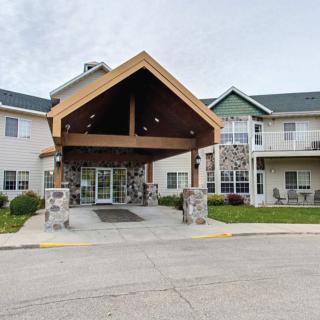
  • pro The Meadows of Karlstad offered a welcoming atmosphere and an apartment that made the mother feel at home.
  • pro The staff at Meadows were very good and very helpful.
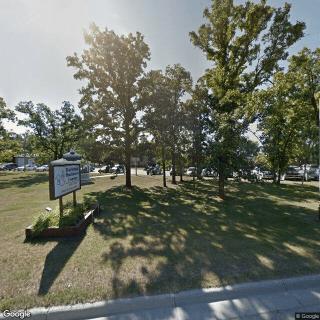
  • pro The facility is very nice, with a pleasant courtyard and outdoor seating.
  • pro The small size of the care center helped the grandparents feel like individuals, not numbers.
  • pro They advise that it is better to move in sooner than later.

Cons

  • pro They felt sad they missed the chance to move their grandma earlier, believing it would have improved her quality of life.
  • pro They believed the facility did not have enough staff to run the care center.
  • pro The nurses never seemed like they really wanted to be at their jobs.
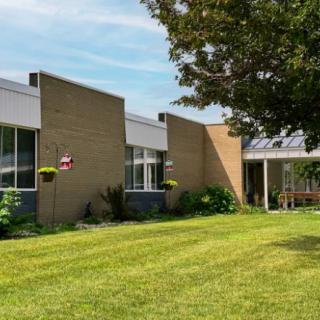
  • pro The facility itself could use some updating.

Review

The Meadows II in Karlstad is best suited for families seeking a small, intimate assisted-living option where residents are treated as individuals and care planning is approached with candor. This community shines for seniors whose families value a welcoming, home-like atmosphere and want a clear, honest conversation about what level of care is realistic now and what might be needed down the road. The strength here is not glossy claims but people who respond with warmth and patience during evaluations, coupled with a sense that residents are seen as more than a number. In practice, the setting appeals to families whose loved ones appreciate a modest-scale environment, a courtyard and a view of surroundings that feel calm and approachable, and a location where old connections and hometown ties can matter in daily life.

Those who may want to consider alternatives are precisely those who require consistently robust nursing coverage or who anticipate rapid escalation to higher levels of care. One reviewer noted concerns about staffing, specifically that the nurses did not always convey strong engagement or enthusiasm for their roles, which can be a red flag for families counting on steady, proactive care. The facility’s small size is a double-edged sword: it creates a non-clinical, personal feel, but it also limits resources and the capacity to absorb heavy or complex needs without external support. Additionally, while the environment is pleasant and personal, the building itself could use updating, which matters for families prioritizing modern amenities or more dynamic programming. For residents with demanding medical schedules, intense therapy requirements, or frequent clinical oversight, this option may fall short.

The strongest offset to these concerns lies in the genuine warmth of staff and the meaningful orientation towards honest care planning. The most meaningful pro is the staff’s kindness and willingness to explain realistic expectations, an approach that avoids overpromising and helps families align hopes with what is practical. Families repeatedly valued the way the team explained when a loved one should consider a higher level of care, rather than pushing a move that might not be appropriate yet. The atmosphere, too, contributes to quality of life: a welcoming apartment, a sense of home, and the feeling that relationships with caregivers are personal rather than procedural. For residents who prize personal attention, the small-care-center dynamic can translate into more individualized interactions, less episodic churn, and a quieter, more predictable daily rhythm.

On the other hand, the explicit concerns about staffing morale and facility modernization cannot be dismissed. The impression that nurses did not seem enthusiastic about their work points to potential variability in day-to-day care and response times, especially as needs intensify. That risk is amplified by the acknowledgment that the building could use updates, which can influence comfort, safety perception, and accessibility of certain services. The combination of potential staffing stress and older physical plant means careful monitoring is essential: families should inquire about current staffing ratios, turnover, on-site presence of licensed nurses, and the mechanisms in place to ramp up care if a resident’s condition worsens. The small footprint of the campus may mean fewer on-site resources and limited specialist programming, making it important to confirm what is achievable in practice.

For families navigating a choice in Karlstad, a practical decision framework emerges. The Meadows II is a compelling option for those who value candid guidance and a community where residents are treated with dignity and personal regard, and where ties to family and hometown networks can sustain a sense of belonging. It works best when a loved one stands at a transition point, able to live in a supportive assisted-living setting now, with a clear plan for escalation if needed, rather than when a rapid, complex medical trajectory is anticipated. Prospective residents should verify the current staffing climate and the extent of nursing coverage, as well as what modernization projects are planned and how they will affect daily routines and safety. Above all, the decision should weigh whether the intimacy and warmth of a small setting outweigh the potential need for greater clinical depth or more modern amenities in the near term.

In sum, The Meadows II delivers a pragmatic, resident-centered home atmosphere with compassionate, honest staff and a sense of community that can significantly enhance quality of life for the right person. It is especially well-suited for families seeking an intimate environment where caregivers treat residents as people with histories, preferences, and connections to the area. However, potential residents should enter with eyes open about staffing realities and modernization needs, and should have a clear plan for escalation if care needs rise beyond the assisted-living level. If a resident’s priority is staying connected to familiar surroundings and receiving personalized attention within a small, approachable campus, and if honest, proactive care conversations matter more than high-end amenities, The Meadows II warrants strong consideration. If not, alternatives with deeper clinical depth or more comprehensive facility updates may serve better those with higher or more immediate care demands.

Features

Housing

  • 21 resident community capacity 21 resident community capacity

Types of Care

  • Assisted Living Assisted LivingAssisted living facilities provide crucial support and care for seniors who may need help with daily tasks such as medication management, bathing, and meal preparation. These communities offer a safe and comfortable environment where seniors can maintain their independence while receiving the assistance they need to thrive in their golden years.

Amenities

  • Beauty salon Beauty salonBeauty salons are important for seniors because they provide a space for them to feel pampered, socialize, and maintain their personal grooming and hygiene. Regular visits to a beauty salon can help boost seniors' self-esteem and overall well-being.
  • Cable or satellite TV Cable or satellite TVCable or satellite TV is important for seniors because it provides entertainment, news, and companionship, helping to combat loneliness and boredom. It also offers a wide range of programming options tailored to different interests and preferences.
  • Dining room Dining roomDining rooms are important for seniors as they provide a space for socialization, connection, and nutritious meals. They offer opportunities for residents to bond over shared meals, foster a sense of community, and promote healthy eating habits. Dining rooms also ensure that seniors have access to well-balanced meals tailored to their dietary needs and preferences.
  • Fully furnished Fully furnishedFully furnished senior living communities are important for seniors because they provide convenience, comfort, and a hassle-free moving experience. Seniors can easily settle into their new living space without the stress of having to buy and move furniture. This allows them to focus on enjoying their new home and community.
  • Garden GardenGardens are important for seniors as they provide a peaceful and therapeutic environment for relaxation, physical activity, and socialization. Being in nature has been shown to reduce stress, improve mood, and promote overall well-being. Gardens also offer opportunities for seniors to engage in gardening activities, which can improve mobility, flexibility, and cognitive function. Additionally, gardens create a sense of community and connection with others who share a passion for plants and outdoor spaces.
  • Housekeeping services Housekeeping servicesHousekeeping services are important for seniors because they help maintain a clean and safe living environment, promote independence, and reduce the risk of accidents or illnesses. Additionally, having assistance with household chores can alleviate physical strain and allow seniors to focus on other aspects of their well-being.
  • Kitchenette KitchenetteKitchenettes are important for seniors living in senior living communities because they provide the convenience and independence of being able to prepare simple meals and snacks in the comfort of their own living space. This can help promote a sense of autonomy and well-being for seniors, allowing them to maintain some level of control over their dietary choices and daily routines.
  • Move-in coordination Move-in coordinationMove-in coordination is important for seniors because it helps ease the transition into their new living environment. It ensures that all logistics, such as packing, organizing movers, and setting up utilities are taken care of, allowing seniors to focus on settling in and adjusting to their new home. Having a smooth move-in process can alleviate stress and anxiety, making the transition smoother and more enjoyable for seniors.
  • Outdoor space Outdoor spaceOutdoor spaces are important for seniors as they provide opportunities for physical activity, social interaction, exposure to natural light and fresh air, and a sense of connection to nature. Having access to outdoor spaces can improve overall well-being and quality of life for older adults living in senior communities.
  • Telephone TelephoneTelephones are important for seniors as they provide a lifeline for communication with loved ones, emergency services, and healthcare providers. They offer a sense of security and independence, enabling seniors to stay connected and access assistance when needed.
  • Wi-Fi/high-speed internet available Wi-Fi/high-speed internet availableWi-Fi/high-speed internet is important for seniors to stay connected with loved ones, access online resources, and participate in virtual activities to combat feelings of loneliness and isolation. It also allows them to easily manage healthcare needs, access entertainment, and engage in lifelong learning opportunities.

Care Services

  • 24-hour call system 24-hour call system24-hour call systems are important for seniors because they provide peace of mind and immediate assistance in case of emergencies. This technology ensures that help is always available, promoting safety and security for elderly individuals living alone or in assisted living facilities.
  • 24-hour supervision 24-hour supervision24-hour supervision is important for seniors to ensure their safety, well-being, and access to immediate assistance in case of emergencies or health issues. This constant support provides peace of mind for both seniors and their loved ones, allowing them to age in place with dignity and security.
  • Activities of daily living assistance Activities of daily living assistanceActivities of daily living assistance are important for seniors because they provide essential support with tasks such as eating, bathing, dressing, and mobility. This assistance helps seniors maintain their independence, dignity, and overall quality of life as they age.
  • Assistance with bathing Assistance with bathingAssistance with bathing is crucial for seniors as it helps maintain personal hygiene, prevents infections, and ensures their overall well-being and comfort. It also provides a sense of dignity and independence for seniors who may struggle with this task on their own.
  • Assistance with dressing Assistance with dressingAssistance with dressing is important for seniors because it helps maintain their independence, promotes personal hygiene, prevents accidents and injuries, and improves overall quality of life. This service ensures that seniors can continue to dress comfortably and confidently, despite any physical limitations they may have.
  • Assistance with transfers Assistance with transfersAssistance with transfers is crucial for seniors as it helps prevent falls and injuries, maintains their independence, and ensures they can safely navigate their living environment. It also provides peace of mind for both seniors and their loved ones.
  • Coordination with health care providers Coordination with health care providersCoordination with health care providers is crucial for seniors to ensure proper medical care, medication management, and overall well-being. This collaboration helps prevent overlapping treatments, track progress more effectively, and provide comprehensive support tailored to individual needs.
  • Diabetes diet Diabetes dietA diabetes diet is crucial for seniors as it helps manage blood sugar levels, reduce risks of complications, and improve overall health and well-being. By following a balanced and nutritious diet tailored to their specific needs, seniors can better control their diabetes and enhance their quality of life.
  • Meal preparation and service Meal preparation and serviceMeal preparation and service are crucial for seniors as they may have limited mobility or energy to cook nutritious meals. Having access to healthy and convenient food options can ensure they are getting the proper nutrition needed to maintain their overall health and well-being.
  • Medication management Medication managementMedication management is crucial for seniors to ensure they are taking the right medications at the correct dosages and times. This helps prevent adverse drug interactions, reduces the risk of medication errors, and promotes overall health and well-being. Proactive management also allows for adjustments as needed based on changing health conditions or new prescriptions.
  • Mental wellness program Mental wellness programMental wellness programs are essential for seniors as they promote cognitive stimulation, emotional support, and social engagement. These programs help prevent isolation, depression, and cognitive decline, ultimately enhancing the overall quality of life for older adults.
  • Special dietary restrictions Special dietary restrictionsSpecial dietary restrictions are important for seniors because age-related changes in metabolism and health conditions can make it difficult for their bodies to process certain foods. By following a diet tailored to their specific needs, seniors can maintain their overall health and well-being, manage chronic conditions, and reduce the risk of complications such as malnutrition or food interactions with medications.
  • Transportation arrangement (medical) Transportation arrangement (medical)Transportation arrangements for medical purposes are essential for seniors as they may have difficulty driving themselves to appointments or accessing public transportation. Having reliable and safe transportation options ensures that seniors can receive timely medical care and maintain their health and well-being.
  • Transportation to doctors appointments Transportation to doctors appointmentsTransportation to doctors' appointments is crucial for seniors as it ensures they have access to necessary medical care and support for their health needs. Without reliable transportation, seniors may struggle to attend important appointments, leading to potential delays in treatment and health complications. Providing transportation services helps seniors maintain their overall well-being and quality of life.

Dining

  • Diabetes diet Diabetes dietA diabetes diet is crucial for seniors as it helps manage blood sugar levels, reduce risks of complications, and improve overall health and well-being. By following a balanced and nutritious diet tailored to their specific needs, seniors can better control their diabetes and enhance their quality of life.
  • Special dietary restrictions Special dietary restrictionsSpecial dietary restrictions are important for seniors because age-related changes in metabolism and health conditions can make it difficult for their bodies to process certain foods. By following a diet tailored to their specific needs, seniors can maintain their overall health and well-being, manage chronic conditions, and reduce the risk of complications such as malnutrition or food interactions with medications.

Activities

  • Community-sponsored activities Community-sponsored activitiesCommunity-sponsored activities are important for seniors as they provide opportunities for social interaction, mental stimulation, and physical activity. These activities can help improve overall well-being, combat loneliness and isolation, and promote a sense of belonging and purpose among older adults.
  • Scheduled daily activities Scheduled daily activitiesScheduled daily activities are important for seniors because they provide structure, socialization, mental stimulation, and physical activity. Engaging in regular activities can improve overall well-being and quality of life for seniors living in a community setting.

Languages Spoken

  • English EnglishEnglish is important for seniors as it allows them to communicate effectively with healthcare providers, understand important information related to their health and medications, stay connected with loved ones, and engage in social activities within their communities. It also opens up opportunities for lifelong learning and intellectual stimulation.

Description

The Meadows II in Karlstad, MN is a fully furnished assisted living community that offers a range of amenities and care services to support a comfortable and fulfilling lifestyle for its residents. The spacious apartments are equipped with cable or satellite TV and Wi-Fi/high-speed internet, ensuring entertainment and connectivity at all times. The community features a charming dining room where residents can enjoy delicious meals prepared by the experienced staff, taking into consideration any special dietary restrictions.

Residents at The Meadows II receive 24-hour supervision and assistance with various activities of daily living such as bathing, dressing, and transfers. The dedicated staff also provides medication management and coordinates with healthcare providers to ensure that residents receive the necessary medical attention. A mental wellness program is offered to support the emotional well-being of residents.

The community boasts beautiful outdoor spaces, including a garden area where residents can relax and enjoy nature. Housekeeping services are provided to ensure that the apartments remain clean and tidy at all times. Move-in coordination is also available to assist new residents in settling comfortably into their new homes.

Transportation arrangements are made for medical appointments, ensuring that residents have easy access to healthcare facilities when needed. Additionally, there are several nearby pharmacies, physicians, restaurants, and places of worship for added convenience.

The Meadows II prides itself on providing an engaging environment for its residents with scheduled daily activities designed to promote socialization and mental stimulation.

Overall, The Meadows II offers a comprehensive package of amenities and care services to create a warm and supportive community where residents can age gracefully while maintaining independence and enjoying a high quality of life.

Nearby Places of Interest

Places of Worship

  • First Lutheran Church (0.1 miles)
  • Assembly of God Church (0.2 miles)
  • Resurrection Lutheran Church (0.3 miles)
  • Assembly of God Church (0.6 miles)
  • St Edward's Catholic Church (0.6 miles)
  • Bethel Lutheran Parsonage Karlstad (1.2 miles)
  • Eidsvold Lutheran Church (7 miles)

Physicians

  • Kittson Memorial Clinic (0.2 miles)

Restaurants

  • Nordhem (0.3 miles)
  • Karlstad Eagles (0.5 miles)
  • Rainbow Club (6.9 miles)
  • The Frog Pond (7.1 miles)
  • Jon's Bar & Grill (7.1 miles)
  • Robertico's Farmers Market (12.8 miles)
  • Northern Lites Lounge (17.7 miles)

Pharmacies

  • Thrifty White Drug (0.4 miles)
  • Greenbush Pharmacy (17.9 miles)
  • Novacek Health Mart Pharmacy (18.1 miles)
  • Anderson Pharmacy (24 miles)

Parks

  • Florian Park (11.7 miles)
  • Lake Bronson State Park (12.9 miles)
  • Old Mill State Park (21.5 miles)

Transportation

  • Back 2 Life Taxidermy (14.6 miles)
  • U-Haul Neighborhood Dealer (18 miles)
  • Hallock Airport (23.3 miles)
  • U-Haul Neighborhood Dealer (23.6 miles)

Cafes

  • Twins Rockin 50's Cafe (17.9 miles)
  • Bully Brew (23.8 miles)
  • Bean and Brush (23.8 miles)

Hospitals

  • Kittson Memorial Healthcare Center (23.3 miles)

Frequently Asked Questions

Where is The Meadows II?

Nearby Communities

  • Karlstad Memorial Nursing Ctr

    Karlstad Memorial Nursing Ctr

    Karlstad, MN


    pro Specialized diabetes/high-acuity care with indoor social spaces and nearby pharmacy, physician, and dining options.

  • Karlstad Healthcare Center

    Karlstad Healthcare Center

    Karlstad, MN


    pro Furnished apartments with in-unit kitchenettes, on-site dining, and 24/7 supervision.

  • Lifecare Greenbush Manor

    Lifecare Greenbush Manor

    Greenbush, MN

    4.7 from 3 reviews
     

    pro Dedicated staff in a modern facility with quality dining and engaging activities.

  • Tamarac Sr Living Community

    Tamarac Sr Living Community

    Stephen, MN


    pro Comprehensive assisted living with 24/7 supervision, ADL support, medication management, and a mental wellness program.

  • Tamarac Senior Living

    Tamarac Senior Living

    Stephen, MN

     
    $825 to $1,400 / month

    pro Affordable pricing with on-site activities and diabetic care, plus nearby dining and worship options.

  • Minnesota Greenleaf

    Minnesota Greenleaf

    Stephen, MN

    5 from 2 reviews
     

    pro 24/7 assisted living with meals, activities, and a mental wellness program.

  • Northern Lights Community

    Northern Lights Community

    Thief River Fls, MN

    3.3 from 4 reviews
     

    pro Spiritual focus with diabetes care and engaging social amenities.

Related Resources

  • does medicaid pay for assisted livingUnderstanding Medicaid Coverage for Assisted Living: A Comprehensive Guide

    The guide outlines the complexities of Medicaid coverage for assisted living, highlighting significant state-to-state variations, limited coverage often restricted to personal care services, and the existence of specialized waivers for certain needs like memory care. It advises families to consult local Medicaid offices for options while emphasizing the importance of understanding state-specific regulations and facility policies.

  • does medicaid pay for assisted livingHow and When Medicaid May Cover Assisted Living Costs

    Medicaid coverage for assisted living varies by state and is primarily available to low-income individuals, with eligibility dependent on strict income and asset limits. Some states offer HCBS waivers for specific services in assisted living, but families must generally cover room and board costs, and should verify facility acceptance of Medicaid while considering potential waiting lists.

  • assisted living waiver programA Detailed Exploration of Assisted Living Medicaid Waivers Across the United States

    Medicaid waivers for assisted living services provide vital support for seniors and individuals with disabilities in need of long-term care, with varying state-specific eligibility criteria and benefits. These waivers cover personal care and case management but often do not fully cover room and board, leading to waiting lists for many applicants.