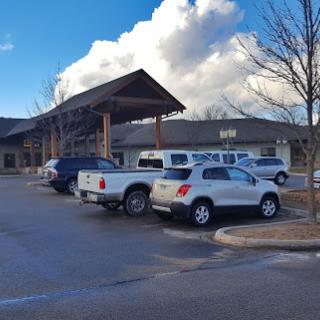
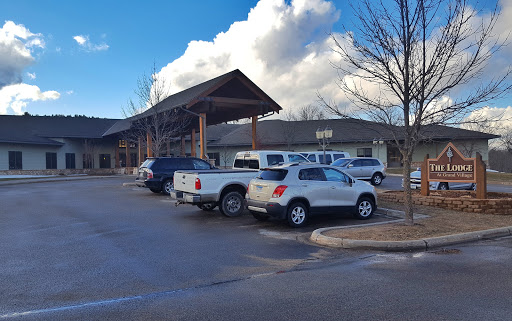
923 Hale Lake Pointe, Grand Rapids, MN 55744
For more information about senior living options: (866) 208-4318
Overall Review of Grand Village
Pros
 The people at Grand Village are very kind and very communicative, making residents feel at home.
- They greet visitors at the door and are cheerful and positive.
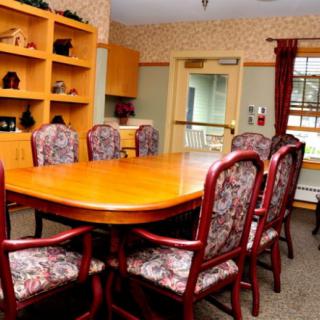
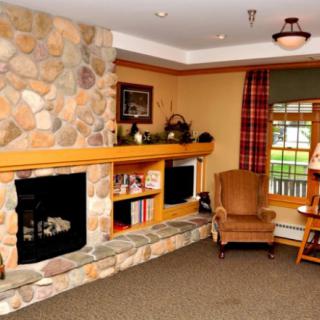
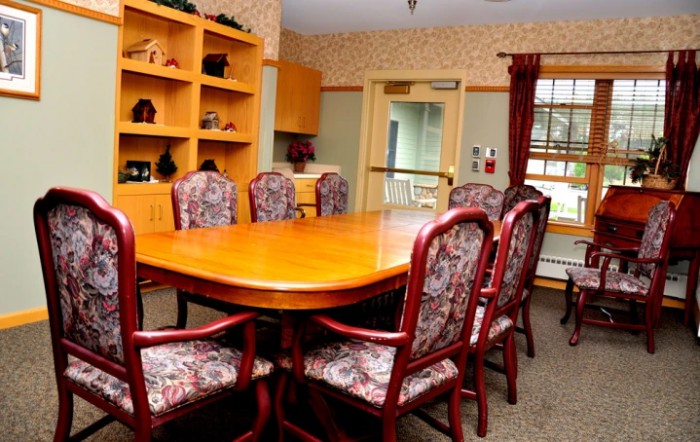
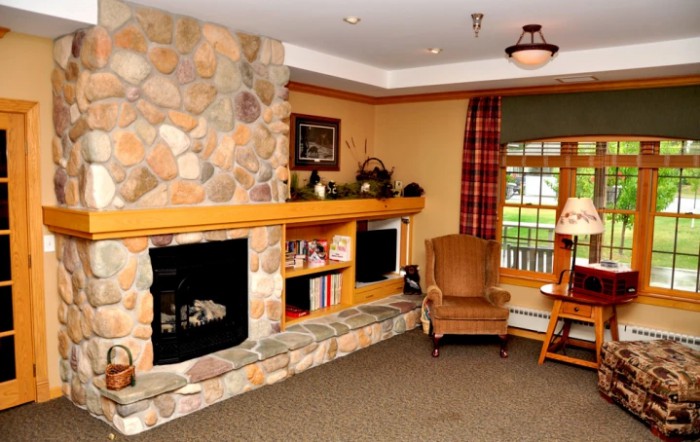
- The facility is modern, tastefully decorated, with big windows and cheerful sunshine.
- The rooms are roomy and can be personalized with items from home.
- The food is really good, with many choices, and the chef does a great job.
- The memory care unit staff are kind, attentive, creative, and wonderful with families.
- All the staff are nice and always willing to help.
Cons
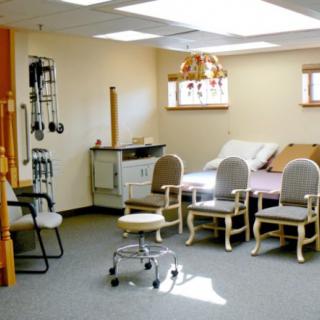
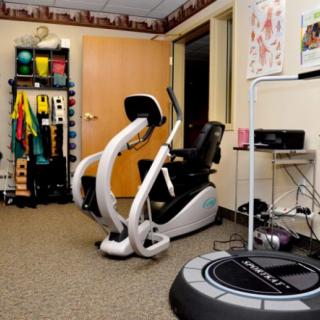
 The PT staff were incompetent, doing nothing but complain that the patient wasn't cooperating.
- They did not care and did not try to help.
- They reported to Medicare that the patient wasn't making any progress, a claim that wasn't true.
- Medicare stopped coverage after that, and the patient was sent home.
- The OT staff never provided therapy; the patient never even met the OT.
- PT was terrible and unprofessional.
- The patient had large unexplained bruises on their back.
- A family member was mistreated and neglected, with inconsistent care and staff described as heinous.
- There were broken bones and unexplained bruises, with different staff giving different versions of the same incident.
- They took forever to respond to calls for help and deprived patients of basic human rights.
- The staff were confrontational and there was a persistent lack of communication, resulting in poor quality of care.
- Food was rationed and residents were treated as if they were in LTC rather than transitional care.
Review
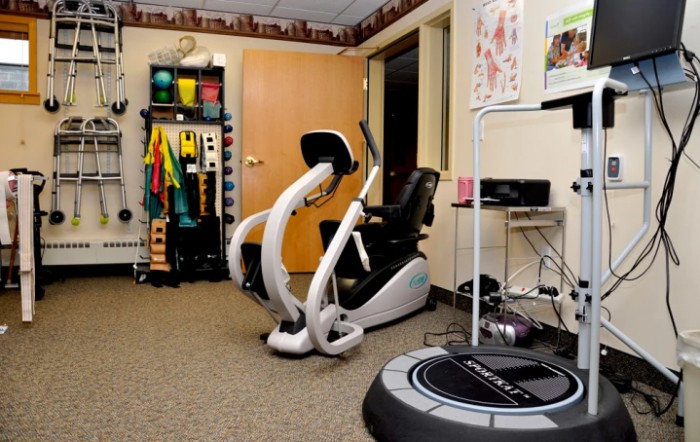
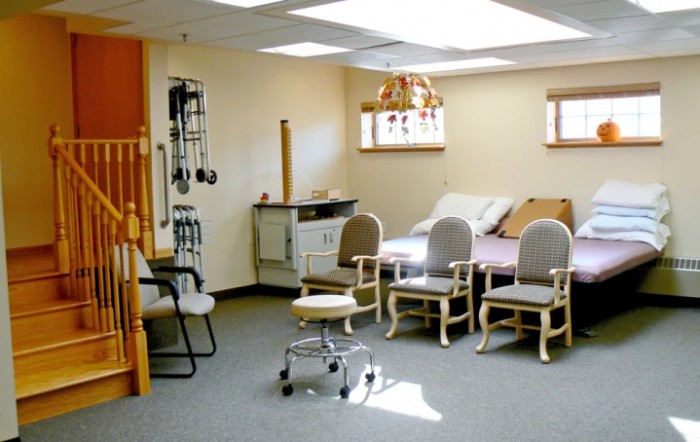
Grand Village in Grand Rapids, MN is best suited for seniors who value a warm, home-like atmosphere, tasty and flexible dining, and a generally cheerful, responsive staff for day-to-day care. The facility presents a modern, pleasant setting with bright spaces and welcoming common areas, plus a range of on-site therapies that can support lighter rehabilitation needs and routine recovery. For families seeking a place where transitions feel smooth and residents can settle into a visually appealing environment, this community offers what many expect from mid-market transitional care. It works best when the primary concern is daily care quality and social engagement rather than high-acuity medical management.
Those who should consider alternatives are residents with substantial rehabilitation demands, complex medical needs, or conditions requiring aggressive, tightly coordinated medical oversight. Several accounts raise red flags about rehab effectiveness, with claims of unhelpful or unengaged physical therapy, and skepticism about whether occupational therapy was actually delivered. Worries about consistent care, follow-through by leadership, and clear communication suggest that families needing rigorous, transparent care plans may find the facility’s current systems insufficient. In cases where weight, hydration, or swallowing safety are pressing, this community may demand vigilant monitoring that exceeds what has been consistently reported.
The most tangible strengths lie in the human side of care and the everyday experience. Staff members are frequently described as kind, communicative, and willing to help, creating a sense of welcome and home-make comfort for residents and visitors. The dining program earns frequent praise, offering ample choices, restaurant-like breakfast options, and meals that feel substantial and appealing to varied tastes. These positives can significantly offset some routine care frictions, especially for residents who thrive on social interaction, stable routines, and a pleasant living space. The memory care unit, in particular, has been cited as attentive and creatively engaged, which matters for families seeking specialized, patient-focused support.
Yet the facility’s downsides cannot be ignored. Across multiple accounts, the performance of rehabilitation services appears uneven, with specific criticisms directed at physical therapy and a lack of visible, coordinated therapy for some residents. There are troubling anecdotes about unexplained bruises, weight loss, dehydration, and delayed responses to calls for help, underscoring a pattern that makes consistent oversight essential. Reports of conflicting stories from different staff members and limited follow-up from management amplify concerns about accountability. In sum, the care environment can feel unstable or reactive rather than proactively organized, particularly for residents with higher care needs.
Decision-making should focus on practical, verifiable assurances before choosing. Demand a clear, written rehab plan that spells out goals, expected timelines, and who is supervising progress. Request current schedules for PT, OT, and speech therapy, and verify that a dedicated therapist is assigned to the resident with regular updates provided to families. Probe the nurse manager’s track record on follow-through, incident reporting, and care plan updates; insist on direct contact for urgent concerns and a transparent escalation path. Tour the memory care area specifically, ask about staff-to-resident ratios, and seek recent resident outcomes related to weight, hydration, and medication administration. Finally, consider a trial period or a family-consented contingency if plans do not align with clinical needs.
Overall, Grand Village offers a compelling blend of a pleasant environment, strong dietary options, and generally caring staff that can support residents who do not require high-intensity rehab or complex medical coordination. For families with loved ones who have modest rehab goals and who place a premium on atmosphere and daily livability, the community can be a solid fit. However, those facing significant rehabilitative demands, swallowing or hydration issues, or a need for unwavering, meticulous care oversight should weigh alternatives where care plans are demonstrably coordinated, consistently executed, and transparently communicated. Active family involvement and careful pre-admission due diligence are essential to making Grand Village work as a trusted home.
 119 resident community capacity
 Skilled Nursing Facility
 Air-conditioning
 Beauty salon
 Cable or satellite TV
 Computer center
 Dining room
 Fitness room
 Fully furnished
 Gaming room
 Garden
 Housekeeping services
 Kitchenette
 Move-in coordination
 Outdoor space
 Private bathrooms
 Restaurant-style dining
 Small library
 Telephone
 Wellness center
 Wi-Fi/high-speed internet available
 Community operated transportation
 12-16 hour nursing
 24-hour call system
 Activities of daily living assistance
 Assistance with bathing
 Assistance with dressing
 Assistance with transfers
 Diabetes diet
 Medication management
 Mental wellness program
 Special dietary restrictions
 Concierge services
 Planned day trips

 Understanding the Sandwich Generation: Stress and Responsibilities for Multigenerational Caregivers
 8 Essential Assistive Devices for Older Adults
 Navigating the Financial Road to Nursing Home Care: In-Depth Guidance and Resources