
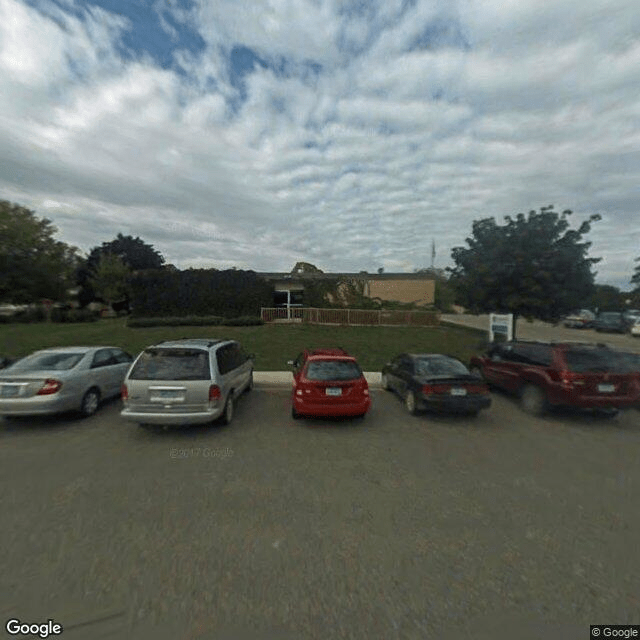
439 Williams Ave E, Dassel, MN 55325
To contact a resident: (320) 275-3308
For more information about senior living options: (866) 208-4318
Lakeside Generations Health Care Center Costs & Pricing
Lakeside Generations Health Care Center offers competitive pricing for its services when compared to both Wright County and the broader state of Minnesota. For a semi-private room, Lakeside's monthly fee is $2,150, significantly lower than the county average of $3,977 and the state average of $4,051. Similarly, the cost for a private room at Lakeside is set at $2,890, which again stands in stark contrast to the higher averages of $4,904 in Wright County and $5,090 statewide. These figures suggest that Lakeside Generations provides an attractive option for families seeking quality care without compromising their budget.
| Floor plans | Lakeside Generations Health Care Center | Wright County | Minnesota |
|---|---|---|---|
| Semi-Private | $2,150 | $3,977 | $4,051 |
| Private | $2,890 | $4,904 | $5,090 |
Overall Review of Lakeside Generations Health Care Center
Pros
 The dad had a good first visit.
- There was good help when Sue was there.
- Everyone there is nice and supportive.
- They will receive the best help there.
- They plan to return in three months for a hip replacement.
Cons
 The waiting times at the facility were very poor.
- The reviewer is sad to be leaving everyone here.
Review
Lakeside Generations Health Care Center in Dassel, MN is best suited for seniors who value a warm, human-centered atmosphere and are navigating short-term rehab or assisted living where personal attentiveness and supportive staff matter as much as clinical routine. The two available impressions point to a community where residents consistently encounter friendly, compassionate teammates, and where the emotional climate, kindness, encouragement, and a sense of being looked after, plays a central role in daily life. For families seeking a bright, approachable environment to aid recovery after a hip replacement or during transitional care, this facility offers a credible, comforting option. The tone in conversations with caregivers and residents alike suggests that the right match hinges on the degree to which staff connection can substitute for perfect predictability in service delivery.
Those weighing Lakeside Generations should also consider who may want to look elsewhere. For anyone whose priority is consistently rapid response times, uninterrupted, high-level medical oversight, or a uniformly standardized level of care, this community may fall short. The reality surfaced in the reviews points to noticeable variability in performance from shift to shift and staff member to staff member. For residents with complex medical needs, demanding strict timelines, or a desire for relentlessly consistent service, a facility with stronger, steadier staffing patterns and a more uniform care protocol would likely be a safer bet. Families should be prepared to assess how important reliability is relative to personal rapport when evaluating Lakeside as a long-term home.
The strongest positives here center on the human touch. Observers repeatedly describe staff as kind, supportive, and willing to go the extra mile, which translates into a reassuring daily experience for residents and families. When a particular staff member is present, one cited example notes strong help during certain shifts, the care feels markedly more effective, underscoring how much outcome depends on who is on duty. The sentiment that “everyone here is nice” and that the community exudes a supportive vibe carries real value for those entering rehab or extended stays. In practical terms, where this facility shines is in fostering trust and comfort through relationships; that emotional and social scaffold can materially ease the stress of recovery and adjustment, and it can make a measurable difference in morale and cooperation with treatment plans.
Yet the flip side is real and consequential. The principal drawbacks center on inconsistency and delayed assistance, with reports of poor support during at least one recent stay and notably long wait times for care. This pattern signals a vulnerable aspect of Lakeside Generations: when demand spikes or staff coverage dips, residents may experience slower responses and uneven quality of care. For families, the risk here is clear, comfort and safety hinge not only on the kindness of caregivers but on the speed and reliability of help when needed. Variability in care can erode trust over time, especially for residents who require frequent assistance or who are recovering from surgery and depend on timely monitoring and intervention.
To navigate these trade-offs, families should approach Lakeside Generations with a plan tailored to their specific priorities. Investigate staffing patterns deeply: what ratios exist during evenings and weekends, who is the primary point of contact for family updates, and how does the facility triage urgent needs? Inquire about the rehab program’s structure: are there dedicated physical and occupational therapy teams, and what is the typical cadence of sessions for post-acute residents? Ask for recent metrics on response times and grievances, and request to observe a shift from the vantage point of a resident or family member. If possible, arrange a short-stay or trial period during a rehabilitation phase to gauge whether the current staff mix can consistently deliver the level of warmth and attentiveness needed, while monitoring how quickly needs are met.
The bottom line is practical and clear: Lakeside Generations Health Care Center offers a compelling, people-first environment that can be especially comforting for shorter-term recovery and transitional care, with the caveat of variability in responsiveness and care consistency. For families who prize a supportive, respectful atmosphere and believe that strong staff-resident relationships can compensate for occasional delays, this facility can be a very good fit. However, for those whose decision hinges on unwavering reliability, quick, predictable responses, and uniformly high clinical oversight every day, exploring alternatives with more consistent staffing and standardized processes is prudent. In choosing between options, the priority should be whether the anticipated quality of daily interpersonal care outweighs the potential downsides of occasional delays, or whether steadiness and predictability must take precedence even if that means compromising on the warmth that makes Lakeside Generations memorable.
 Skilled Nursing Facility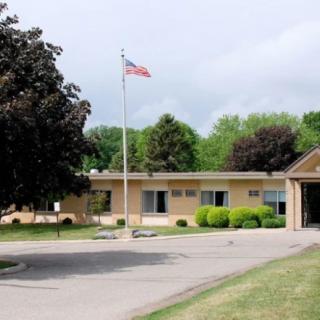

 Managing Nursing Home Expenses After Medicare Coverage Ends
 Is a Geriatric Care Manager the Right Choice for Your Family?
 Compassionate Conversations: How to Comfort Someone Who Is Grieving