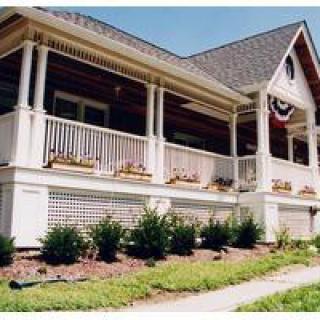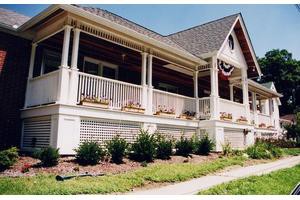
520 West Main Street C/O Box 206, Northville, MI 48167
For more information about senior living options: (866) 208-4318
Overall Review of Star Manor Of Northville
Pros
 The facility provides very good care and feels homey.
- The food is good and the caregivers give as good care as possible.
- They have a new activities director who brings residents outside and offers crafts and games.
- The head nurse hasn’t changed, and the staff know all the patients.
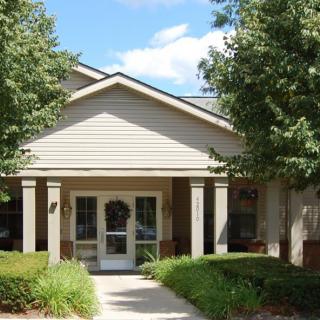
- There is a nice gazebo and fountain in the back, and the facility is nestled in a neighborhood.
- The staff are caring and dedicated, making residents comfortable and happy, even helping after hours with transitions.
- The facility is consistently clean with no odors, and there are opportunities for socializing through group activities and outings.
Cons
 The facility is horrible and not recommended.
- The place is dirty, there is little staff, and residents are left in wet briefs for hours.
- Since ownership changed, the facility has become abysmal.
- Staff fail to dress residents properly and blame laundry problems.
- The building smells strongly of urine both outside and inside.
- A nursing assistant was seen lighting a cigarette near an elderly confused patient.
- Staff are reluctant to contact EMS when a resident needs urgent care.
- Hygiene is inconsistent; bibs are often not used during meals and dentures are not brushed before bed.
Review
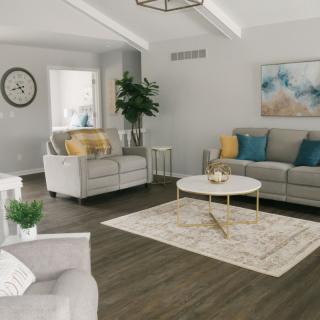
Star Manor of Northville is best suited for families seeking a small, home-like assisted living that prioritizes personal attention over glossy amenities. The community tends to feel intimate, with staff who know residents by name and a layout that encourages frequent, casual interactions between caregivers and residents. For seniors who value consistent, affectionate daily care and for families capable of staying engaged, visits, advocacy, and routine oversight, the setting can be deeply reassuring. The presence of a stable head nurse in some reports and a consistently cared-for dining experience contribute to a sense of reliability when relationships and communication matter most. This is not a flashy, large-campus facility; it’s a neighborhood-style home that can be very comforting for those who want familiarity and a human touch.
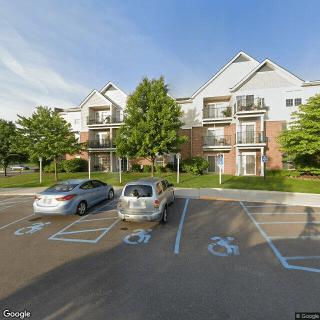
Yet this is not a universal fit. The most salient reason to explore alternatives is the pattern of leadership turnover and what that implies for daily life. Several reviews describe multiple directors within a short period, suggesting instability at the top that can ripple through staffing, care plans, and consistency in routines. Additional red flags include inconsistent hygiene practices, odors, and lapses in basic care tasks such as denture care, grooming, and timely assistance during meals. For residents with higher medical needs or families requiring unwavering medical oversight and stable governance, facilities with steadier leadership, stronger housekeeping, and more predictable safety protocols are advisable. Practical concerns like tight parking and an aging building also weigh into decisions, especially for families balancing accessibility with upkeep.
On balance, the positives at Star Manor tend to center on people and atmosphere. The staff’s warmth and responsiveness frequently come through in feedback, and the small scale often translates into quicker visibility, easier accessibility, and a sense that residents are treated as individuals. The dining program receives praise, and morale-boosting touches such as an activities coordinator expanding outings and crafts help stimulate social engagement. Several reviews underscore the strength of the team when it is functioning smoothly: a home-like vibe, personal attention, and genuine care that can elevate daily life beyond mere routine. However, these bright spots are repeatedly contrasted with reliability concerns, occasional lapses in hygiene, missed routines, and instances of neglect or inadequate medical handling, that can erode trust over time.
Where the pros most clearly offset the cons is in a deeply human-centered approach that makes residents feel seen and valued, even when systems falter. The small, intimate setting supports meaningful interactions and a sense of belonging, elements that many families prioritize over polished surfaces or expansive activity calendars. When the caregiving team is stable and engaged, the environment can deliver real comfort, safety, and companionship that matter greatly to aging loved ones. The improved activities program and the potential for staff to invest extra hours in transition support contribute to a livable, home-like experience that many families find appealing, especially for residents who thrive on routine, familiar faces, and focused personal attention.
Prospective residents should enter with a clear checklist and a plan for ongoing oversight. It is essential to meet with the administrator to discuss staffing levels, turnover patterns, and the facility’s plan to stabilize leadership. During tours, observe hygiene practices firsthand, bathroom cleanliness, denture care, battery of daily routines, and whether staff consistently respect residents’ dignity during meals. Request to review incident logs, state surveys, and care plans to gauge safety and responsiveness. Inspect rooms and common areas for odors, cleanliness, and overall upkeep, and confirm parking usability and accessibility. If possible, arrange a short-term stay to evaluate day-to-day reliability and to confirm that the care team can deliver consistent warmth alongside dependable routines.
In the end, Star Manor of Northville offers a compelling option for families prioritizing a warm, personally attended environment in a compact setting. The trade-off is a necessity for vigilant oversight and a willingness to manage ongoing questions about governance, hygiene consistency, and medical oversight. For seniors whose needs are straightforward and whose families can stay actively engaged, the community can be a comforting, cost-conscious choice. For those with more complex medical requirements, or for households seeking consistent administrative reliability and a modern, pristine facility, alternative communities with steadier leadership and stronger safety records are likely preferable. The prudent path is to pursue thorough tours, confirm governance plans, and insist on transparent, ongoing communication to ensure daily life remains safe, dignified, and genuinely engaging.
 37 resident community capacity
 Skilled Nursing Facility
 Beauty salon
 Cable or satellite TV
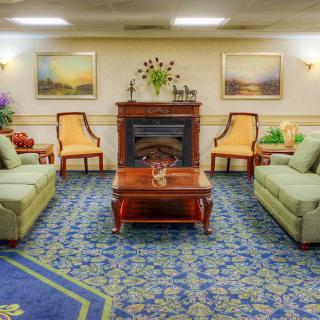
 Dining room
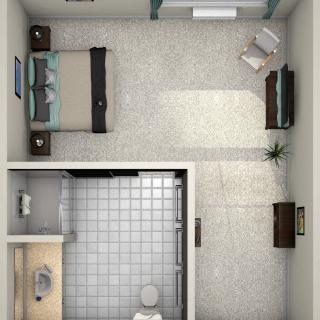
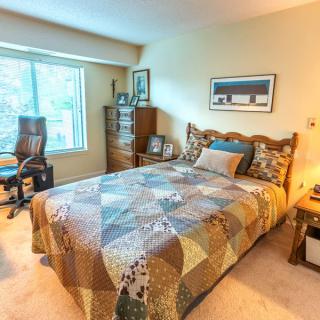
 Fully furnished
 Garden
 Housekeeping services
 Kitchenette
 Move-in coordination
 Outdoor space
 Restaurant-style dining
 Small library
 Telephone
 Wi-Fi/high-speed internet available
 Detroit Metropolitan-Wayne County (17 miles away)
 24-hour call system
 Activities of daily living assistance
 Assistance with bathing
 Assistance with dressing
 Assistance with transfers
 Diabetes diet
 Medication management
 Mental wellness program
 Special dietary restrictions

 Powerful Realities of Elder Abuse and the Most Effective Ways to Report It
 Ten Vital Duties of a Senior Caregiver: A Comprehensive Guide
 9 Stimulating Memory Activities for Seniors: Puzzles, Cards, and Much More